How to Plan a Trip to Spain

Overview
In this article
Best time to visit Spain
See also:
What to not miss if traveling to Spain for the first time
Spain is full of breathtaking places so it can be difficult to decide where to go. Here are top five destinations you must see when planning your first trip to Spain.
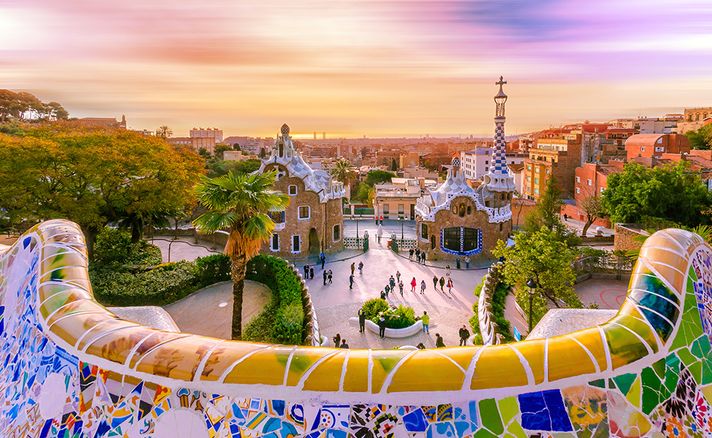
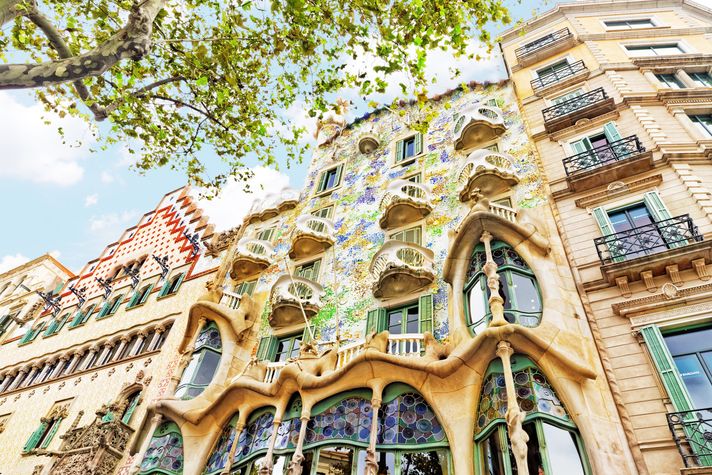
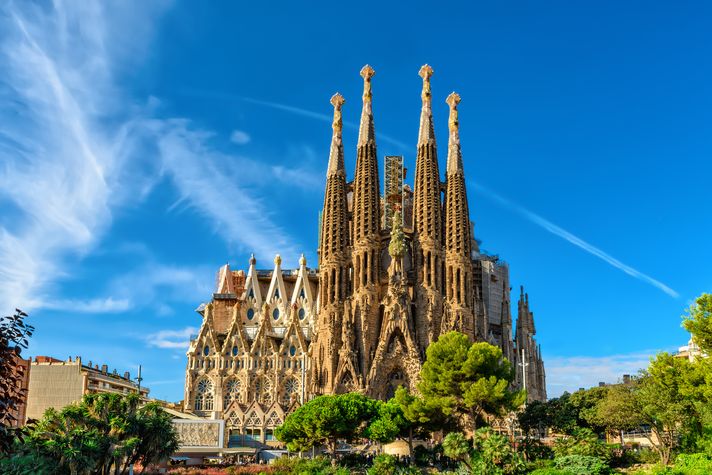
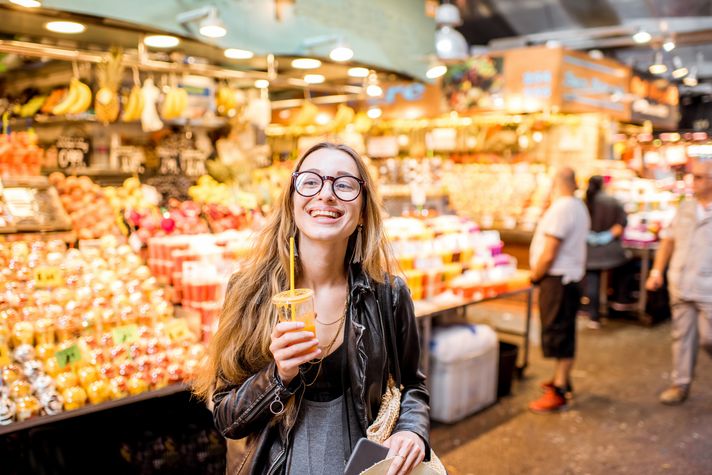
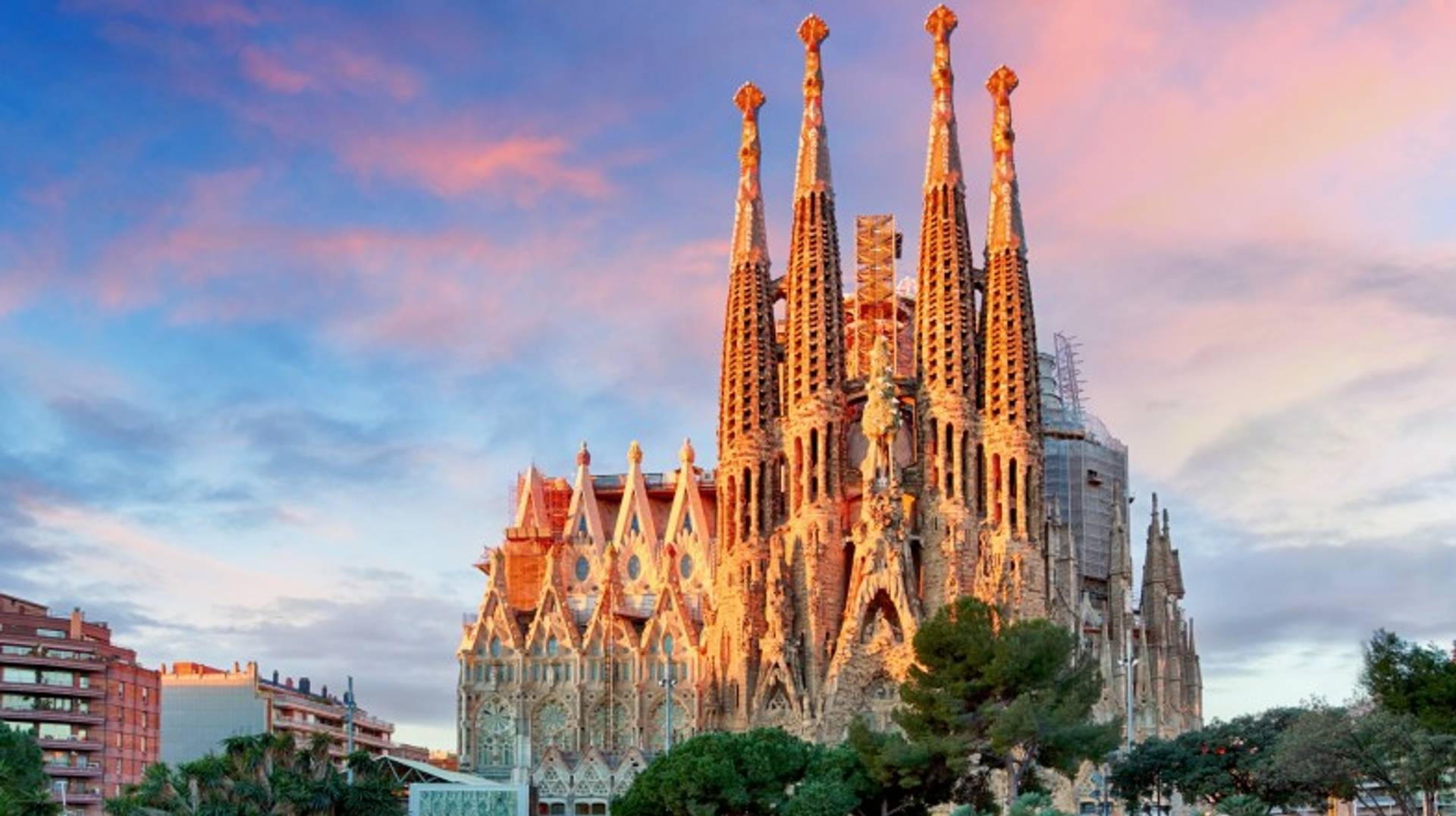
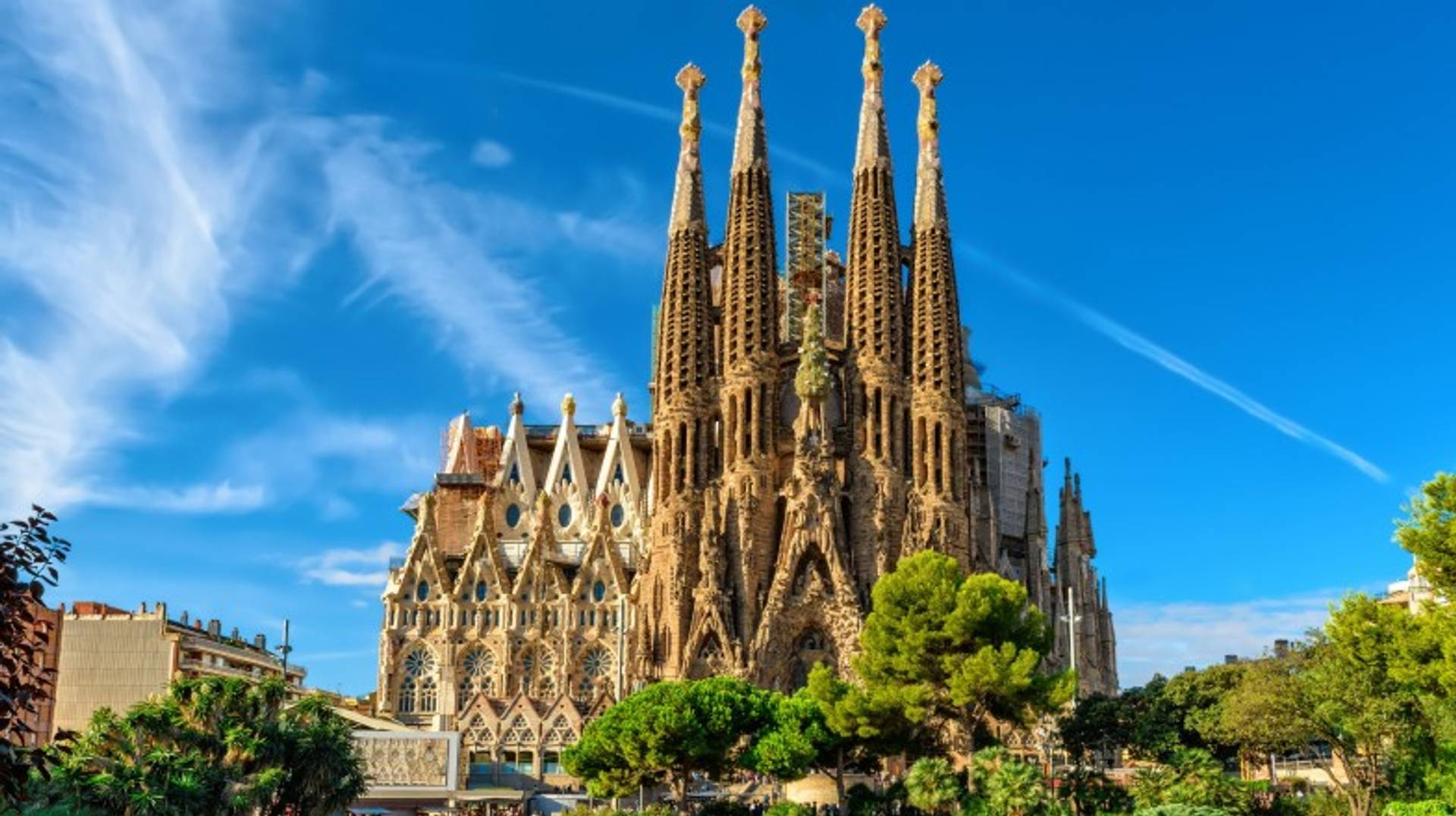
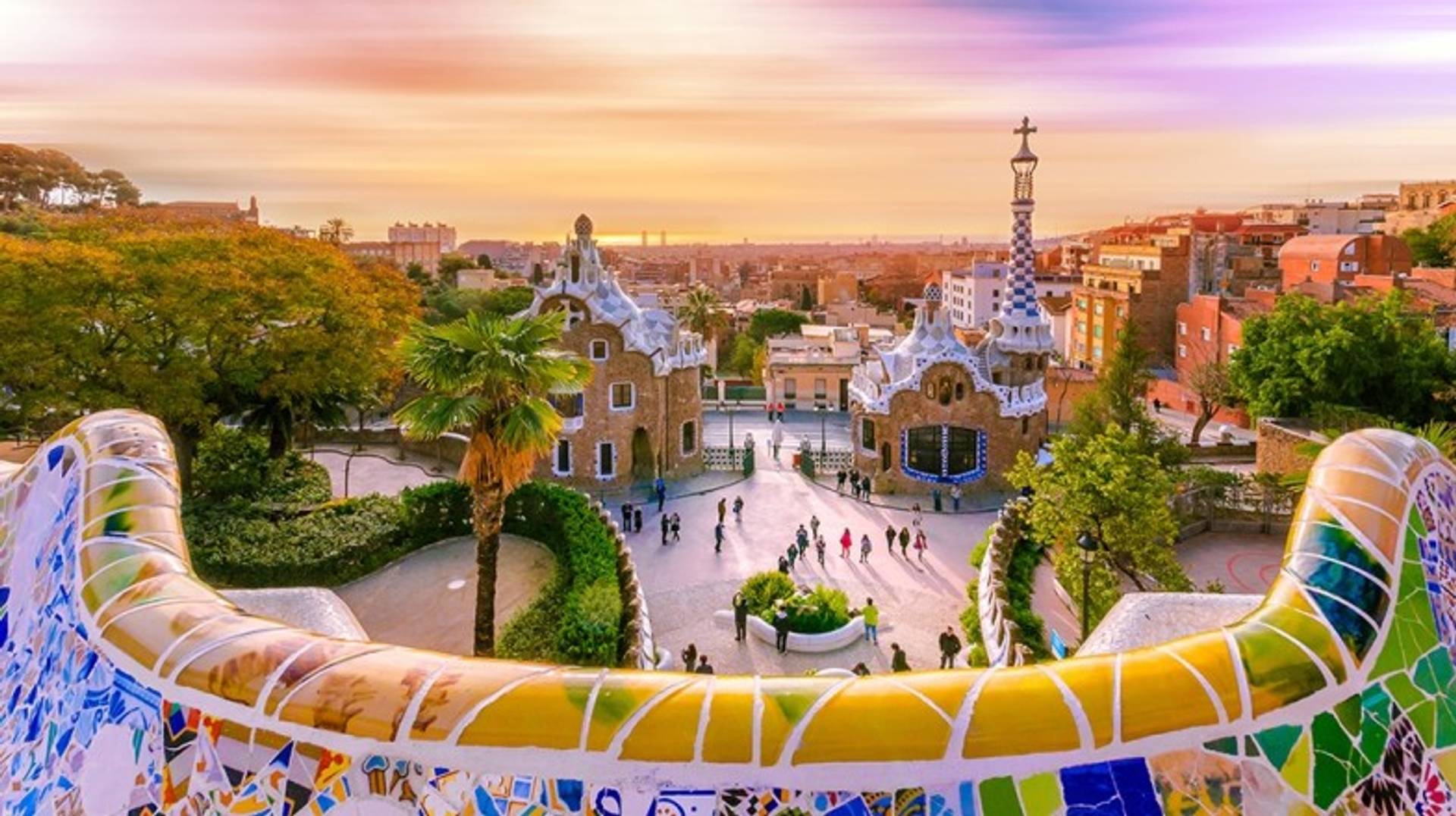
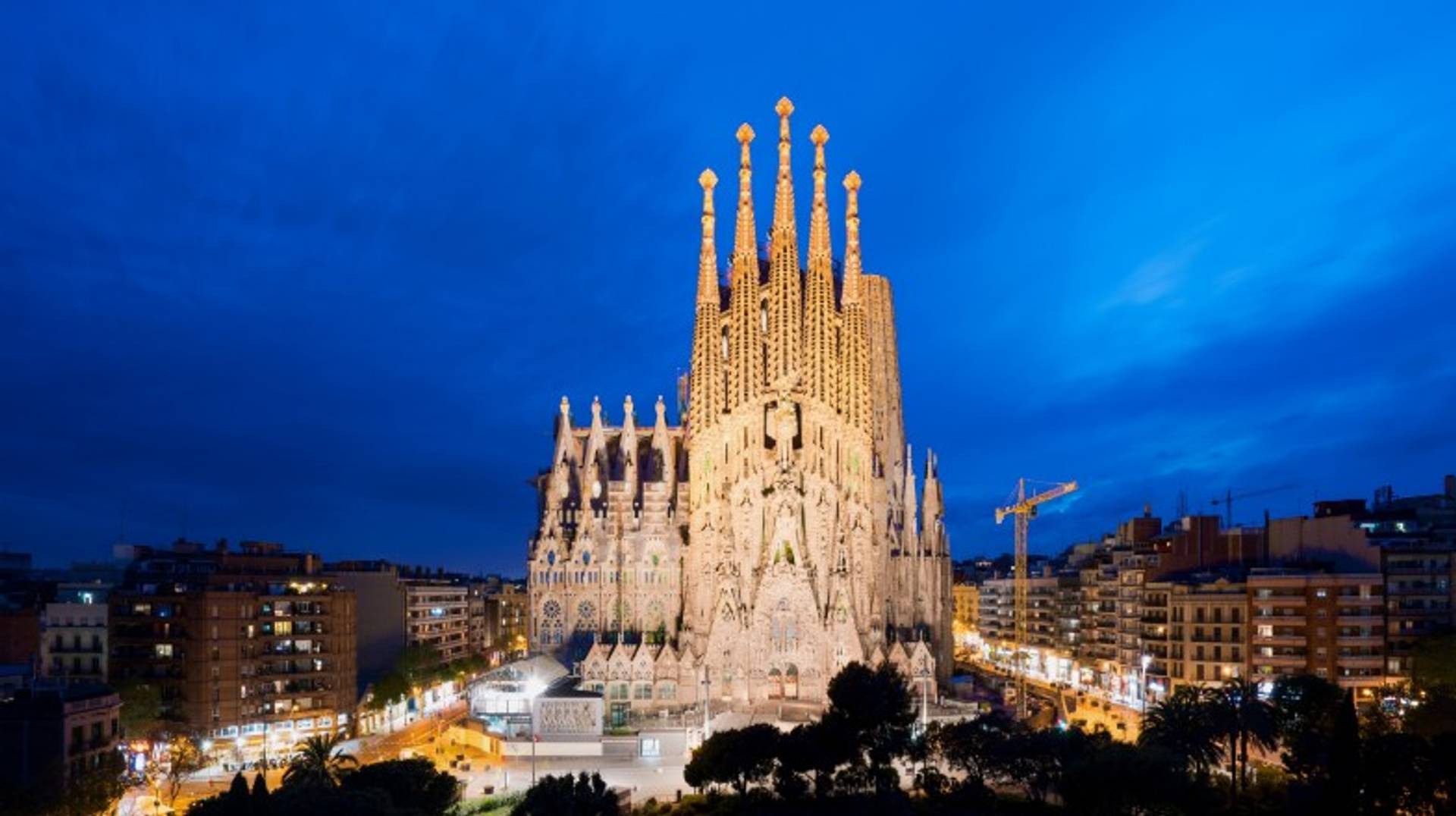
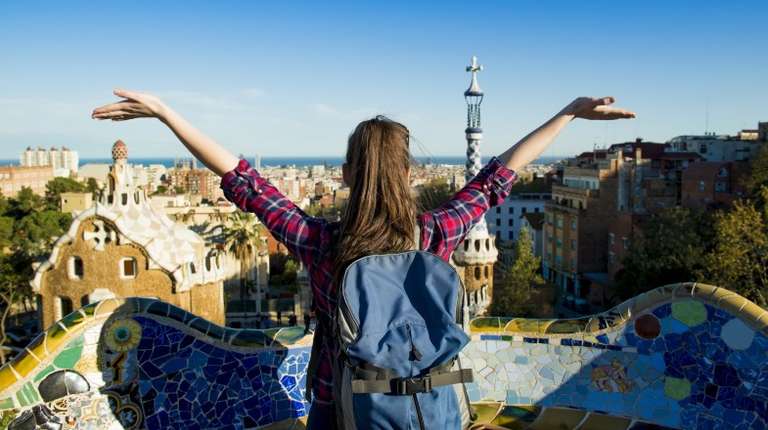
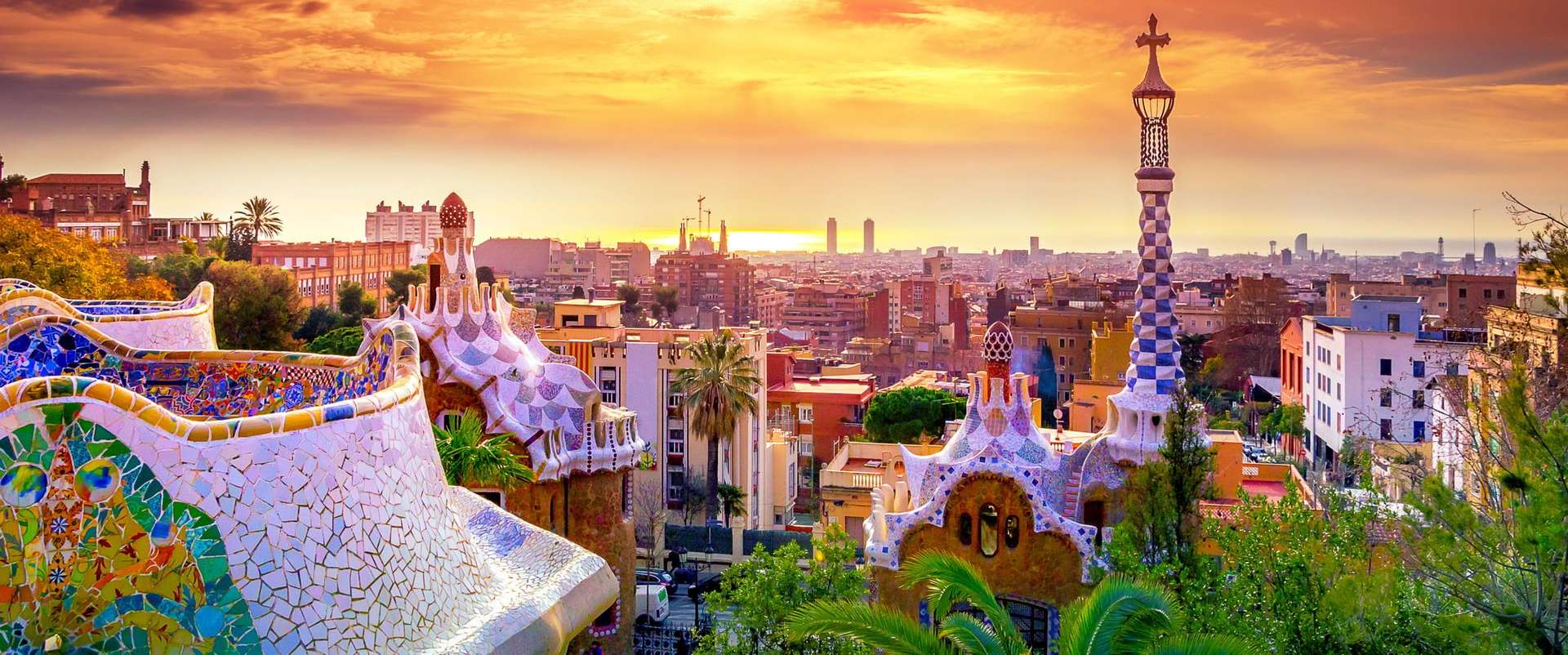
Barcelona with its iconic Gaudi structures is a must-see for any traveler. Sagrada Família might take the limelight, but Gaudi’s stronghold doesn’t end there. His first and last residential projects, Casa Vicens and Casa Milá, are both worthy stops. So are the once controversial Casa Batlló, the Parc Güell with its magnificent views over Barcelona, and many more.
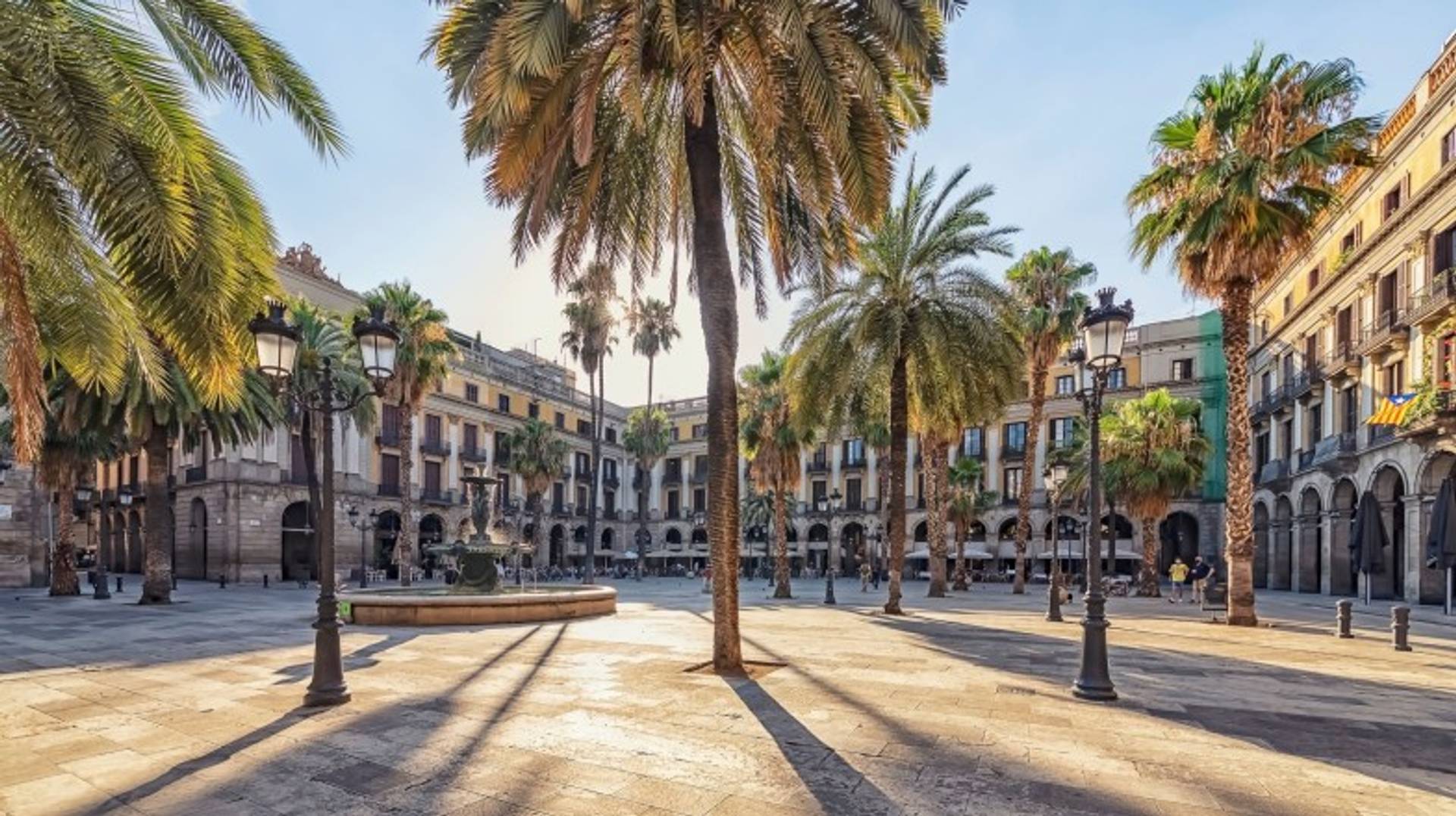
But Barcelona’s history reaches way further back. The town is dotted with Roman-era reminders harmoniously intertwined with gothic structures and crowned by the infamous La Ramblas. True to its vibrant reputation, Barcelona also boasts excellent restaurants, art museums, galleries and insatiable round-the-clock nightlife.
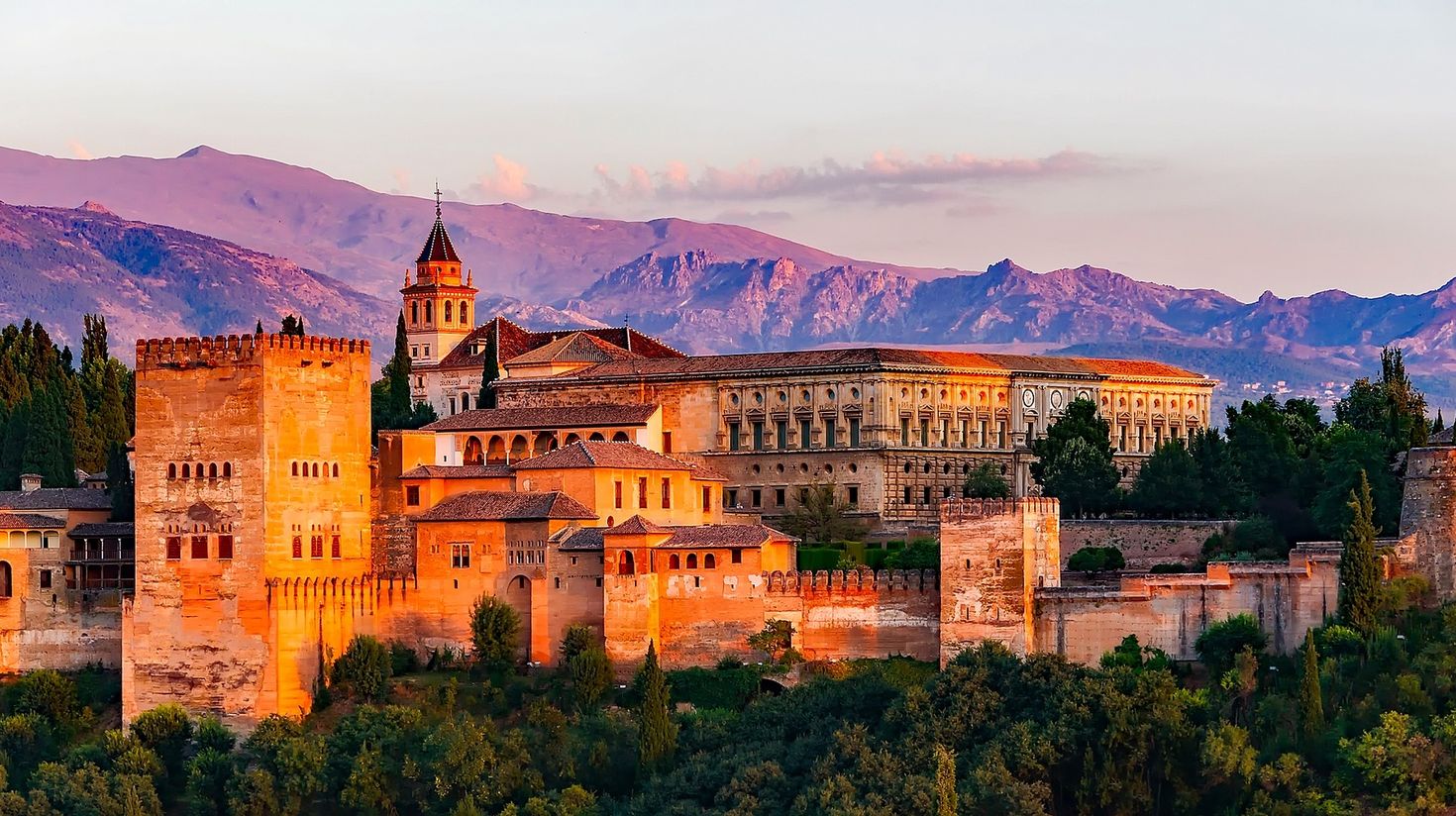
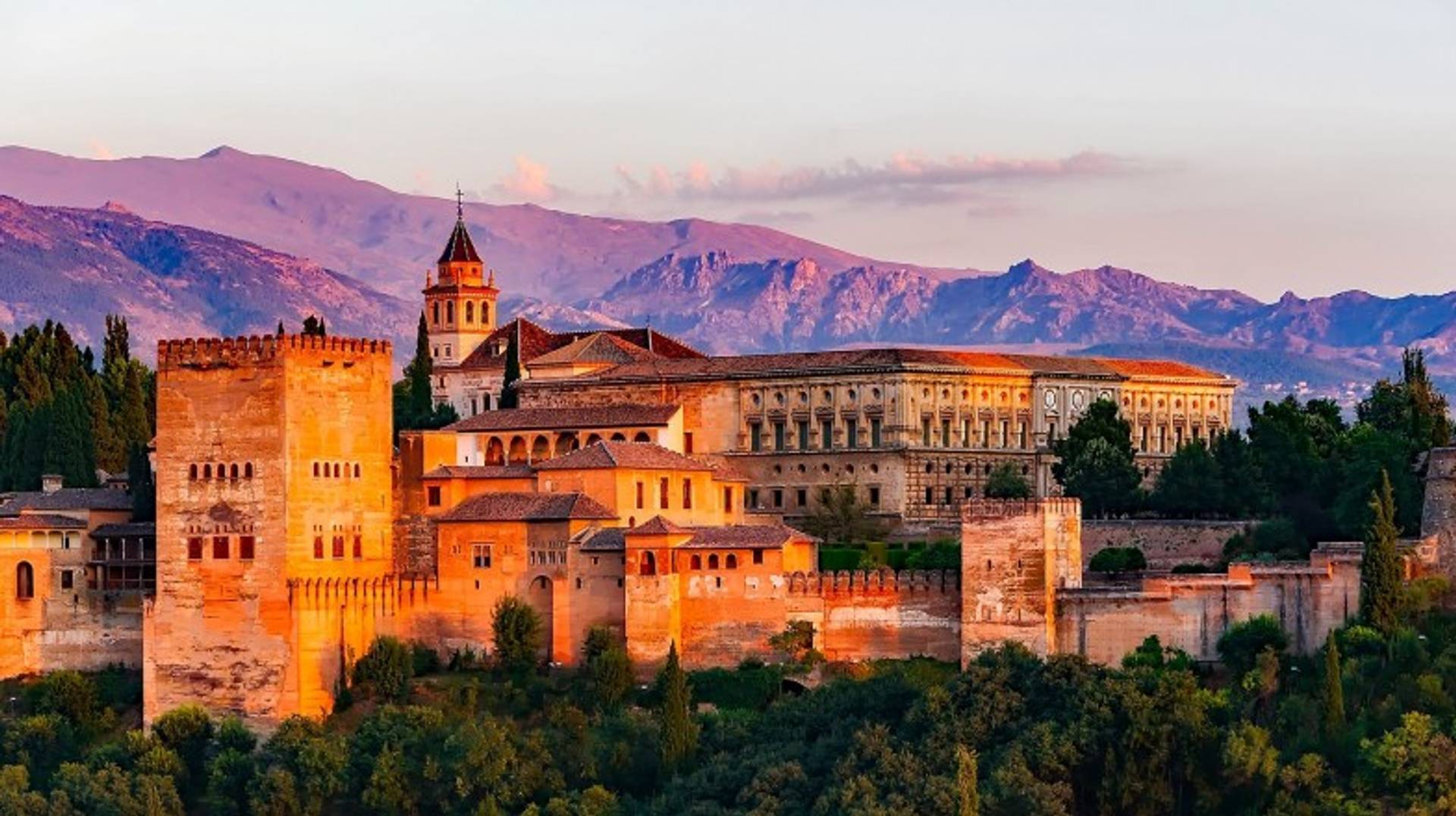
Granada was the last stronghold of the Spanish Moors and their legacy still lives on today. From the magnificent Alhambra perched high up on the hill to the arched house entrances, spacious plazas, fragrant spice stalls and colourful souvenir stalls stocked up with intricate mosaics, Granada’s history is palpable on every street corner.
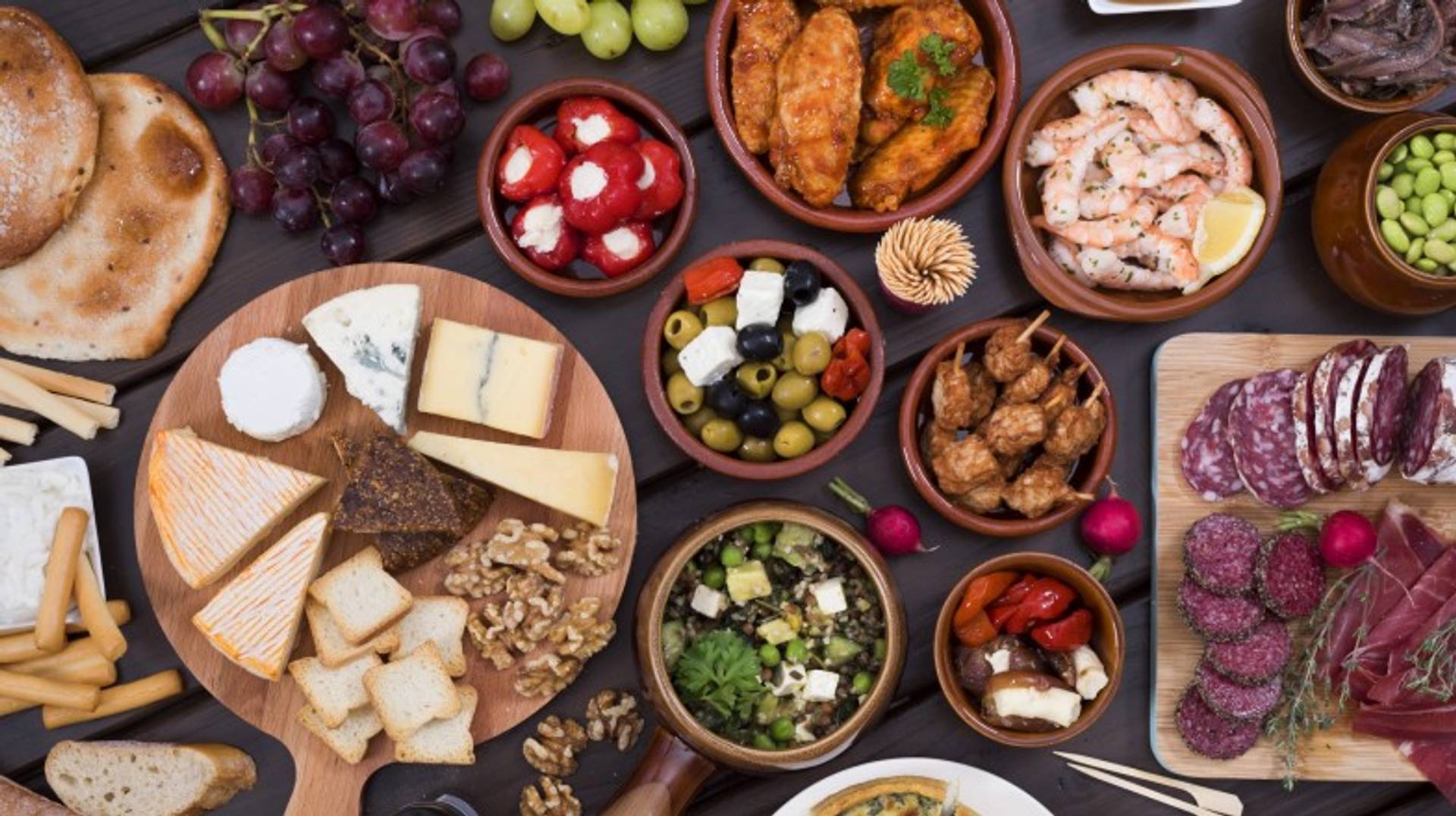
Looking beyond its architecture, the beauty of Granada is accentuated by the picturesque backdrop of the Sierra Nevada Mountains dominating the skyline. And when you get tired of exploring the city, take a rest and indulge in Granada’s tradition of free tapas with every drink.
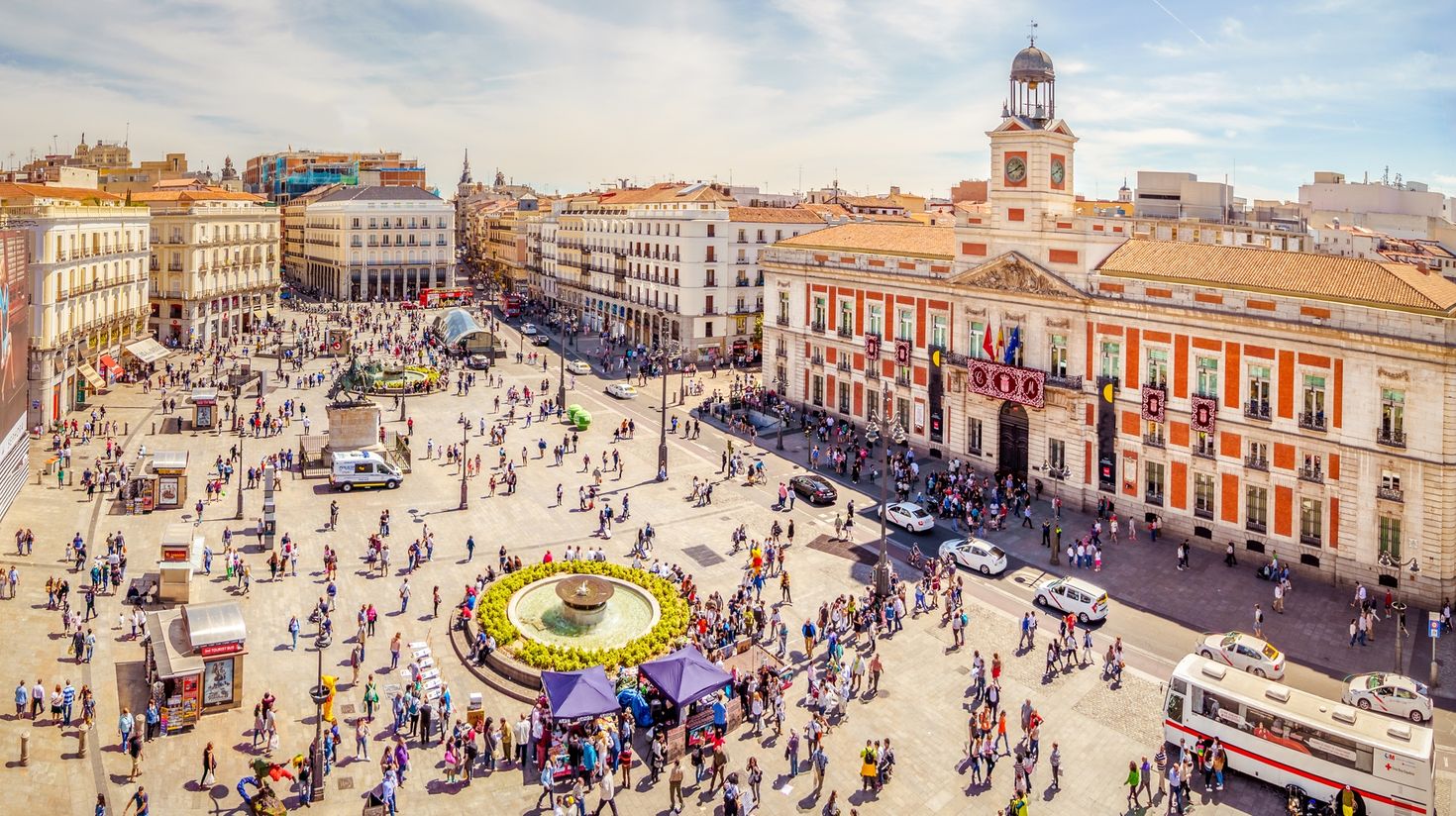
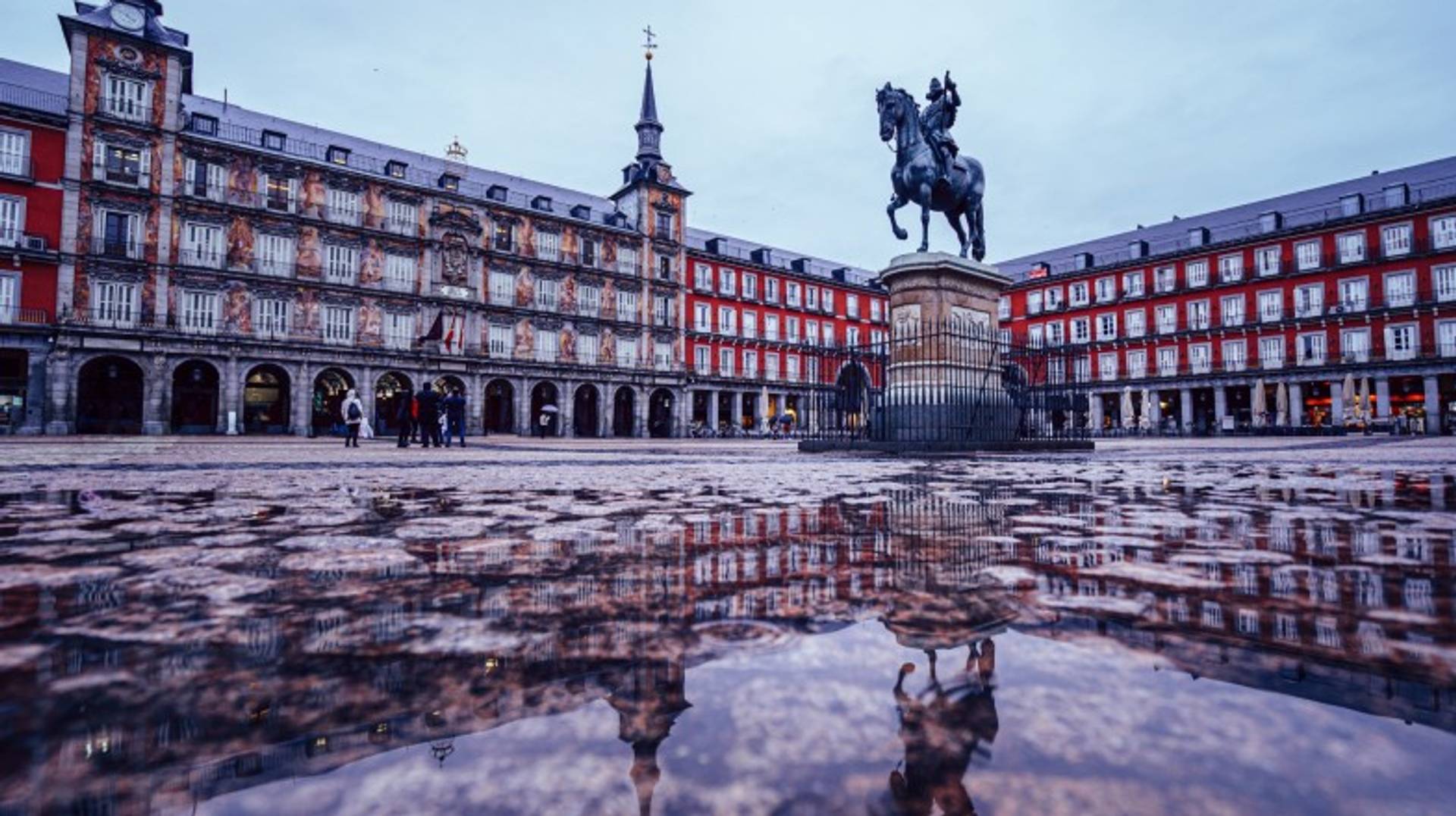
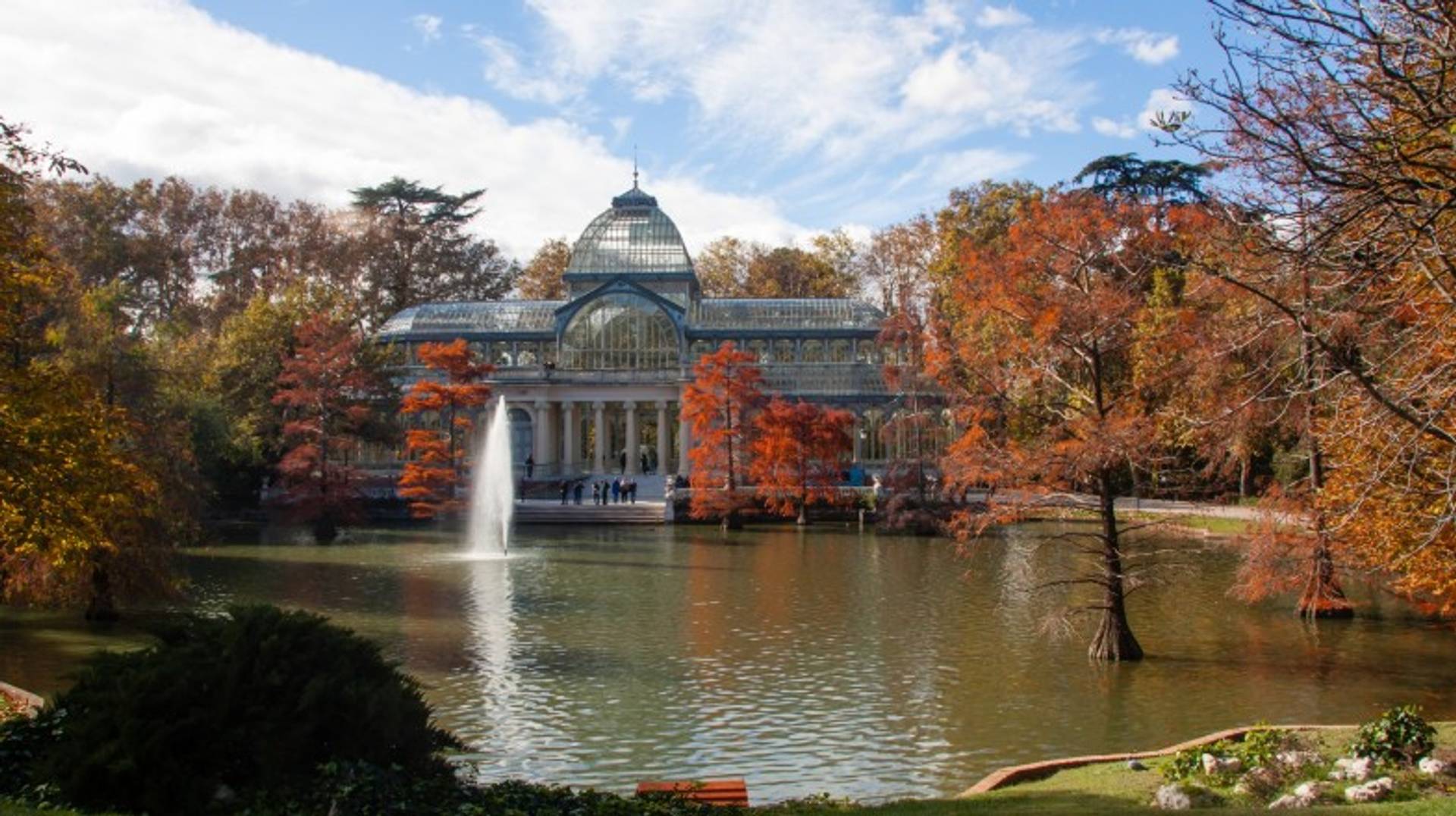
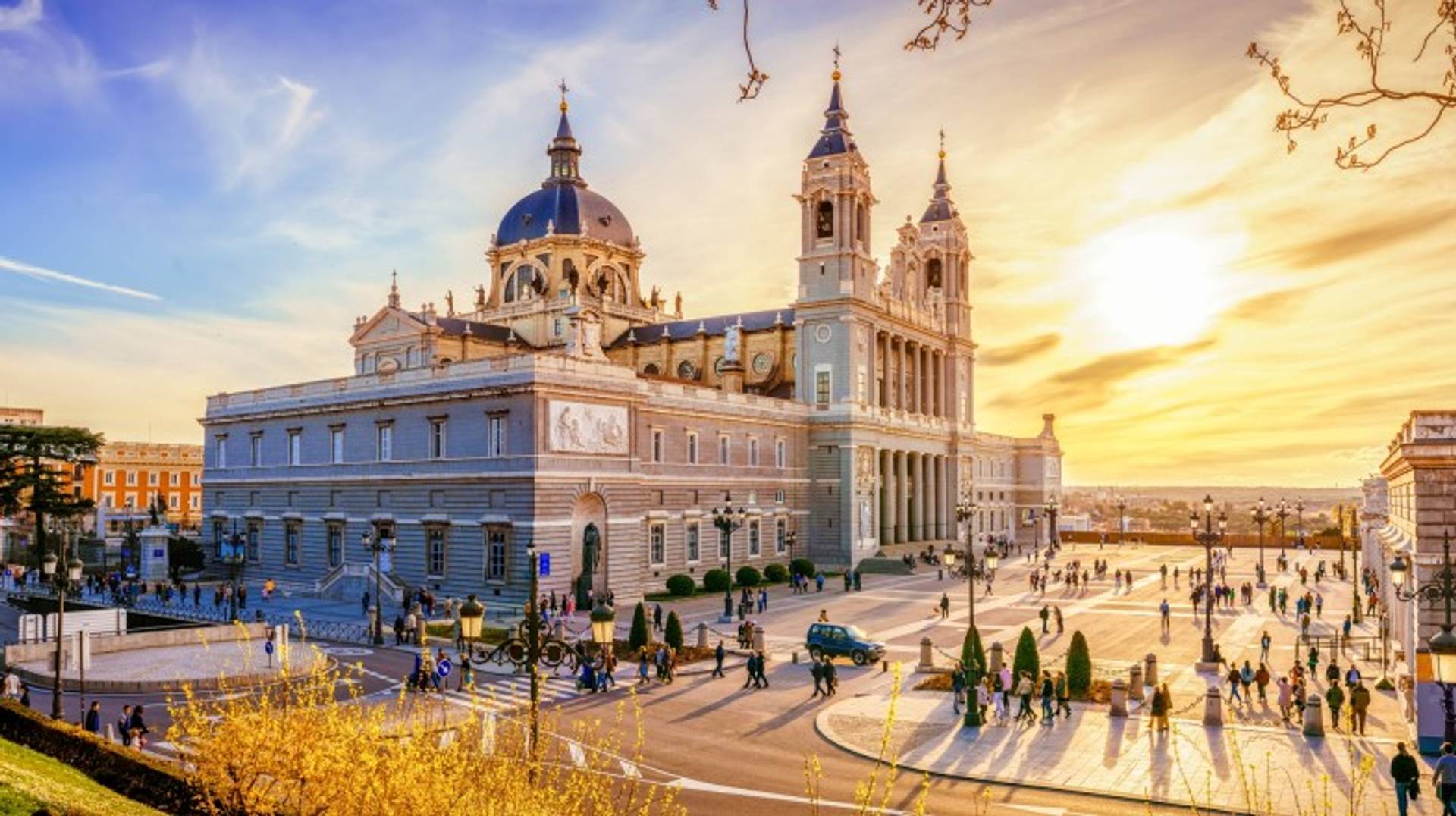
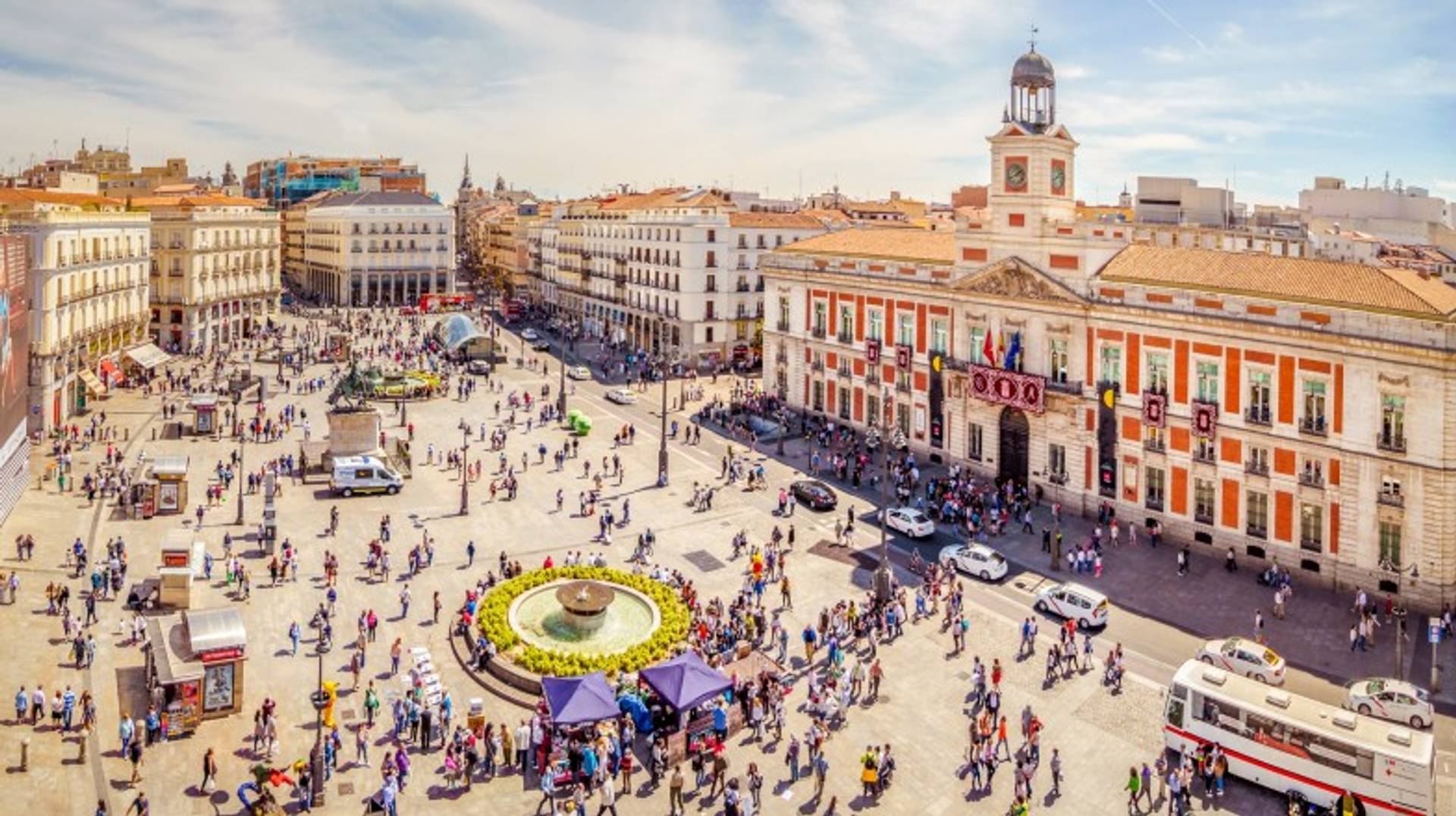
Madrid might feel overshadowed by the mighty Barcelona, but skipping this cosmopolitan superpower would be skipping a major part of the Spanish way of life. That is not to say that Madrid lacks historical monuments and architectural landmarks. The baroque Royal Palace and the spacious Plaza Mayor lined by arched walkways testify to this.
But to experience Madrid, one must let himself be inspired by the Madrilenos. Stroll through the stylish boulevards, admire the works of masters in copious museums and galleries, indulge in the plentiful culinary delights and dance the night away in one of the perpetually open nightclubs. Only then you will be able to say you’ve truly lived Madrid.
- Spanish Islands
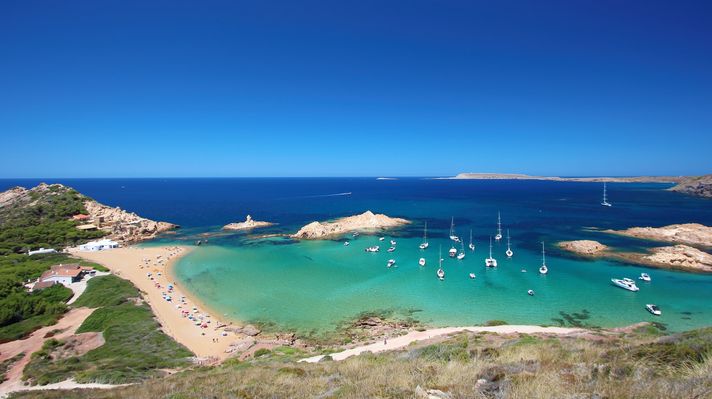
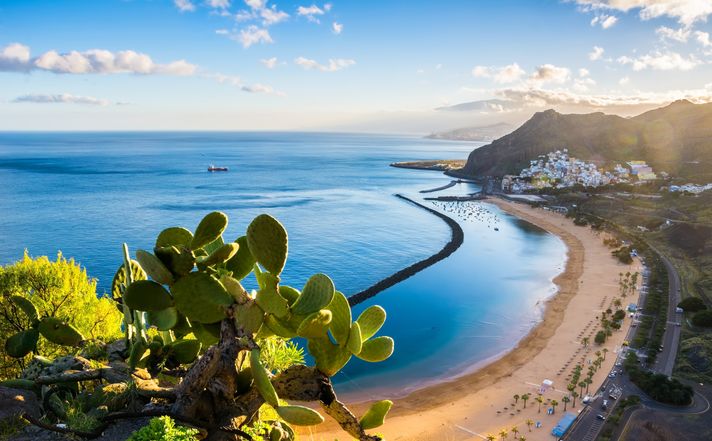
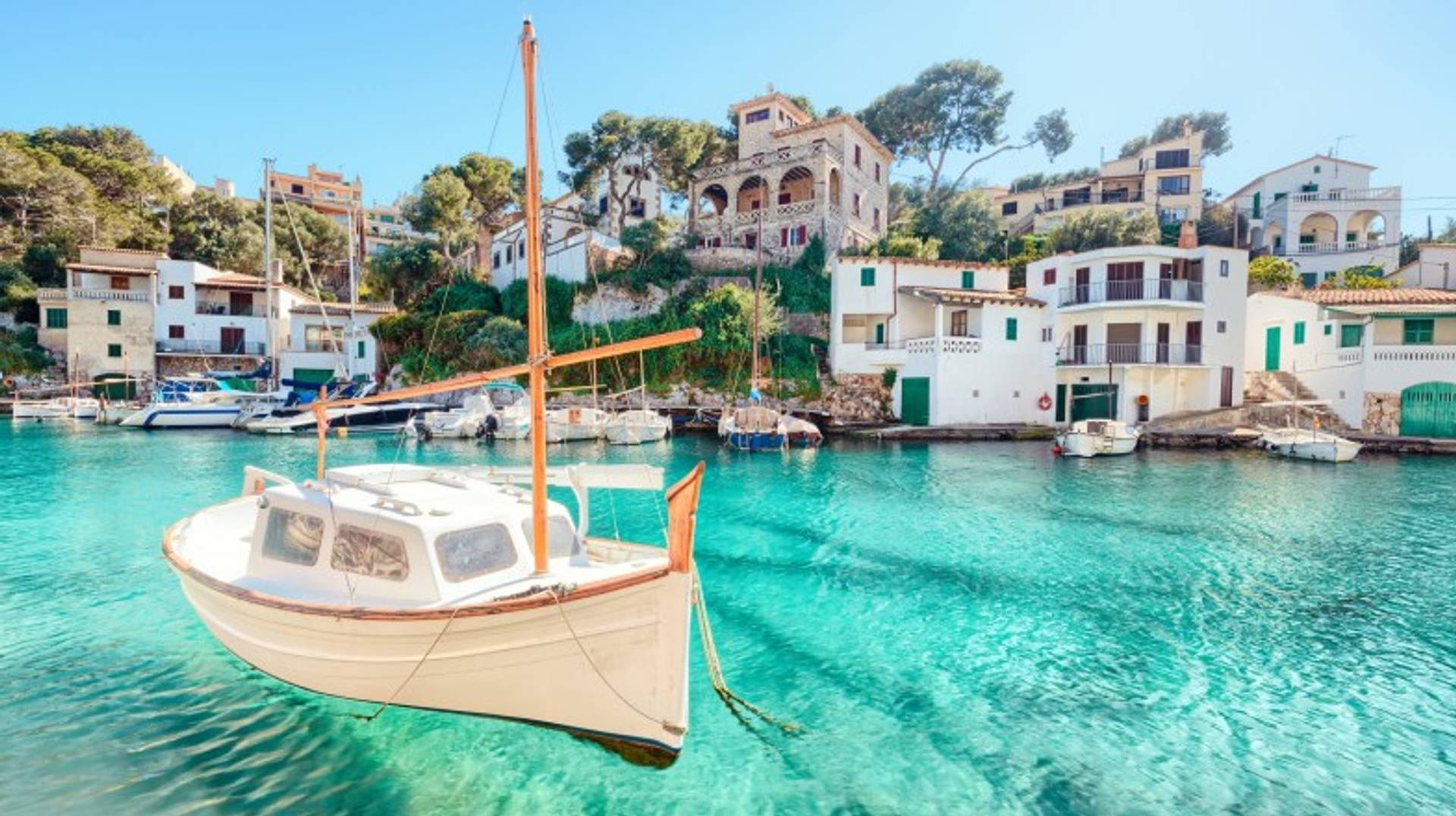
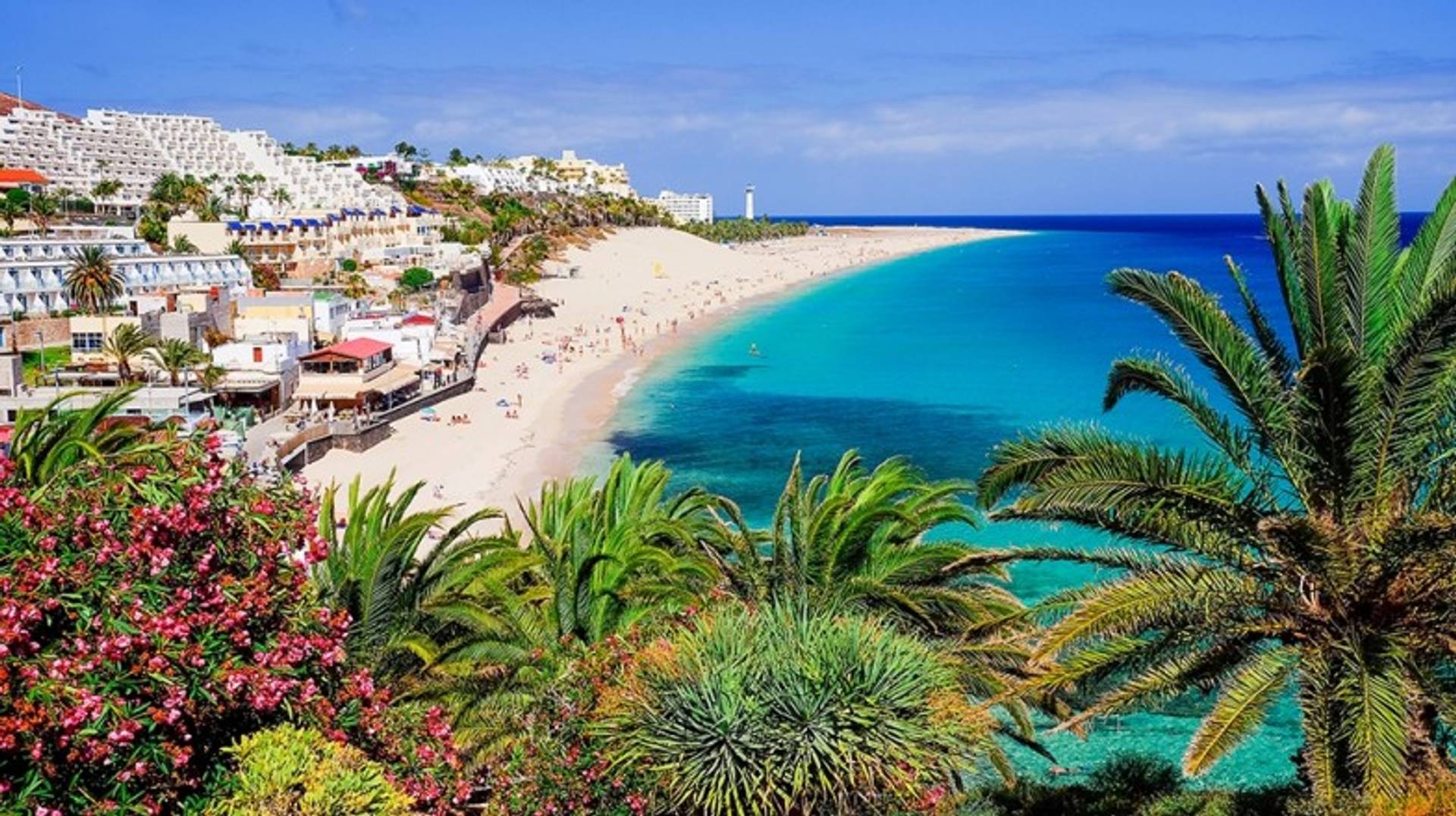
Dominating the Spanish islands are the Mediterranean Balearics and the Atlantic Canary Islands. No trip to Spain should go without visiting at least one of these archipelagos, sampling the island life, taking a dip in the sundry natural wonders and savouring the beach culture.
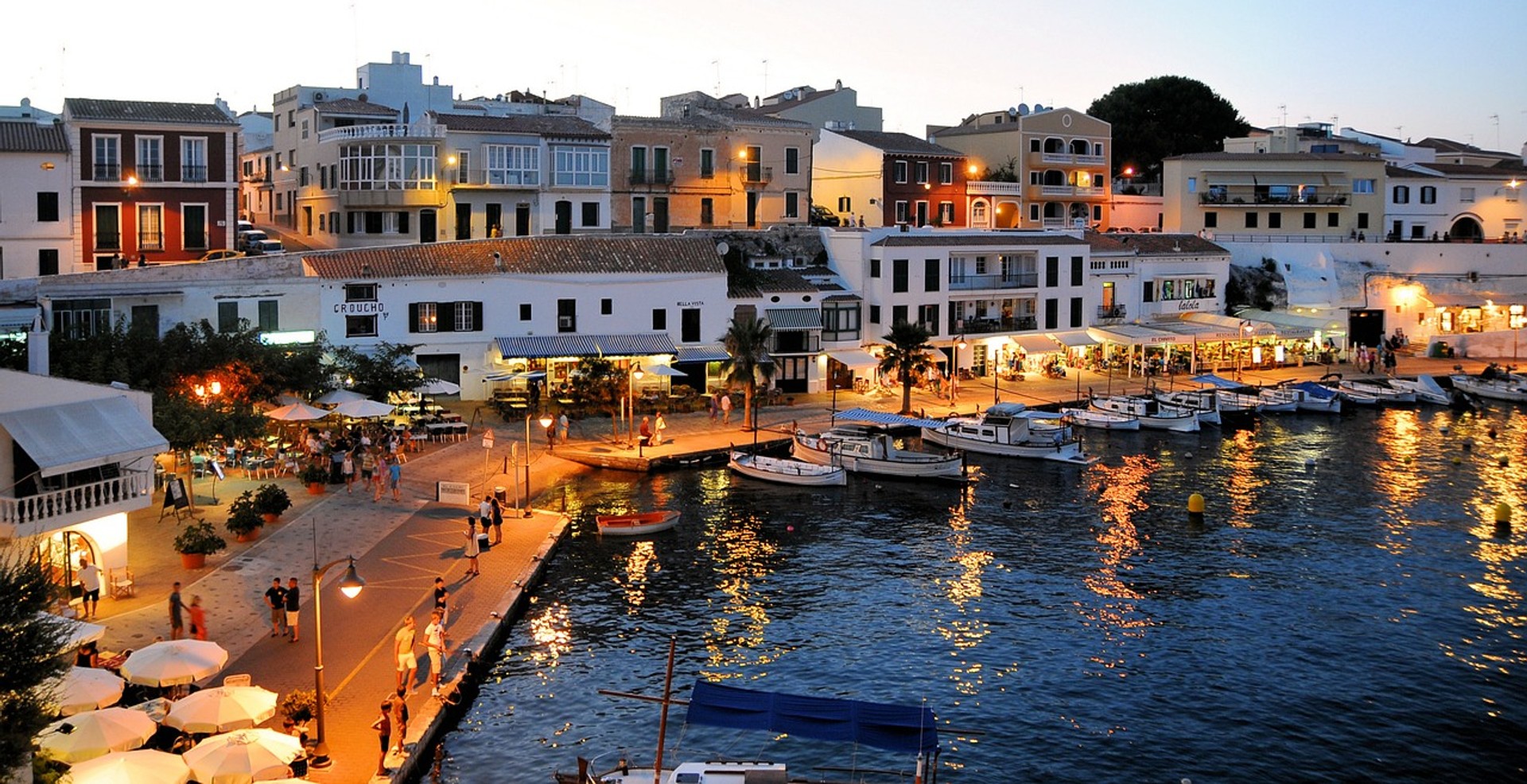
Anchored near the coast of Morocco, the mild-weathered volcanic Canary Islands sport dramatic landscapes studded with moon-shaped beaches, rolling sand dunes, historical villages and numerous hiking trails. The Balearics, comprising of Mallorca, Menorca, Formentera and Ibiza, brim with of traditional farmhouses, abandoned picture-perfect coves, fresh Mediterranean cuisine and the legendary party-life epitomised by Ibiza.
- The Picos de Europa
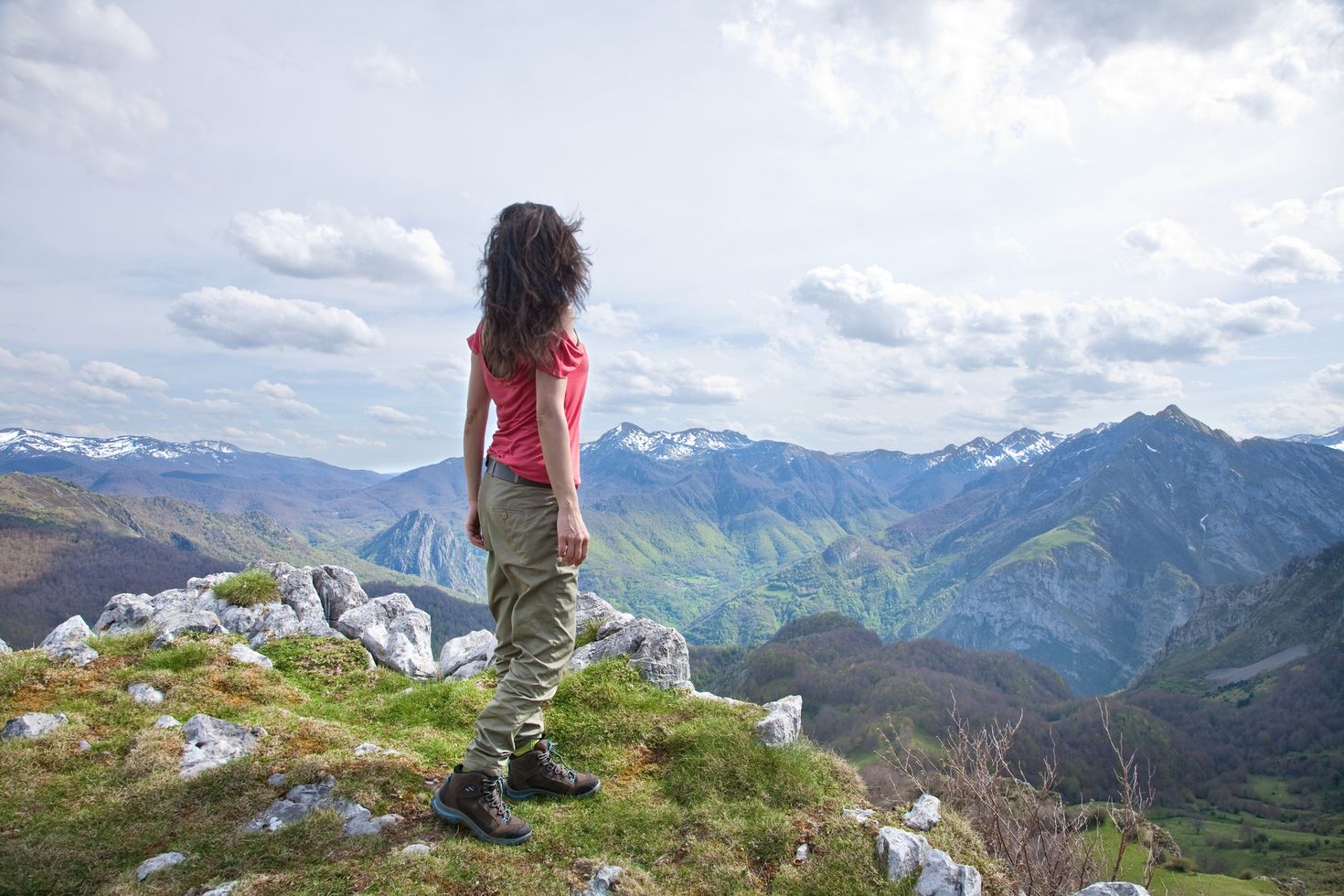
Frequently called one of the most underrated parts of Spain, the Picos de Europa are straddled between Asturias, Cantabria and Castilla y León. Its razor-sharp limestone peaks offset by the deep canyons are by no means the highest in Europe, but they surely provide one of Europe’s most picturesque mountain scenery and trekking ground.
Unlike Spain’s famed beach resorts and city destinations, the Picos de Europa is for those not afraid to see the real Spain in its untarnished beauty. Ragged farmhouses, grazing animals, pristine lakes, unexplored caverns, heaving massifs and steep cliff sides will welcome those who dare to dream.
See also:
Where to go when visiting Spain again
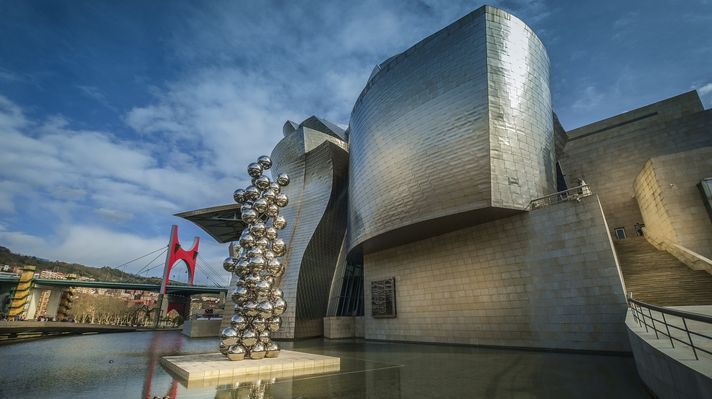
Set in the north of the Basque country, Bilbao is surrounded by beautiful natural landscapes and boasts a uniquely harmonious combination of old and new architectural wonders that coexist side by side. Nowhere is this more palpable than walking through the historical centre, passing buildings like the beautifully decorated, art nouveau Santander station before reaching Gehry's iconic Guggenheim Museum.
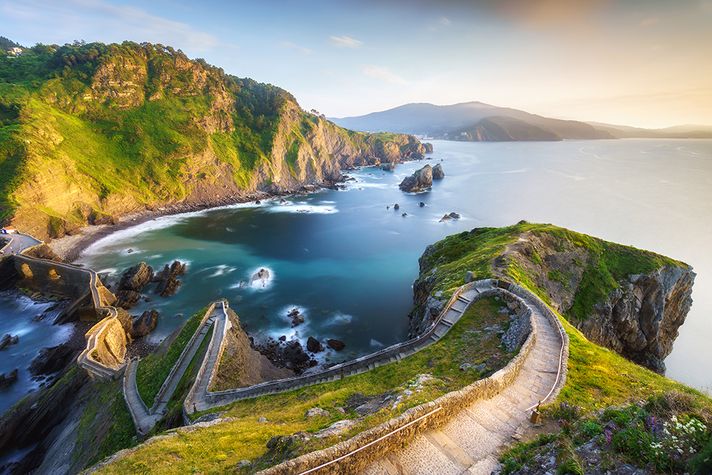
Bilbao's near-coast setting further provides easy access to picturesque locations like the Portugalete’s UNESCO Zubizuri gondola bridge and the Gaztelugatxe islet with its dramatic walkway immortalised by Game of Thrones.
- Segovia
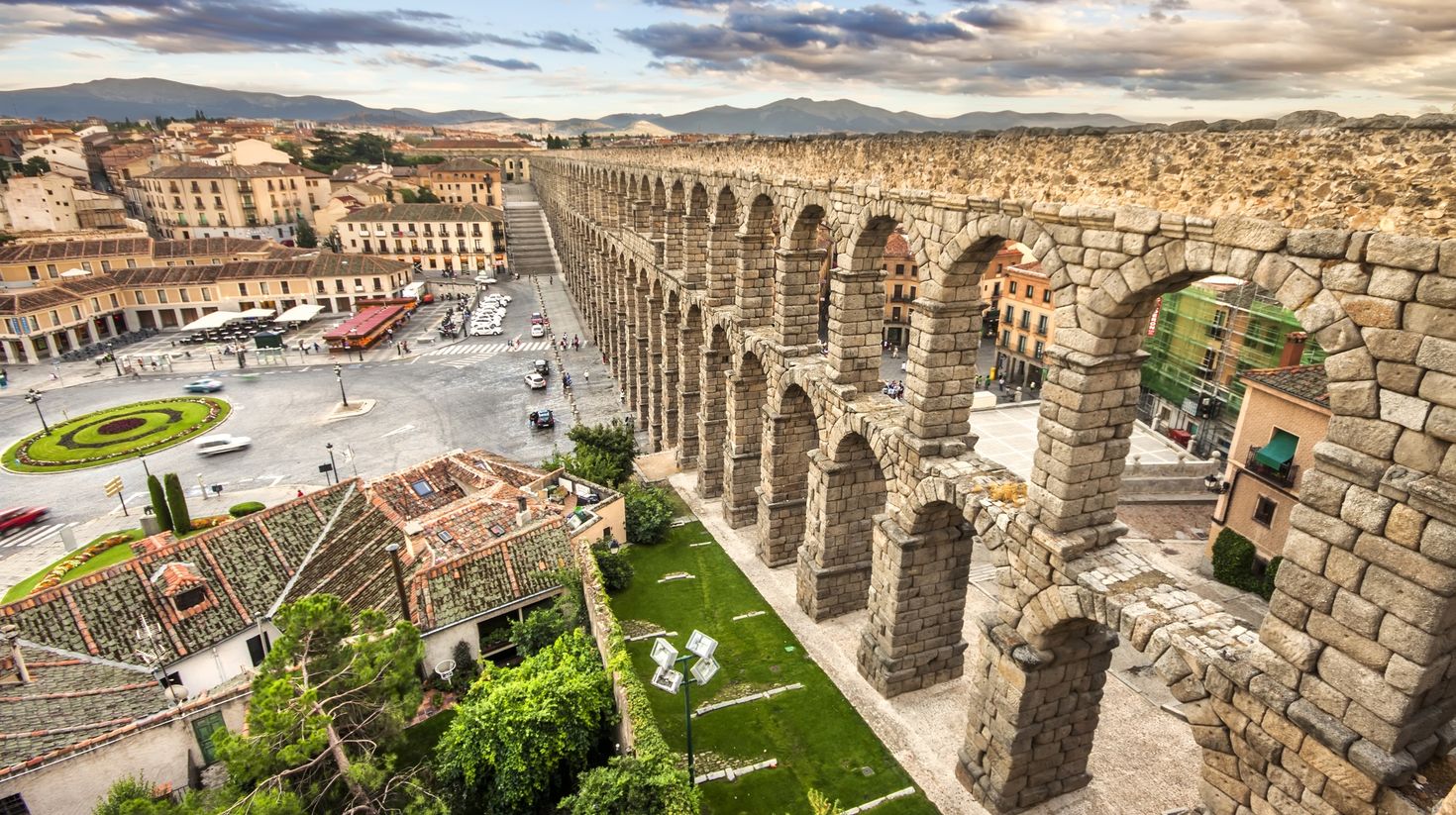
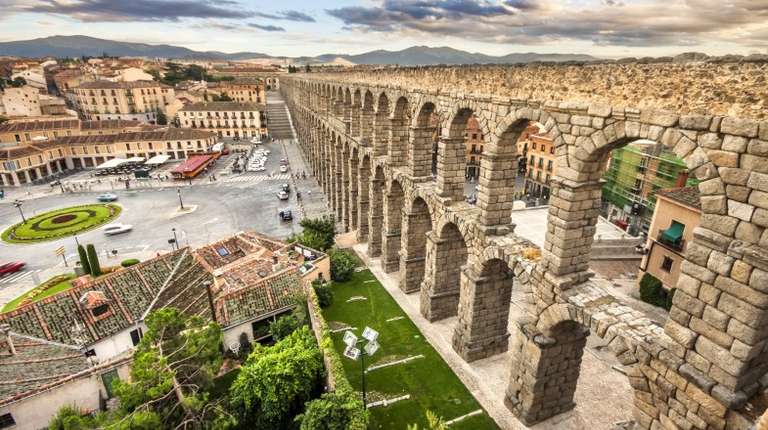
Few places are as universally picture-perfect as the UNESCO-listed Segovia. Its skyline is dominated by the multi-arched gothic-style Roman Catholic cathedral. But the unrivalled highlights are undoubtedly the fairytale-like medieval Alcazar and the 160 arches of the Roman mortarless granite aqueduct cutting through the old town.
Once the sun goes down, the subdued pace of the city accentuates the magical history-ridden atmosphere. Although it is possible to visit Segovia on a day trip from Madrid, this cobblestoned gem easily deserves your attention for a full weekend.
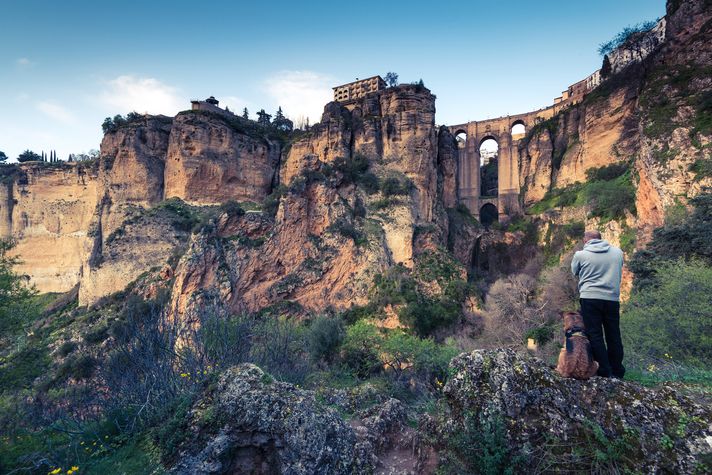
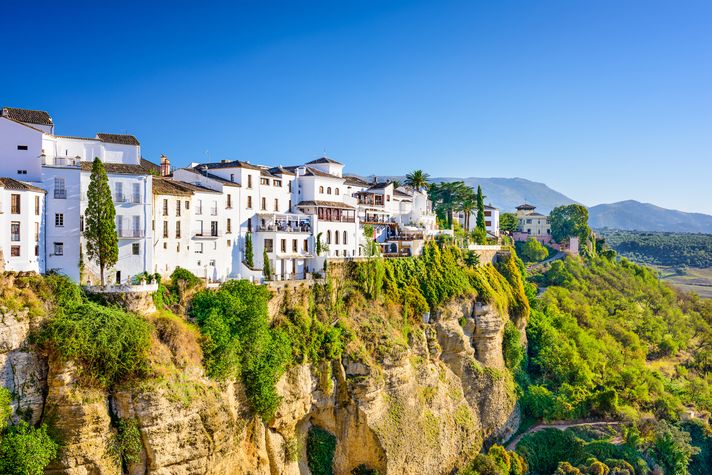
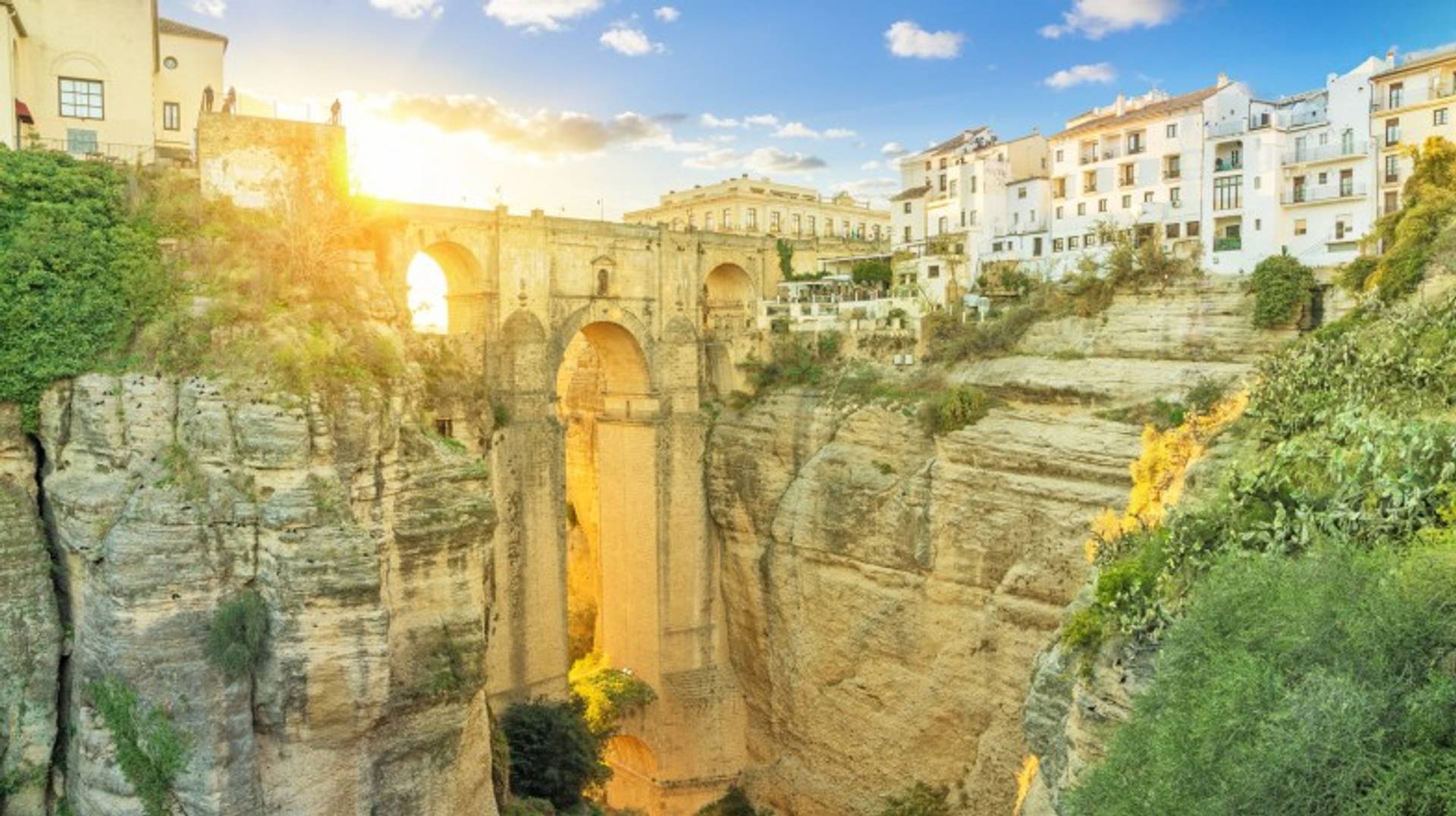
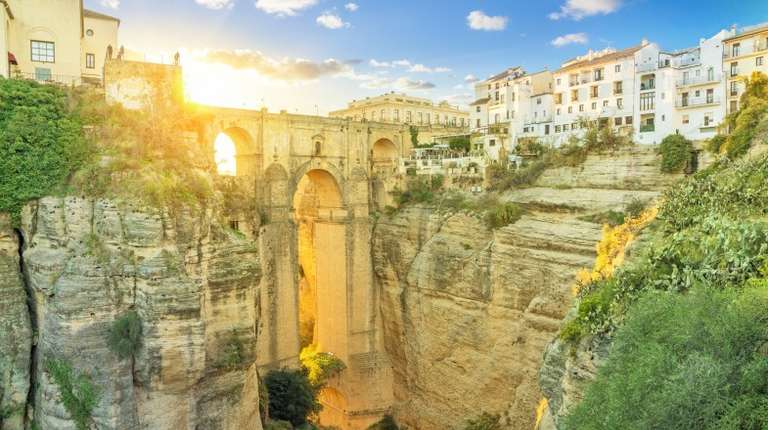
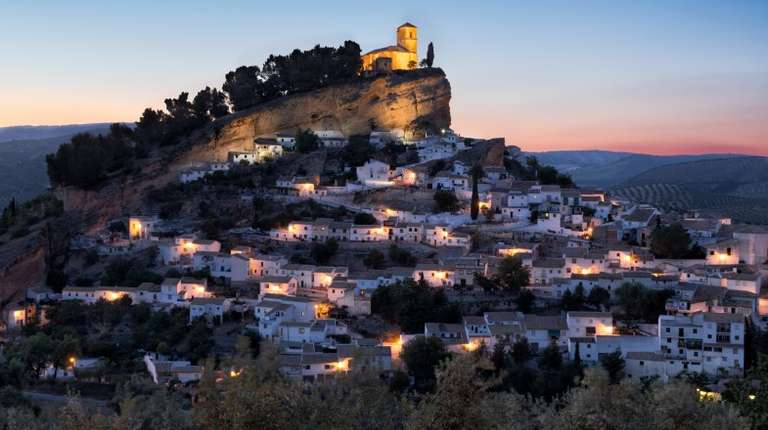
Ronda is a small town that makes a big impression. Dramatically set on top of the deep El Tajo gorge carved out by the Rio Guaddalevin, Ronda’s natural settings and whitewashed charm provide a welcome contrast to the big tickets of Andalucia like Seville and Granada.
The grounding for its reputation as the ‘romantic city’ and the ‘city of dreams’ is easily understood as one approaches Ronda. Although Punte Nuevo is Ronda’s most iconic landmark, the impressively preserved Arab Baths, splendid palaces, oval shaped Plaza de Toros, sinuous streets, ample vistas and neighbouring bodegas collectively make Ronda a must-see place.
- Santiago de Compostela
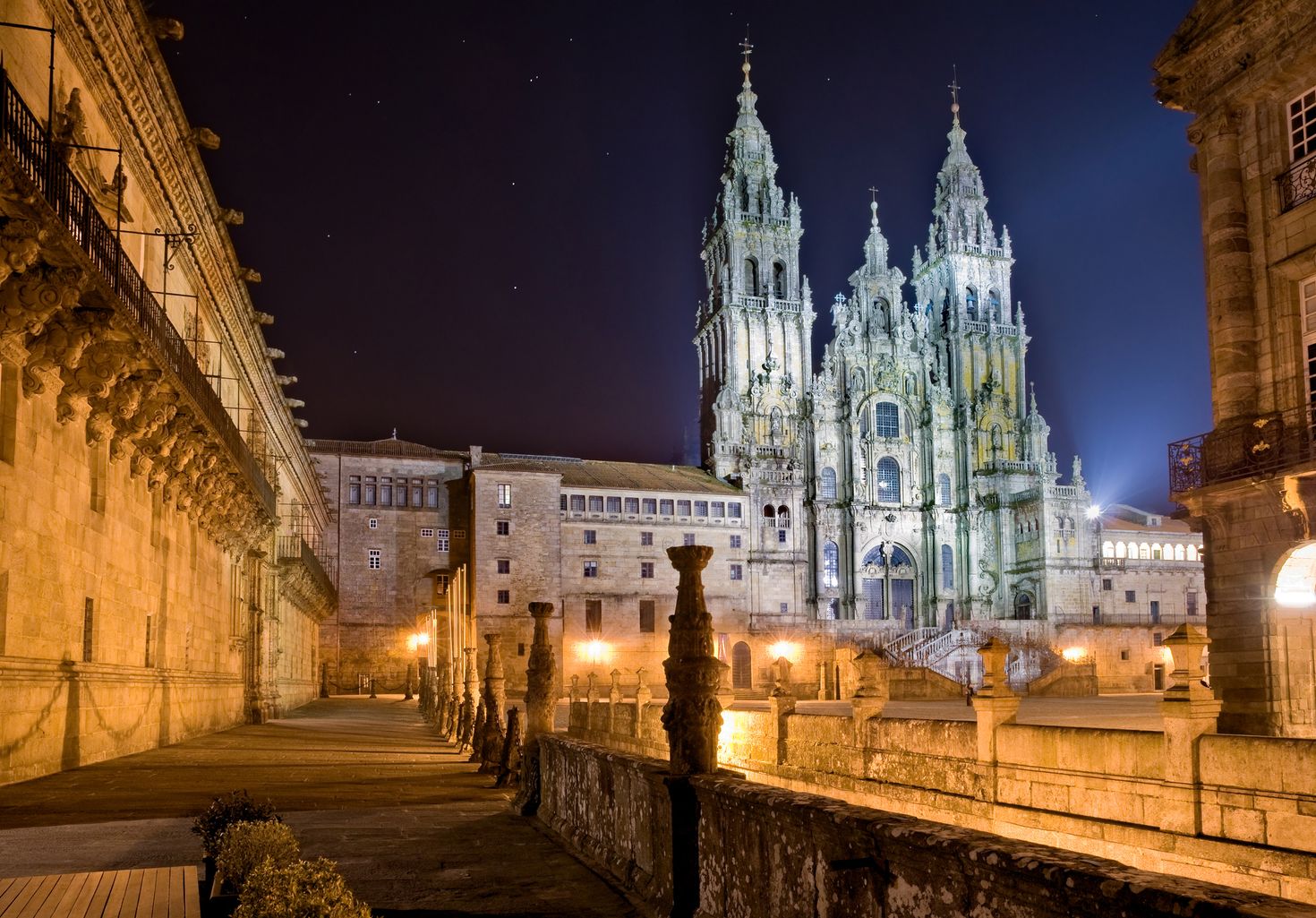
Europe’s most famous pilgrimage site, Santiago de Compostela, was reputedly built on the tomb of the apostle James. Annually, hundreds of thousands of pilgrims and other visitors flock to this site in Galicia, not discouraged by the near all-year-round precipitation. Although, many would argue that the rain only adds to the charm of the city by bathing the granite streets in a cover of shimmer.
Known for its religious significance, Santiago’s attractions do not end there. Dotted around the picturesque old town dominated by the splendid cathedral are excellent eateries serving famous Galician seafood delicacies. Stroll the streets listening to the background sound of bagpipes.
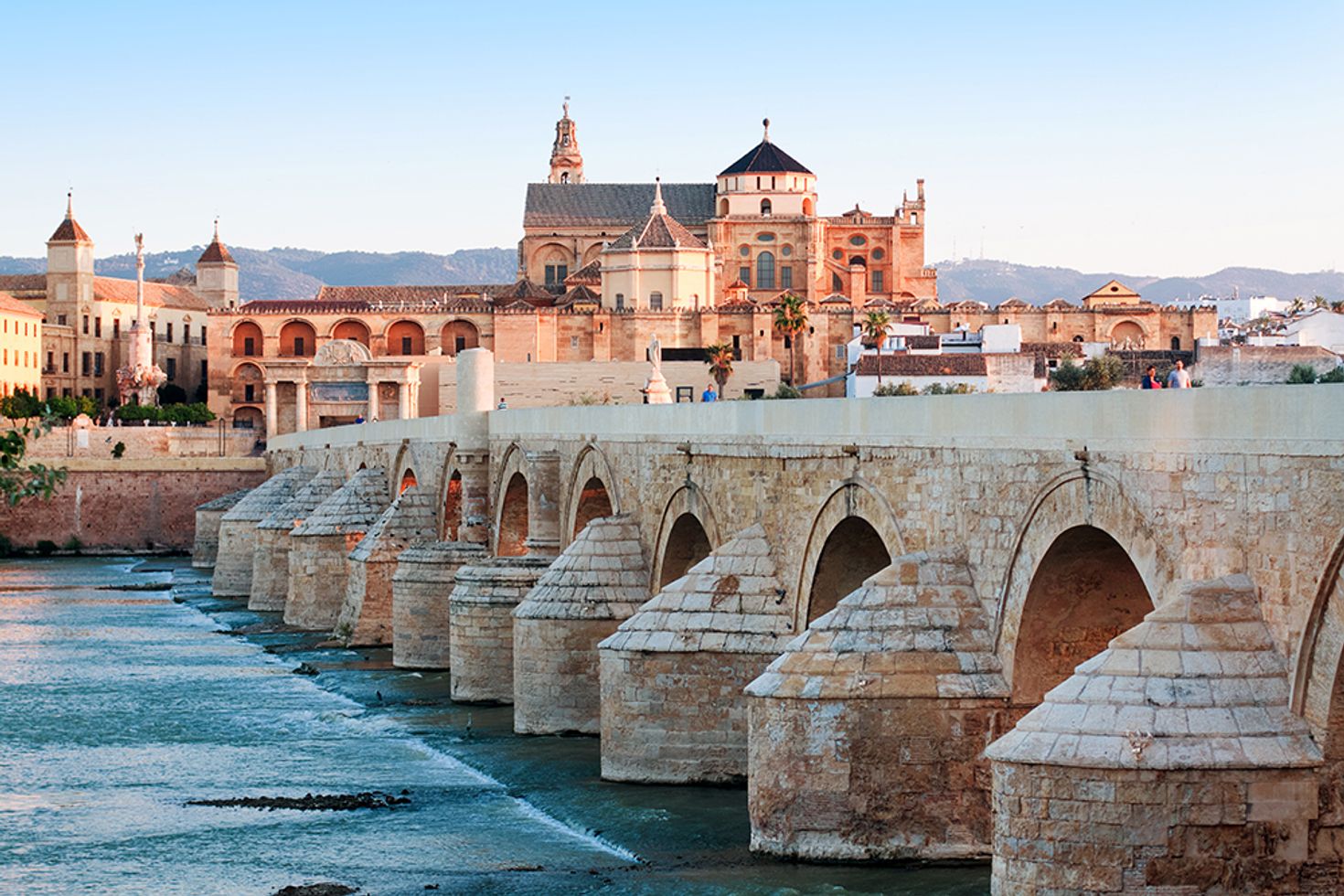
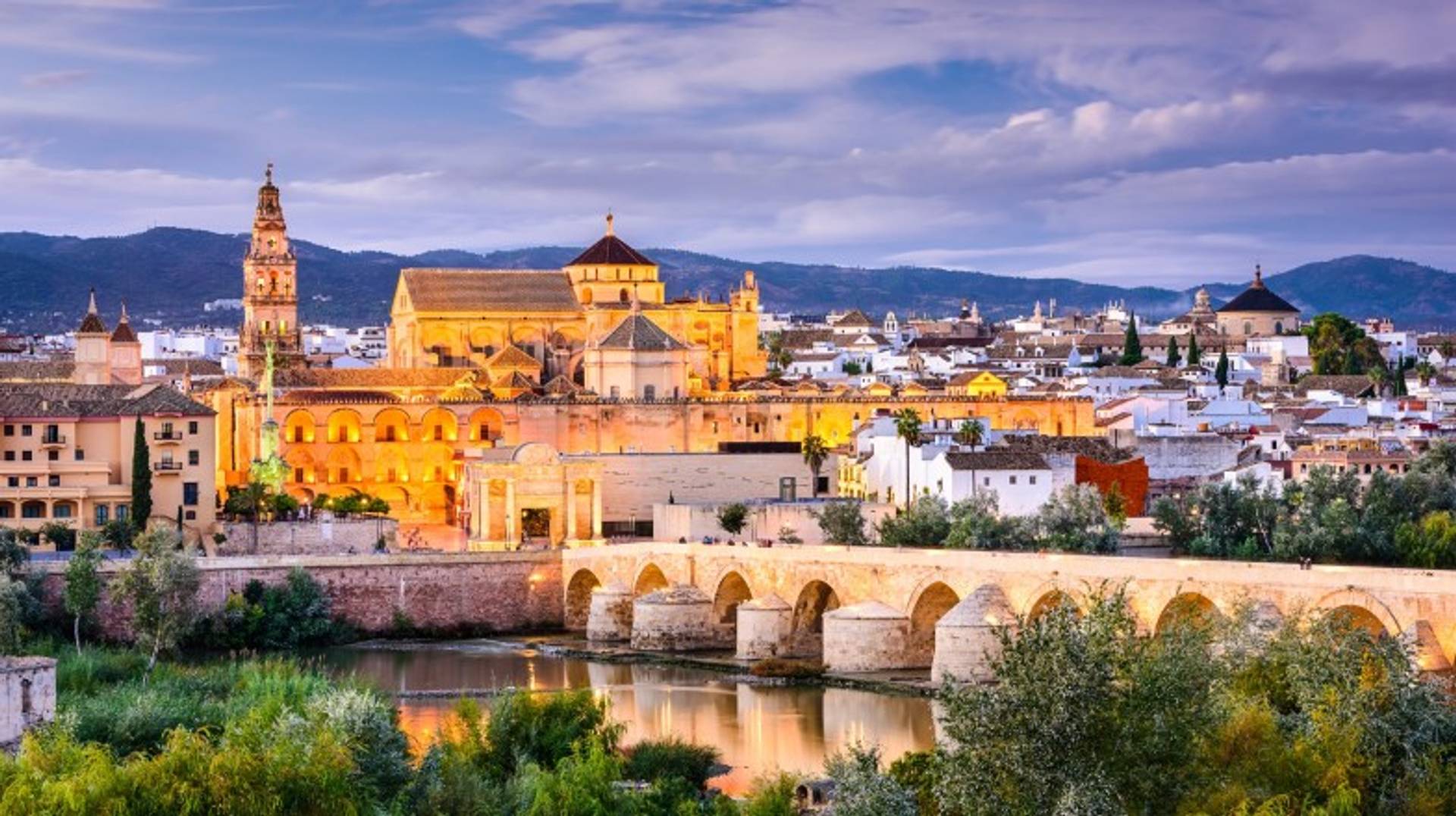
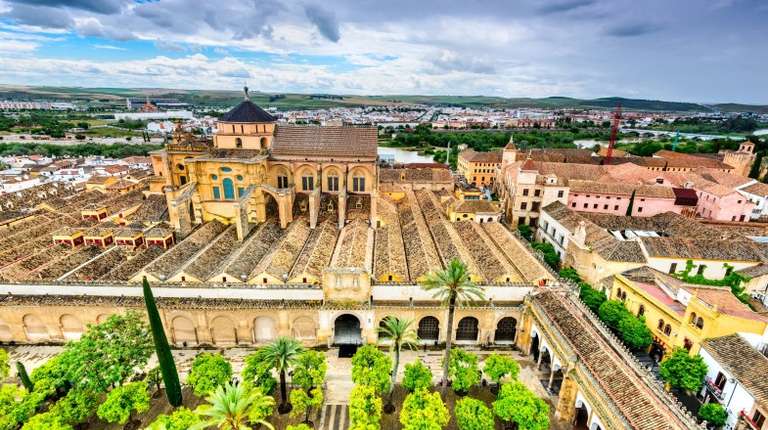
Cordoba’s glory as the capital of Islamic Spain and Europe’s biggest city more than a millennium ago is palpable within its walls. Aside from the hypnotic mosque, also know as the Mezquita, you can walk over the Roman Bridge, roam around the Palacio de Viana, marvel at the Alcazar de Los Reyes Cristianos or take a stroll through the Jewish quarter.
Despite its plethora of landmarks, Cordoba’s biggest charm lies in its narrow winding streets sprawling through the old town. Here you can admire the picture-perfect houses decorated with hanging flower pots, lush interior courtyards, tiled benches offering welcome rest and ornate iron balconies, gates and lamps painted in vibrant colours.
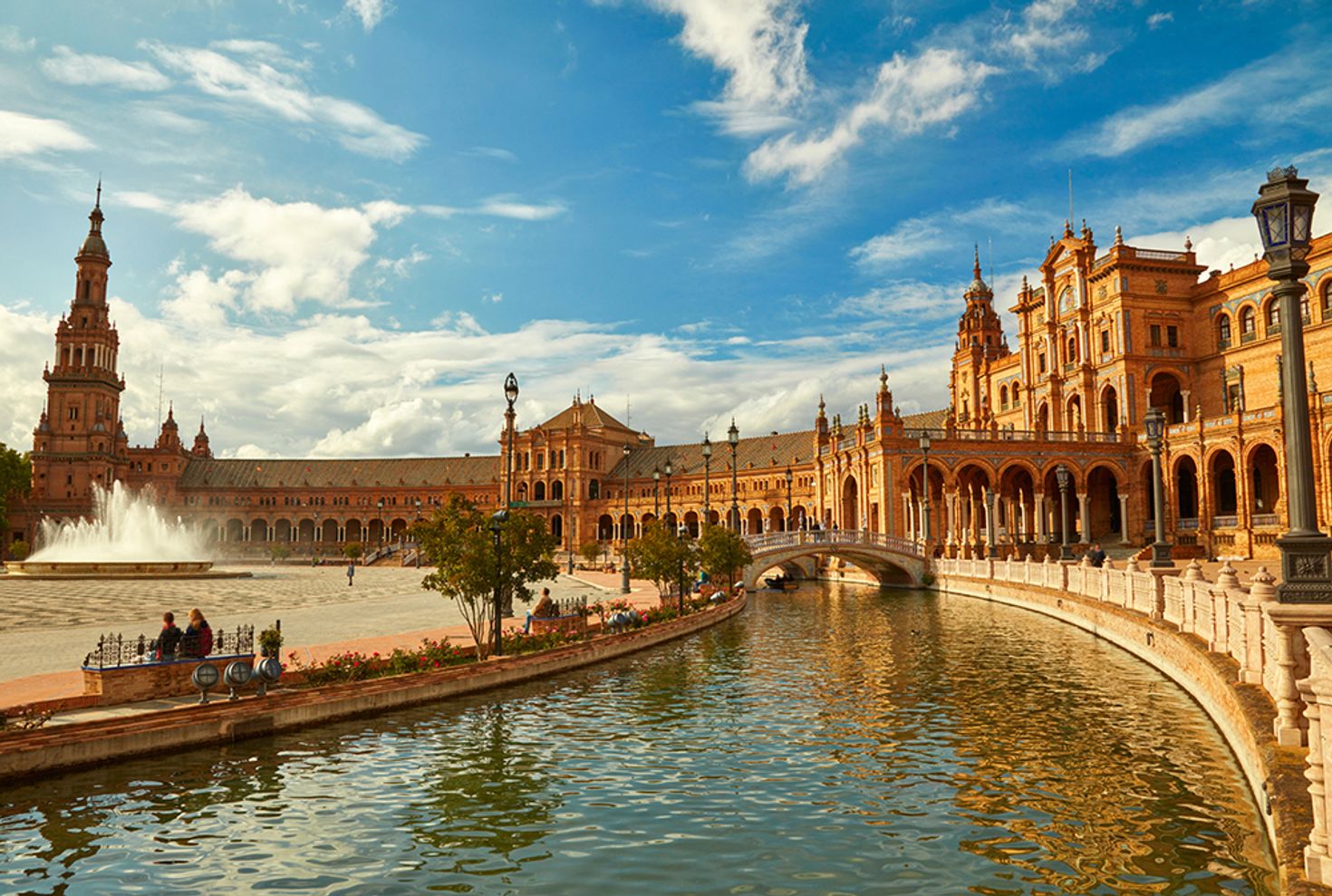
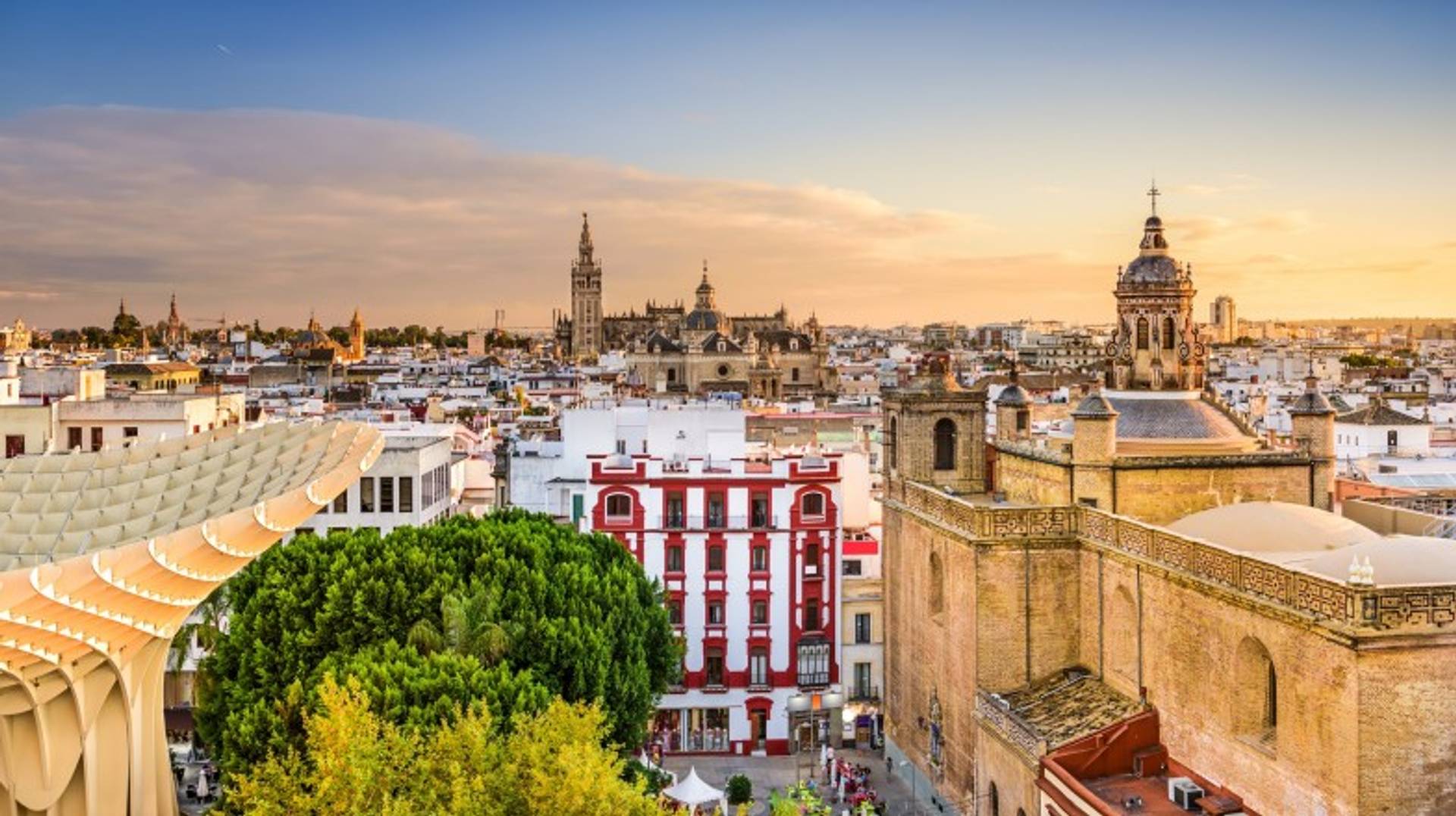
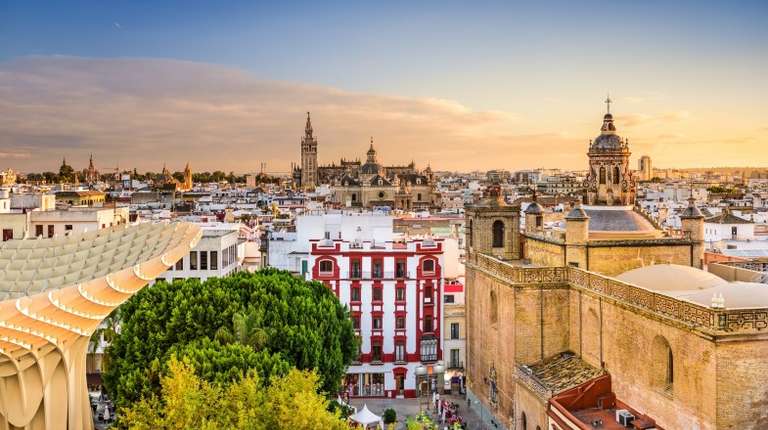
Possibly the most famous Andalusian city, Seville will not leave you wanting. This cosmopolitan giant has managed to hang on to its charming allure. And being the biggest city in Andalucía, it has something for everyone.
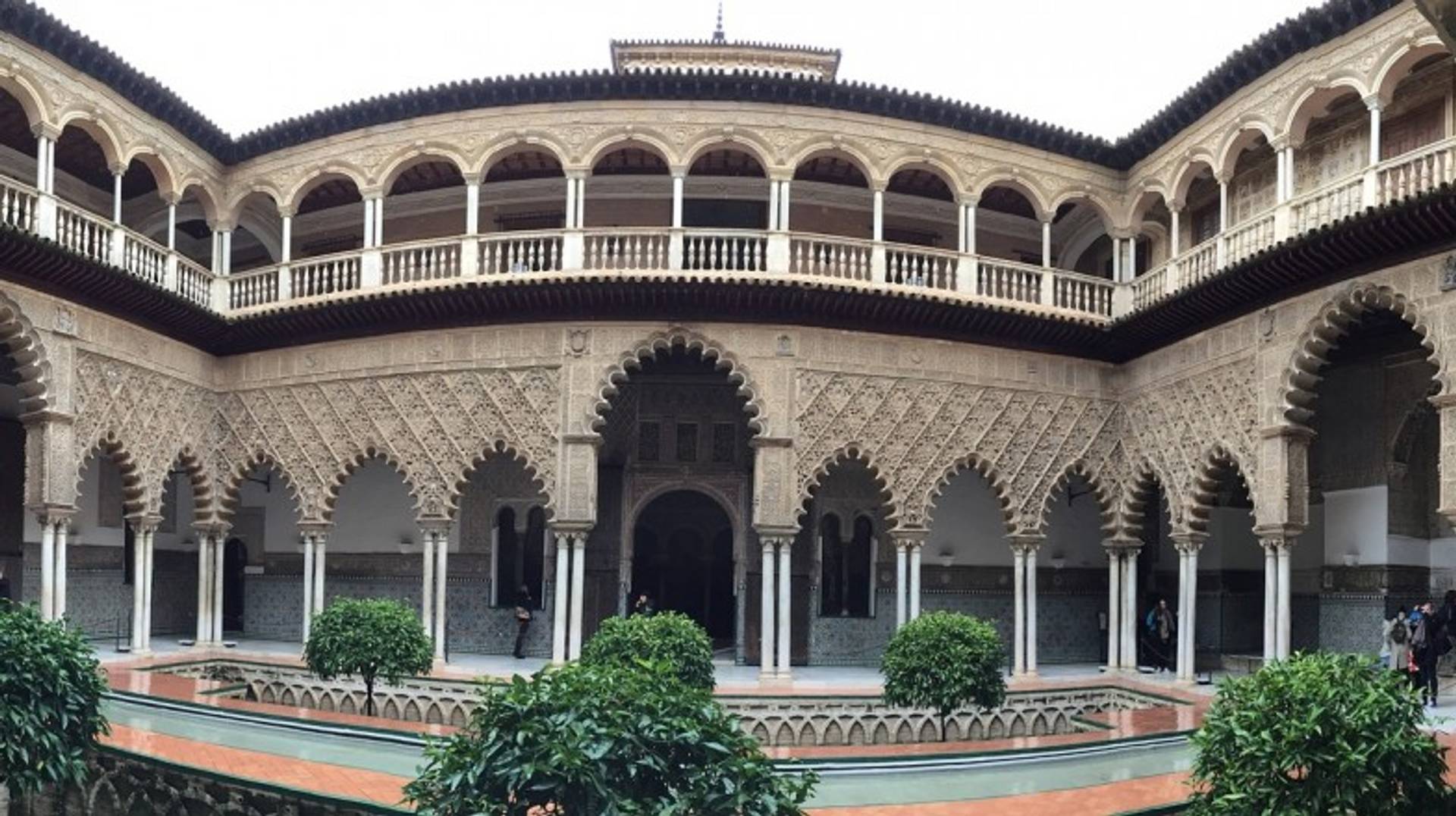
With the world’s largest Gothic cathedral looming over the historical centre, visitors are seduced to learn as much as enjoy and indulge. Flamenco shows, an inspiring food scene and pulsating street life take place amongst the plethora of historical monuments. Whatever you decide to do, don’t forget to pay a visit to the Real Alcazar de Sevilla, one of the most breathtaking royal palaces you are likely to see.
How long to stay in Spain
Popular durations for Spain:
Budget for Spain vacation
Take Holiday Packages in Spain or Go Solo?
Visas
What to pack
Good to know
Written by
For Akriti, writing found her long before her love for travel did; she blames her acute motion sickness for the delayed onset of the latter. But when the two interests did meet, it resulted in many memorable (and sometimes revolting) travel stories. As a traveler, she enjoys challenging treks as much as lazy walks on the beach. She hates road trips unless it is on the back of a truck or a motorbike. She loves good food; even more so when paired with a local drink. Readers will find her writing to be much like her hometown of Kathmandu—rich, soulful and quirky.
Read more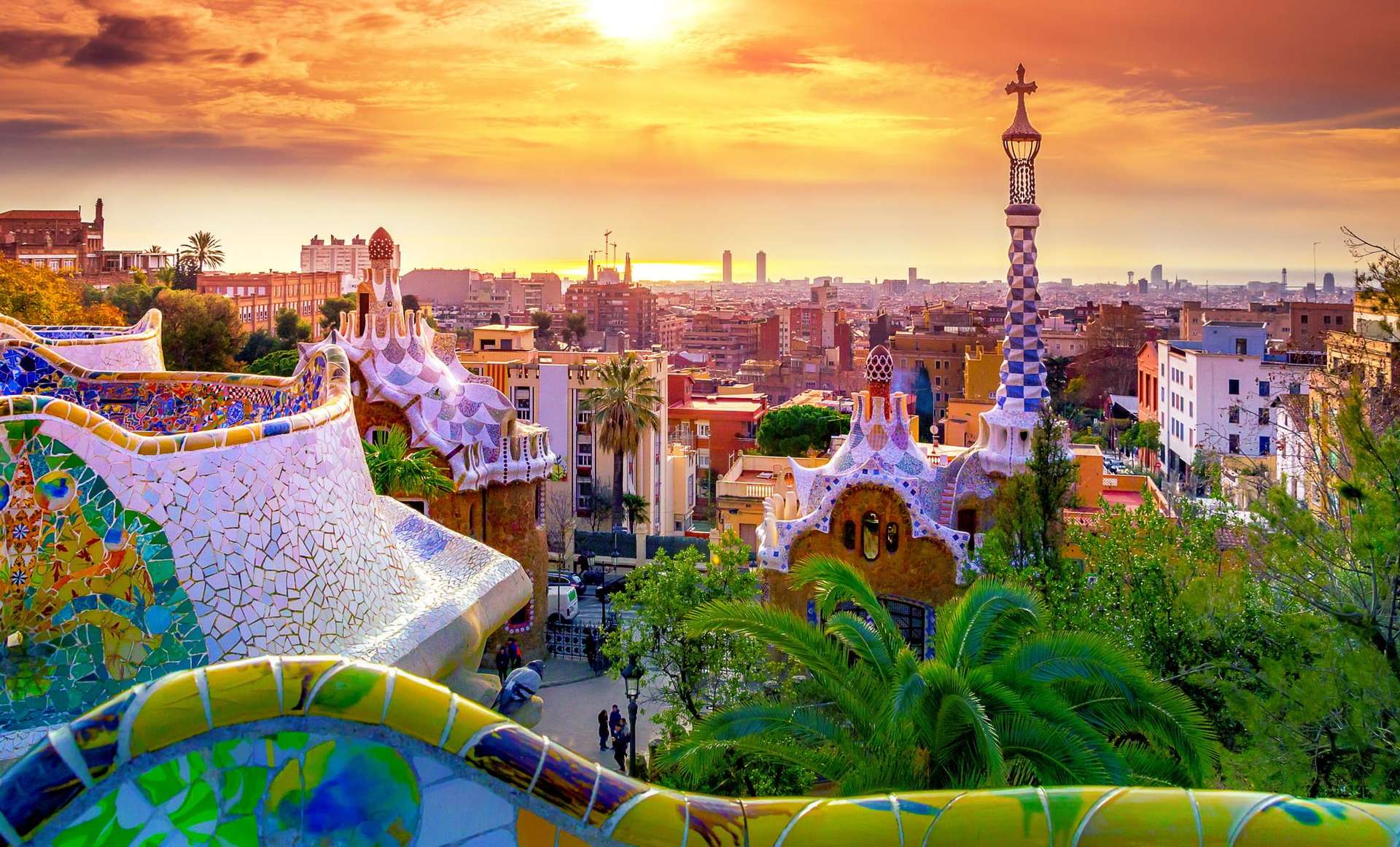

Continue reading Related Guides
Create your custom-made trip to Spain
Traveling to Spain? Chat with a local travel specialist who can help organize your trip.
 Giulia MontresorTravel Expert in Spain
 Rosa LaraTravel Expert in Portugal & Spain
 Steven VigorTravel Expert in Egypt, France, Italy, Japan, Morocco, Philippines, Portugal, Spain, Switzerland & Tunisia






Why Book with Bookmundi?
A strict screening process ensures that we only offer high quality, vetted tours and trip packages globally. The result? 4.8 of 5 stars out of more than 25,000 trip ratings.
All tours booked through Bookmundi are 100% carbon offset. Every quarter, we invest in carbon reduction projects around the world—at no extra cost to you.
Read how
 4.7(850 reviews)
 Trustpilot4.8(148 reviews)