Highlights
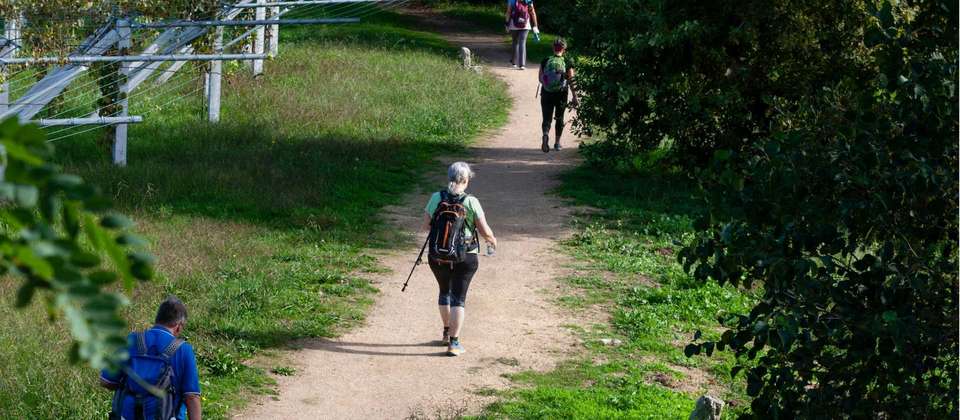
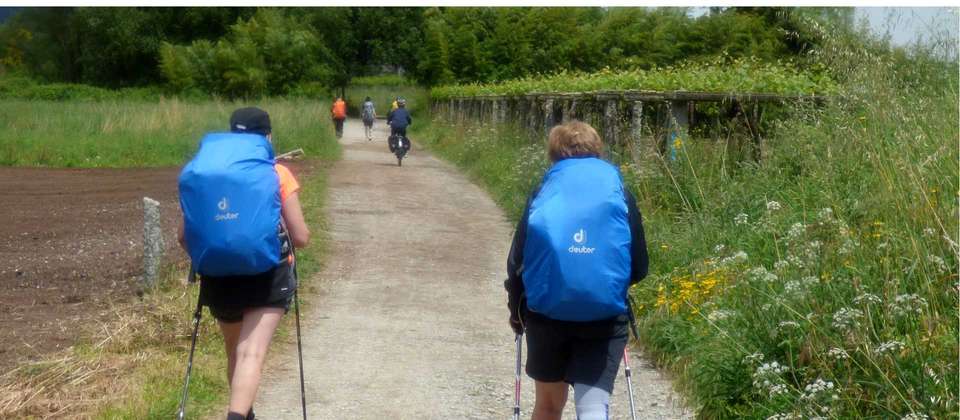
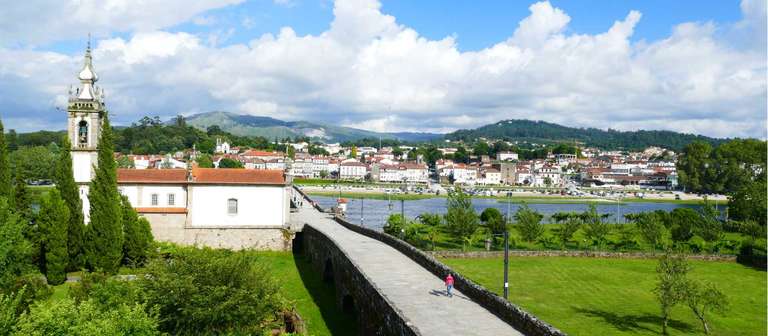
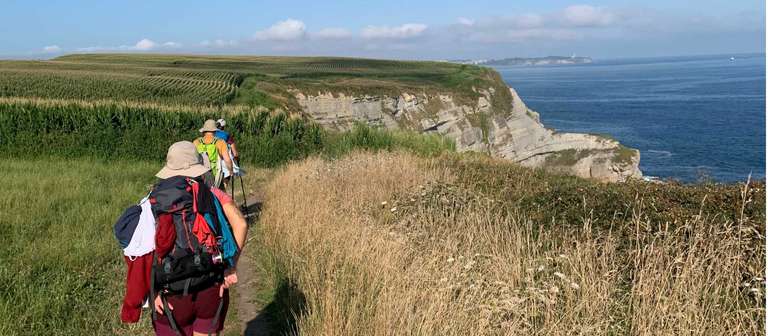
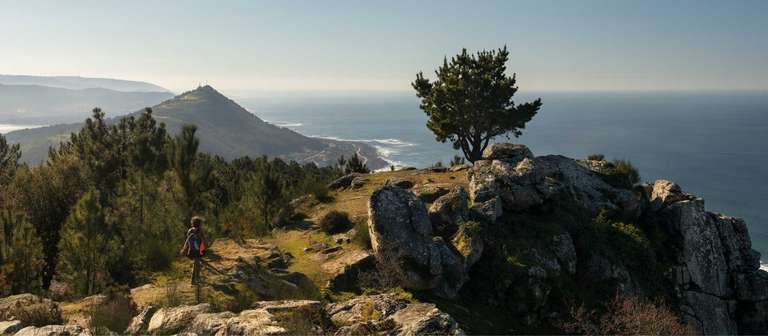
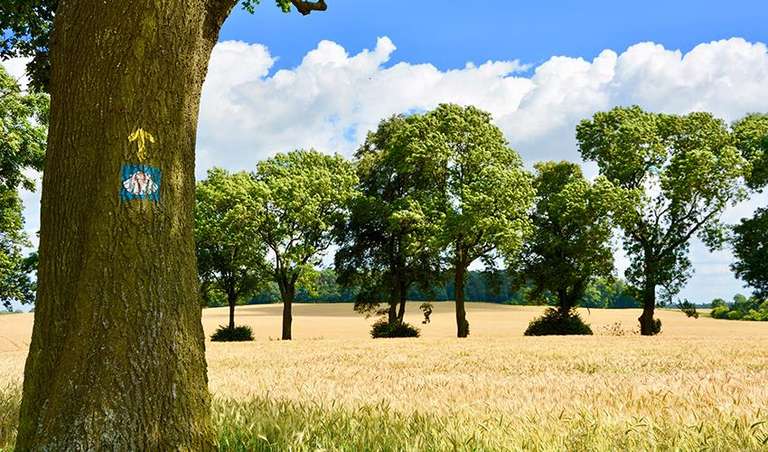
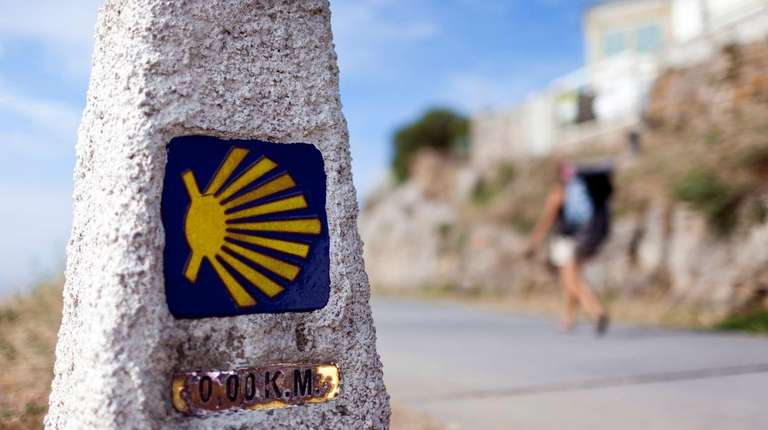
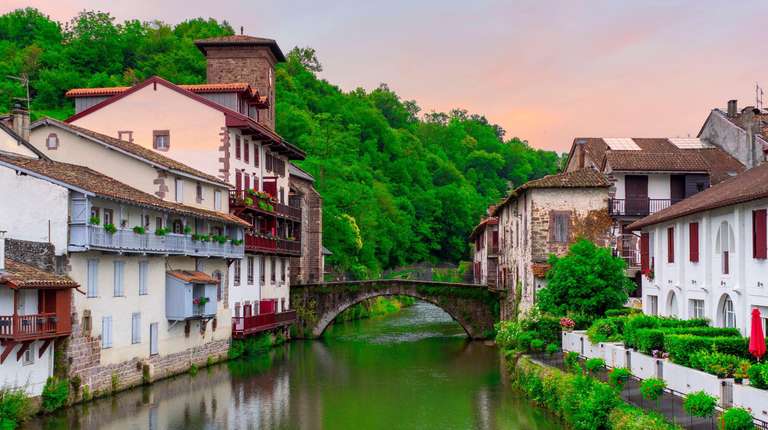
Enjoying a quieter pilgrimage route, following in the footsteps of Celtic, Roman and Christian wayfarers
Experiencing the culinary delights of the different regions you walk through
Walking across the Spanish border and in to the famed town of Santiago de Compostela
Relaxing at night in comfortable, family run hotels and B&Bs
Itinerary
Walk in the footsteps of history on the "Full Portuguese Camino" tour, a 32-day self-guided pilgrimage from Lisbon to Santiago de Compostela. This extensive walking tour spans iconic cities and serene countryside, including Tomar, Coimbra, Porto, and Padrón, following the route taken by St James’ body to its final resting place. Each day’s gentle terrain reveals Roman ruins, Templar castles, and sweeping valley views, culminating at the famed cathedral in Santiago. The unique selling point: this tour package offers the most spiritually rich and visually diverse Camino experience, perfect for travelers seeking a profound, month-long journey through Portugal and Spain’s cultural heartlands.
day 1 - Arrive Lisbon
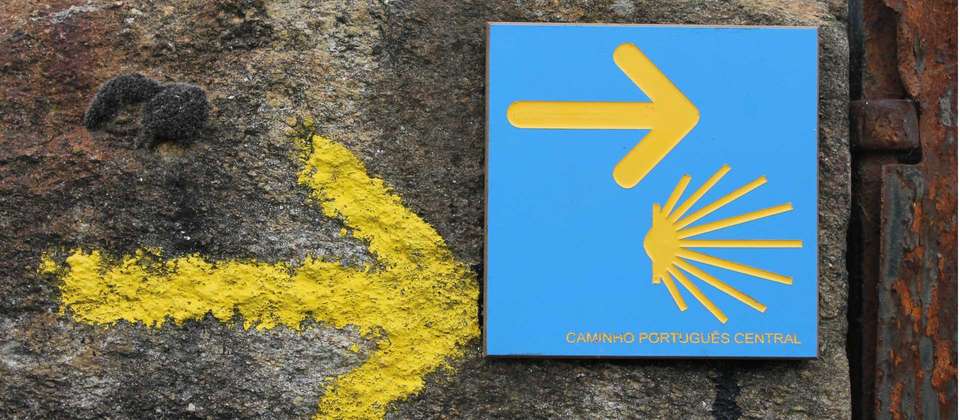
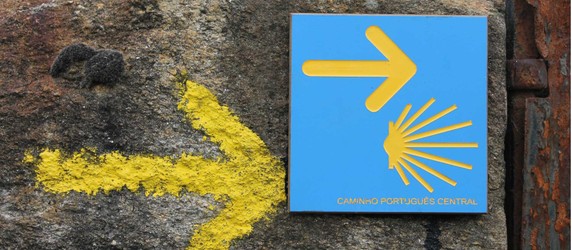
Lisbon is the capital of Portugal and one of the world’s oldest cities: known as Olispio by the Romans, settled by the Visigoths and the Arabs before becoming the base for the “Discoveries" – Columbus, Magellan and Vasco de Gama all set sail from here. An earthquake in 1755 destroyed many buildings and dramatically brought an end to this powerful empire. The UNESCO-listed monastery in Belem still stands and is definitely worth a visit, as is the Alfama district for ‘fado’ (music) – or simply enjoy a stroll through the streets of this beautiful city. You will find the first waymark of your Portuguese Camino at the Cathedral.
day 2 - Transfer to Santa Iria de Azoia and walk to Vila Franca de Xira (4.5hrs)
Transfer to Povoa de Santa Iria de Azoia (at 8.30am, 20mins) where your walk commences. Initially walking through industrial outskirts and modern suburban developments, the last 4km from Alhandra to Vila Franca is riverside and pleasant. Once a Crusader town, Vila Franca is known today for breeding fighting bulls (its Festa do Colete, ‘running of the bulls’, is held in early July). Nearby is a large wetland reserve, home to vast flocks of migrating fowl. Overnight in Vila Franca de Xira.
Distance 16km/10mi, ascent/descent approx 130m/427ft
(It is possible to walk from Lisbon however the day is very long, approx 9-10hours. Lisbon-Santa Iria is 20km/13km).
day 3 - Along the river to Azambuja (5-6hrs)
Continue along the river, through flat agricultural land – and a couple of industrial zones – to Azambuja, gateway to the fertile floodplains of the Tagus. Azambuja was home to one of Portugal's most famous female matadors, Ana Maria, and its 'running of the bulls' festival is held in May. Overnight in Azambuja.
Distance 20km/12.5mi, ascent/descent approx 75m/246ft
day 4 - Through 'the market garden of Portugal' to Santarem (8hrs)
Today’s walk follows farm tracks through ‘the market garden of Portugal’, the rich floodplains of the Tagus. Here you’ll find fruit, vegetables and vineyards. Walk via riverside villages before the short steep ascent to Santarem. Once an administrative centre of the Romans, the town was settled by the Moors and considered unassailable until its recapture by the Portuguese in 1149. The beautiful main square is surrounded by churches, and don’t miss the ceramic tiled Igeja de Marvila and the view from Portas do Sol. Overnight in Santarem.
Distance 33km/20.5mi, ascent 247m/810ft, descent 148m/485ft
day 5 - Walk to Golega (8hrs)
Today’s walk continues on rural tracks and lanes through vineyards, cornfields and villages along the Tagus. If the weather is dry, consider leaving the new path to visit the town of Azinhaga, birthplace of Portugal’s 1998 Nobel Prize winning writer, Jose Saramago. At Golega, the 16th century Parish Church has a beautiful Manueline (Portuguese Gothic) gate and its museum owns a collection of sculptures by Martins Correia. Nearby is the Paul do Boquilobo Nature Reserve, the marsh habitat and breeding ground of several species of water fowl (April to June). Golega’s famous horse fair is held in early November. Overnight in Golega.
Distance 33km/20.5mi, ascent 264m/866ft, descent 347m/1138ft
day 6 - Through Templar country to Tomar (8hrs)
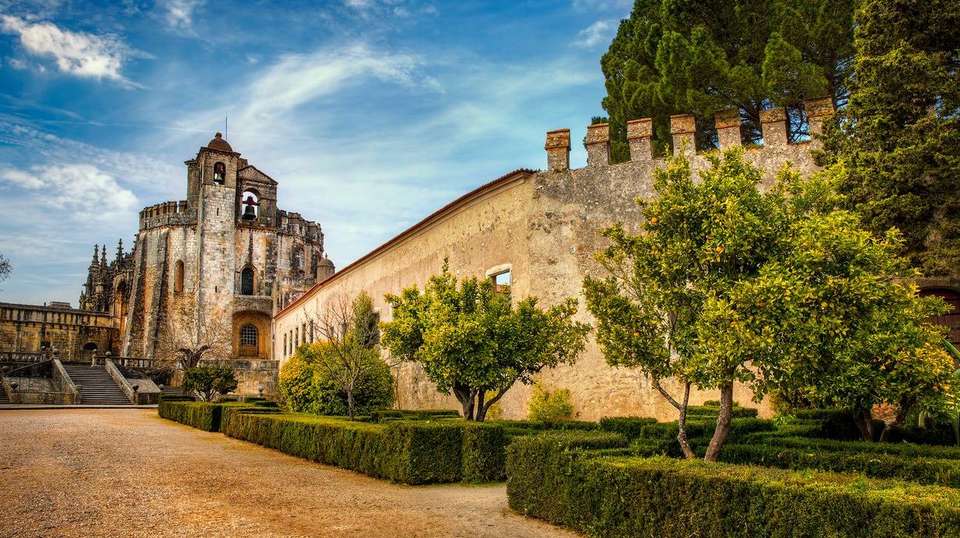
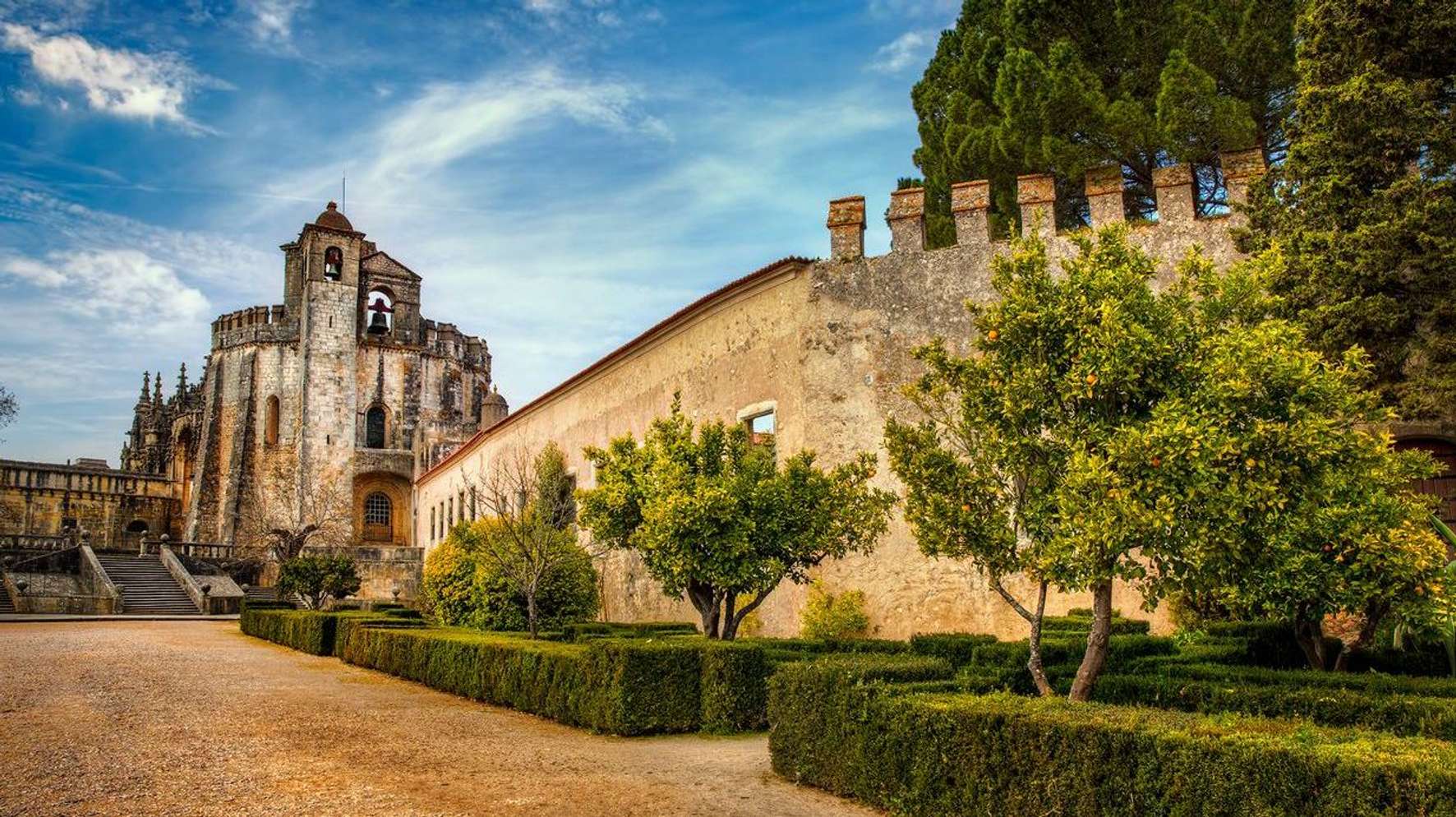
Walk along the Tagus via the abandoned Quinta da Cardiga with its Manueline portal and 16th and 17th tiles. The countryside changes from alluvial plains to undulating hills as you head away from the river. Continue through woodlands and several villages then follow the Nabao river to historic Tomar. In the late 12th century, Tomar’s castle was the headquarters of the Portuguese Templars and the town remains an archetype of Templar layout and architecture. Don’t miss the richly embellished Charola or Round Church in the Convent of Christ. Lots to see and a great feel make Tomar an ideal town for a rest day (must be requested at time of booking). Overnight in Tomar.
Distance 30km/18.8m, ascent 588m/1929ft, descent 562m/1844ft
day 7 - Through diverse landscapes to Alvaiazere (8hrs)
This stage has diverse landscapes. It crosses pastures with holm oaks, olive trees and some pines, interspersed with areas of orchards and fruit trees. There are constant ascents and descents and the walk is peaceful despite being long and mostly on paved roads. Overnight in Alvaiazere.
Distance 32km/20mi, ascent 960m/3150ft, descent 700m/2296ft
day 8 - Walk to Alvorge (6hrs)
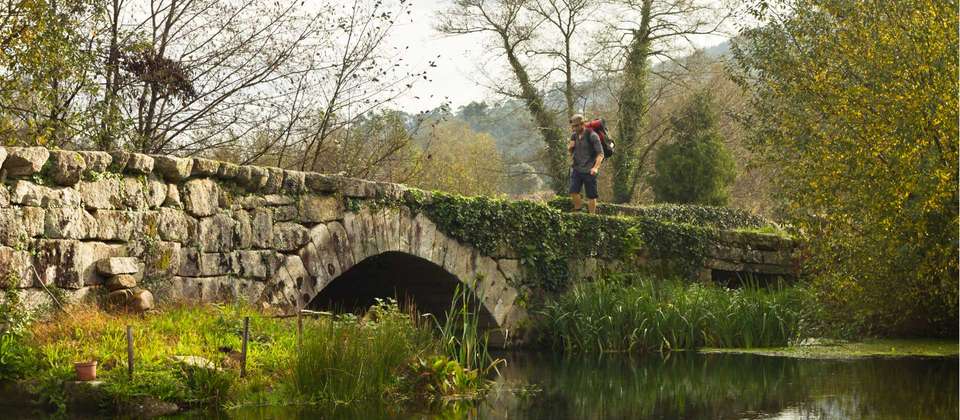
An easier walk today, this stage has beautiful stretches among olive and holm oak trees, but with rocky paths and paved tracks. There are many little hamlets en route and the mid-way town of Ansiao has a Saturday farmers' market. Cross the 17th bridge leaving Ansiao before heading along forest track through pines and eucalypts, where sap is collected in the traditional method. Continue to the attractive town of Alvorge for your overnight stay.
Distance 23km/14mi, ascent 663m/2175ft, descent 681m/2234ft
day 9 - Continue to Condeixa a Nova (6-6.5hrs)
Today's walk takes you through a variety of landscapes and across undulating terrain, mostly through farmlands on unpaved paths. You pass the Roman ruins at Conimbriga where you can stop and discover the many mosaics before continuing to the town of Condeixa a Nova where you stay tonight.
Distance 22km/14mi, ascent 370m/1214ft, descent 558m/1830ft
day 10 - To Coimbra (4hrs)
Today you continue along paved roads and through small hamlets. It's more urban than previous days. The trail is undulating around the town of Palheira. Along the way, Cruz dos Mourocos has remnants of a Roman aqueduct and the town of Santa Clara has a dramatic and somewhat macabre story: Dona Ines de Castro secretly wed Pedro, son of King Alfonso IV, and was tragically murdered by the King as he feared her Spanish heritage. On his father’s death and subsequent coronation, Pedro exhumed Dona Ines' corpse, crowned it and forced courtiers to pay homage and kiss her decaying hand, in revenge. Cross the Mondego River to Coimbra, a thriving university town with many historic buildings. Overnight in Coimbra.
Distance 16km/10mi, ascent 380m/1247ft, descent 460m/1509ft
day 11 - Rest day in Coimbra
Day at leisure in Coimbra with free time to relax or explore the town.
day 12 - Walk to Mealhada (5-6hrs)
The trail today has gentle ascents and descents, following river valleys and irrigation channels along a mix of asphalt and Roman roads. Passing through the villages of Trouxemil, Sargento-Mor, Santa Luzia and Mala. arrive in Mealhada, once a major Roman crossroads. It is now best known for leitão da bairrada, suckling pig. Pigs from the surrounding Barraida region are acorn fed and considered the best in Portugal. Mealhada is also well known for its wine. Overnight in Mealhada.
Distance 23km/14.4mi, ascent 450m/1476ft, descent 430m/1410ft
day 13 - Walk to Agueda (6hrs)
Today the path is gently undulating along the Certima river valley. It is mostly along roads with pockets of vineyards and woodland tracks. You'll pass through the town of Avelas de Caminho with its pretty Manueline featured Quinta de Grimpa. Continue to Agueda after crossing the river and the old bridge Ponte Velha. Overnight in Agueda.
Distance 26km/16.2mi, ascent 510m/1673ft, descent 550m/1805ft
day 14 - Continue to Albergaria (4-5hrs) and transfer back to Agueda for overnight
The path is quite flat except for a small ascent into Albergaria. Most of the stage is paved, passing through small villages such as Mourisca do Vouga, Pedaçães and Lamas do Vouga. Walk along the original Via Romana XVI and across the restored bridge Marnel towards Albergaria, founded in 1120 to provide refuge to pilgrims on the Camino. This afternoon (4pm) transfer back to Agueda for your overnight stay.
Distance 16km/10mi, ascent 320m/1050ft, descent 220m/722ft
day 15 - Transfer to Albergaria and walk to Oliveira de Azemeis (5-6hrs)
After breakfast, transfer to Albergaria to re-commence your walk. The terrain is undulating, taking you through through pine and eucalypt forests and local villages. Between Albergaria a Velha and Albergaria a Nova, follow dirt paths passing through eucalyptus forests and later the Via Férrea do Vouga railway line is crossed on several occasions, requiring care. Oliveira has an old centre, the Matriz de Sao Miguel church and a row of fine houses dating from the 1800s, built by prosperous emigrants returning from Brazil. On the 2nd Sunday in August, festivities honouring Our Lady of La Salette are very popular. Overnight in Oliveira de Azemeis.
Distance 20km/12.5mi, ascent 470m/1542ft, descent 370m/1214ft
day 16 - Walk to Malaposta (4-5hrs)
Today’s walking is over rolling hills and through more urban areas including the town of Sao Joao da Madeira. The route is almost entirely on roads today as a result. Follow a section of the original Roman Via XVI via Arrifana to Malaposta.
If you’d like to visit the historic town of Santa Maria de Feira, this can usually be arranged with the hotel staff (payable locally). It has an immaculately maintained castle and in early August hosts the Viagem medieval festival, with re-enactments, markets and entertainment. Overnight in Malaposta.
Distance 16km/10mi, ascent 455m/1493ft, descent 370m/1214ft
day 17 - To Porto (6.5-7hrs)
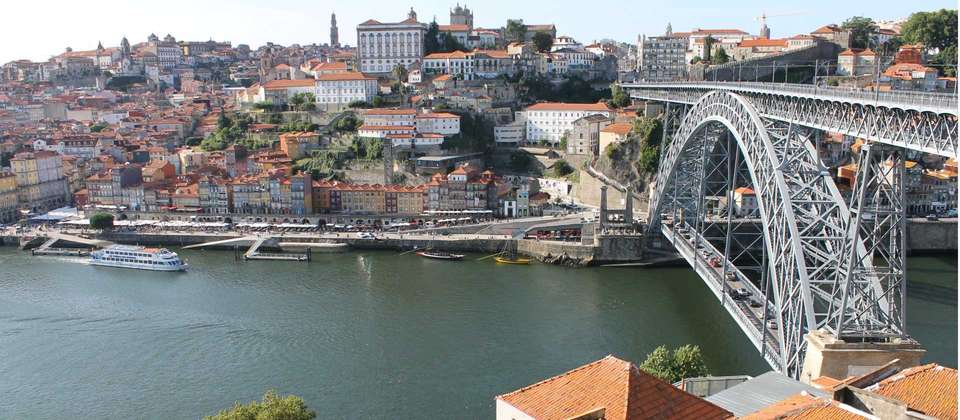
Leaving Malaposta on the original cobbled Roman road, the path leads to Grijo. Its 13th century monastery Mosteiro San Salvador, first consecrated in 1235, has long been an important stop along the Camino. Continue to Porto, crossing the Puente del Rey Don Luís I bridge over the Douro River. Its maritime legacies and importance as a New World trading port shaped it into a proud city, with an impressive cathedral and port wine lodges. After checking in to your hotel, take the time to explore the city with its many cultural sites. Overnight in Porto.
Distance 27km/16.8mi, ascent 530m/1738ft, descent 775m/2542ft
day 18 - Rest day in Porto
Today you are free to explore Porto and sample the local port wines and cuisine.
day 19 - Transfer to Vilar do Pinheiro and walk to Arcos (4hrs)
This morning a transfer (at 8.30am) will take you from your hotel in Porto to the small town of Vilar do Pinheiro, where today's walk starts. It's an easy walk in part through woodland trails to the rural town of Arcos, where you stay overnight.
Distance 18km/11.25mi, ascent/descent approx 250m/820ft
The transfer enables you to avoid the urban sprawl of Porto, taking you directly into a rural landscape, however if you want to walk this section we suggest doing it the previous day and taking a taxi or bus back to your Porto hotel. (Walking the full distance Porto-Arcos is 35km/22mi, 8-9hrs, ascent/descent +570m/1870ft, -590m/1935ft).
day 20 - Walk to the market town of Barcelos (5hrs)
The trail today takes you through cultivated fields and villages including Sao Pedro de Rates with its church of St Peter, and over the Monte Franqueira, before reaching Barcelos. There is an alternative route for a small section, via the ruins of the Castelo de Faria. Arriving in Barcelos you are in for a treat. With its impressive medieval bridge, Barcelos is treasured for its history and legends (eg. the Barcelos cockerel) as well as its famous roast chicken (Frango assado). The feast of the crosses is held on 3 May each year in its octagonal shaped baroque church. On Thursdays the Campo da Feira becomes one of Portugal's most atmospheric marketplaces. This is a nice town to add a rest day (must be requested at time of booking). Overnight in Barcelos.
Distance 20km/12.4mi, ascent/descent approx 730m/2395ft
day 21 - Continue to Balugaes (4.5hrs)
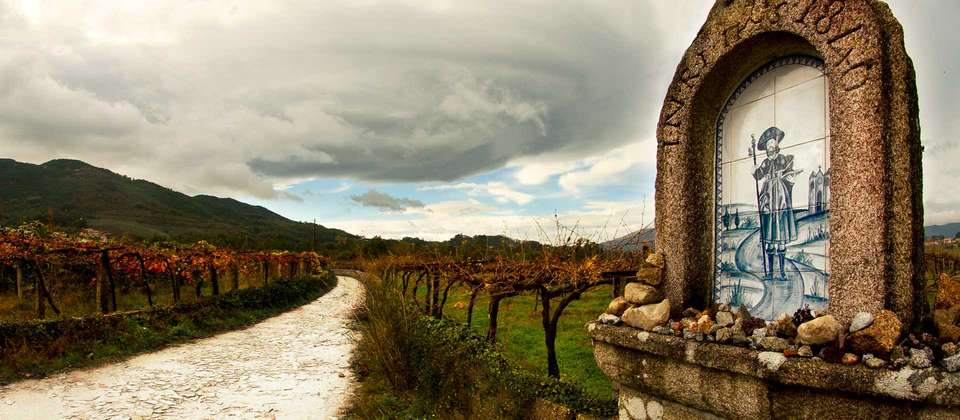
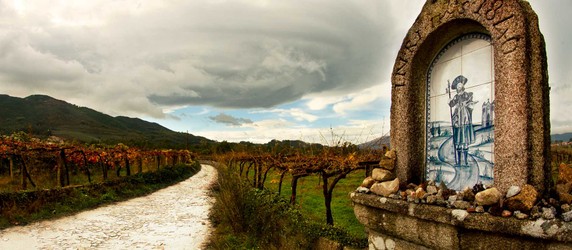
Today's route takes you through a wine region, past small villages with pretty gardens and many baroque chapels on your way to the small and quiet town of Balugães, a traditional resting point on the Camino Portuguese. There are moderate slopes and some steep climbs, the most notable being to Portela de Tamel. Overnight in Balugaes.
Distance 16km/9.9mi, ascent 560m/1837ft, descent 510m/1637ft
day 22 - Walk to Ponte de Lima, the oldest town in Portugal (5.5hrs)
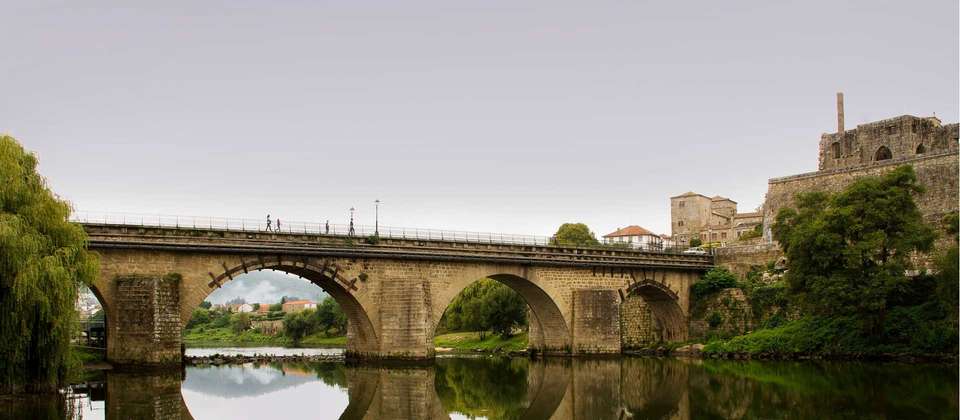
Walk on moderate slopes through rural landscapes, enjoying panoramic views on your way to Ponte da Lima, the oldest town in Portugal. On arrival, the cobblestone streets are a delight to explore and there are many points of interest including museums, historic houses, a prison tower (now a library) and the main square, Largo de Camoes. The medieval bridge spanning the Lima River has Roman foundations but was rebuilt in 1368. Many festivals also take place here including Vaca das Cordas in June, medieval markets in August, and Feiras Novas in late September, a party which goes on for 3 days. Overnight in Ponte de Lima.
Distance 18km/11.3mi, ascent 630m/2067ft, descent 715m/2345ft
day 23 - Along delightful trails and via Alto da Portela Grande to Pecene (6hrs)
Today on the trail much of the route will be unpaved, running through farmland, rural areas and forests. Leaving by the Ponte de Lima, ascend to the Labruja Valley and up to a mountain ridge to reach the Alto da Portela Grande de Labruja, the highest point on the Camino Portugués Central at 430m (gain 315m in 4.2 km). The views sweeping to the Lima valley are well worth the effort! It is a pleasant route, crossing a large wooded area that does not present any great difficulties for pilgrims on foot (harder for those on bikes!). Descending trails heading north you soon enter the town of Rubiães by its Roman road, then continue on to Pecene, where you stay overnight.
Distance 22km/13.7mi, ascent 1048m/3438ft, descent 810m/2657ft
day 24 - Walk to the Spanish border at Tui (4.5hrs)
This stage is characterized by hilly terrain that gradually leads to Valença do Minho and across the border into Spain. There are rural landscapes and villages as you walk on country roads and unpaved trails for the most part. Before crossing into Spain it is worth taking a look at the historic walled town of Valença. Later reaching Tui, you can reflect on your travels as you visit the cathedral, which dates from 1120. This evening take a walk along the Paseo de Calvo Sotelo where a lively atmosphere is usually evident. Overnight in Tui (your first of 3 nights here).
Distance 16km/10mi, ascent 350m/1148ft, descent 555m/1820ft
day 25 - Rest day in Tui
Day at leisure in Tui, with time to discover some of its hidden gems, and cross the International Bridge over the Miño River to visit Valença do Minho, in Portugal.
day 26 - To O Porrino along quiet roads and paths, transfer back to Tui (5hrs)
This stage is on woodland paths that follow the lovely Louro River valley, then along the N550 to the historical centre of O Porriño, a town famous for its pink granite due to its proximity to the granite quarries. There are hardly any gradients and you can enjoy a mixture of historical heritage and natural beauty. Essentially now a sprawling industrial town, O Porriño is located at the intersection of two motorways and the main railway line passes through town, so a private transfer (at 4pm, included) takes you back to Tui and your hotel. Overnight in Tui.
Distance: 17.5km/11mi, ascent 330m/1083ft, descent 350m/1148ft
day 27 - Transfer to O Porrino, walk to Arcade on the coast (6-7hrs)
At 8:30am, transfer back to O Porriño (included) to continue your walk. Soak in the rural essence of Galicia: small villages, ancient churches and paths that wind through forests and rivers. After a stage following and crossing the N550, ascend through mixed forest to Monte Cornedo and the Chans das Pipas plateau before walking down to the town of Redondela. It's here that the Coastal and Central Portuguese Caminos meet. Continue through tiny hamlets along a coastal inlet to reach Arcade, where you stay overnight.
Distance 24km/15mi, ascent 483m/1584ft, descent 500m/1640ft
day 28 - A shorter walk to the old town of Pontevedra (3-4hrs)
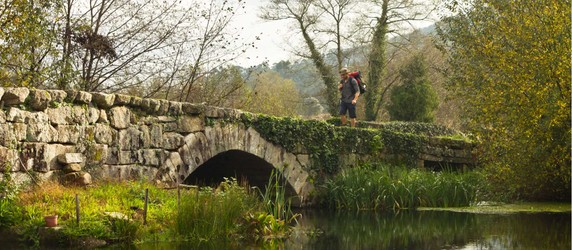
You start the day by walking over the beautiful old bridge at Pontesampaio. From here there's a short, quite steep uphill stretch following ancient stone paths before the path descends to the provincial capital of Pontevedra. There are some interesting sites to be explored here including the Santuario da Peregrin chapel and the Convento de San Francisco. The Medieval town centre is a maze of cobbled laneways with tapas bars and cafes. Overnight in Pontevedra.
Distance 12km/7.5mi, ascent 330m/1082ft, descent 305m/1000ft
day 29 - Walk to Caldas de Reis (5-6hrs)
Starting from Plaza de la Peregrina in Pontevedra, next to the Iglesia de la Vírgen Peregrina, a symbol of the city, the path enters the serenity of the Galician rural landscapes. Most of this stage is through woodland and countryside along gentle river valleys with virtually no climbing. Closer to Caldas de Reis the route crosses the N550 and follows it for short sections. Located between the Umia and Bermana rivers, the town of Caldas developed as a result of its thermal waters and continues to be a major health spa. The botanical gardens next to the river are lovely for some respite from the walk. Overnight in Caldas de Reis.
Option to upgrade to a comfortable 4 star inn with pool or 3 star rural inn - supplement applies and must be requested when initially booking the trip.
Distance 21km/13.2mi, ascent/descent 550m/1804ft
day 30 - Via the river valleys of Bermana and Valga to Padron (5hrs)
This is a beautiful walk through the Bermana river valley with moderate gradients. The path descends into the Valga valley, passing through fields, forests and small villages. There are two short stages of main road: leaving Caldas and entering Padron. Padron is lovely, set on the banks of the Sar and Ulla rivers, with some St James relics to be seen at the Igrexa de Santiago (church). Herbón, a small village in the vicinity, is where the famous "Pimientos de Padrón" are grown. Overnight in Padron.
Distance 19km/12mi, ascent 730m/2395ft, descent 740m/2428ft
day 31 - To Santiago (6-7hrs)
This stage runs mostly on paved paths and through urban areas, following the N-550, which will be crossed a few times. There is a gradual climb to Agro dos Monteiros in O Milladoiro. Highlights include the Colegiata de Iria Flavia, which was the first cathedral in Galicia, and the Santuario de Nuestra Señora de la Esclavitud (legend has it that a man was healed by drinking water from its fountain) - and of course, your arrival at the Cathedral of Santiago de Compostela!
Distance 25.6km/15.9mi, ascent 650m/2123ft, descent 400m/1312ft
day 32 - Trip concludes
Trip arrangements conclude after breakfast. We can assist with booking an extra night or two if you’d like to stay longer in Santiago - please ask for our rates.

Get Trip Brochure & Exclusive Discount
Download a detailed PDF brochure and unlock an exclusive discount for this tour
What's Included
What's Excluded
Monthly Price Comparison
Good to Know
Do you need help from our trip consultants?
If you have any question about this tour or need help with planning a trip, please do not hesitate to get in touch with us.
Our travel experts are ready to help.



Why Book with Bookmundi
Earn USD 171+ in travel credits.
Best price guaranteed.
No credit card or booking fees.
100% financial protection.
Carbon neutral tours.
25,000+ trip reviews, with an average rating of 4.8 out of 5.