Prepare for a Mount Kilimanjaro Climb: Fitness, Gear, and Mindset

Overview
Fitness preparation: Building a strong foundation
1. Cardiovascular endurance
To summit Kilimanjaro, one has to hike for many hours for consecutive days. Being in good cardiovascular shape is essential. To achieve this, you should do aerobic activities such as brisk walking, jogging, cycling, swimming, and stair climbing a minimum of 3 to 5 times per week.
When you start training for Kilimanjaro, it is important to gradually increase your time spent doing aerobic activity rather than increasing the intensity. You want to build your endurance, not speed. After all, summiting Mt. Kilimanjaro is not a race. When you train by doing long, steady workouts, they will help get your pace to where it needs to be when you start climbing on the mountain.
2. Strength training
Strength in your legs is necessary for climbing and descending. You should do exercises that strengthen your legs, such as squats, lunges, step-ups, calf raises, and deadlifts. You should also do core-strengthening exercises because they help you keep your balance and maintain good posture while carrying a full daypack.
Try to perform 2 to 3 strength training workouts each week. You can do bodyweight exercises, or you can use light weights. If you use weights, be sure to follow all the instructions and guidelines to prevent injury.
3. Hiking
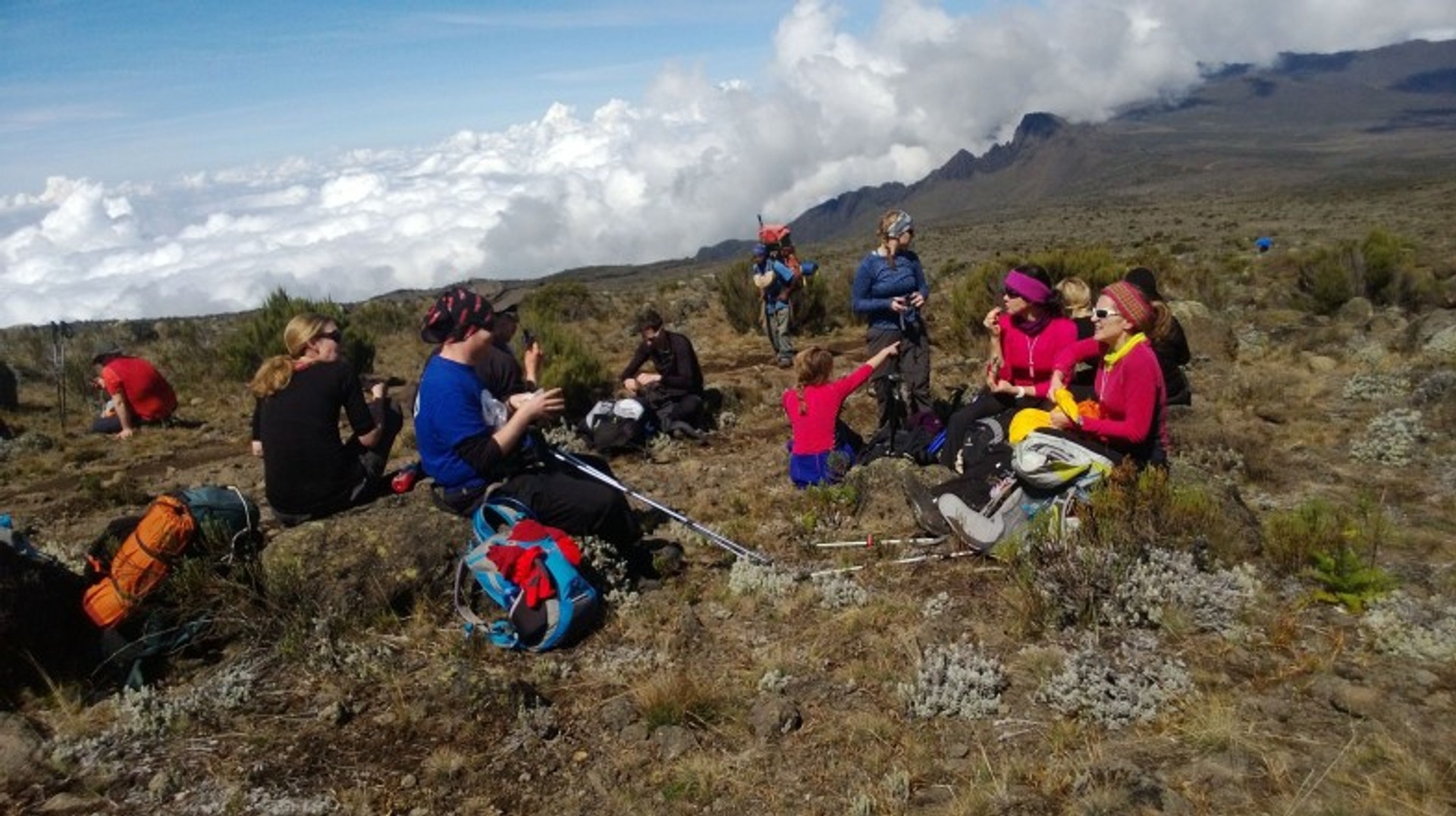
The best way to train for climbing Kilimanjaro is to start hiking. When you practice, you should hike on uneven terrain with a backpack so that you can simulate the actual conditions you will face. As you practice hiking, you should gradually add weight to your backpack and increase the elevation gain. You should also try to hike on back-to-back days to prepare your muscles for continual exertion. We recommend undertaking multiple day hikes lasting anywhere from 2 to 5 hours.
4. Altitude awareness
Although not everyone has access to high-altitude training, it is very important to understand how altitude impacts the body. You should be familiar with the signs and symptoms of altitude sickness. During your workout, learn to practice slow, controlled breathing. Keep in mind that on Kilimanjaro, moving slowly is an advantage.
See also:
Preparing your gear: Pack strategically and lightly
1. Your clothing: Use layers for maximum comfort and flexibility
As you trek towards Kilimanjaro's peak, you'll go through varying climates, from rainforest to alpine desert to high altitude. Layering your clothing allows comfort and flexibility.
- Your Base Layer: Moisture-wicking thermal top and bottom.
- Your Mid Layer: Fleece or insulated jackets for warmth.
- Your Outer Layer: Tops and bottoms must be waterproof and windproof.
- Your Summit Wear: Down jacket, insulated gloves, warm hat and balaclava.
Use synthetic materials and avoid cotton; cotton will hold moisture against the skin and cause a rapid loss of heat.
2. Your footwear: Your most important purchase
Your hiking boots are extremely important and should be broken in before usage. The boots should fit well with your thick trekking socks; should be waterproof, and provide ankle support. Pain or blisters while in the mountains can be extremely debilitating to an otherwise capable climber. Bring gaiters to keep dust, mud, and snow from entering your boots.
3. Your backpack and accessories
A daypack with a capacity between 30 and 35 litres will hold your daily essentials. Items should include:
- Reusable water bottles.
- Trekking poles (highly recommended to assist knees and for balance).
- A headlamp plus extra batteries.
- Sunglasses and sunscreen (the UV rays at high altitudes can be very intense).
4. Your sleeping equipment
Most climbers prefer a sleeping bag rated for four seasons; even though you may have access to a sleeping bag, make sure it is in order: good, clean, and warm. For added warmth and sanitation, consider the use of a sleeping bag liner.
5. Personal and medical essentials
Carry personal medications, blister care supplies, wet wipes, hand sanitiser, lip balm, and energy snacks. Altitude-related medication should only be taken after consulting a medical professional.
See also:
Being mentally prepared for the mountain: The silent summit tool
The bottom line
Written by
For Akriti, writing found her long before her love for travel did; she blames her acute motion sickness for the delayed onset of the latter. But when the two interests did meet, it resulted in many memorable (and sometimes revolting) travel stories. As a traveler, she enjoys challenging treks as much as lazy walks on the beach. She hates road trips unless it is on the back of a truck or a motorbike. She loves good food; even more so when paired with a local drink. Readers will find her writing to be much like her hometown of Kathmandu—rich, soulful and quirky.
Read more
Continue reading Related Guides
Create your custom-made trip to Tanzania
Traveling to Tanzania? Chat with a local travel specialist who can help organize your trip.
 Ally SimbaTravel Expert in Tanzania
 Carmen CastrovillariTravel Expert in Cambodia, Kenya, Laos, South Africa, Tanzania, Thailand & Vietnam
 Thea GillinghamTravel Expert in Cambodia, Kenya, Laos, South Africa, Tanzania, Thailand & Vietnam



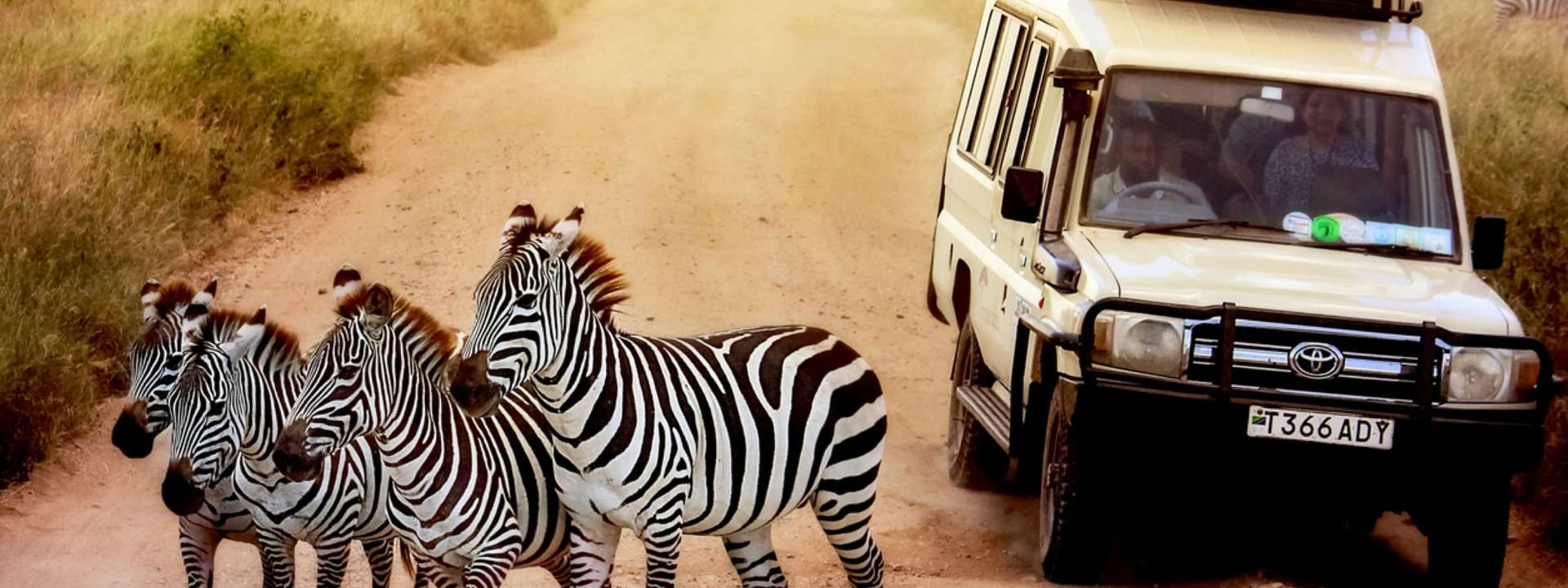


Why Book with Bookmundi?
A strict screening process ensures that we only offer high quality, vetted tours and trip packages globally. The result? 4.8 of 5 stars out of more than 25,000 trip ratings.
All tours booked through Bookmundi are 100% carbon offset. Every quarter, we invest in carbon reduction projects around the world—at no extra cost to you.
Read how
 4.7(850 reviews)
 Trustpilot4.8(148 reviews)