Climbing Mount Kilimanjaro
Located within Kilimanjaro National Park, Mount Kilimanjaro is the tallest Mountain in Africa and is one of the most sought-after climbing destinations in the world. Climbing Kilimanjaro is a challenging and rewarding adventure that takes trekkers through diverse landscapes, from lush rainforests to rocky slopes and icy glaciers. The climb typically takes five to nine days, depending on the route and the climber's fitness level. With the right preparation and a reliable guide, anyone can conquer Kilimanjaro and witness the unparalleled beauty of Tanzania from its summit. A trip to Tanzania is surely incomplete without experiencing the majestic Mount Kilimanjaro.
10 Best Kilimanjaro Tours
Discover our highly acclaimed tours in Kilimanjaro, based on reviews and times booked.
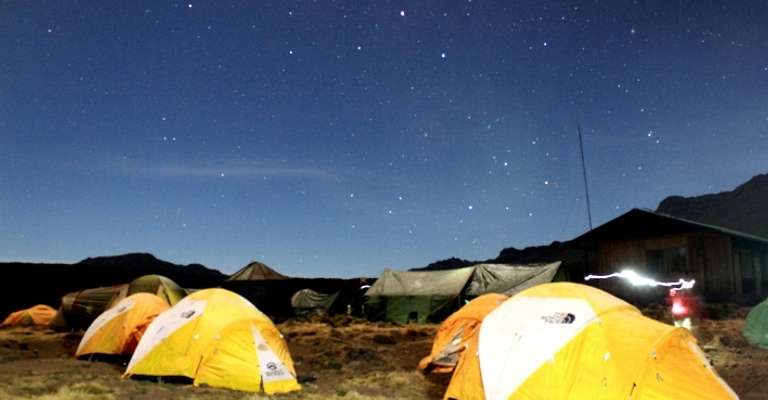
See all Kilimanjaro Tours
Essential Travel Guides for Touring Kilimanjaro
Explore Kilimanjaro with comprehensive travel guides covering when to go, how long to stay, what to do, and where to explore across the country.
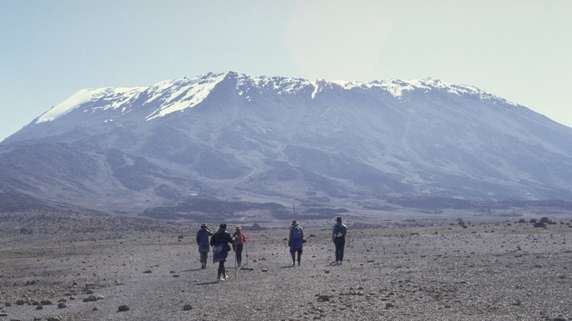
“Which is the best route for Kilimanjaro?” is a question we get asked very frequently from people who are planning on climbing Kilimanjaro. While the definition of “best” is very subjective, we will try to summarize each route in this article and give you some key information to help you decide the best Kilimanjaro routes for yourself. The routes are ordered in the order of popularity. The numbers mentioned have been received from trekking operators and are approximate as the official association only keeps data for the Marangu route.
Please note that the cost and difficulty are expressed in a range of 1 to 5 and are relative to those of other Kilimanjaro routes. So, even a route with a difficulty of 1 out of 5 is not really easy, but is only easier compared to other routes.
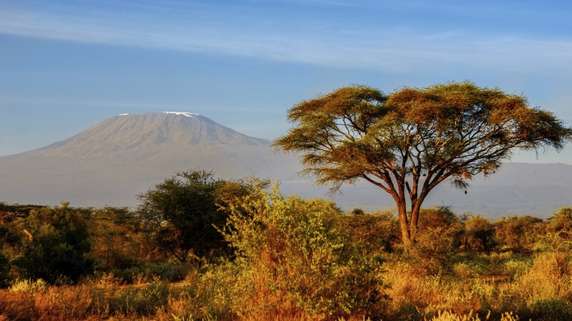
Rising majestically above the plains of Tanzania, Mount Kilimanjaro (5,895 meters) can have varying weather conditions. The mountain's proximity to the equator means it experiences dry and wet seasons, rather than extreme seasonal changes.Although you can climb Kilimanjaro year-round, some months are much colder and wetter, creating poor visibility, muddy conditions, and snow at the summit. For this reason, most people find that the best time to climb Kilimanjaro is during the warm, dry months. However, this means encountering more crowds.
If you are considering a trip to Tanzania and wish to try your hand at climbing Mount Kilimanjaro, this guide breaks down the different seasons and highlights that you should consider when planning your trip.
Note: The average temperature and rainfall data provided for each month in this article are sourced from the closest city's available data, specifically from the city of Moshi.
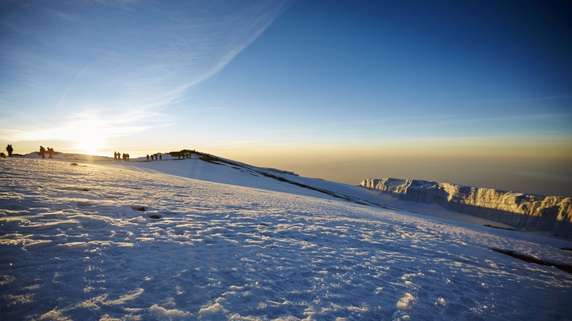
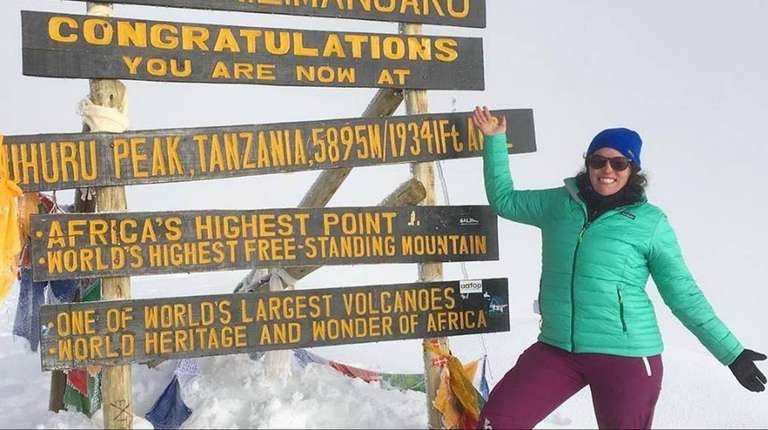
Mount Kilimanjaro located in Tanzania is the highest mountain in Africa. It is also considered the highest free standing mountain in the world. Mt. Kilimanjaro, a volcanic mountain consists of three volcanic cones, the highest being Kibo at 5,895m, Mawenzi at 5,149m and Shira at 3,962m.
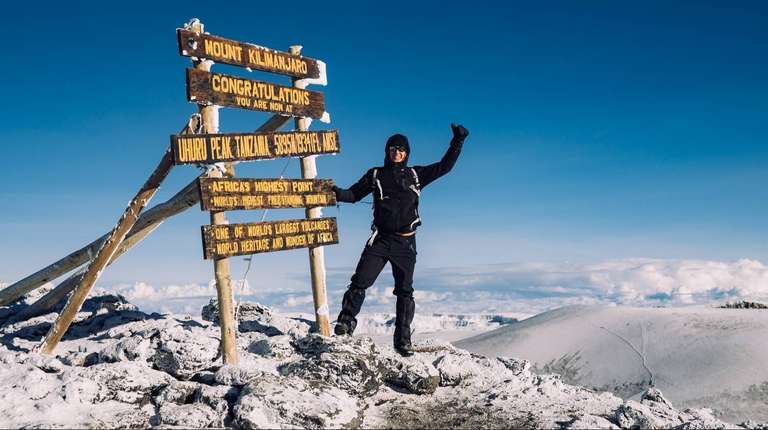
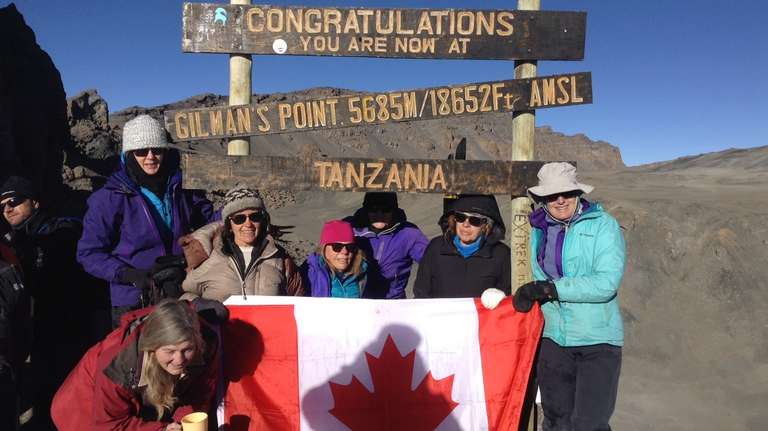
Another name for the summit of Mount Kilimanjaro is Uhuru Peak, which is situated on the Kibo’s crater rim, thus Uhuru Peak and Kibo Peak are simultaneously referred to as the highest points. While Mawenzi and Shira are extinct volcanic cones, Kibo is dormant and could erupt again.
Mount Kilimanjaro is not a technical climb/trek and therefore trekkers without previous experience and skills can undergo the journey. But, the volcanic mountain should not be underestimated. Mt. Kilimanjaro is regarded as a difficult trek because of the high attitude and the weather contrasts during the trek.
Furthermore, trekkers will experience variation in temperature while traversing through 5 different climatic zones:
- Cultivated Areas (793m – 1,799m)
- Rainforest (1,829m – 2,744m)
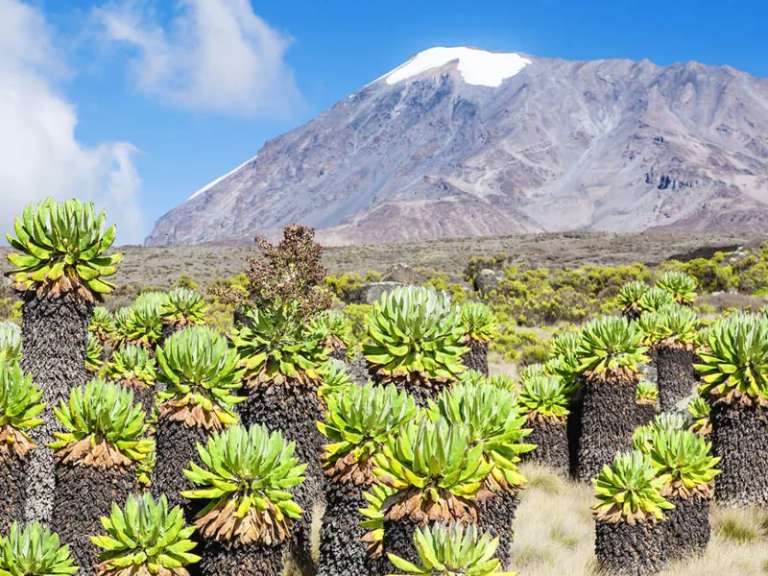
- Heath and Moorlands (2,805m – 3,993m)
- Alpine Desert (3,993m – 4,999m)
- Arctic (4,999m+)
5 different climatic zones, changing weather and high altitude are all factors which challenge your body and mind and test your determination during this adventure, yet all the same variables will provide you with the very rewarding feeling it is reaching atop Mt. Kilimanjaro at 5,895m.
Mount Kilimanjaro has several routes up the mountain but the most popular routes are:
- Machame Route - about 45 % of all climbers
- Marangu Route - about 35% of all climbers
- Lemosho Route - about 8% of all climbers
- Rongai Route - about 7% of all climbers
All in all, Kilimanjaro is a trekking adventure of a lifetime and is highly recommended for your Tanzania tour.
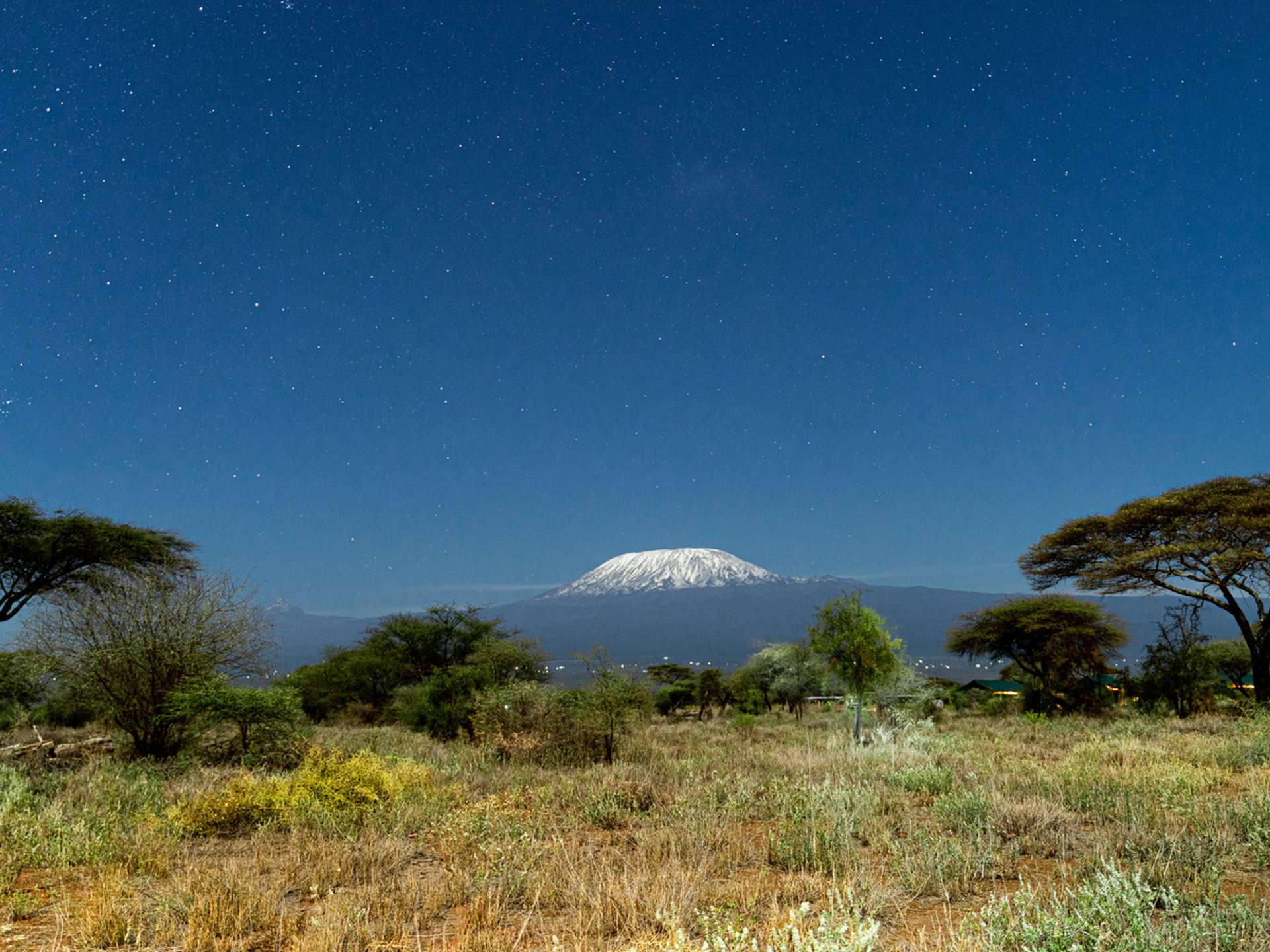
You might have heard of the fascinating Mount Kilimanjaro views that the Amboseli National Park in Kenya has to offer. What if we told you there’s an even more special way of getting closer to the tallest mountain in Africa?
Picture-perfect views and endless adventures
Like most other destinations in Tanzania, the Kilimanjaro National Park brings you closer to exotic animals such as elephants, buffalos, monkeys, elands and leopards in the very first day of your journey. But that’s not what you’re here for.
Wildlife, trekking, mountain climbing – all rolled into one
A Kilimanjaro trek also brings you to the foot of the mountain, giving you a once-in-a-lifetime opportunity to climb to the top of Africa and gaze at one of the most picturesque free-standing mountains on the planet.
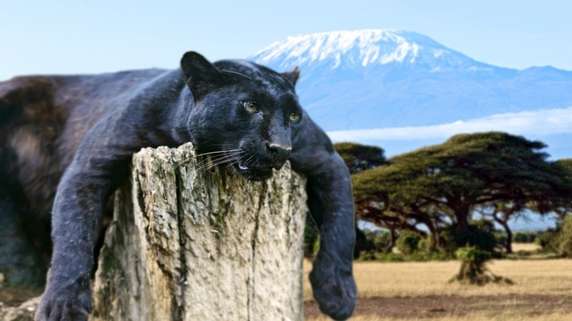
The image of the towering funnel of Mount Kilimanjaro is burnt into most people’s memories. After all, once viewed, it is a sight one is unlikely to forget. However, a lot of people are not aware of the fact that Mount Kilimanjaro is not just the mountain itself- it is also the national park surrounding it.
This 291-square-mile park is a UNESCO World Heritage Site, and houses a number of attractions you should not miss while on a trip to Tanzania. Here are some of the top things to do in Kilimanjaro National Park.
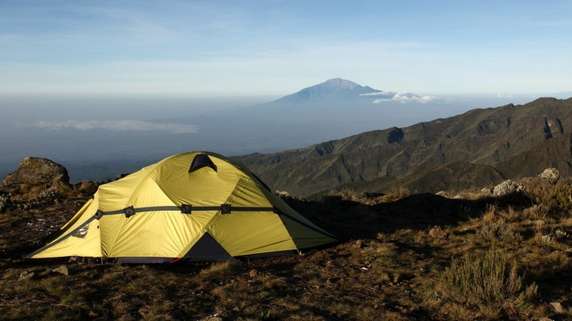
Approaching Mount Kilimanjaro from the southwest, the Machame Route is the second most popular of the Kilimanjaro routes. It is also known as the “Whiskey Route Kilimanjaro" since it is more arduous than the “Coca Cola” (Marangu) route owing to its longer and steeper walks, and lack of sleeping huts.
Higher success rate than Marangu
Beginning at the south-west side of the mountain, the route takes around six days to complete; however, seven days is advised for a day should spent for acclimatization for safety reasons and for a higher probability of a successful summit.
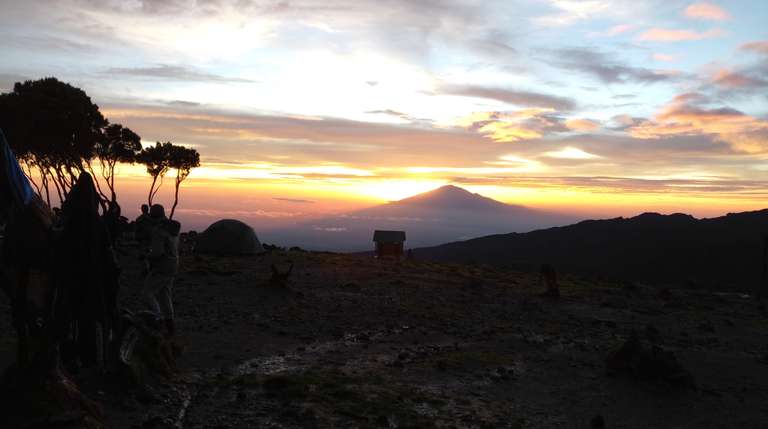
Climbers will sleep in designated campsites in tents. Trekkers have two options to reach Uhuru Peak. Majority of the trekkers choose the long Barafu Trail that offer the scenic view of the Rebmann Glacier. The other route is on the Western Breach Route, which is more thrilling and traverses through Lava tower and the Arrow Glacier.
Scenic beauty and sheer diversity
The trail starts off by traversing through the lush, green rainforest to the moorlands and then to dry and dusty Shira Plateau. After climbing up to the Uhuru Peak in the Arctic climate zone, the descent is made on the steep Mweka Route, which allows trekkers to experience the dry mountain desert and the lowland forest. So, take this route if you want a more challenging and scenically varied trail to the mountain and don’t mind crowds.
Kilimanjaro Tour Reviews
Read reviews from travelers who have experienced Kilimanjaro tours, and find the best tour for your next adventure.
Need 1 more day in Rome for st Peter's Basilica and the pantheon. Rest was really good.
The include guided tours are informative as they are conducted by local guides. The optional experiences were also well chosen by Insight.
I walked with a cane (awaiting a knee replacement within 2 weeks after the trip. Vivian and the group of travelers were very patient with me. I would suggest this trip for the healthier individuals. Sites were beautiful, but all the walking is a challenge if handicapped. I was very fortunate to be with our special group of 24 and having Vivian as our tour guide! Overall it was a wonderful trip!!!
The most beautiful country I have ever visited. I highly recommend this trip as it captures everything and beyond that Italy has to offer.
The travel director and driver made it a wonderful trip
"Travel Matters" excursions are often just glorified shopping trips. Especially frustrating was going to a "oil/scent" shop for 2 hours
Create a customized tour to Kilimanjaro and
Traveling to Kilimanjaro? Chat with a local travel specialist who can help organize your trip.
 Ally SimbaTravel Expert in Tanzania
 Carmen CastrovillariTravel Expert in Cambodia, Kenya, Laos, South Africa, Tanzania, Thailand & Vietnam
 Thea GillinghamTravel Expert in Cambodia, Kenya, Laos, South Africa, Tanzania, Thailand & Vietnam