Best Time to Visit Tanzania

- JanAvg Daily: 31Avg Nightly: 25
- FebAvg Daily: 31Avg Nightly: 25
- MarAvg Daily: 31Avg Nightly: 25
- AprAvg Daily: 30Avg Nightly: 24
- MayAvg Daily: 28Avg Nightly: 23
- JunAvg Daily: 28Avg Nightly: 22
- JulAvg Daily: 28Avg Nightly: 21
- AugAvg Daily: 28Avg Nightly: 22
- SepAvg Daily: 29Avg Nightly: 22
- OctAvg Daily: 30Avg Nightly: 23
- NovAvg Daily: 30Avg Nightly: 25
- DecAvg Daily: 31Avg Nightly: 25
Overview
When is the best time to visit Tanzania: Quick Facts
See also:
When to visit Tanzania: Seasonal Overview
Unlike regions that experience traditional summer, winter, spring, and fall seasons, Tanzania has distinct wet and dry seasons that shape its climate all year long. There are four defining periods that make up the seasons in Tanzania: the long dry season, the short rainy season, the short dry season, and lastly, the long wet season. As these seasons continually transition from one to the next, they bring evolving weather patterns that alternately nourish or parch the landscape across Tanzania.
Long Dry Season in Tanzania — June to October
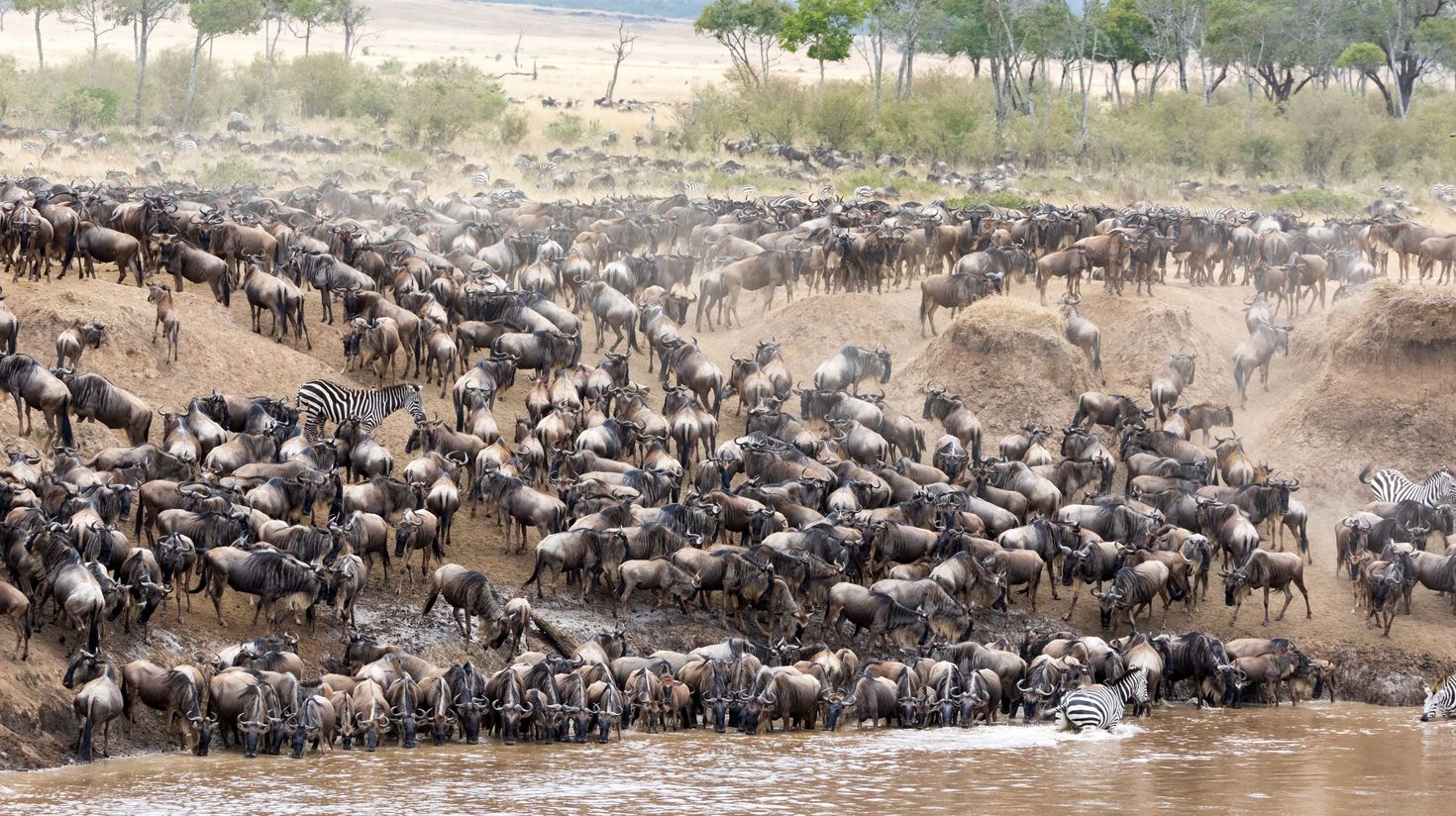
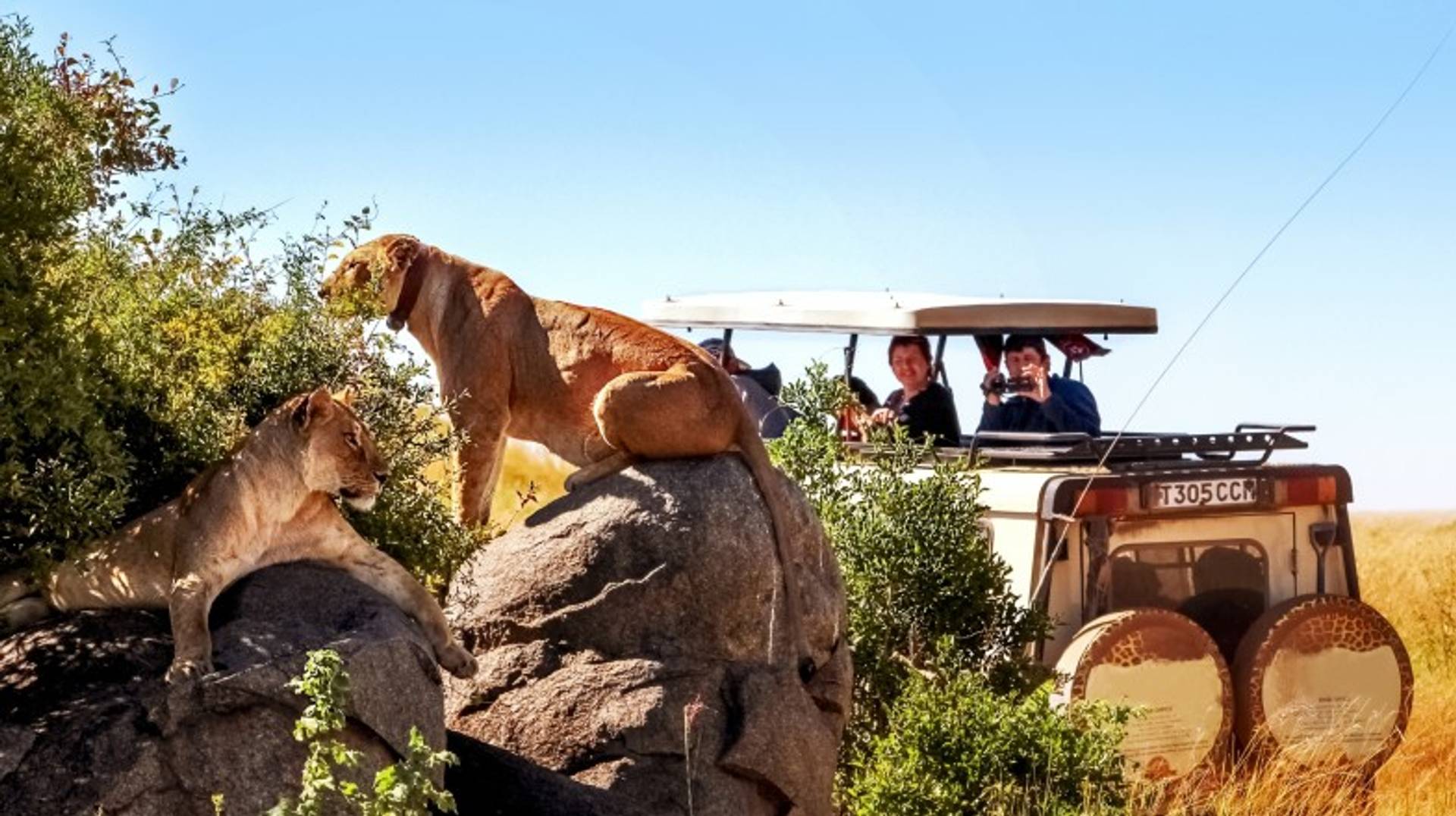
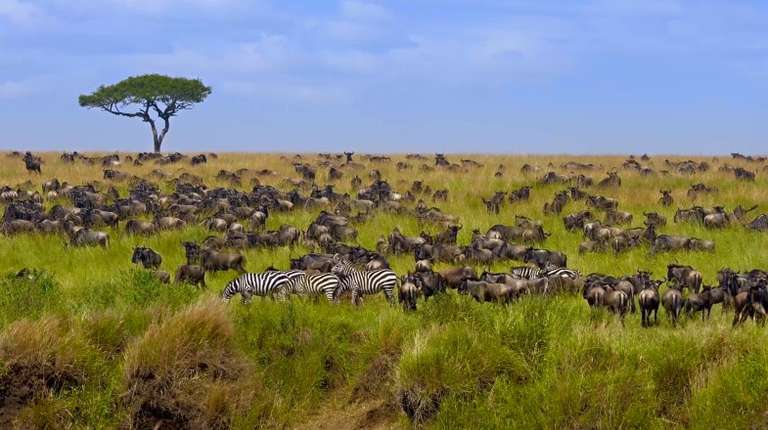
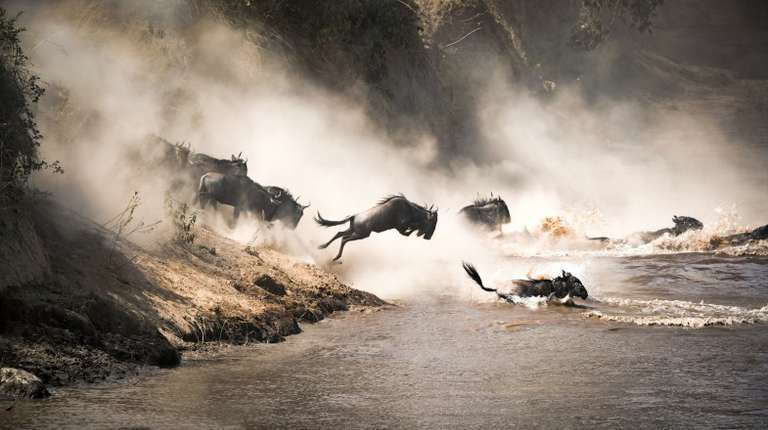
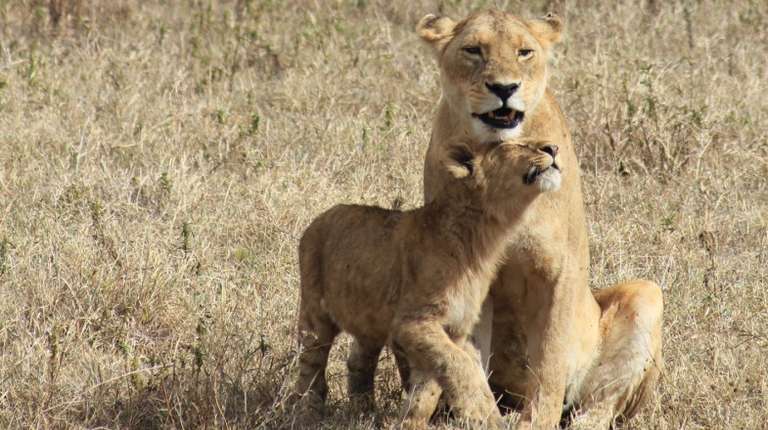
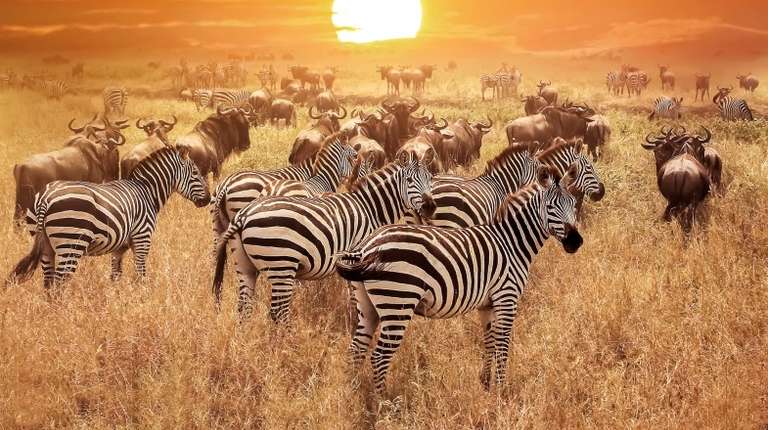
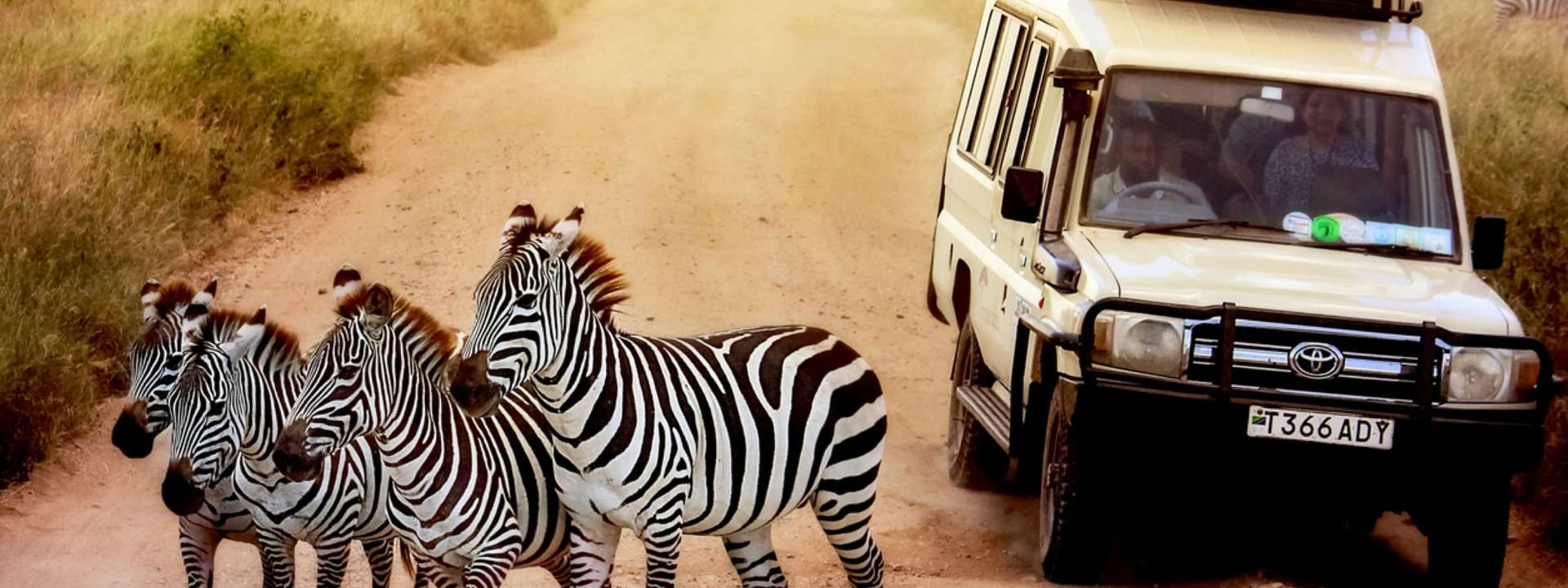
During the long, dry season, Tanzania experiences dry, sunny days with minimal rainfall, making it the best time for safari trips at places such as Serengeti National Park and Ngorongoro Conservation Area. Expect clear skies, cool evenings, and a bit of dust on safari drives. Whether it is wildlife viewing, birdwatching, trekking, or water sports you are after, the long dry season is one of the best time to travel to Tanzania. Just remember to book your tours and accommodations well in advance, as this is the peak tourist season in the country.
| Avg. temperature | 22 to 30°C / 72 to 86°F (in Dar es Salaam) |
| Avg. rainfall | Less than 40 mm |
| Season | Long dry season; June to September (winter), and October (autumn) |
Highlights:
In-depth month-wise guides:
Short Rainy Season in Tanzania — November to Early December
Tanzania experiences brief but heavy rainfall during the short rainy season, with occasional thunderstorms. While this is not the peak tourist season, these are some of the best months to visit Tanzania to explore lush landscapes and enjoy fewer crowds at popular destinations like Zanzibar. Just pack an umbrella and waterproof gear, as rain showers can be unpredictable. If you're a nature lover who doesn't mind a little rain, the short rainy season can be a unique and refreshing time to experience Tanzania's beauty.
| Avg. temperature | 25–30°C / 77–86°F (in Dar es Salaam) |
| Avg. rainfall | 120–125mm |
| Season | Short rainy season; November (autumn), Early December (summer) |
Highlights
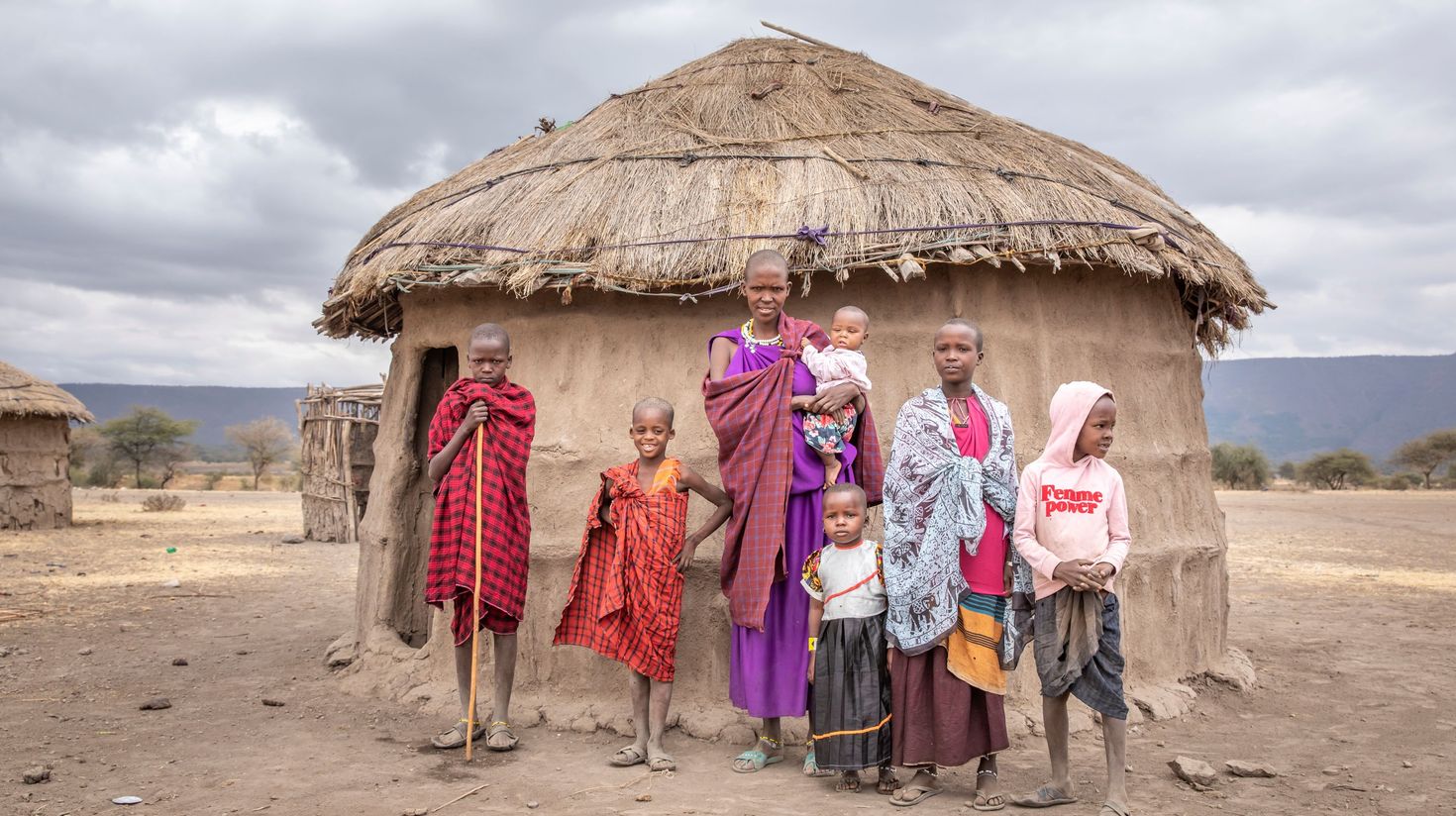
- Enjoy the quieter tourist season to immerse yourself in Tanzania's rich culture. Visit local villages, interact with local communities, attend cultural festivals, and learn about traditional customs and practices.
- Catch the annual Zanzibar Beach and Watersports Festival, where you can enjoy a wide range of water sports.
- The brief rainy season in Tanzania attracts migratory bird species, making bird watching highly rewarding, with numerous colorful and rare birds to observe in national parks and wetlands.
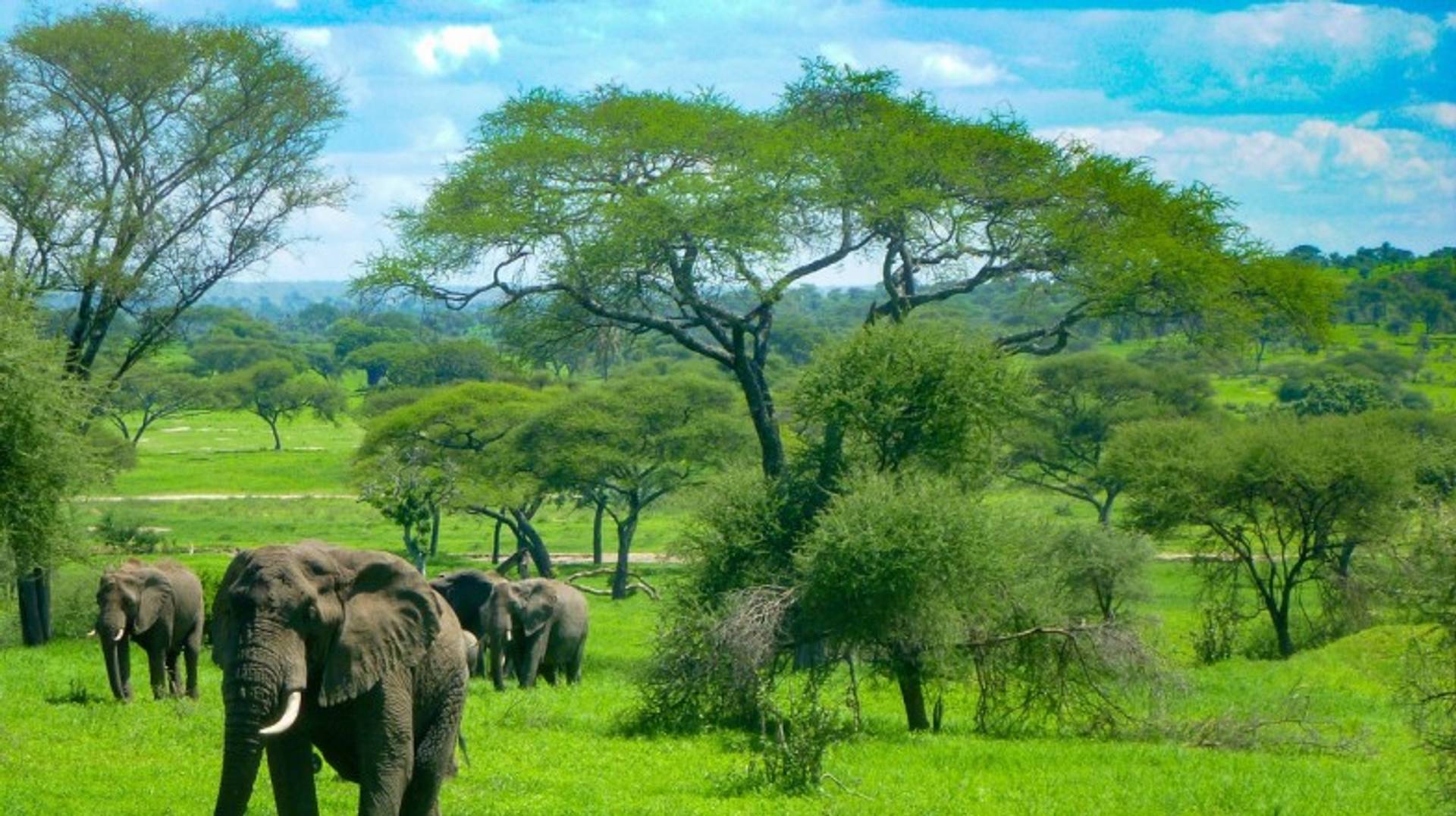
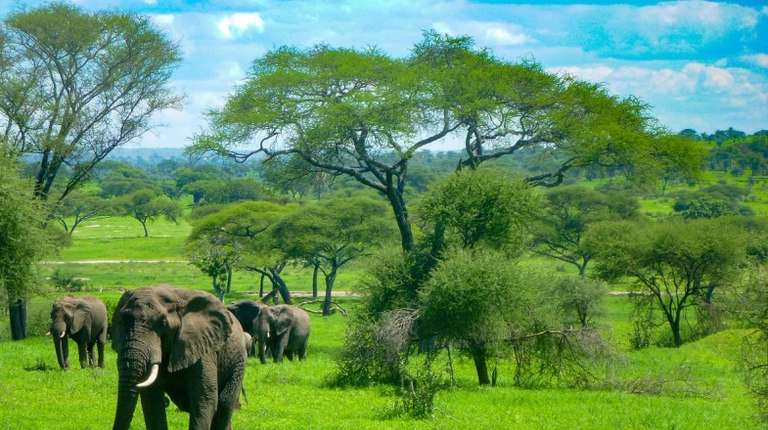
- Tarangire National Park is one of the few parks in Tanzania that can be enjoyable during the short rainy season. The park's wildlife congregates around the Tarangire River, offering excellent game viewing opportunities with fewer crowds.
Travel tips:
- Choose waterproof or quick-drying shoes for hikes and outdoor excursions, as you will encounter muddy trails and wet conditions.
Keep tabs on road conditions, especially if planning game drives. Some routes may become impassable due to flooding.
Pack a rain poncho and clothes that you can layer to keep up with the weather changes.
In-depth month-wise guides:
Short Dry Season in Tanzania — Mid-December to February
The short dry season is the summer in Tanzania and has the most optimal weather conditions. Being the lesser-known dry season, you can enjoy all the safari experiences as in the long dry season, skipping the jam-packed crowd. If you want to experience all the high season perks at comparatively lower rates, then the short dry season is the best time to visit Tanzania.
| Avg. temperature | 25–31°C / 77–88°F (in Dar es Salaam) |
| Avg. rainfall | 51–120mm |
| Season | Short dry season; summer |
Highlights
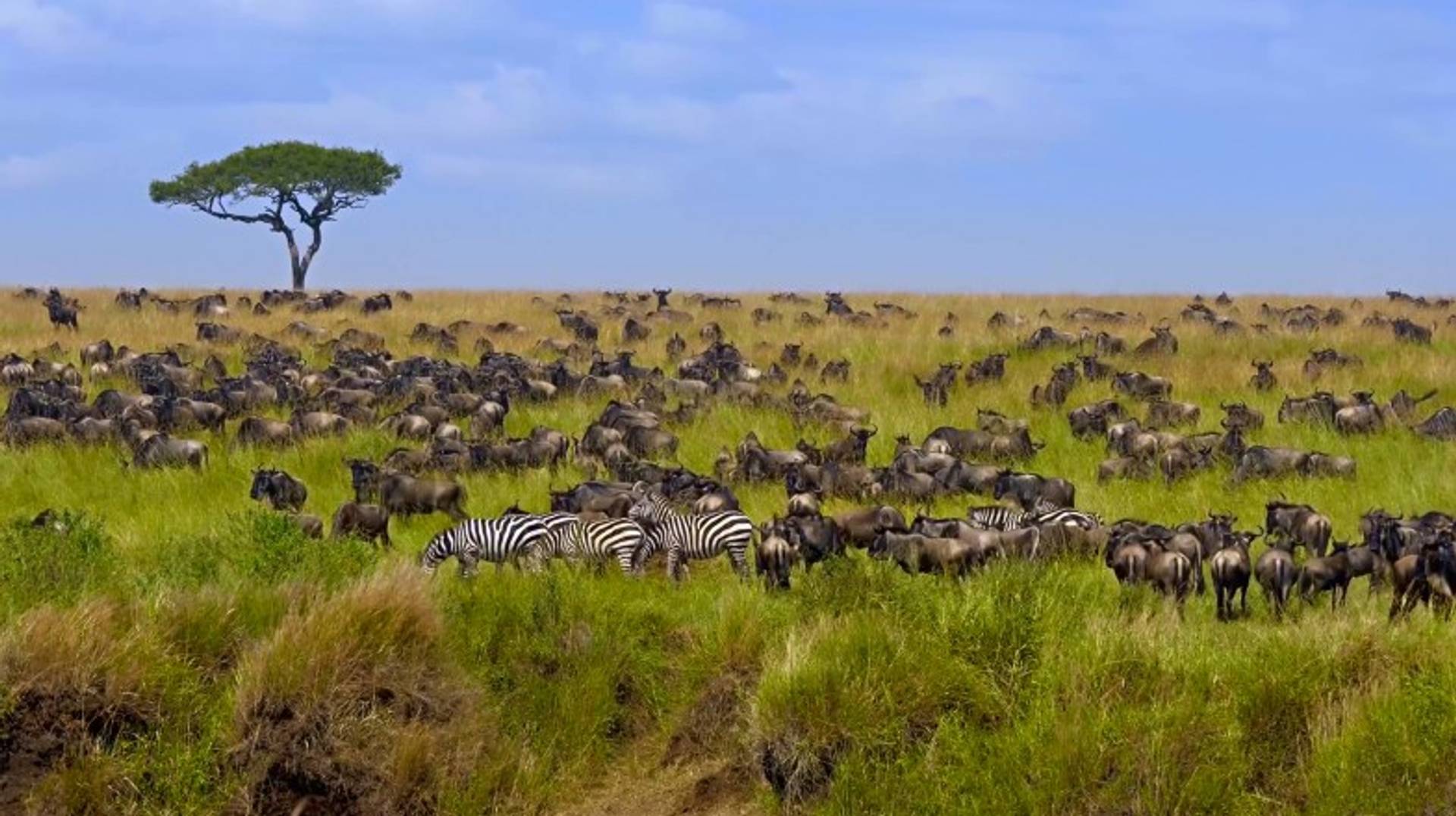
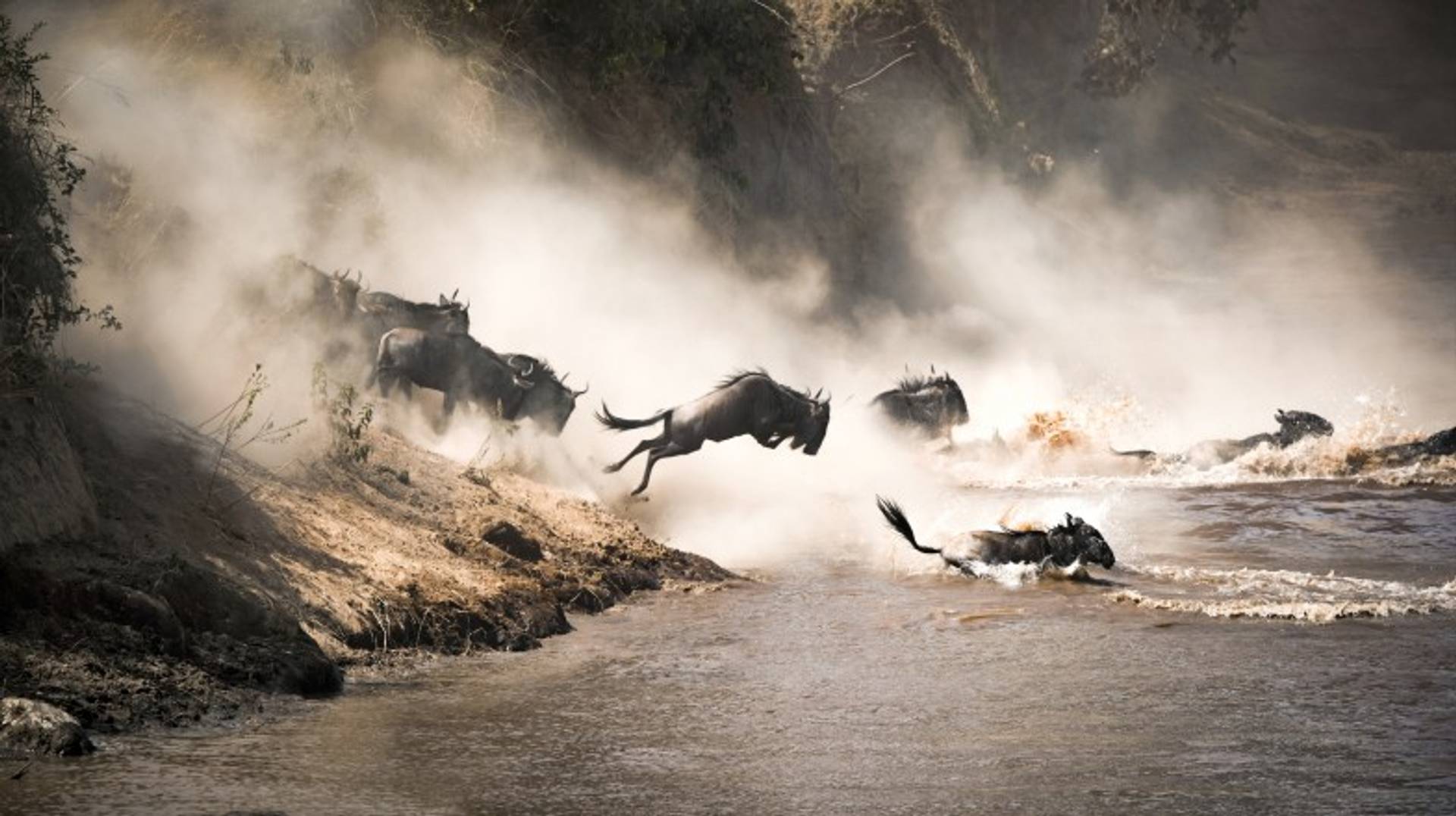
- Witness the wildebeest calving season, attracting predators and creating dramatic scenes of predator-prey interactions.
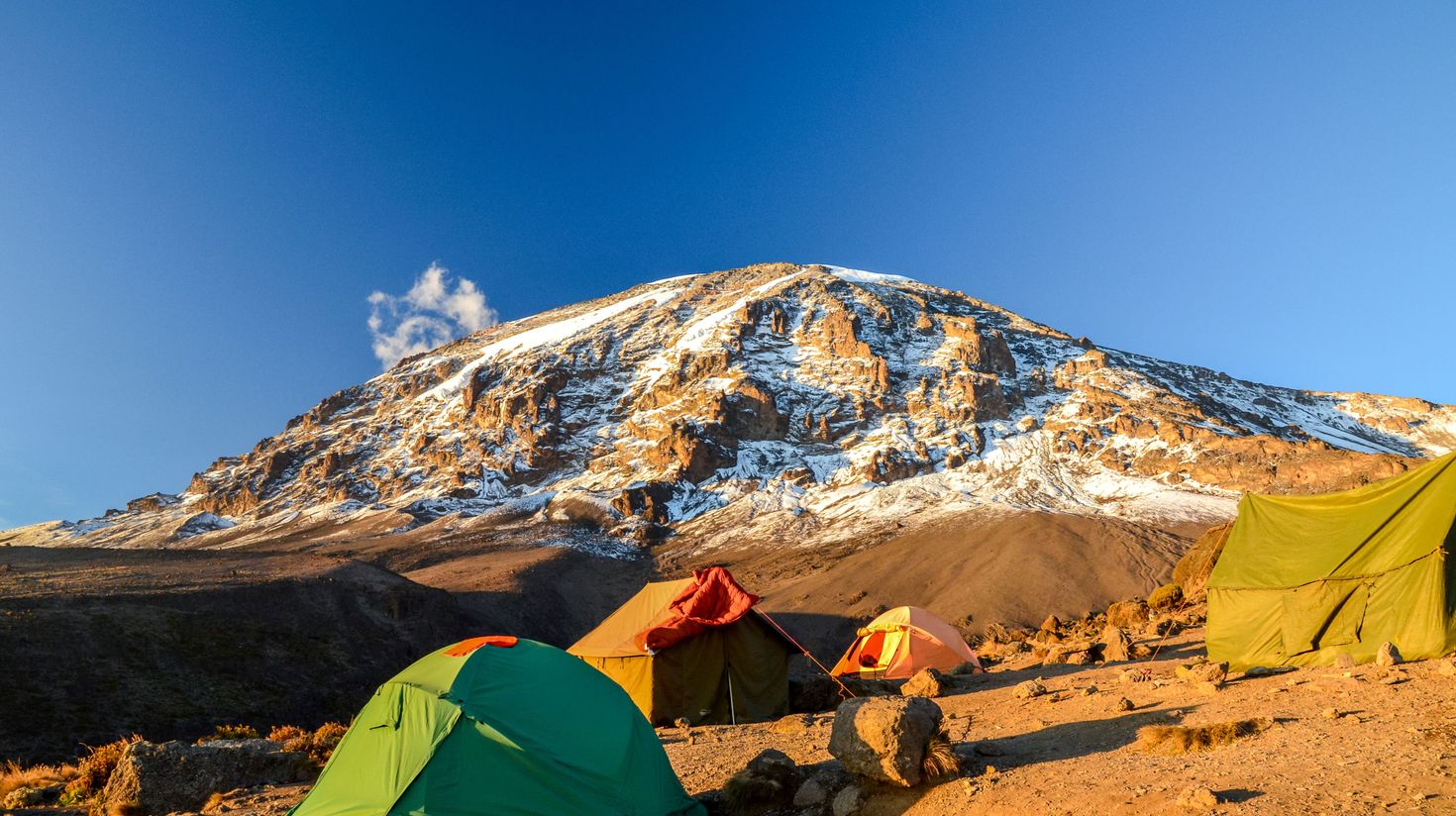
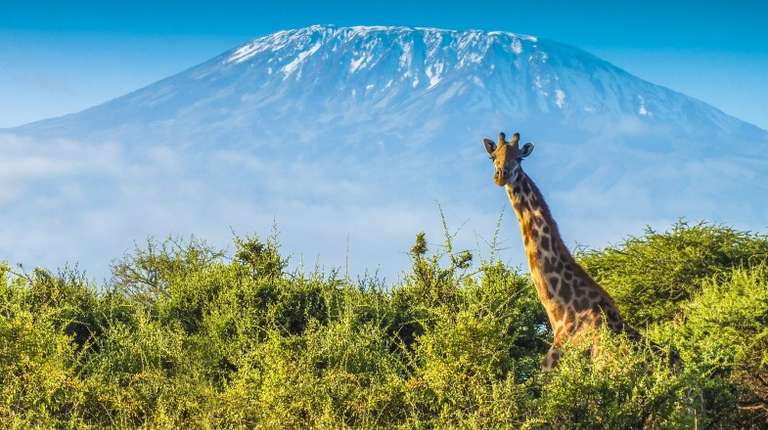
- Participate in the annual Kilimanjaro Marathon and conquer the breathtaking heights of Africa's tallest peak and your own limits.
- Soar above the Serengeti plains in a hot air balloon for a breathtaking view of the wildlife below, combined with the tranquility of the season's clear skies.
- Lake Manyara National Park is a birdwatcher's paradise during the short dry season, with numerous bird species migrating from the northern hemisphere for breeding.
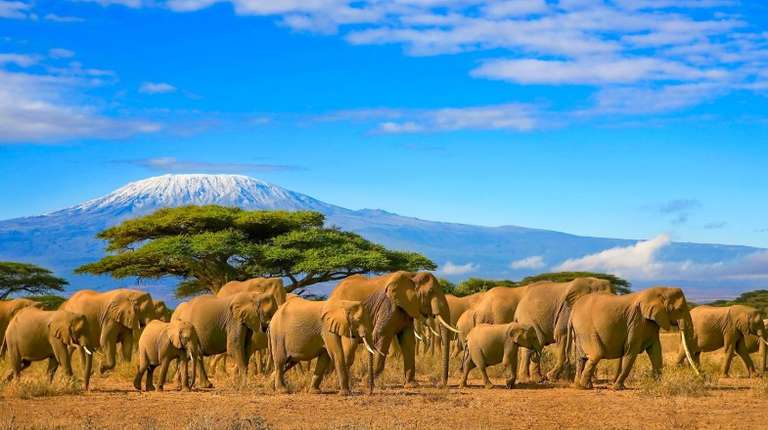
- The short dry season is also the hiking season, making it a good time for trekking and hiking tours in Tanzania. Apart from Mount Kilimanjaro, you can explore lesser-known trails, like those in the Usambara Mountains or the Udzungwa Mountains.
Travel tips:
- Plan your wildlife safaris and outdoor activities for the early morning hours when temperatures are cooler and animals are more active.
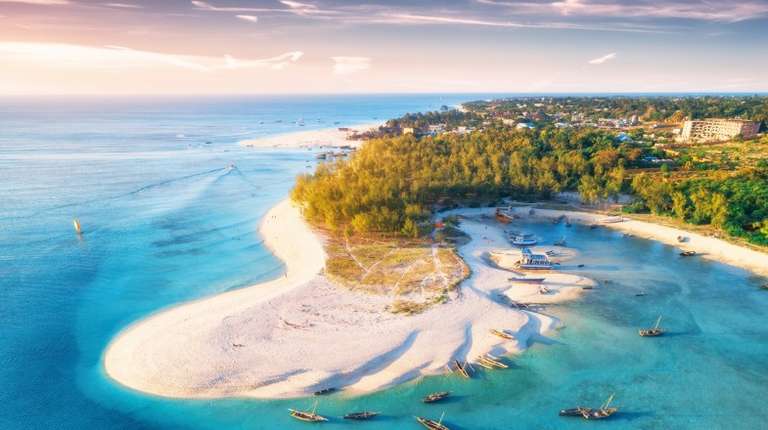
- Consider exploring Tanzania's coastal areas during this season. Zanzibar and other coastal destinations offer ideal beach weather and water sports opportunities.
- Southern national parks like Ruaha and Selous are at their best during the short dry season. Wildlife is concentrated around water sources, making for excellent game viewing with fewer crowds.
In-depth month-wise guides:
Long Rainy Season in Tanzania — March to May
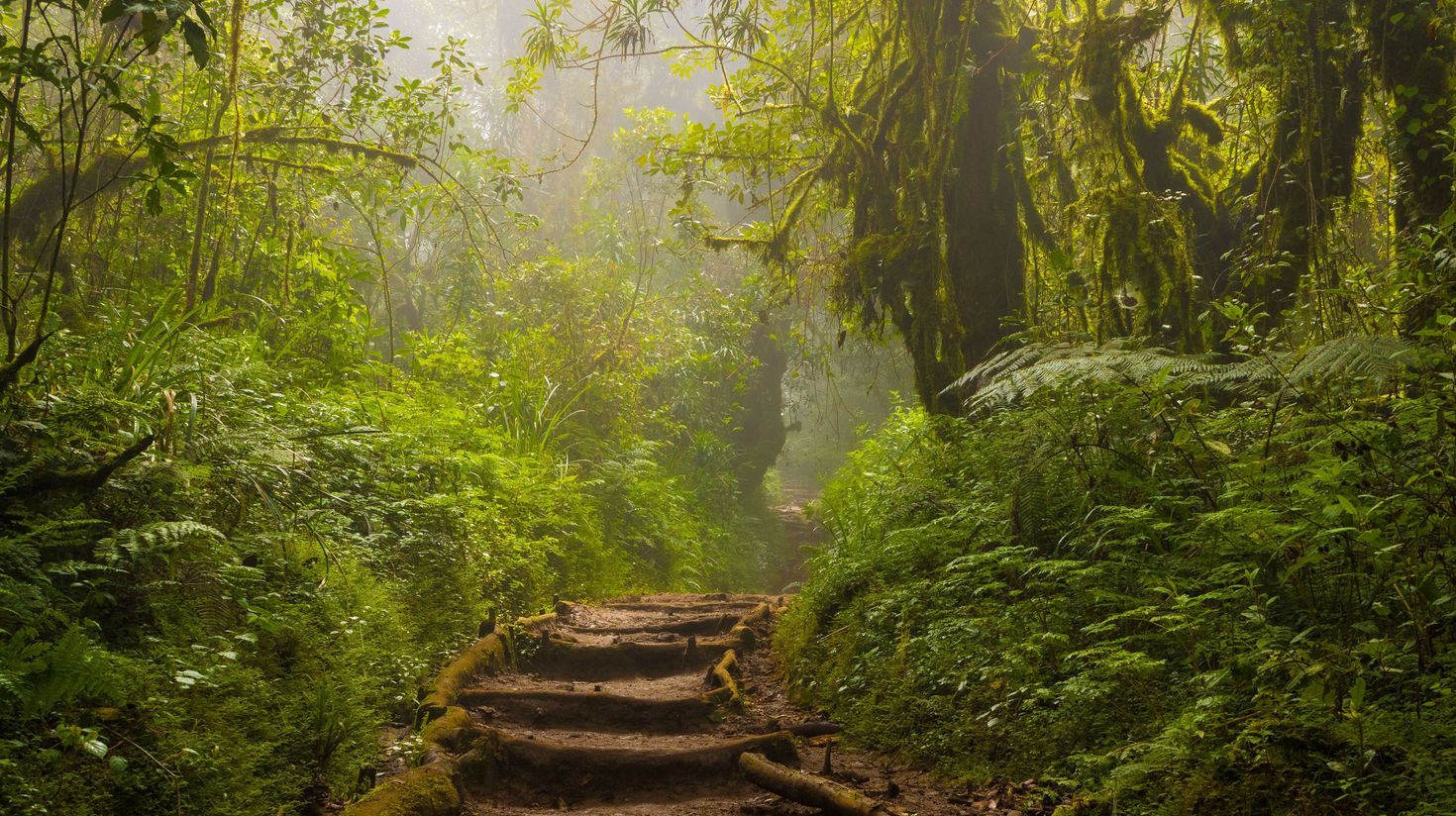
The long rainy season in Tanzania — also known as “Masika” or “Green Season” — brings consistent and heavy rainfall, which can lead to lush green landscapes and vibrant flora. However, it's not the ideal time for safaris due to limited visibility, and some roads may be impassable. While it's the low tourist season with fewer crowds and lower prices, it's best suited for those interested in cultural experiences, birdwatching, and photography. If you don't mind getting a little wet, the long rainy season offers a unique perspective of Tanzania.
| Avg. temperature | 24–30°C / 86–75°F (in Dar es Salaam) |
| Avg. rainfall | 82–88mm |
| Season | Long rainy season / green season |
Highlights
- Visit botanical gardens and nature reserves, such as the Arusha National Park, where the rain brings out vibrant plant life and flowers in full bloom.
- The increased rainfall during this season can lead to impressive waterfalls and fast-flowing rivers.
- Explore spectacular waterfalls in areas like the Usambara Mountains or go whitewater rafting on the Pangani River for an adrenaline rush.
- While coastal areas can also experience rainfall, the long rainy season is a less crowded time to explore towns like Bagamoyo and Tanga.
- Enjoy live performances, dances, and fashion shows at the annual Arusha Summer Festival.
Travel tips:
- Tanzania is a malaria-prone country. Extensive rainfall can increase mosquito activity, so use insect repellent, wear long-sleeved clothing, and sleep under mosquito nets during your trip.
- Besides your regular footwear, bring a pair of rubber or plastic sandals that can handle wet conditions, especially when walking through flooded streets or muddy trails.
- Pack high-quality waterproof gear, including a rain jacket, waterproof hiking boots, and a rain cover for your backpack to stay dry during heavy downpours.
- When traveling in wet conditions, use dry bags to protect important documents (passport, tickets, etc.) and valuables (camera, electronics).
In-depth month-wise guides:
See also:
Weather in Tanzania: Rainfall and Temperatures

Written by
Mia is a freelance travel writer with a passion for adventure, wildlife, and water (not necessarily in that order). She has traveled the globe to follow her dreams, fight for the environment, and swim in some of the world’s most beautiful places. When she isn't travelling around the world, she coaches swimming and teaches English to foreign language students.
Read more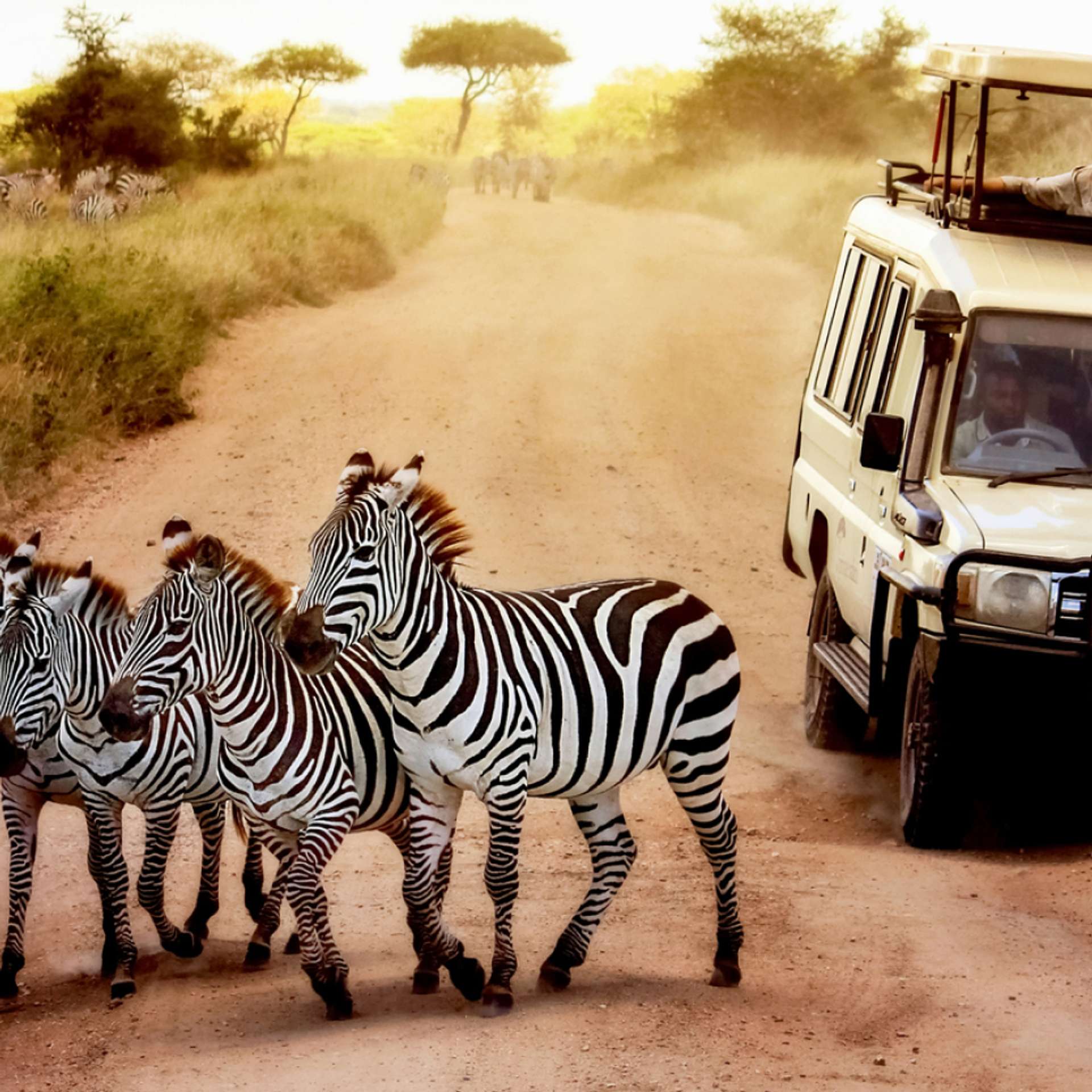

Continue reading Related Guides

Create your custom-made trip to Tanzania
Traveling to Tanzania? Chat with a local travel specialist who can help organize your trip.
 Ally SimbaTravel Expert in Tanzania
 Carmen CastrovillariTravel Expert in Cambodia, Kenya, Laos, South Africa, Tanzania, Thailand & Vietnam
 Thea GillinghamTravel Expert in Cambodia, Kenya, Laos, South Africa, Tanzania, Thailand & Vietnam






Why Book with Bookmundi?
A strict screening process ensures that we only offer high quality, vetted tours and trip packages globally. The result? 4.8 of 5 stars out of more than 25,000 trip ratings.
All tours booked through Bookmundi are 100% carbon offset. Every quarter, we invest in carbon reduction projects around the world—at no extra cost to you.
Read how
 4.7(850 reviews)
 Trustpilot4.8(148 reviews)