Highlights
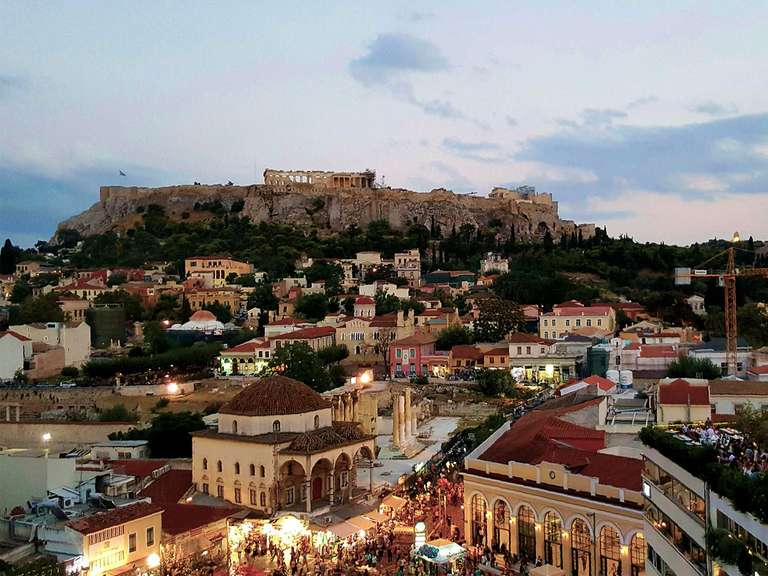
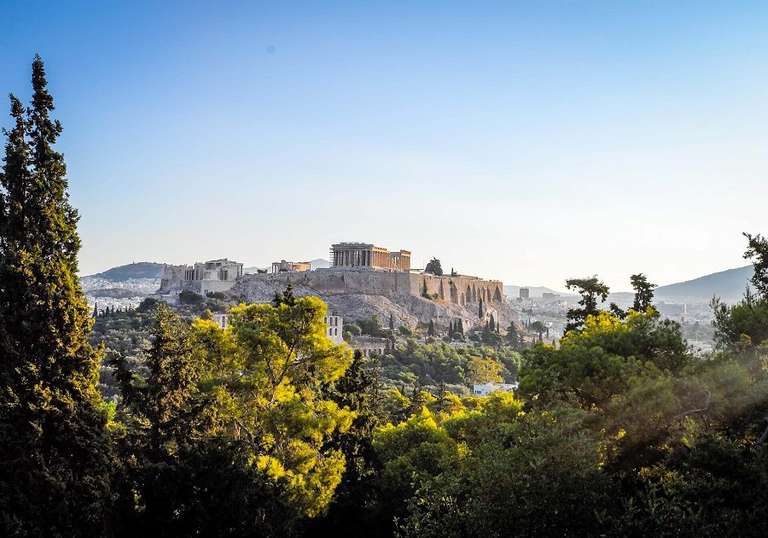
Athens: Walk the Acropolis with your Local Expert, examining the Parthenon’s Doric columns, the Caryatids of the Erechtheion and the gateway of the Propylaea. You’ll understand how these structures expressed Athenian political power, religious devotion and architectural precision during the 5th century BC.
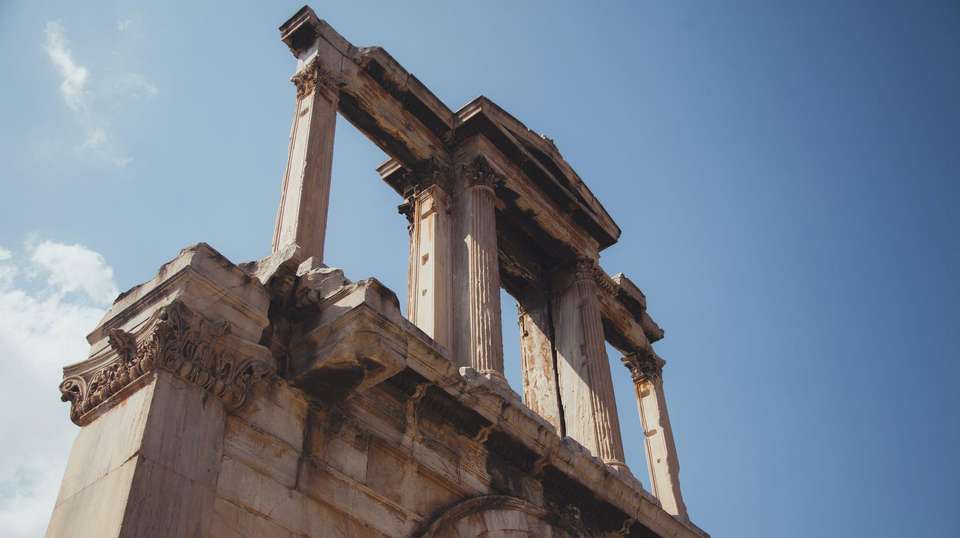
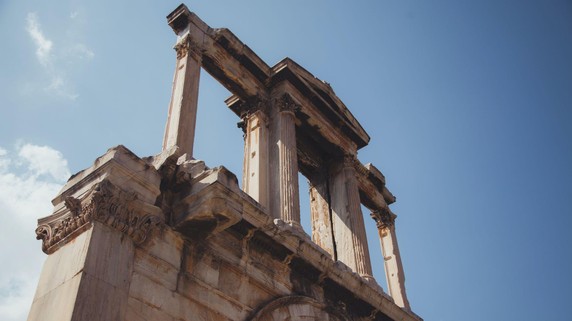
Athens: See Hadrian’s Arch, built in AD 131 to mark the boundary between ancient Greek Athens and the Roman city rebuilt under Emperor Hadrian. Its inscription reflects the city’s dual identity during the Roman period.
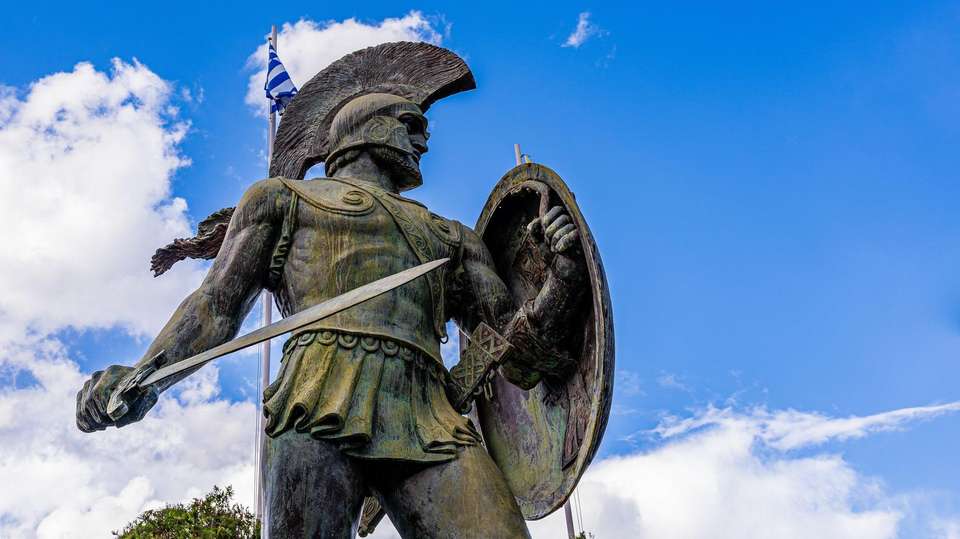
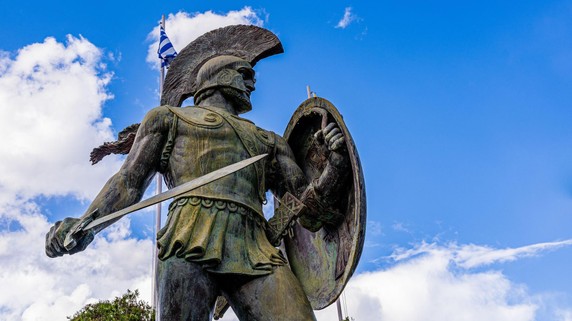
Thermopylae: View the monument to King Leonidas, erected near the site of the 480 BC battle between Greek forces and the Persian army of Xerxes I. The statue commemorates the Spartan-led defence of the pass, where terrain played a decisive role in delaying the Persian advance into mainland Greece.
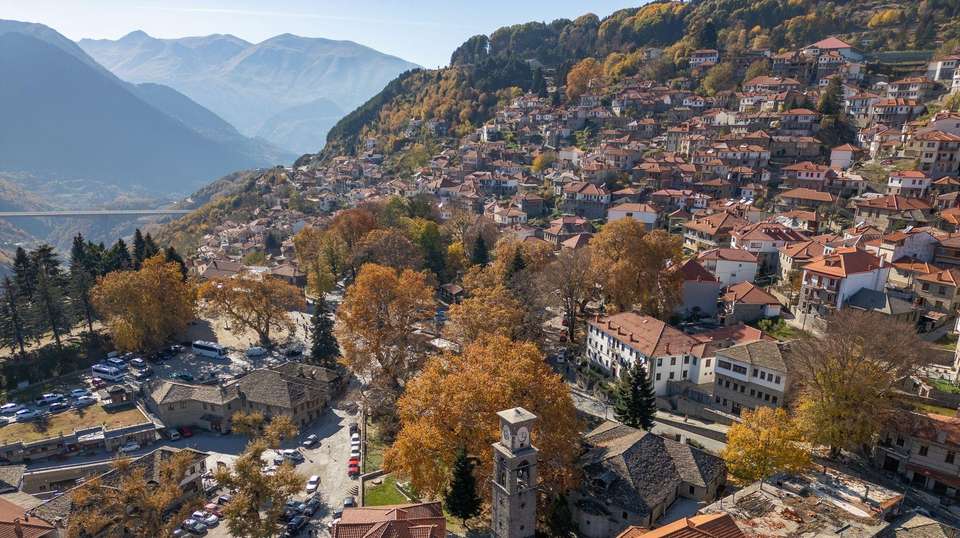
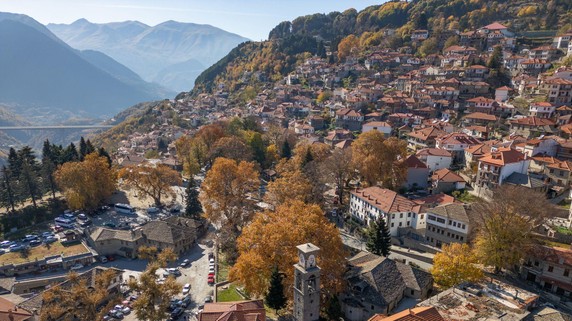
Metsovo: A mountain town in the Pindus range with a long Vlach heritage and a strong tradition of trade across the high passes of Epirus and Thessaly. Built on steep slopes, the town is known for stone-built houses, carved timber balconies and small churches that reflect its 18th- and 19th-century prosperity.
Ioannina: Cruise across Lake Pamvotis to the Island of Ioannina, a rare example of an inhabited lake island. Once ashore, the lanes lead past small churches and monastic sites that connect directly to the city’s Ottoman-era history, including places linked to Ali Pasha.
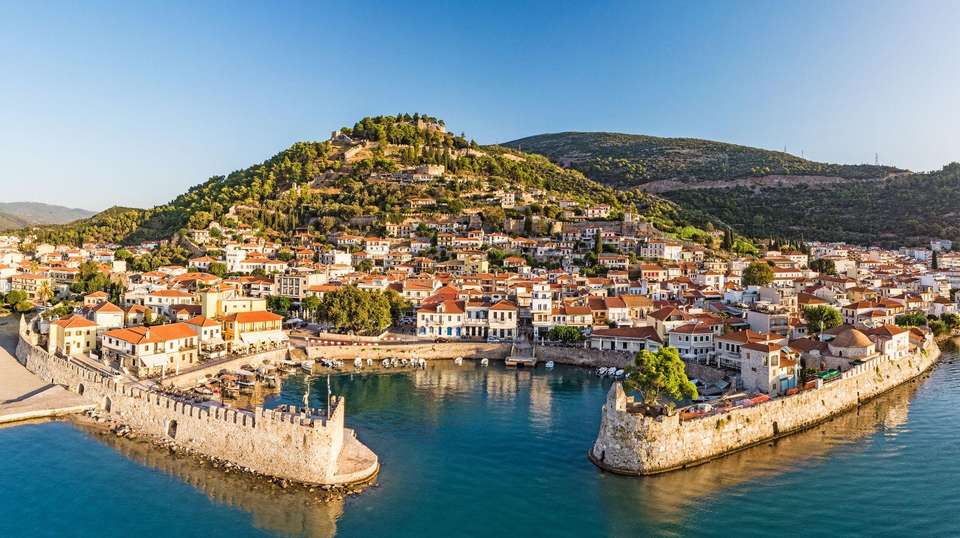
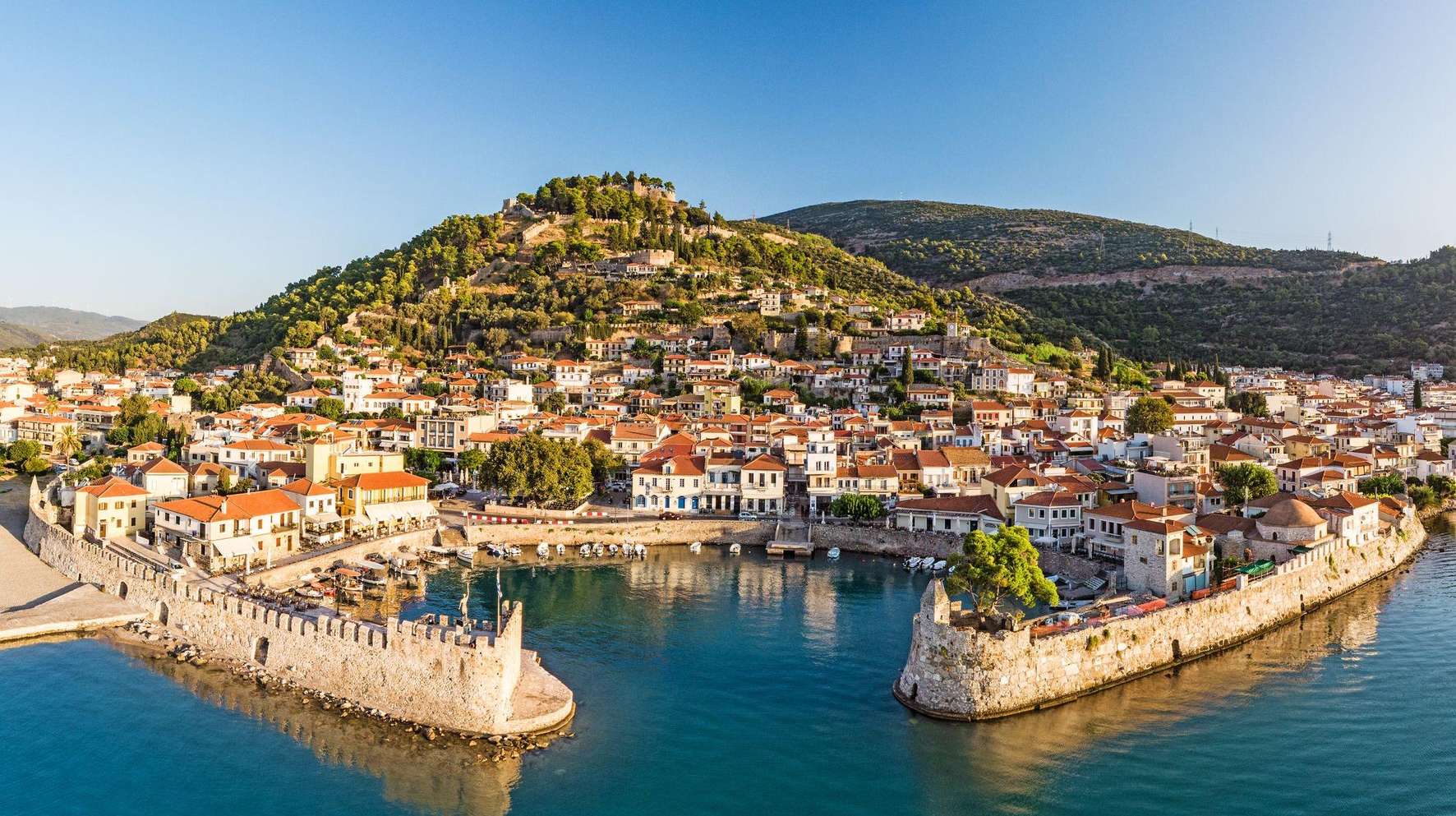
Nafpaktos: See how Nafpaktos marks the Battle of Lepanto on its waterfront, with memorial inscriptions near the Venetian harbour and a statue of Miguel de Cervantes, who fought in the 1571 naval battle. The harbour’s enclosed shape and defensive walls remain the clearest present-day reminder of why this port mattered strategically.
Delphi: Explore Delphi with your Local Expert, following the Sacred Way past the Treasury of the Athenians and the Polygonal Wall as the sanctuary climbs the slope of Mount Parnassus. You’ll reach the Temple of Apollo and learn how the oracle’s consultations shaped decision-making across the Greek world for centuries.
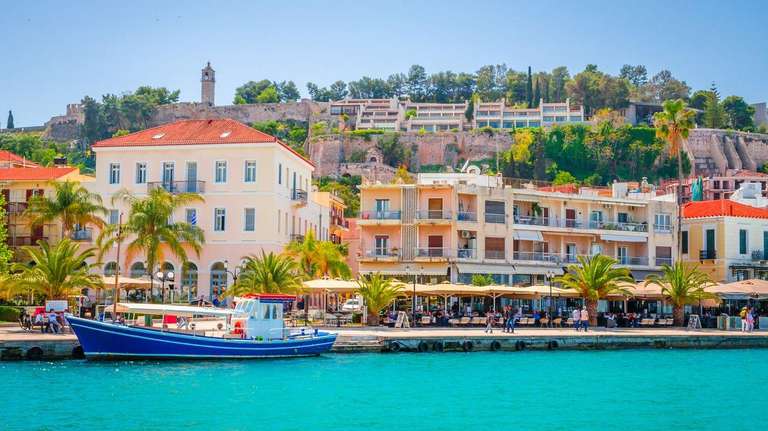
Nafplio: Join your Travel Director for an orientation of Nafplion. See why this town was chosen as Greece’s first capital after independence, with neoclassical public buildings and waterfront promenades set beneath the Palamidi fortress.
Archaeological Site of Mycenae: Explore Mycenae with your Local Expert, entering through the Lion Gate and walking the citadel where Cyclopean walls protected one of the most powerful centres of the Late Bronze Age. You’ll visit tholos tombs and learn how archaeology connects the site to Mycenaean society, trade and kingship.
Corinth Canal: See the Corinth Canal, opened in 1893 to cut a 6.3-kilometre passage through the Isthmus of Corinth and link the Aegean with the Ionian. From the crossing point, you’ll view the steep limestone sides and the narrow channel that shortened sea routes around the Peloponnese.
Nafpaktos: See how Nafpaktos marks the Battle of Lepanto on its waterfront, with memorial inscriptions near the Venetian harbour and a statue of Miguel de Cervantes, who fought in the 1571 naval battle. The harbour’s enclosed shape and defensive walls remain the clearest present-day reminder of why this port mattered strategically.
Delphi: Explore Delphi with your Local Expert, following the Sacred Way past the Treasury of the Athenians and the Polygonal Wall as the sanctuary climbs the slope of Mount Parnassus. You’ll reach the Temple of Apollo and learn how the oracle’s consultations shaped decision-making across the Greek world for centuries.
Nafplio: Join your Travel Director for an orientation of Nafplion. See why this town was chosen as Greece’s first capital after independence, with neoclassical public buildings and waterfront promenades set beneath the Palamidi fortress.
Archaeological Site of Mycenae: Explore Mycenae with your Local Expert, entering through the Lion Gate and walking the citadel where Cyclopean walls protected one of the most powerful centres of the Late Bronze Age. You’ll visit tholos tombs and learn how archaeology connects the site to Mycenaean society, trade and kingship.
Corinth Canal: See the Corinth Canal, opened in 1893 to cut a 6.3-kilometre passage through the Isthmus of Corinth and link the Aegean with the Ionian. From the crossing point, you’ll view the steep limestone sides and the narrow channel that shortened sea routes around the Peloponnese.
Itinerary
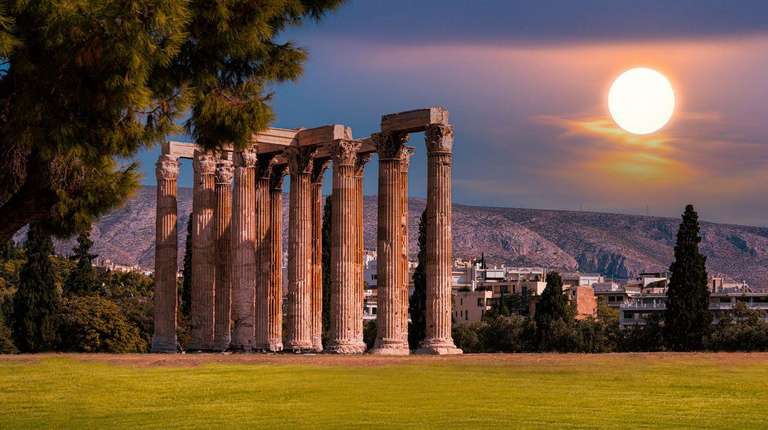
Greece’s ancient wonders and cultural riches shine on the "Greece Undiscovered" tour, a 15-day art and architecture journey starting in Athens and ending in Chania. Perfect for families, seniors, and experienced explorers, this tour reveals icons like the Acropolis, the Temple of Zeus, and the ancient city of Mycenae. In Thessaloniki, sample local delicacies and meet a family beekeeper, while Crete enchants with medieval towns and archaeological treasures. What distinguishes this trip is its balance of legendary sites and authentic local interactions, offering both must-see highlights and immersive, off-the-beaten-path experiences for a truly enriching Greek adventure.
day 1Welcome to Athens
Arrive in Athens, home to the Acropolis and the Parthenon, monuments that have defined the citys skyline since the 5th century BC. After settling into your hotel, meet your Travel Director and fellow Small Group travellers. This evening, gather with your group for dinner at a local restaurant featuring Greek dishes shaped by regional produce and long-standing culinary traditions.
day 2The Glorious City of Athens
day 3Ancient Dion and on to Thessaloniki
day 4Thessaloniki, Greeces Foodie Capital
day 5Vergina, Metsovo and on to Ioannina
day 6Picturesque Ioannina
day 7Venetian Town of Nafpaktos
day 8Delphi with a Local Expert
day 9On to Nafplion
day 10The Beauty of Nafplion
day 11Back to the Capital
day 12Farewell Greece
What's Included
Customer Reviews
Lots of walking on uneven pavement especially at the ruin sites. Must be mobile and steady on elevated grades. Need good walking shoes. Hats and suntan lotion needed with the intense sun. A long bus ride from Athens to Thessaloniki, but stops made along the way at the battle site of Thermopylee & Ancient Dion. Lots of history and ancient sites on this tour.
No
Goes to places not on other itineraries
We liked that we were 2 nights at every location. We were able to see & experience local sites you can't see from a cruise ship excursion. This wasn't the typical tourist islands, but so much more of the ancient historical areas of Greece. Visiting the Archaeologica historical sites was most intriguing. Also, got to experience the local life, like beekeeping, olive oil making & local dining.
Our Insight Vacations Greece Undiscovered tour was absolutely outstanding and exceeded our expectations in every way. What made this tour so special was that it went beyond the typical Greek highlights and took us through incredible regions of mainland Greece and Crete that we may never have discovered on our own. From the ancient wonders of Athens, Delphi and Mycenae to the beautiful mountain villages, lakeside towns and stunning Venetian harbours, every day offered something different and memorable. The itinerary was extremely well balanced, combining fascinating history and archaeology with authentic local experiences, amazing food and breathtaking scenery. The local guides were knowledgeable and passionate, bringing Greece’s history and culture to life in a way that made every site meaningful. The hotels were excellent, the coach was comfortable, and everything was organised seamlessly. We especially loved the time spent in Crete, which was a real highlight of the trip. The included local experiences, food tastings and cultural encounters made us feel connected to the places we visited rather than just passing through them. Most of all, our Travel Director and driver were exceptional. Their professionalism, knowledge, care and sense of humour made the whole experience even more enjoyable. If you're looking for a tour that combines ancient history, spectacular scenery, authentic Greek culture and premium travel experiences, I highly recommend Greece Undiscovered. It truly was a trip of a lifetime.
Monthly Price Comparison
Good to Know
Do you need help from our trip consultants?
If you have any question about this tour or need help with planning a trip, please do not hesitate to get in touch with us.
Our travel experts are ready to help.


Why Book with Bookmundi
No credit card or booking fees.
Best price guaranteed.
Carbon neutral tours.
25,000+ trip reviews, with an average rating of 4.8 out of 5.
What are customers saying about Bookmundi