Highlights
Stage 8 of the Via Francigena in Italy
Visiting the beautiful towns of Orvieto, Viterbo and Rome
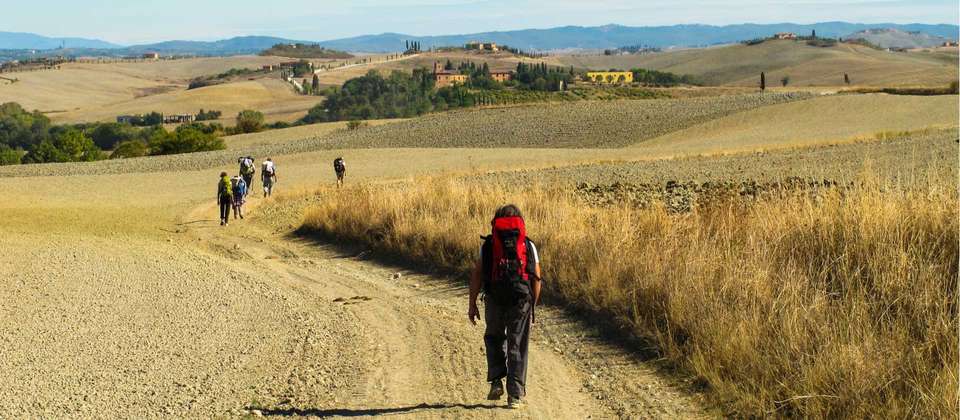
Exploring the spectacular landscapes and fascinating countryside including Lake Bolsena and the truff gorges
Walking through charming ancient Etruscan villages and historical sites
Staying in small, comfortable, family-run accommodations and sampling delicious regional culinary specialities
Discovering the Regional Park of Sutri and its Roman amphitheatre
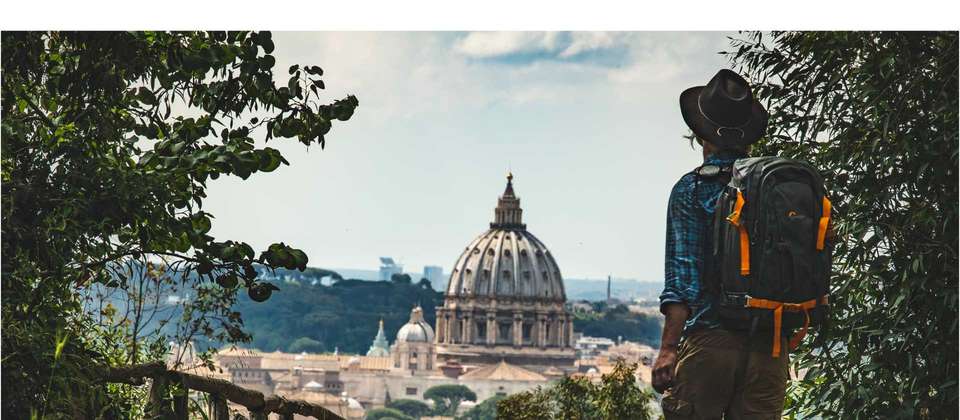
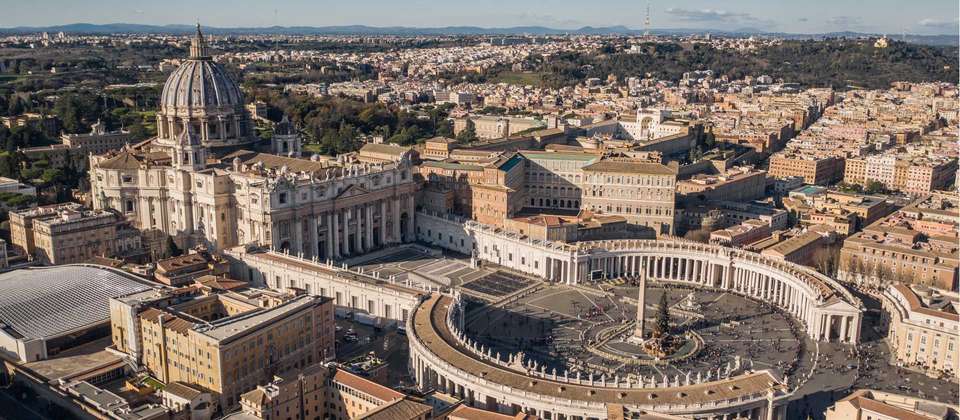
The sense of achievement entering Rome to reach St Peters Cathedral
Discovering the Regional Park of Sutri and its Roman amphitheatre
The sense of achievement entering Rome to reach St Peters Cathedral
Itinerary
Follow the footsteps of centuries of pilgrims on the "Via Francigena: Orvieto to Rome" walking tour, a ten-day self-guided journey across Italy’s storied heartland. Starting in Orvieto, the route winds through lake towns like Bolsena, wine-rich Montefiascone, and historic abbeys before culminating in the Eternal City of Rome. This moderate-level tour package offers a blend of ancient relics, charming farm stays, and family-run hotels, allowing travelers to soak up the route’s celebrated hospitality and tradition. The unique selling point: the chance to complete the last leg of one of Europe’s greatest pilgrimage routes—an experience rich in history, culture, and the satisfaction of walking into Rome itself.
day 1 - Arrive Orvieto (or Acquapendente)
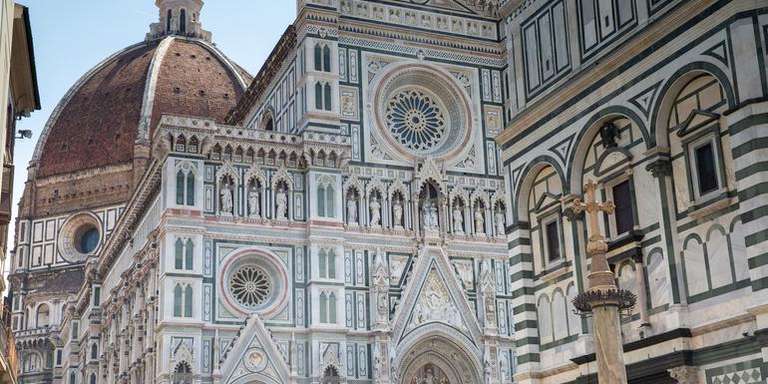
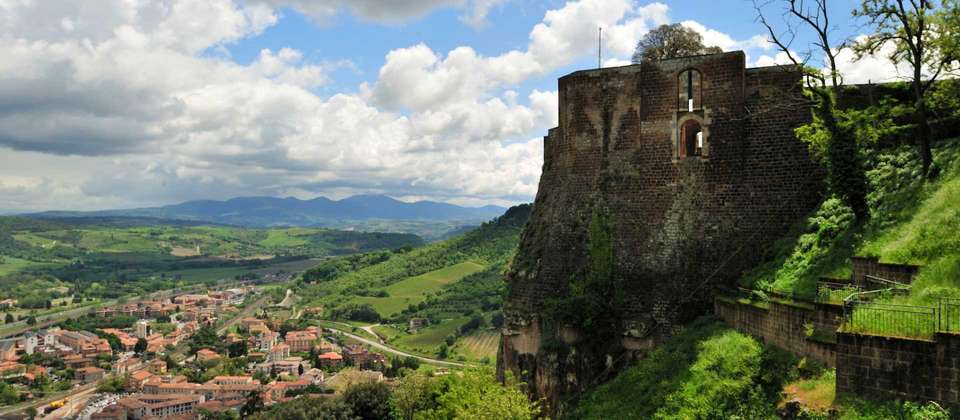
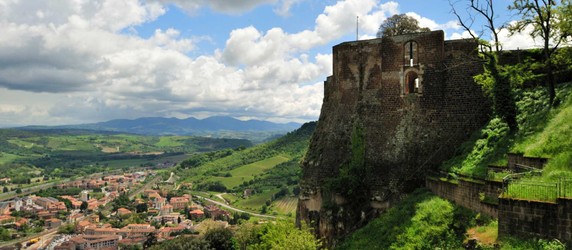
Today you will need to make your own way to the first hotel in Orvieto. Orvieto is a beautiful town sitting atop a tufaceous cliff in the middle of the Umbrian countryside. There are many interesting sites to visit including the impressive Cathedral or Duomo, a work of architecture and religious harmony considered to be among the most important in Italy. The medieval town centre is well-preserved and the underground city set deep in the tufa (volcanic rock) can be visited with a guide. The multitude of secret passageways and tunnels will remind you of the vast history of this town. Enjoy dinner and a glass of the local great wine in one of the many restaurants in town.
*Alternatively if you are continuing on from the previous section from Siena you may walk from Acquapendente, where the Southern Tuscany section finishes.
day 2 - Descend to Bolsena (5hr)
If you're starting in Orvieto the walk begins at the Duomo and crosses the whole old town. You'll soon enter the countryside and pass a recently discovered Etruscan necropolis. Some trails are on quiet asphalted roads and will bring you to the other side of an ancient crater with exceptional panoramic views over the Bolsena Lake.
If you're starting in Acquapendente you'll walk across a plain to reach the village of San Lorenzo Nuovo, which is located on the edge of the ancient crater, before continuing on a gradual descent to Bolsena.
Whatever your starting point, your destination for today is the charming old town of Bolsena on the banks of the beautiful lake of volcanic origin. Bolsena is known for the miracle of Corpus Domini.
Distance: 16km/10mi, ascent: 535m/1755ft, descent: 526m/1725ft.
The walk from Acquapendente is 22.8km/14.25mi, Ascent: 220m/721ft, Descent: 290m/951ft and will take between 7-8hr
day 3 - Walk along the crest of hills to Montefiascone (5hrs)
Today you will walk from Bolsena, following along the crest of the hills surrounding the eastern part of the lake. You'll walk along parts of the ancient Roman Via Cassia. This afternoon you will arrive in Montefiascone, a lovely village in a prominent location with great panoramic views over the lake, the surrounding plain and the Cimini Mountains. The Fortress of the Popes in Montefiascone is well-worth a visit. Overnight in Montefiascone.
Distance: 18km/11.2mi, ascent: 603m/1978ft, descent: 329m/1080ft
day 4 - Continue to Viterbo (6hrs)
The route to Viterbo today is along the plain that divides the Bolsena Lake from the Cimini Mountains. You'll be able to see the outline of the hills as you walk, as they border the whole territory. There are no residental areas along the route today but there are some old drinking fountains. When you arrive in Viterbo this afternoon you can take some time to visit the charming old town.
Distance: 18km/11mi, ascent: 174m/571ft, descent: 430m/1410ft.
day 5 - Through Etruscan countryside to Vetralla (8hrs)
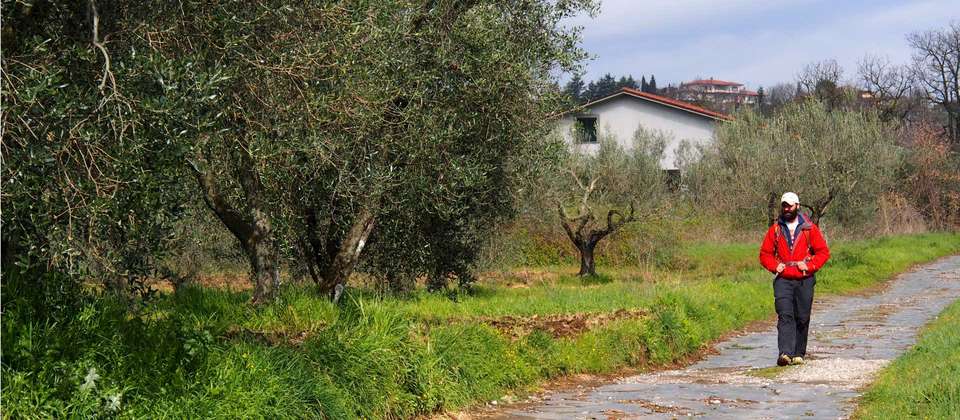
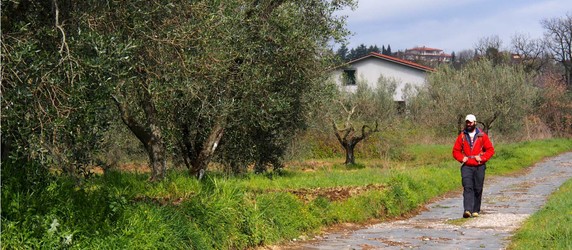
Leaving the town behind, the trail leads you into peaceful countryside and shaded forests, with the chance to spot an ancient Etruscan underground tomb along the way (standard route). If you choose the more challenging official route, you’ll follow paths along the slopes of the Cimini Mountains and pass through the charming village of San Martino al Cimino. By afternoon, you arrive at the gates of Vetralla, where you can visit the evocative ruins of the Pieve of Saint Marie di Forcassi – a fine example of the region’s early architecture. On your arrival, treat yourself to a snack of rustic bread and the local extra-virgin olive oil, before enjoying a walk through the alleyways of the old town centre. Dinner and overnight stay in Vetralla.
Distance: 22km/13.8mi, ascent: 548m/1798ft, descent: 548m/1798ft.
day 6 - Walk to Sutri via the tiny village of Capranica (7hrs)
With a full day ahead, an early start is recommended. From Vetralla, the trail follows the ridge of an ancient volcanic crater, once filled by Lake Vico. As you walk, the landscape opens into classic Etruscan countryside before reaching the small hilltop village of Capranica. From here the path descends into a dramatic tuff gorge, where the trail traces the stream below. This section is especially striking, though it can be challenging if water levels are high. Your walk ends in Sutri, a small town with a big history. Known as the “gateway to Etruria,” Sutri is home to fascinating archaeological remains including an ancient Roman amphitheater carved directly into the tuff rock - the choice is yours whether you sit on the terraces or get up on stage but as you leave remember to sign the visitors register - if the custodian is there he will invite you to do this. Its also where you find the church of Santa Maria del Parto, a Mithraeum later converted into a church, where the tufo walls of which are decorated in well preserved frescoes (look for the group of pilgrims among the images), and medieval city walls that still stand today. The town itself is atmospheric, with cobblestone streets, lively piazzas, and welcoming trattorias – a rewarding place to relax and enjoy dinner at your leisure after your walk.
Distance: 24km/14.9mi, ascent: 376m/1233ft. descent: 383m/1256ft
day 7 - Walk across fields to Monterosi and on to Campagnano di Roma (7hrs)
The day begins with a gentle walk across open fields before arriving in Monterosi, a small village with medieval origins that once stood as an important stop on the Via Cassia. In the center of town you’ll find a 17th-century baroque fountain and narrow lanes that speak to its historic character. Just beyond Monterosi are the Monte Gelato waterfalls – a peaceful cascade in a woodland setting, ideal for a rest or even a refreshing swim on a warm day. A panoramic road in the Veio Nature Park will bring you to the gates of Campagnano. Here you can rest in the Venturi Park, the home of a three-hundred year old Yew tree the locals call the “Tree of Death”: but don’t worry, you can sit in its shade without any danger! This hilltop town is steeped in history, with medieval gates, Renaissance palaces and the atmospheric old quarter to explore. The town’s churches, including San Giovanni Battista and Madonna del Sorbo Sanctuary just outside the center, reflect its long religious heritage. Campagnano is also known for its welcoming trattorias, where you can relax and enjoy an authentic Roman countryside meal after your walk. For those preferring a shorter stage, it’s possible to arrange a morning transfer to Monterosi or take a local bus, reducing the distance on foot (note: taxi transfers must be pre-booked).
Distance: 25km/15.7mi, ascent: 350m/1155ft, descent: 302m/991ft
day 8 - Follow country trails to La Giustiniana (8hrs)
Leaving Campagnano, the trail leads you into the Veio Nature Park, a landscape of wooded hills and quiet valleys. Soon you enter the enchanting Valle del Sorbo, where you can pause to admire the Sanctuary of the Madonna del Sorbo, a historic pilgrimage site. Continuing on, the path takes you into the old town of Formello, with its medieval streets and stone buildings that recall centuries of history. Further along, you’ll reach the small village of Isola Farnese, dramatically perched on a cliff and surrounded by forest. Overlooking the settlement is the Castello Farnese, a striking fortress that can be visited by pre-booking online, offering panoramic views across the valleys. The final stretch carries you through the Roman countryside before reaching the hamlet of La Giustiniana. Located on the northern outskirts of Rome, La Giustiniana has long served as a natural gateway to the Eternal City for pilgrims arriving on the Via Francigena. Today it’s a quiet suburban area with local cafés, trattorias and a convenient train station that links directly to the city center.
(Subject to availability overnight may be at Isola Farnese, 5km less walking today, 5km more tomorrow).
Distance: 25km/15.5mi, ascent: 580m/1903ft, descent: 690m/2263ft.
If you wish to shorten the walk today you can take a bus from La Storta to La Giustiniana to avoid the last stretch.
day 9 - Final walk into Rome (5hrs)
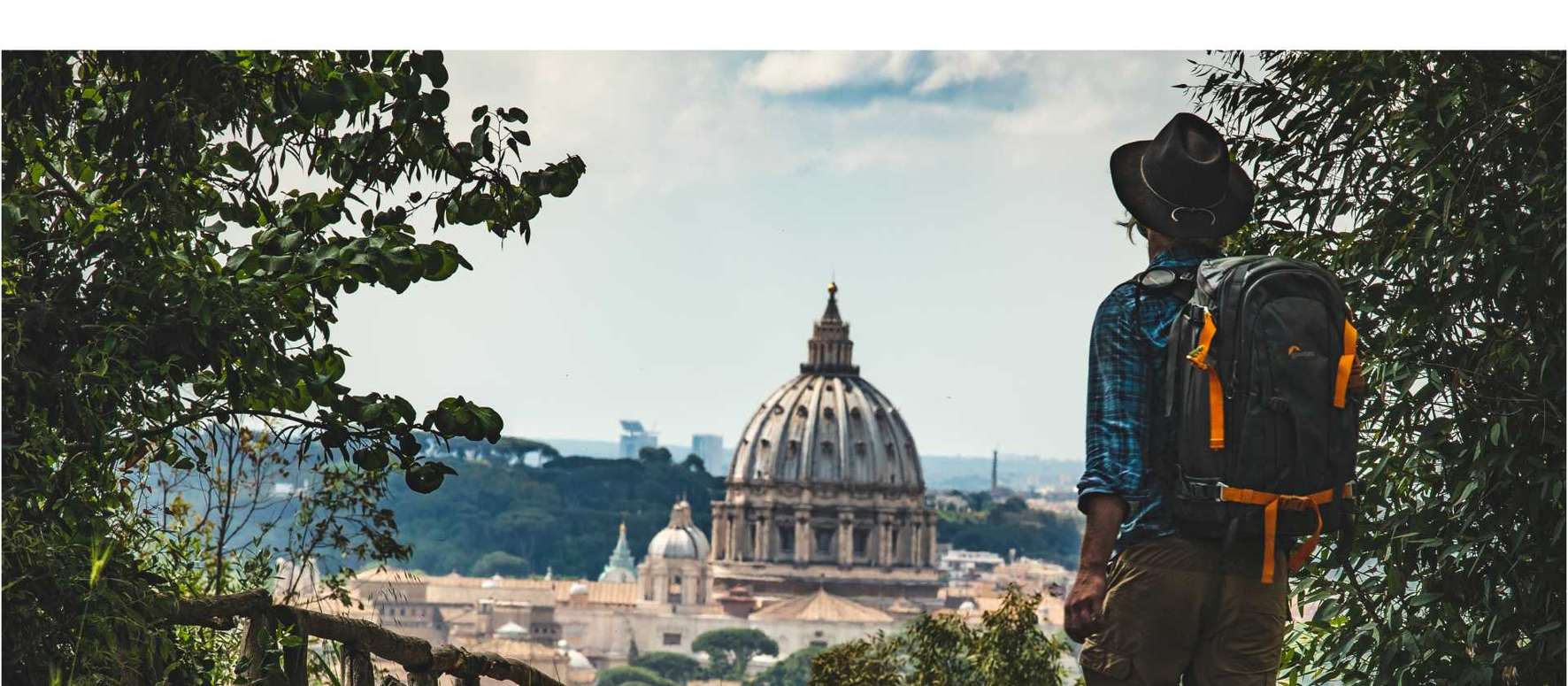
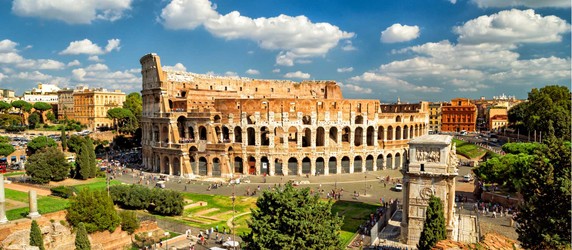
You’ve reached the final leg of your journey into the Eternal City. Your final day begins from Giustiniana where the route sets out along the sidewalk of the historic Via Cassia before soon entering the green corridor of Parco dell’Insugherata. From here, you return to the city along Via Trionfale, making use of a pedestrian and cycle bridge near the Vatican walls. This last approach carries you into the energy of Rome, with stretches of traffic reminding you that you are entering a great metropolis. The reward, however, comes as you climb to the Belvedere di Monte Mario. From this panoramic viewpoint, you’ll catch your first unforgettable glimpse of St Peter’s dome rising above the Eternal City. The route then descends towards Piazza San Pietro, the symbolic end point of both your journey and of the northern Via Francigena.
Be sure to capture a triumphant photograph in front of St Peter’s Basilica before celebrating with a Roman feast – perhaps spring lamb, pecorino romano cheese, or a maritozzo pastry filled with cream. A well-earned finale to your pilgrimage.
Distance: 16 km / 10 mi, ascent: +310 m/1,017ft, descent: -450m/-1,476 ft
day 10 - Trip concludes
The trip concludes in Rome, with arrangements ending after breakfast.
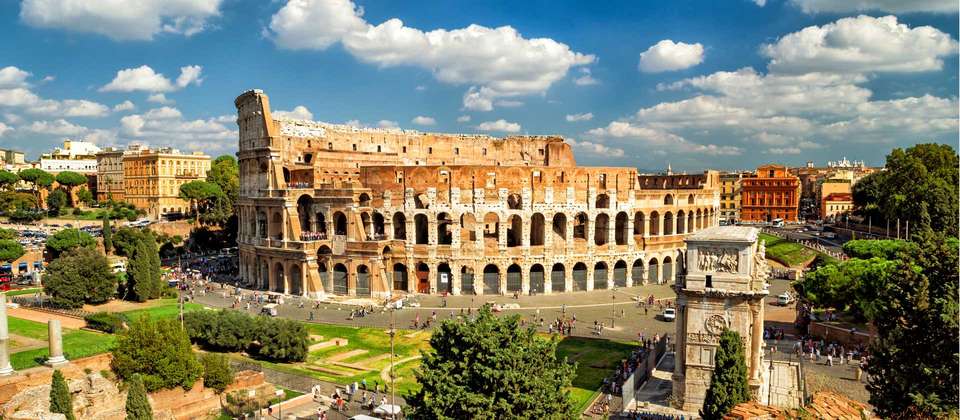
With much to do and see in Rome, it is well worth extending your stay so you can explore the city. We can book extra nights, please ask for our rates.

Get Trip Brochure & Exclusive Discount
Download a detailed PDF brochure and unlock an exclusive discount for this tour
What's Included
What's Excluded
Tour Availability
Select your preferred departure date and secure your spot
Loading availability...
Monthly Price Comparison
Good to Know
Frequently asked questions
Frequently asked questions relating to this tour or destination.
Do you need help from our trip consultants?
If you have any question about this tour or need help with planning a trip, please do not hesitate to get in touch with us.
Our travel experts are ready to help.



Why Book with Bookmundi
Earn USD 55+ in travel credits.
Best price guaranteed.
No credit card or booking fees.
100% financial protection.
Carbon neutral tours.
25,000+ trip reviews, with an average rating of 4.8 out of 5.