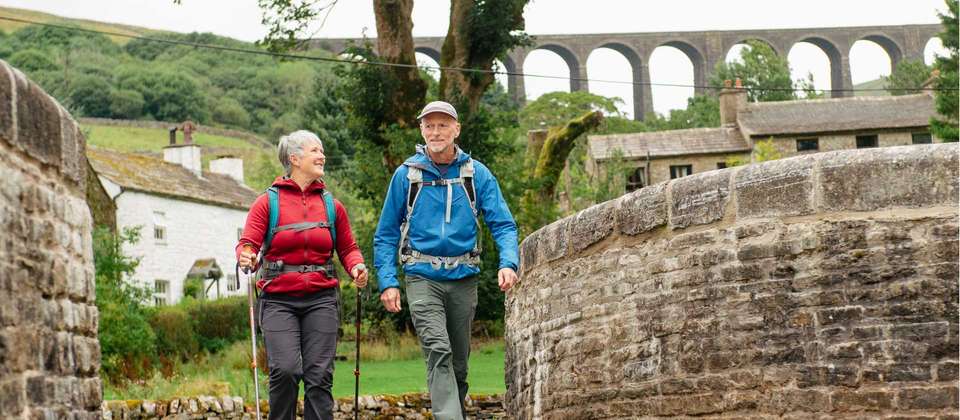
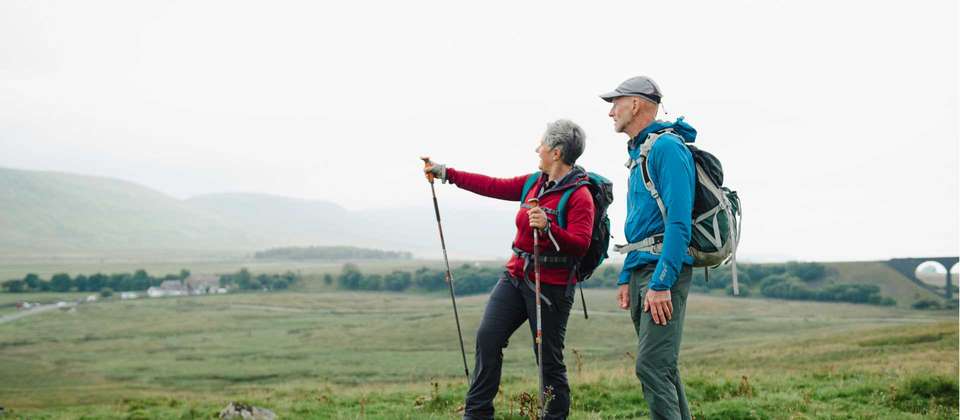
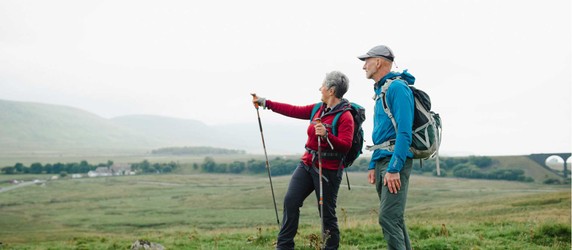
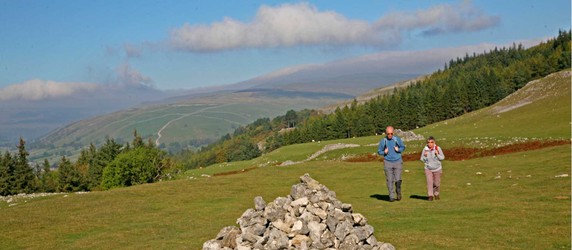
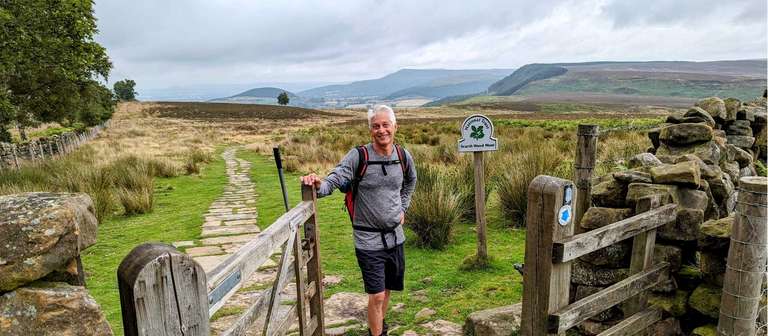
Walk the full 78-mile route from the Yorkshire Dales to the Lake District
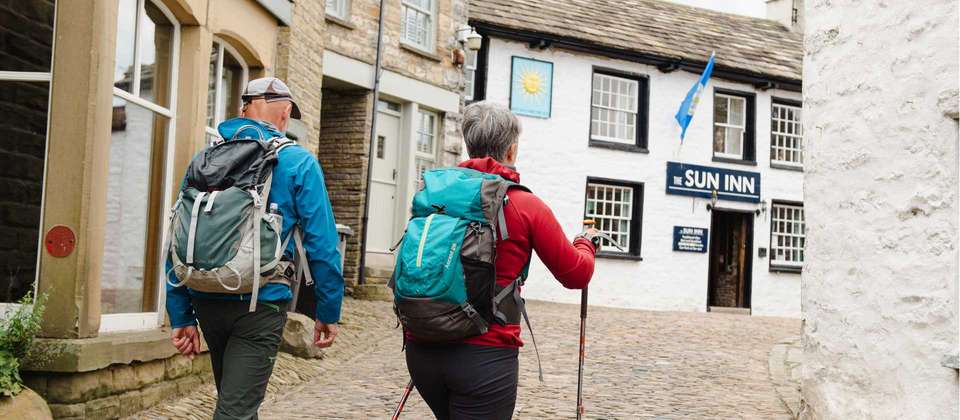
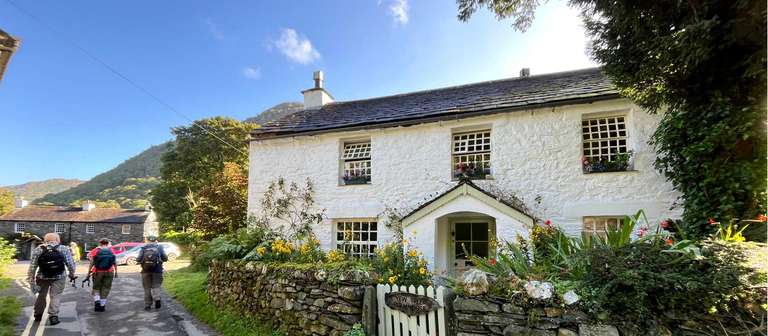
Stay in Inns and Farmhouses dating from the 16th and 17th Centuries
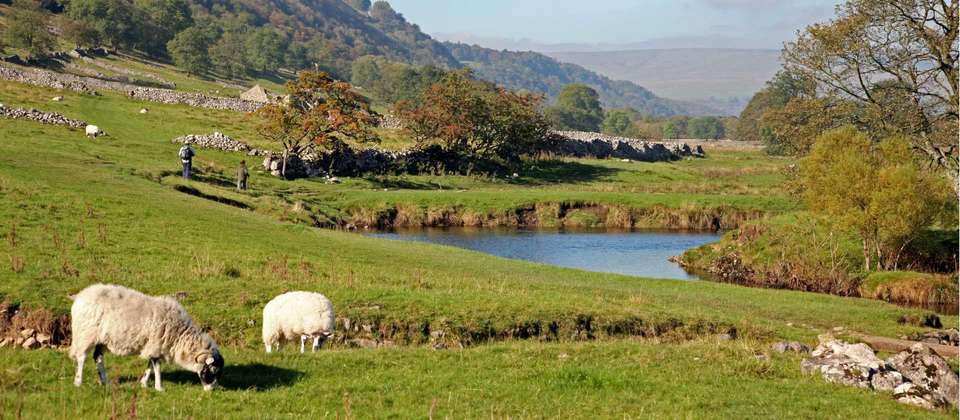
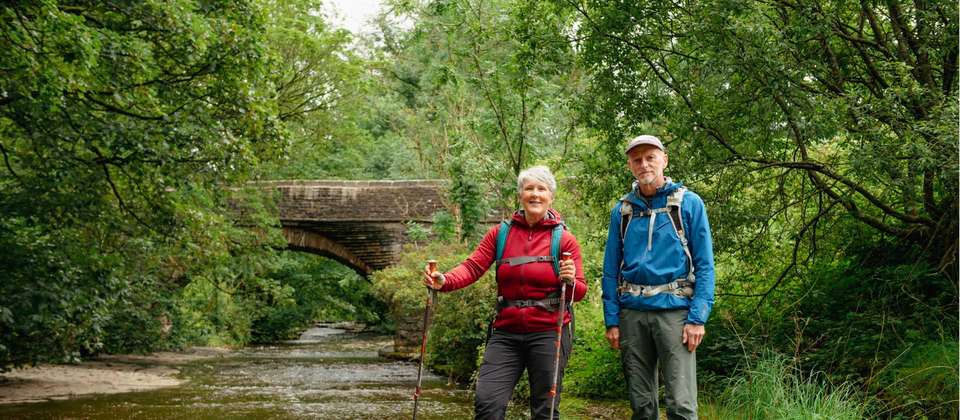
Stroll along the banks of the Rivers Wharfe, Dee, Lune and Kent
Explore charming villages, historic churches, and the ruins of Bolton Abbey
Finish at Lake Windermere and revel in views of the Langdale Pikes
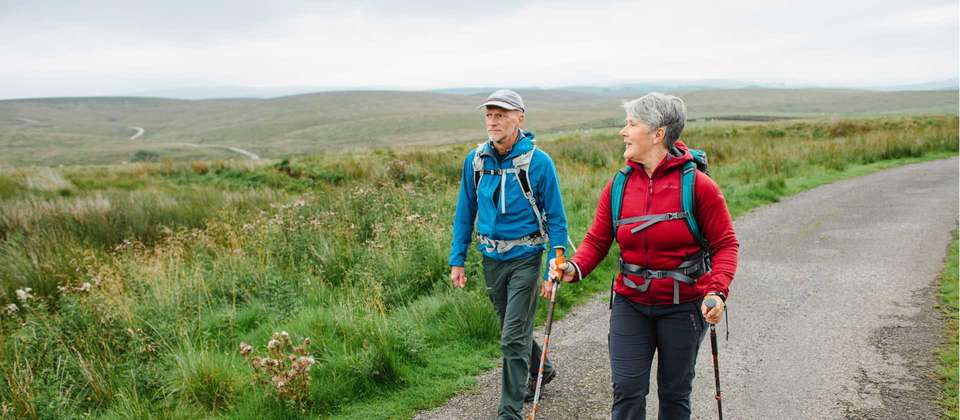
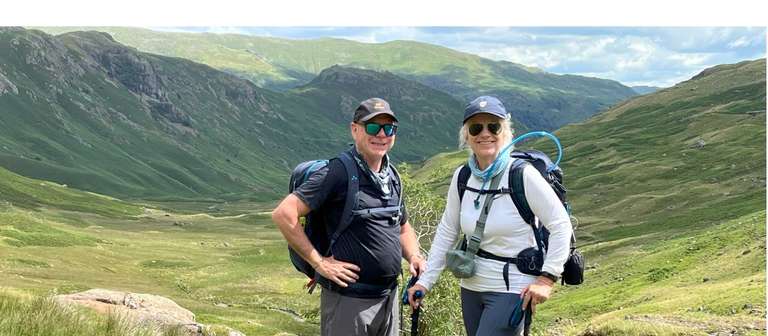
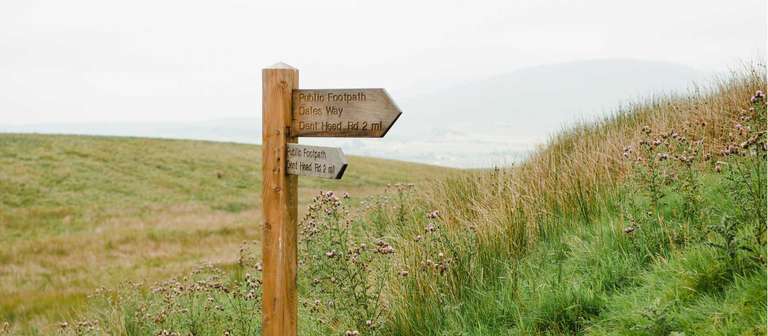
Well waymarked route with no technical hillwalking required
Well waymarked route with no technical hillwalking required
8 daysDuration
Group TourJoin a group of travelers
20 peopleMaximum group size
18 - 99 yearsAge range for participants
EnglishGuide language
Starts
Ends
Ilkley, England
England
Monthly Price Comparison
What's Included
Accommodation
7 nights accommodation in hotels and guesthouses on a twin share basis with ensuite facilities where available
Meals
7 breakfasts
Others
One piece of luggage per person transferred from Inn to Inn, not exceeding 20kgDigital information pack including Navigational App, maps & route notesEmergency hotline
Itinerary
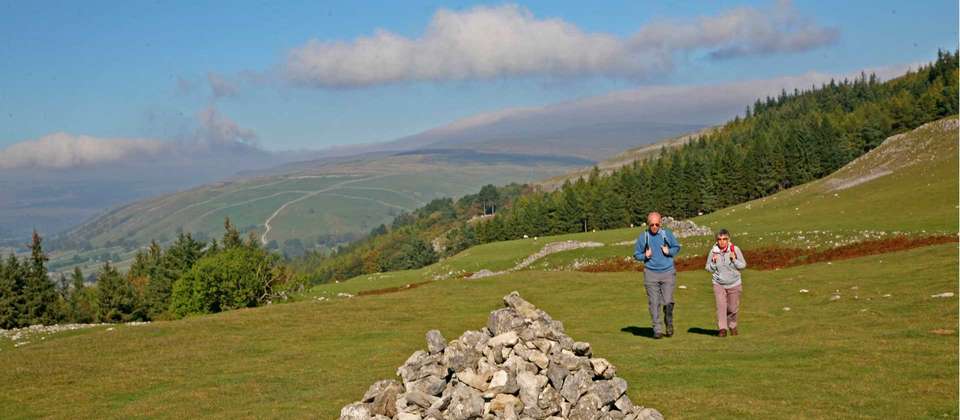
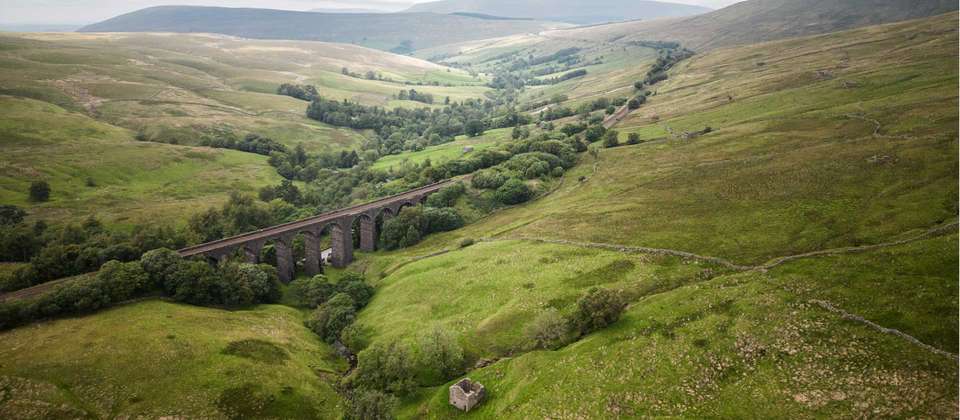
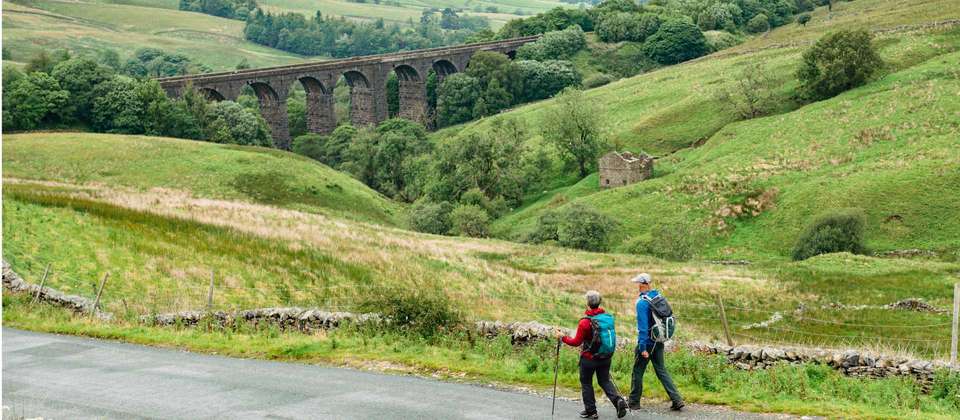
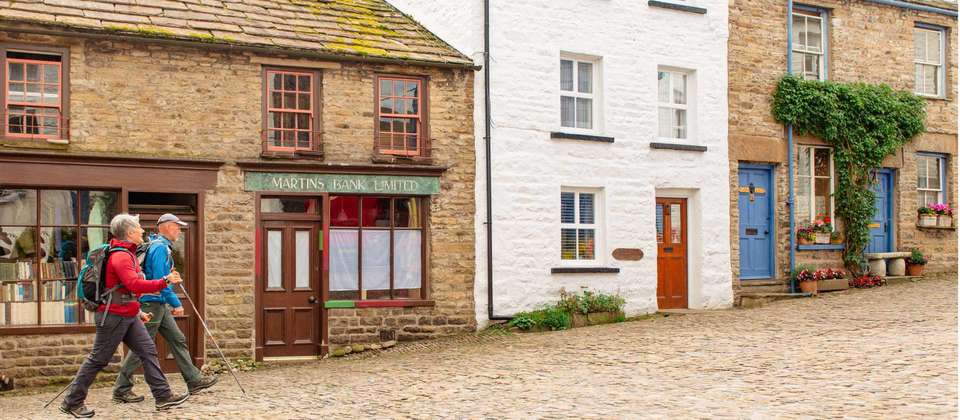
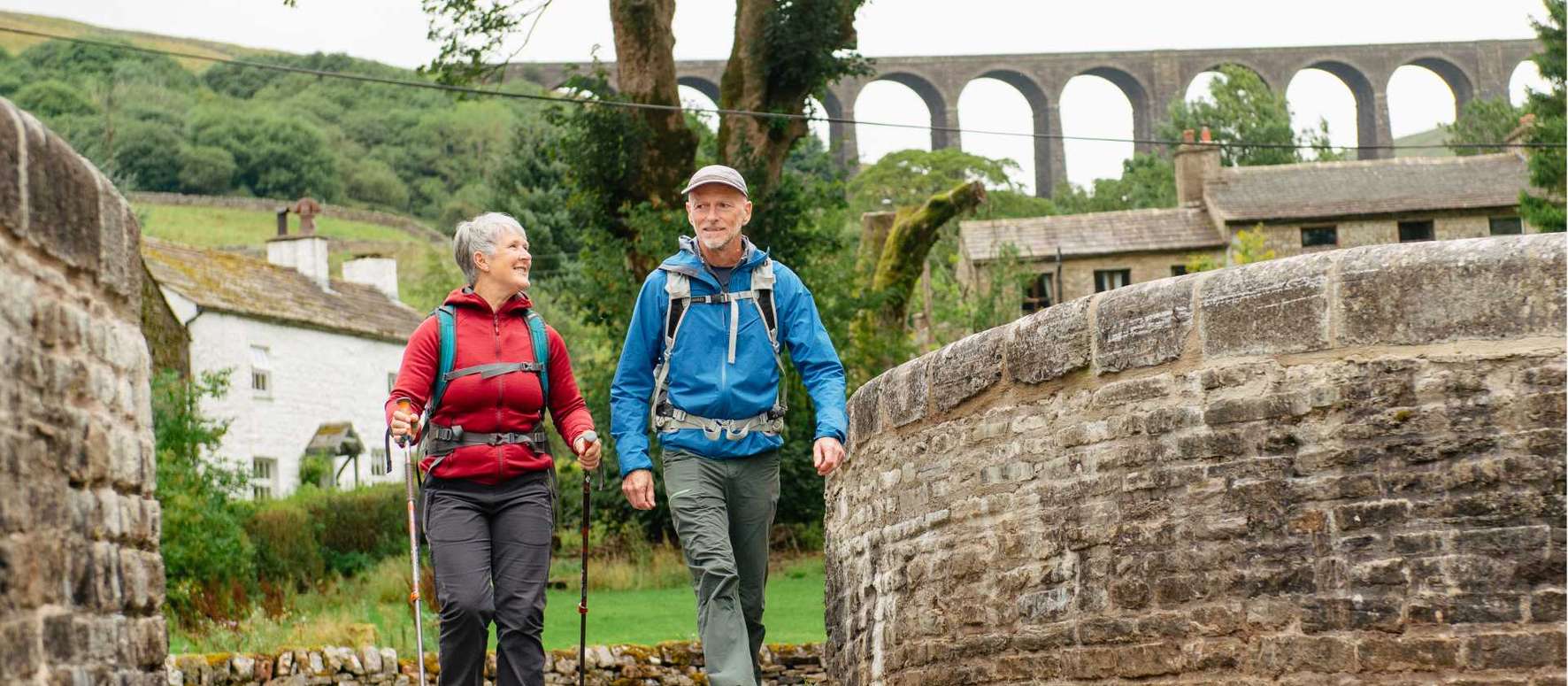
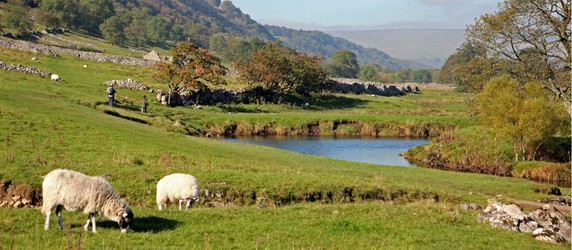
Walk through the Pennines and Lake District in the Yorkshire Dales. Welcome to the timeless beauty of the Yorkshire Dales, one of England’s purest Highland landscapes. With rolling green hills, limestone escarpments, winding valleys, and stone-built villages, this is a region where age-old traditions and stunning views remain remarkably untouched. Along the way, you’ll encounter waterfalls, Roman roads, ancient churches, abbey ruins, and cosy real ale pubs that reflect the proud heritage of the area. This self-guided walking holiday follows the full 78-mile route of the much-loved Dales Way, a long-distance path established in 1969. Beginning in the heart of the Yorkshire Dales National Park, the trail winds west through river valleys and over stretches of open moorland, finishing in the Lake District at Bowness-on-Windermere. The walking is mostly gentle, though some sections can be muddy after rain, and there are a few higher moorland crossings. Much of the route follows picturesque rivers such as the Wharfe, Dee, Rawthey, Lune, and Kent, where you may spot kingfishers, dippers, wagtails, and even Berwick swans. Brown trout are often seen in the clear waters. Highlights include a scenic walk through Wharfedale, time to explore the atmospheric ruins of Bolton Abbey, and a steady ascent to the Pennine watershed at Cam Fell, which rises to 1,700 feet (518 metres). From there, the trail descends into peaceful Dentdale, continues through the historic market town of Sedbergh, and crosses gently rolling pastureland to reach Lake Windermere. This is a rewarding route for walkers seeking a true taste of rural upland England, full of natural charm, history, and quiet beauty.
day 1Arrive Ilkley
Make your own way to Ilkley. Optional walk to Cow, Calf Rocks and Ilkley Moor. Here you can find the ‘White Well’ a tiny Victorian spa, not much bigger than a luxury sized bath, popular in the days when people with pneumonia were encouraged to bathe in icy cold waters. If the flag is flying, a small teashop is also open (2.5 hr round trip). If you prefer to relax have a look around this attractive country town with its range of specialist local family shops and cafes, there is a branch of Betty’s Tea Rooms with declicious cakes and a variety of teas. There is a small history museum and next to it, All Saints Church, which is built on the site of a Roman fort, contains some Anglo-Saxon crosses dating back to the 9th century. Accommodation: Stay in the Victorian Riverside Hotel. All facilities are ensuite and rooms come equipped with satellite TV. This is a pub hotel and does great food throughout the day and there is a separate restaurant area away from the bar. The picturesque setting, with river views and rowing in the summer months, make this an ideal place to start our tour.
day 2Ilkley to Burnsall 20.9 km/13 miles, 6 h. 500ft ascent
day 3Burnsall to Hubberholme 25.7 km/16 miles, 6.75 h. 850ft ascent
day 4Hubberholme to Cowgill 22.5km/14 miles, 6.5 h. 1500ft ascent
day 5Cowgill to Sedbergh 17.7 km/11 miles, 5 h. 500ft ascent
day 6Sedbergh to Burneside 25.7 km/16 miles, 6 h. 1300ft ascent
day 7Burneside to Bowness on Windermere 16 km/10 miles, 4 h
day 8Arrangements end after breakfast
Availability
Loading availability...
A
AnonymousVerified Traveler
5.0 | Excellent
Accommodation and bag transfer worked seamlessly. Loved the Guibo travel app concept but it has some technical issues that need sorting out.
A
AnonymousVerified Traveler
5.0 | Excellent
It was good initially, but was not that helpful for a specific trip.
A
AnonymousVerified Traveler
5.0 | Excellent
We recently completed 6 days of walking along the Dale's Way path in the Yorkshire Dales area of Great Britain and they did a brilliant job making all the arrangements. There were a few glitches with the mobile App that was set up for our trip but with the map backups there was no real issue. The accommodations were all good to great, and it should be noted that if you don't heed their advice and book a table for dinner in certain restaurants, there won't be a table available. They did everything except guarantee the weather. Also note that if you're booked into the Winderemere Park Hotel in Windermere at the end of the Dales Way walk, it is a fair climb up the hill from Bowness, but there is a regular bus route that runs along the road. That would have been better than another uphill walk, and good information to have. All-in-all, a great trip and we were extremely happy with both Walkers' Britain & Europe, and ourselves for making the trip.
A
AnonymousVerified Traveler
5.0 | Excellent
We had a great walk! The Dales Way is much more boggy and muddy than we expected, but overall we loved the adventure!
A
AnonymousVerified Traveler
5.0 | Excellent
A wonderful walk through the British countryside with glorious views. We loved it.
Good to Know
Travel Insurance
Visa
Other Practical Information
What's Excluded
Similar Tours You Might Like
Discover our top tours similar to The Dales Way that you might like.
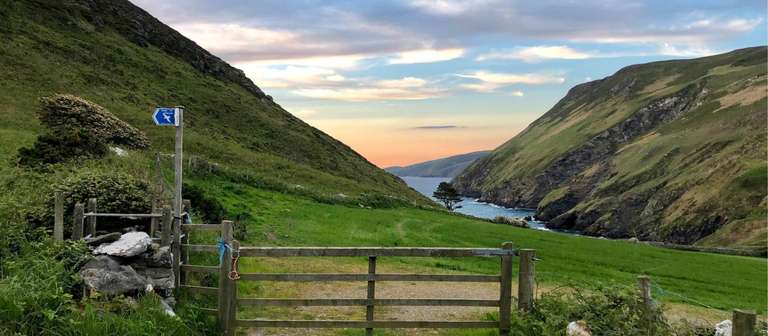
For those seeking a truly unique hiking adventure, the "Isle of Man Coastal Path: The Way of The Seagull" offers a nine-day, self-guided trek circumnavigating the enchanting Isle of Man. Experienced travelers and seniors with a taste for moderate activity will relish this 161 km journey—known as the Raad ny Foillan—that traces dramatic cliff tops, tranquil glens, and historic villages. Highlights include the rugged Calf of Man, the Irish-tinged city of Peel, and the industrial marvels of Laxey’s Victorian mining heritage. The walk’s USP is its near-continuous coastline, promising spectacular seascapes and a sense of timeless tradition. With comfortable accommodations and logistical support, this trekking tour is perfect for those wanting to explore history, nature, and local culture at their own pace.
Walk part of the Coast to Coast Walk through the Yorkshire Dales and North York Moors at your own pace. Embark on the eastern half of Alfred Wainwright’s legendary Coast to Coast walk, tracing the route from the rugged Pennines through the Yorkshire Dales and across the heather-covered North York Moors to the dramatic cliffs of the North Sea.
Your hike begins near the halfway point of the trail in the Pennines Area of Outstanding Natural Beauty. Cross into the Yorkshire Dales National Park and climb the mystical Nine Standards Rigg. From there, you will follow the scenic River Swale past timeless villages and rolling farmland before arriving in the historic market town of Richmond. The journey continues into the North York Moors National Park, where panoramic vistas and sweeping moorland paths guide you towards the coast.
The final stretch leads to Robin Hood’s Bay, where tradition calls for dipping your boots in the North Sea and marking your achievement with a pint, a glass of champagne, or an ice cream on the beach. Along the way, you’ll enjoy the charm of classic northern England; fields of sheep, rolling hills, dry stone walls, friendly local communities, and hearty full English breakfasts. Accommodation is in cosy country hotels, welcoming guesthouses, and traditional pubs—each reflecting the warm hospitality of rural England.
For a gentler pace, our 11-day itinerary (trip code WCO) breaks up the final two long stages between Richmond and Blakey Ridge, giving you more time to savour the scenery. Scroll down to explore all our Coast to Coast walking holiday options.
Walk along the southern section of the Cornwall Coastal Path. Discover one of the most scenic stretches of the South West Coast Path as you walk from Penzance to Mevagissey, a route rich in natural beauty, cultural history, and coastal charm. This journey takes you through dramatic cliffs at The Lizard—Britain’s southernmost point—along wooded estuaries, sheltered tidal creeks, and the tranquil Fal River. The region is part of an Area of Outstanding Natural Beauty, known for its lush gardens, palm-lined paths, and unique microclimate. Along the way, you’ll encounter tiny fishing villages, secret smugglers’ coves, and stories of shipwrecks that inspired authors like Daphne du Maurier and Virginia Woolf, and latterly Raynor Winn, the now infamous author of The Salt Path. Whether you're admiring the birdlife, exploring subtropical gardens, or simply taking in a spectacular Cornish sunset, this moderate week-long walk offers a deeply memorable experience for both nature lovers and literary enthusiasts alike.
Cover the first half of the Coast to Coast Walk from St Bees to the village of Kirkby Stephen crossing the Lake District National Park. Experience the most dramatic section of Wainwright’s legendary Coast to Coast route on this self-guided walking holiday from the Irish Sea at St Bees to the market town of Kirkby Stephen. The western half of the Coast to Coast offers some of the most spectacular scenery in northern England, crossing the rugged heart of the Lake District National Park and into the edge of the Yorkshire Dales.
This 9-day itinerary cleverly splits the final long stage between Shap and Kirkby Stephen into two shorter days, giving you a more relaxed finish without losing any of the route’s highlights. It’s ideal if you’re short on time, new to long-distance walking, or want to enjoy the trail at an easier pace while still experiencing the best-loved landscapes of the Coast to Coast.
Your journey begins by dipping your boots in the Irish Sea at St Bees, then heading east with the prevailing wind at your back. You’ll walk through dramatic valleys such as Ennerdale, Borrowdale, and Patterdale, pass shimmering lakes, and cross high passes with the option to tackle famous summits like Helvellyn. As the Lake District fells give way to the gentler landscapes of the Yorkshire Dales, you’ll finish in Kirkby Stephen, a charming market town on the edge of the Yorkshire Dales with rail links—perfect for a celebratory rest after an inspiring week on the trail.
Prefer a faster pace? Our 8-day version (trip code UCT) keeps the classic long stage between Shap and Kirkby Stephen intact for a more challenging itinerary.
Scroll down to explore all our Coast to Coast walking options.
Follow the Coast to Coast Walk from St Bees towards the historic villages and beautiful landscapes of the Yorkshire Dales. Experience the most dramatic section of Wainwright’s legendary Coast to Coast route on this self-guided walking holiday from the Irish Sea at St Bees to the market town of Kirkby Stephen. The western half of the trail showcases some of the most spectacular scenery in northern England, taking you across the rugged heart of the Lake District National Park and into the edge of the Yorkshire Dales.
If you're short on time, new to long-distance walking, or prefer to explore the route in manageable stages, this itinerary is an ideal way to sample the best-loved landscapes of the Coast to Coast. It’s also perfect for hikers who simply want the thrill of crossing the Lake District on foot, experiencing the quiet valleys, shimmering lakes, towering peaks and traditional fellside villages. You’ll start your journey by dipping your boots in the Irish Sea at St Bees, then head east with the prevailing wind at your back. The route leads through dramatic valleys such as Ennerdale, Borrowdale, and Patterdale, with the chance to take optional high-level detours to iconic Lakeland summits like Helvellyn. As the Lake District fells give way to the gentler landscapes of the Yorkshire Dales, your walk concludes in Kirkby Stephen, a charming town with rail links and a great place to relax after an inspiring week on the trail.
Looking to take things at a gentler pace? Our 9-day version of this trip (trip code WSK) breaks up the longer stage between Shap and Kirkby Stephen, offering a more relaxed alternative.
Scroll down to explore all our Coast to Coast walking options.
An extended 10 day walk through the Pennines and Lake District in the Yorkshire Dales. Welcome to the beautiful Yorkshire Dales, the purest form of English highland landscape, with traditions and views, which have remained virtually untouched for centuries. Soft rolling hills, limestone edges, green valleys, waterfalls, a Roman road, several interesting old churches, an abbey and some lovely Real Ale pubs all feature here as well as the villages proud of their heritage. This tour includes the whole 78 mile length of this much loved long distance path, established in 1969, which runs right across the Yorkshire Dales National Park to the Lake District. Gradients and terrain are generally straight forward, but the going may be muddy underfoot in wet weather; there are some high moorland areas to cross. Much of the trail follows pretty river valleys especially The Wharfe, Dee, Rawthey, Lune and The Kent. All have beauty spots for shady picnics, small ravines and rapids and are patrolled by birds such as Berwick swans, kingfishers, dippers and wagtails. Brown trout lurk in their waters depths. There are also a large number of “stiles” and “kissing gates” to negotiate as you stroll across fields, so good mobility is important. The itinerary follows Wharfedale (where there is time to admire the ruins of Bolton Abbey) and then via Hubberholme, gradually gaining height upstream to reach the Pennine watershed at Cam Fell (1700 feet). The way then runs down Dentdale to the market town of Sedbergh and across sheep pastures to Bowness on Windermere.
Walk the second section of the Coast to Coast through the Yorkshire Dales and North York Moors at a more comfortable pace. This rewarding eastern section of Alfred Wainwright’s legendary Coast to Coast walk takes you from the rugged Pennines, through the Yorkshire Dales, and across the beautiful North York Moors National Park to the dramatic cliffs of the North Sea. This extended 11-day itinerary breaks up the middle stages of the route, allowing for shorter daily distances, more time to explore the scenery, and a more relaxed pace through one of England’s most charming walking regions.
Your journey begins in the Pennines Area of Outstanding Natural Beauty, climbing the mystical Nine Standards Rigg before descending into the rolling green hills and timeless villages of the Yorkshire Dales. Follow the meandering River Swale into the historic market town of Richmond, then continue towards Blakey and the heather-covered slopes of the North York Moors. From here, the trail rolls dramatically towards the coast, ending with a triumphant arrival in Robin Hood’s Bay. Tradition calls for dipping your boots in the sea and celebrating with a pint, a glass of champagne, or an ice cream on the beach!
Along the way, you’ll experience classic English landscapes of dry stone walls, historic market towns, and friendly village pubs. Accommodation is in cosy small hotels, traditional inns, and welcoming guesthouses—places that showcase the warmth and hospitality of rural England.
If you’d like a faster-paced adventure, our 9-day version of this itinerary (trip code WCO) keeps the final two days between Richmond and Blakey Ridge intact for a more traditional challenge. Scroll down to explore all of our Coast to Coast walking options.
A mixture of coastal and moorland walking The Cleveland Way. Walkers familiar with Wainwright’s Coast to Coast path will already be well acquainted with a couple of spots along the rolling Cleveland Way such as The Wainstones, Urra Moor and Robin Hood Bay. In fact it shares about 10 miles of routing with the ‘C to C’. Maybe they will be intrigued enough by their flirtation with the trail to don their boots once again and take up the challenge of the 110 mile Cleveland Way route from Helmsley to Filey in its entirety. What stands out is the experience of half a walk over hill and scarp edges and half along the hilly coastline of the Yorkshire seaside. There is much to enjoy for those interested in history, those ‘collecting’ National Trails and for aficionados who wish to enjoy arguably the best Fish ‘n’ Chips in England at Whitby Bay! This is the second of the ‘National Trails’, dating from 1969 and is rooted in the North York Moors National Park / Yorkshire Heritage Coast. Along its length there are contrasts in walking between field - quilted farmlands, forest patches, dramatic sandstone rock scarps, bleak moorlands and the highly eroded coastline, punctuated by beautiful little fishing villages, clinging to the cliffs. It is an area that has been threatened by the expansion of the Tyne – Tees Conurbation on the one side and by the encroaching North Sea on the other. However apart from busy coastal towns such as Scarborough, it remains a tranquil area, bolstered and protected by the presence of the National Park of which about 80% of the walk occupies. Highlights of the Cleveland Way include, the remains of the Norman Rievaulx Abbey, and 13th century Whitby Abbey (but dating from the 7th century!), the Captain Cook Monument and Robin Hoods Bay with it's cliff-hanging cottages. Most of the route follows well sign-posted footpaths, which generally have good surfaces and are easy to follow. The exception to this is along the coastal path, which, in some places, is overgrown and uneven underfoot. The amount of daily ascent and descent is moderate, with much of the walk being on level or gently sloping ground. There are a number of steep ascents along the section from Osmotherley to Urra Moor and at some places along the coast, but these are generally of no more than one or two hundred metres at a time.