Highlights
Delhi: Explore the tangled lanes of Chandni Chowk by rickshaw. Commissioned by Mughal Emperor Shah Jahan in the 17th-century, this historic market remains a hub of trade and tradition. The ride offers a front-row seat to daily life, passing spice stalls, textile shops, temples and tea vendors. Continue past the Red Fort’s imposing walls and visit Raj Ghat, where Mahatma Gandhi was cremated in 1948.
New Delhi: Visit one of Delhi’s most prominent Sikh temples, built at the site associated with Guru Har Krishan, the eighth Sikh Guru. Known for its golden dome and community kitchen, this spiritual centre serves over 10,000 free meals daily in an expression of seva, or selfless service, central to Sikh philosophy.
Delhi: Explore the sandstone and marble mausoleum of Emperor Humayun, commissioned in 1565 by his widow Empress Bega Begum. A forerunner to the Taj Mahal, this UNESCO World Heritage Site blends Persian and Mughal design and was the first garden tomb on the Indian subcontinent, inspiring later Mughal architecture.
New Delhi: Explore Agrasen ki Baoli, a centuries-old stepwell believed to have been rebuilt during the Lodi dynasty. Stretching 60 m (197 ft) in length and 15 m (49 ft) deep, its precise, tiered design once served as a vital water source. This well-preserved structure offers a window into medieval urban planning and Delhi’s layered architectural heritage.
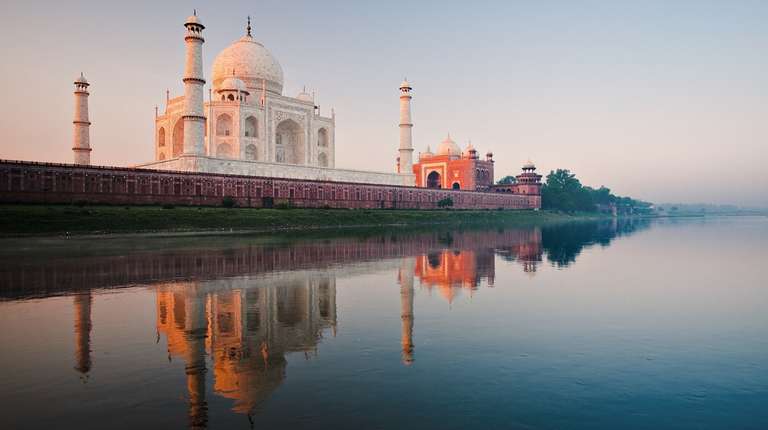
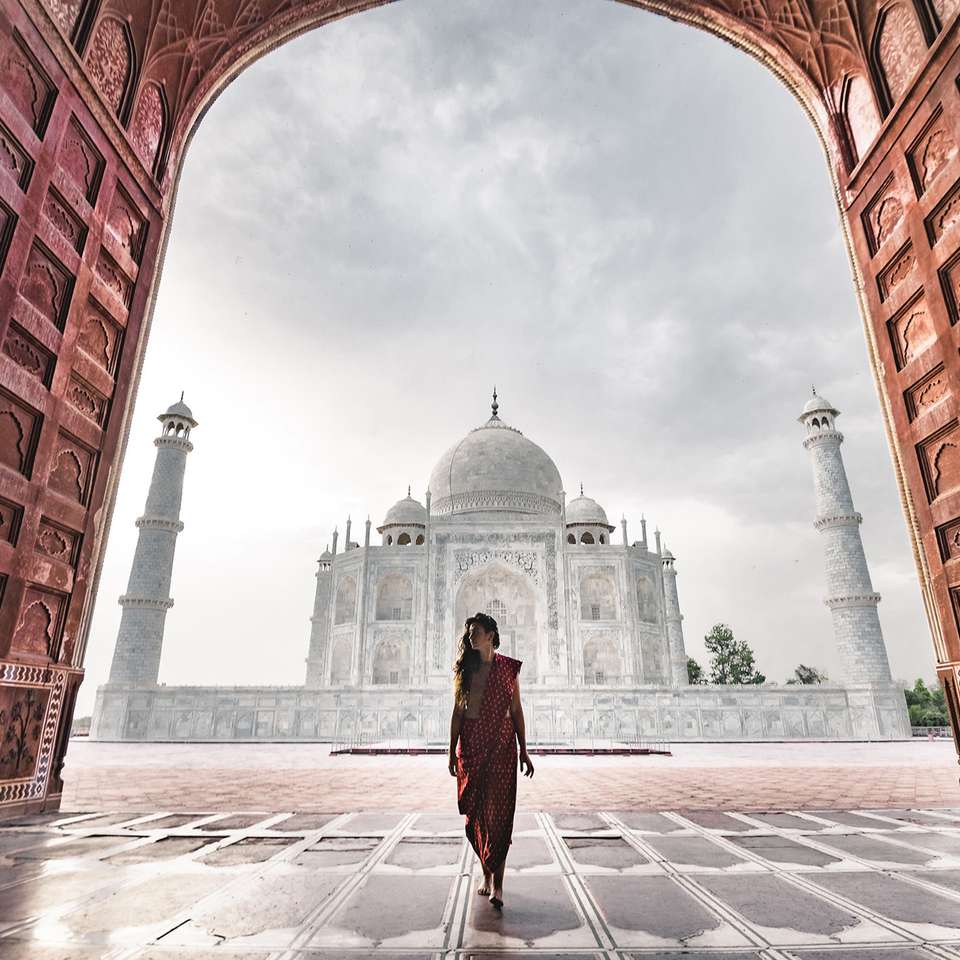
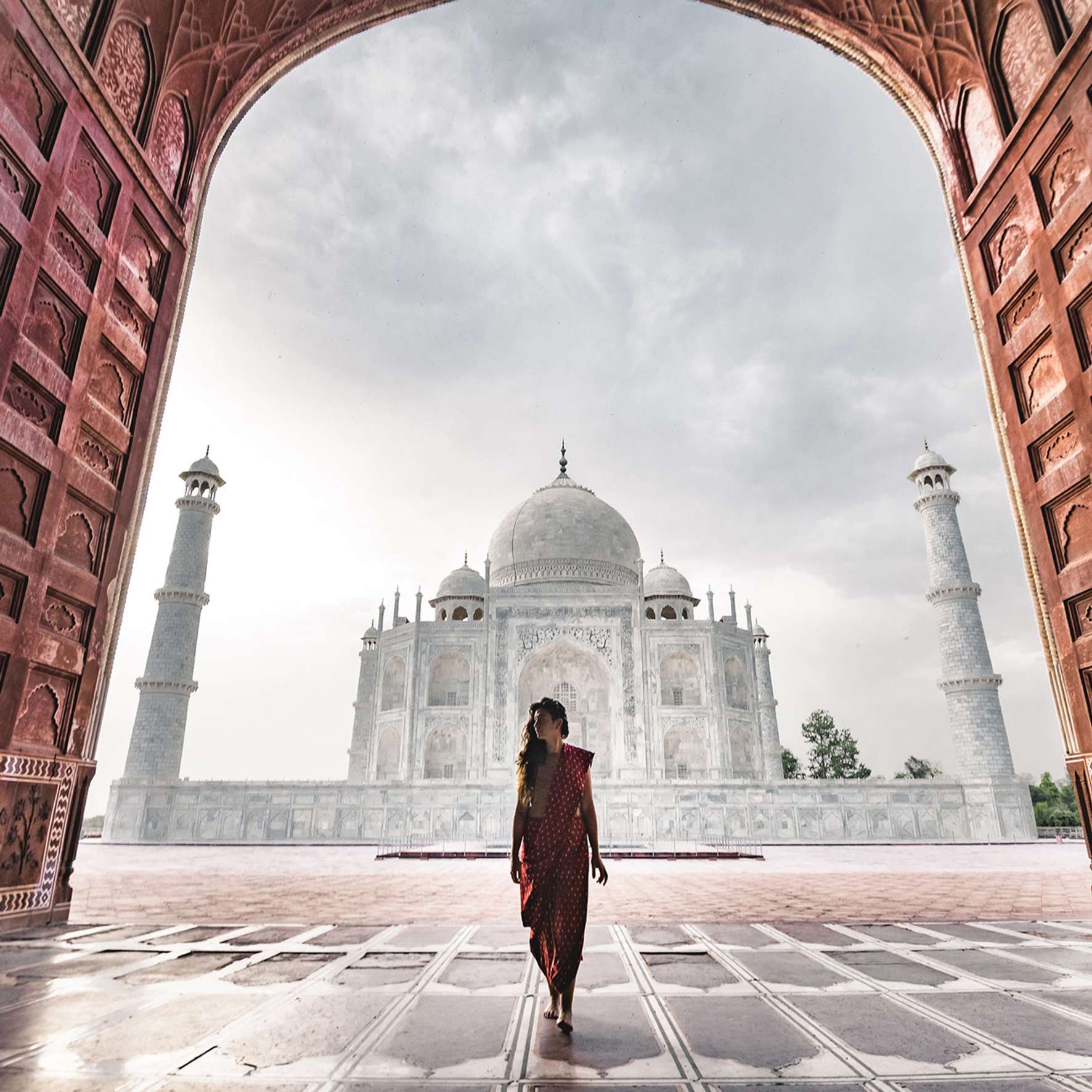
Agra: Visit the Taj Mahal at sunrise, perfect for enjoying the monuments symmetry without the daytime crowds. Built in the 17th-century by Emperor Shah Jahan as a mausoleum for his wife Mumtaz Mahal, the site exemplifies Mughal architectural precision, combining Persian, Islamic and Indian elements in perfect alignment with its formal gardens.
Agra: Explore Agra Fort, a UNESCO World Heritage Site and former imperial residence of the Mughal dynasty, which ruled over India between the 16th and 19th-century. Constructed in red sandstone by Emperor Akbar in the 16th-century, the fort housed successive rulers and includes ornate palaces, audience halls and a former prison cell where Shah Jahan, builder of the Taj Mahal, spent his final years.
Sariska Tiger Reserve: Explore the varied landscapes of Sariska Tiger Reserve on morning and afternoon game drives led by expert trackers. Once the hunting domain of Alwar’s maharajas, the reserve is now home to Bengal tigers, leopards, nilgai, sambar deer and over 200 species of birds, including crested serpent eagles and painted storks.
Jaipur: Visit Amber Fort, the 16th-century hilltop stronghold of the Kachhwaha Rajputs, built from red sandstone and marble. Travel by Jeep up the winding approach to the fort’s main entrance, passing rugged ramparts and ancient gates. Inside, explore courtyards, mirrored halls and frescoed chambers that reveal the opulence of Rajasthan’s royal past. A special blessing ceremony offers a meaningful encounter with local tradition in a setting once reserved for royalty.
Jaipur: Explore the City Palace, the official residence of Jaipur’s royal family since the 18th century. Designed with a blend of Rajput and Mughal influences, the complex includes grand courtyards, audience halls and a museum showcasing royal costumes, manuscripts and arms. The palace remains a symbol of the city’s regal heritage and architectural ambition.
Lake Pichola: Board a traditional boat for a guided cruise on Lake Pichola, a freshwater lake first created in 1362 to support Udaipur’s water supply. Take in key landmarks including the City Palace and Jag Mandir, both built to demonstrate royal power and refinement.
Udaipur: This sprawling complex was built over four centuries by the rulers of the Mewar dynasty and remains one of the most impressive royal residences in Rajasthan. Perched above the lake, it features mirrored halls, marble balconies and a museum showcasing royal costumes, weaponry and decorative arts. The architecture reflects a fusion of Rajput and Mughal design.
Agra: Explore Agra Fort, a UNESCO World Heritage Site and former imperial residence of the Mughal dynasty, which ruled over India between the 16th and 19th-century. Constructed in red sandstone by Emperor Akbar in the 16th-century, the fort housed successive rulers and includes ornate palaces, audience halls and a former prison cell where Shah Jahan, builder of the Taj Mahal, spent his final years.
Sariska Tiger Reserve: Explore the varied landscapes of Sariska Tiger Reserve on morning and afternoon game drives led by expert trackers. Once the hunting domain of Alwar’s maharajas, the reserve is now home to Bengal tigers, leopards, nilgai, sambar deer and over 200 species of birds, including crested serpent eagles and painted storks.
Jaipur: Visit Amber Fort, the 16th-century hilltop stronghold of the Kachhwaha Rajputs, built from red sandstone and marble. Travel by Jeep up the winding approach to the fort’s main entrance, passing rugged ramparts and ancient gates. Inside, explore courtyards, mirrored halls and frescoed chambers that reveal the opulence of Rajasthan’s royal past. A special blessing ceremony offers a meaningful encounter with local tradition in a setting once reserved for royalty.
Jaipur: Explore the City Palace, the official residence of Jaipur’s royal family since the 18th century. Designed with a blend of Rajput and Mughal influences, the complex includes grand courtyards, audience halls and a museum showcasing royal costumes, manuscripts and arms. The palace remains a symbol of the city’s regal heritage and architectural ambition.
Lake Pichola: Board a traditional boat for a guided cruise on Lake Pichola, a freshwater lake first created in 1362 to support Udaipur’s water supply. Take in key landmarks including the City Palace and Jag Mandir, both built to demonstrate royal power and refinement.
Udaipur: This sprawling complex was built over four centuries by the rulers of the Mewar dynasty and remains one of the most impressive royal residences in Rajasthan. Perched above the lake, it features mirrored halls, marble balconies and a museum showcasing royal costumes, weaponry and decorative arts. The architecture reflects a fusion of Rajput and Mughal design.
Itinerary
Uncover the enduring legacy of India’s maharajas on a journey through Rajasthan: a land of walled cities, palatial forts and timeless traditions. With likeminded women by your side, travel in style from Delhi to Udaipur, you’ll stand in awe before the Taj Mahal at sunrise, seek out tigers in Sariska Tiger Reserve and explore Jaipur’s Pink City by e-rickshaw with pioneering women drivers on a MAKE TRAVEL MATTER® Experience. Delve deeper into India’s living heritage as you learn the art of Rajasthani cuisine with Shrimati Usha Kumari in her ancestral haveli, and join international folk dancer Vijay Laxmi Ji for a private studio visit and dance session. With immersive cultural moments, regional cuisine and handpicked heritage stays, this tour brings you up close and personal with the stories, and the women, shaping India’s regal heartland.
day 1Welcome to Delhi
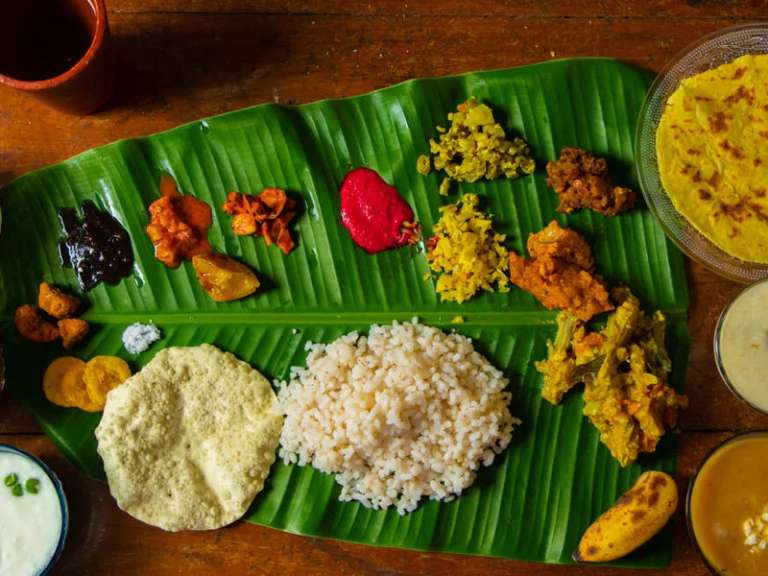
Welcome to the vibrant heart of India. Meet your Travel Director and fellow guests this evening for a warm welcome over a traditional Indian dinner at a local restaurant.
day 2Old Delhi Heritage
day 3New Delhi and On to Agra
day 4The Taj Mahal at Sunrise
day 5On Safari at Sariska Tiger Reserve
day 6Jaipur, The Pink City
day 7Forts and Palaces of Jaipur
day 8Through Rural Rajasthan to Deogarh Mahal
day 9To Udaipur and Lake Pichola
day 10Udaipur, The City of Lakes
day 11Farewell India
What's Included
Customer Reviews
This tour has not received any customer reviews yet. However, you can expect a  Premier tour and service level as the travel specialist who runs it has received 2946 reviews for other tours with an average 4.6rating.
Good to Know
Do you need help from our trip consultants?
If you have any question about this tour or need help with planning a trip, please do not hesitate to get in touch with us.
Our travel experts are ready to help.


Why Book with Bookmundi
No credit card or booking fees.
Best price guaranteed.
Carbon neutral tours.
25,000+ trip reviews, with an average rating of 4.8 out of 5.
What are customers saying about Bookmundi