Planning a Trip to Australia: The Ultimate Guide

Overview
In this article
Must Visit Places in Australia
Australia’s size means you are unlikely to see everything you want to during a single trip. However, most Australia vacation packages cover a couple of regions and a handful of cities at least. Here are some places you might want to add to the list:
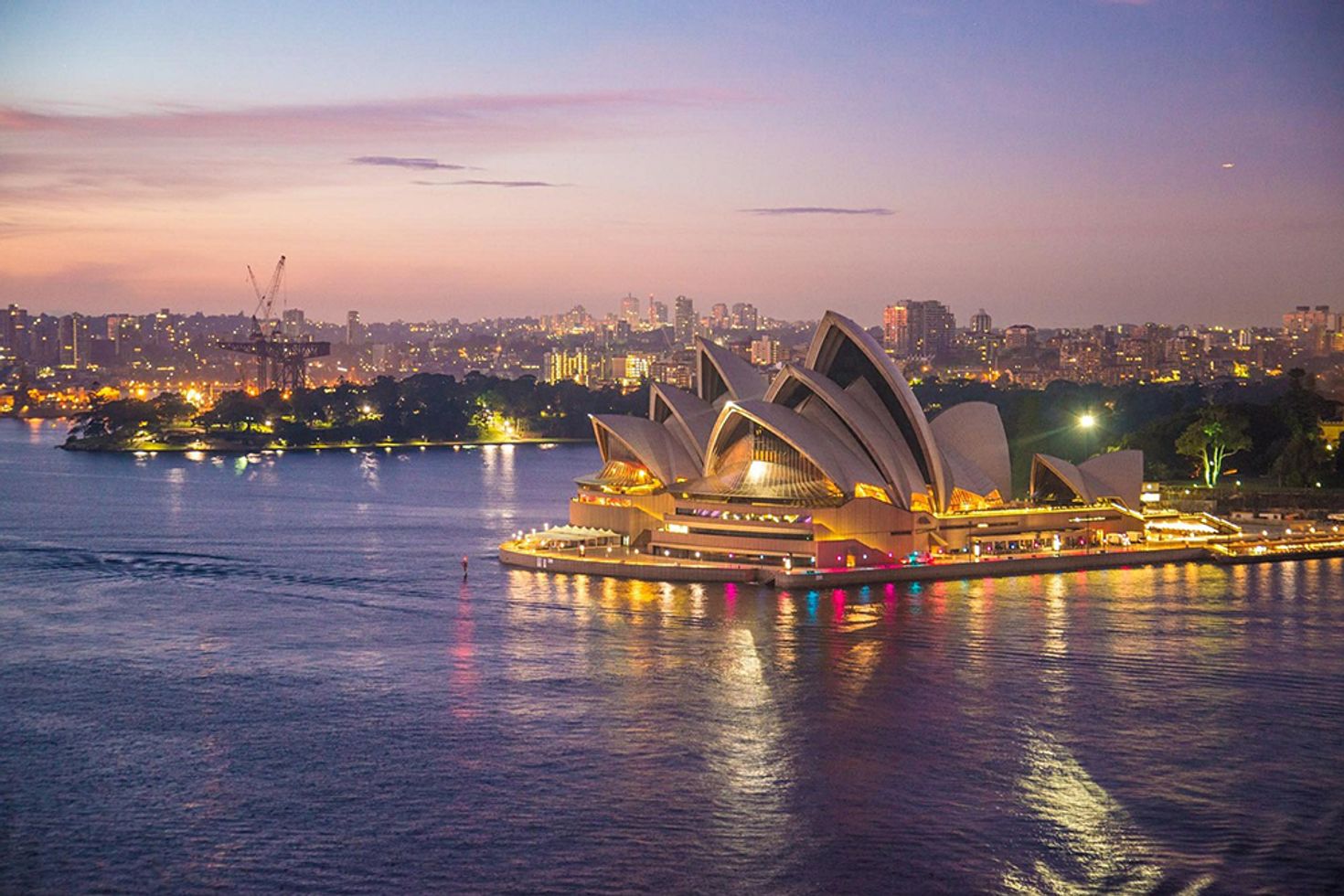

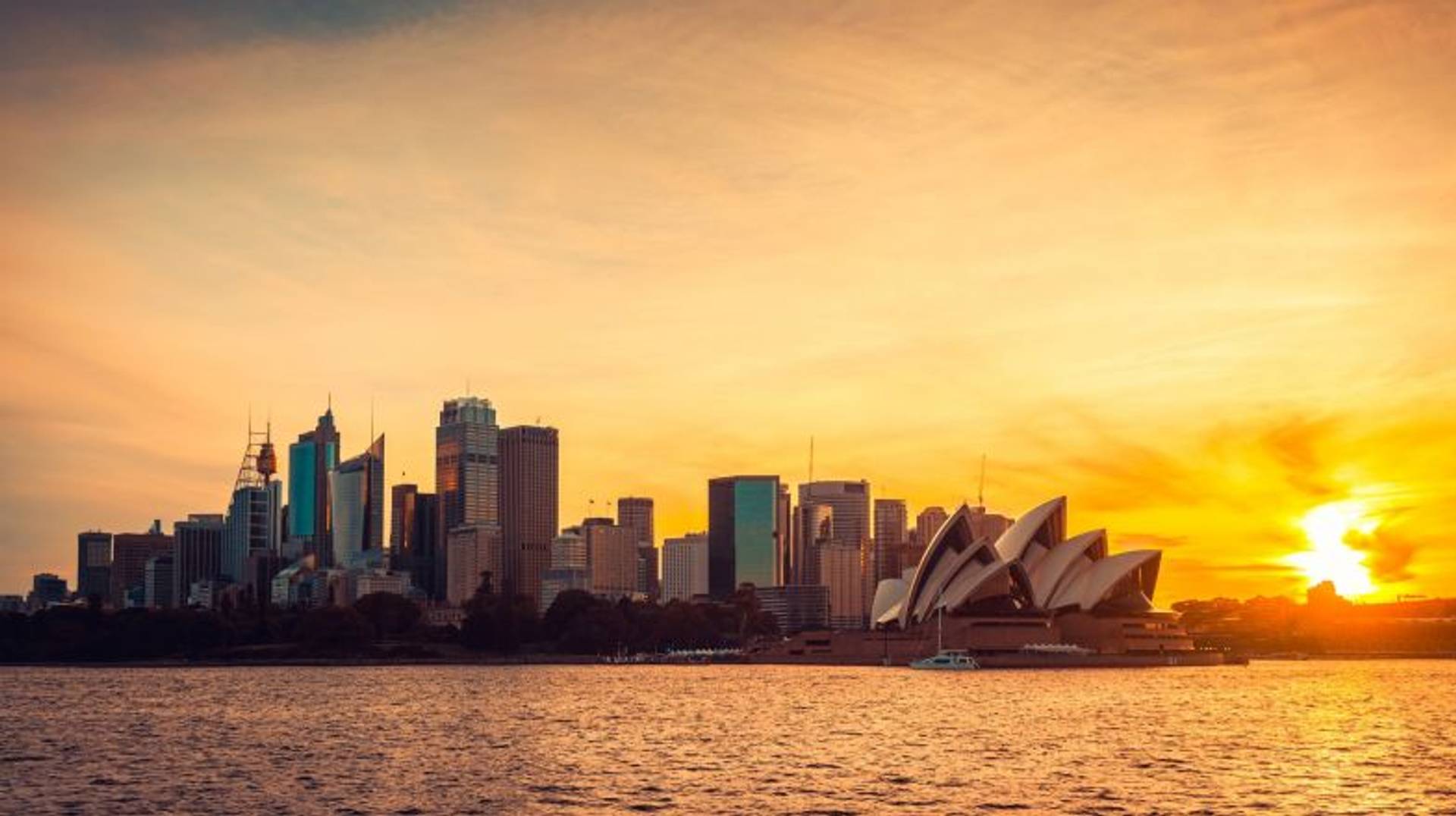
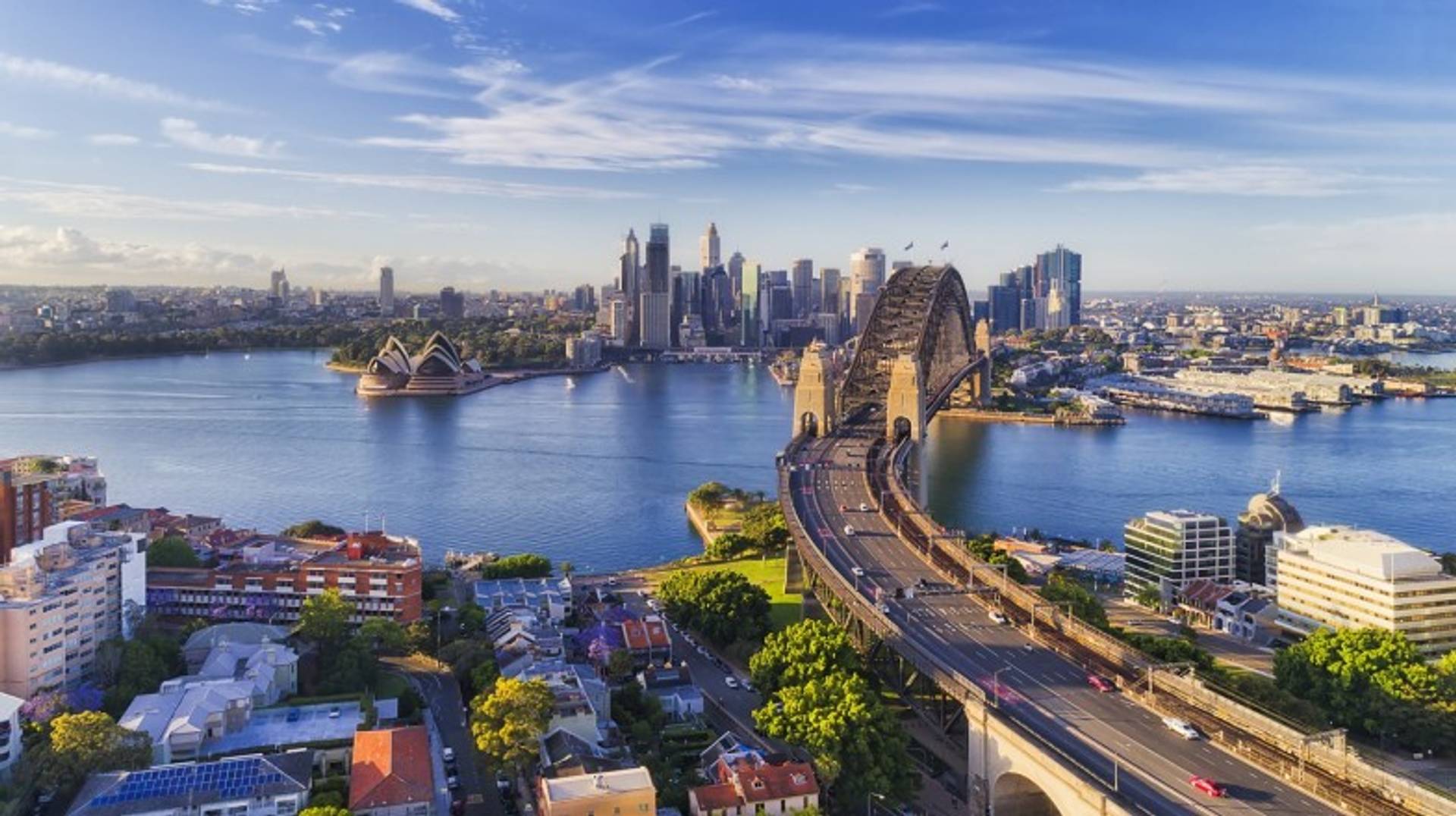
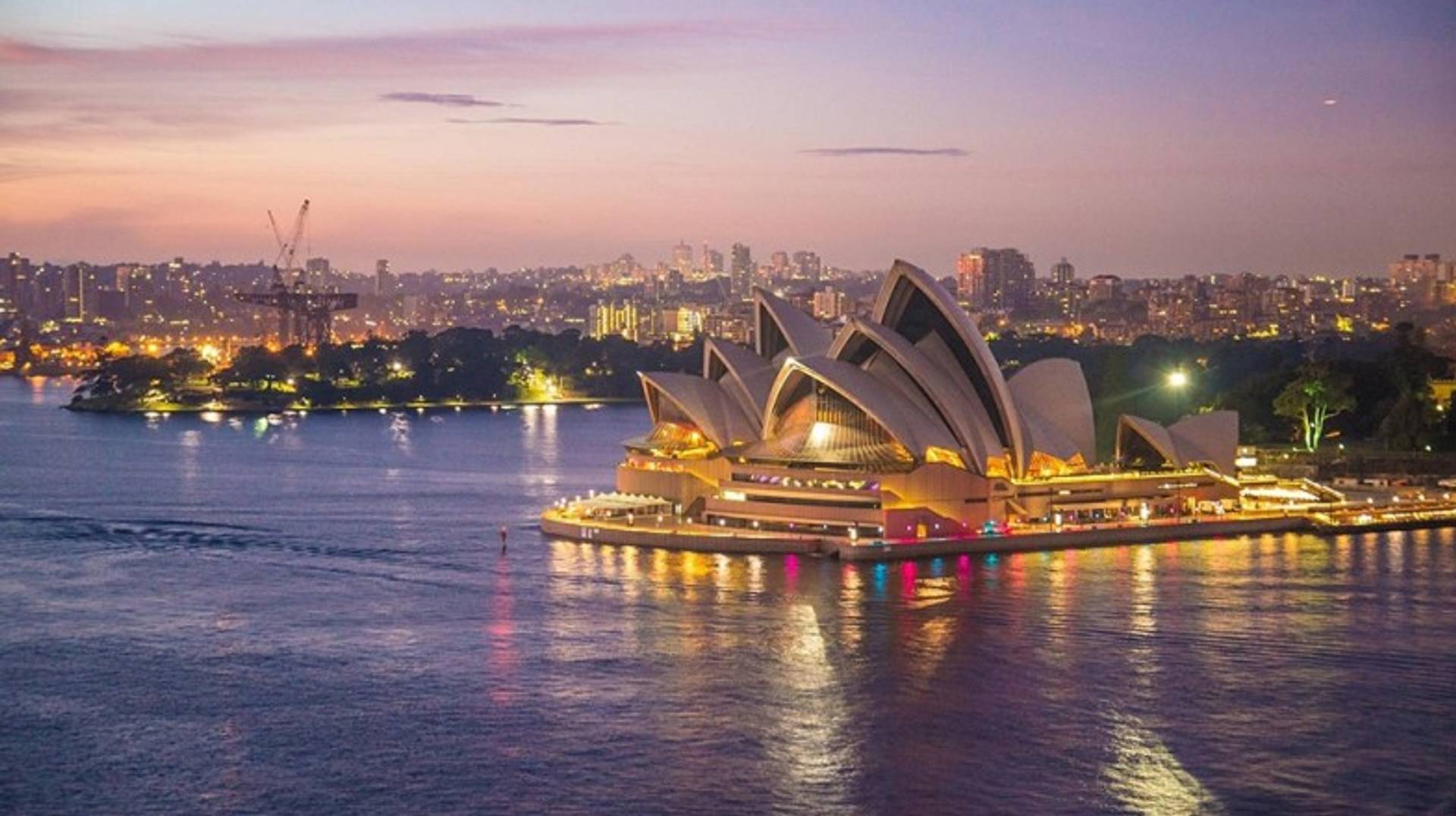
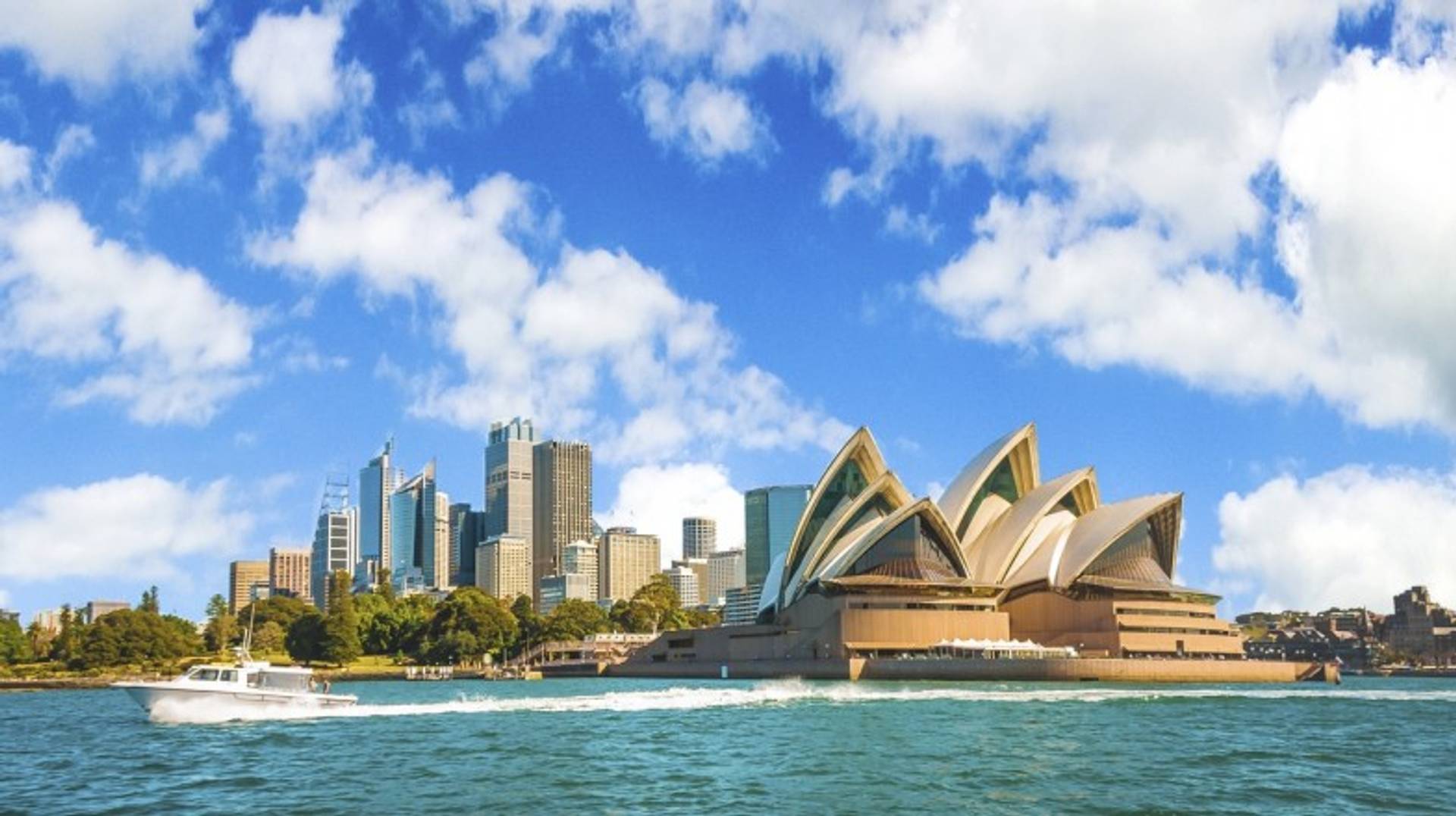
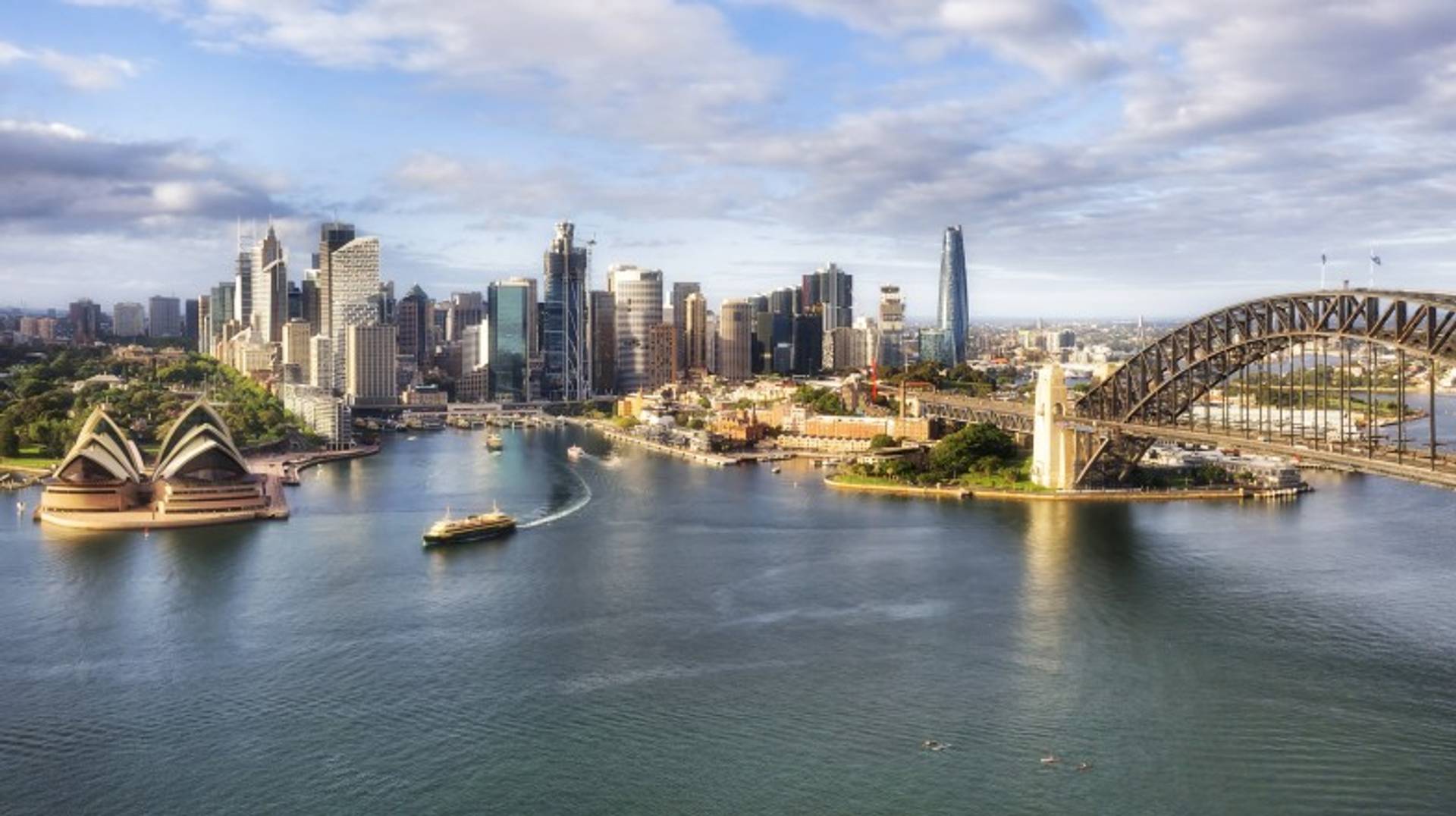
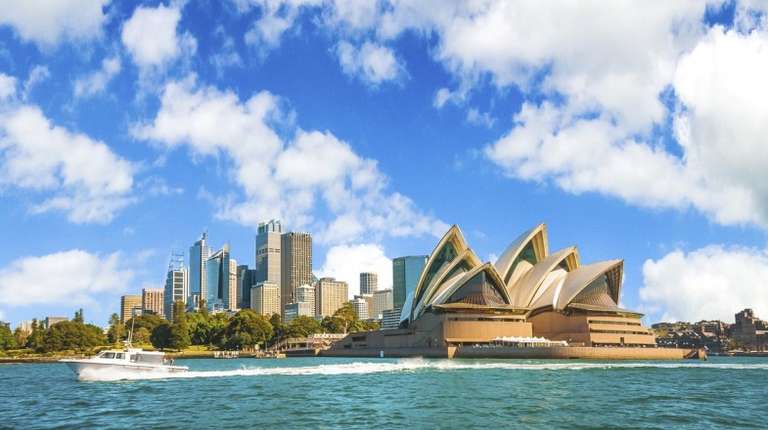
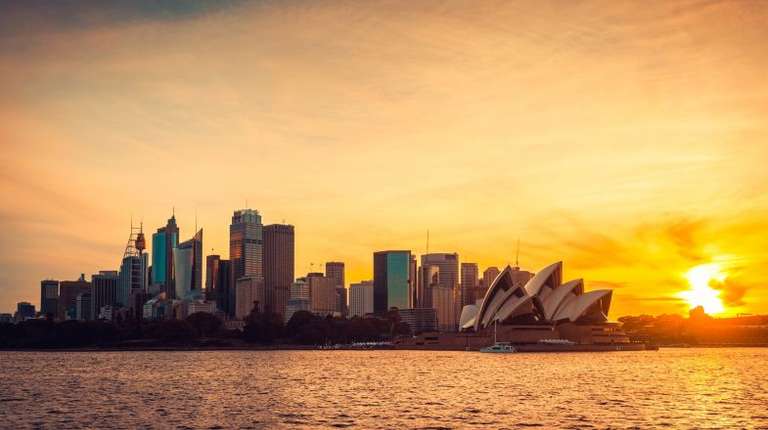
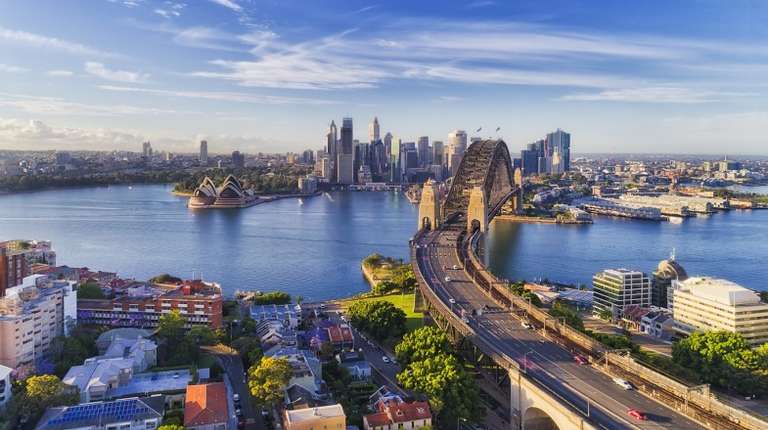
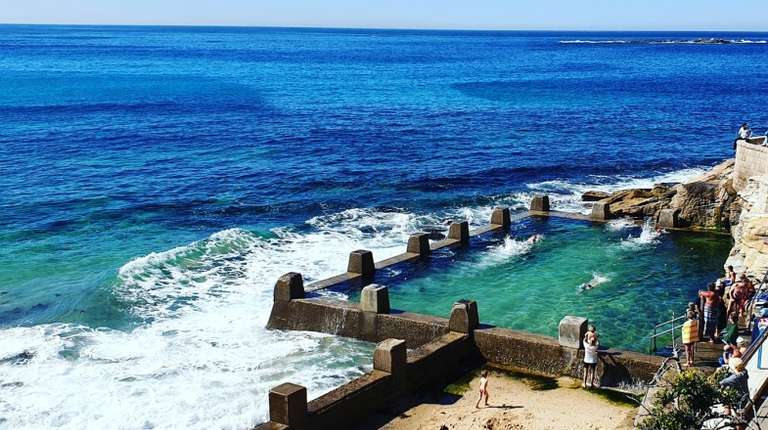
Sydney: Sydney has iconic landmarks and a lively food scene, as well as beaches, islands and mountains only minutes from the city. Whether you are keen to climb the Sydney Harbour Bridge, spend a weekend at Hunter's Valley or would rather spend an afternoon in the Blue Mountains, Sydney has something for everyone — city lovers, foodies and nature geeks included.
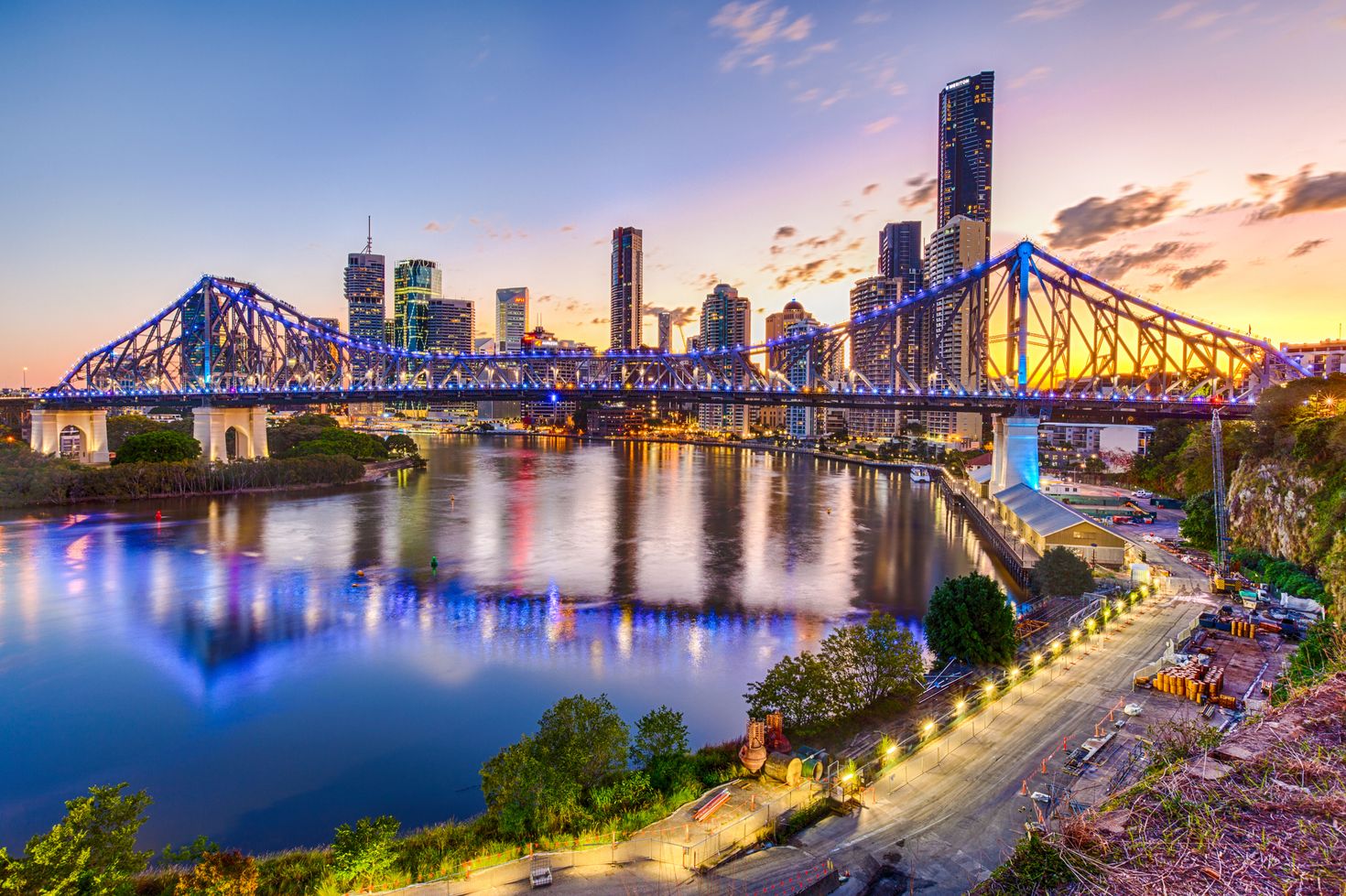
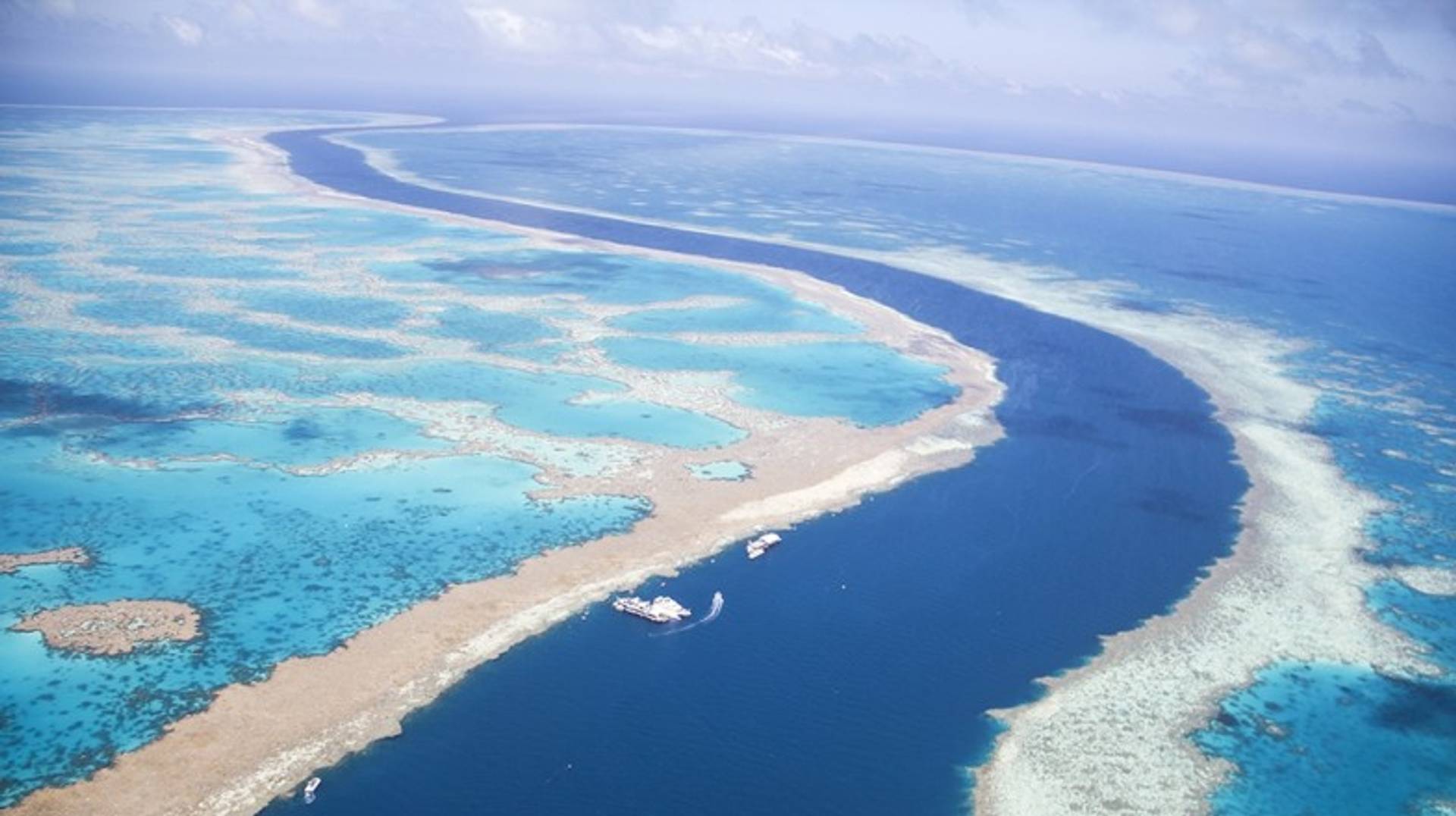
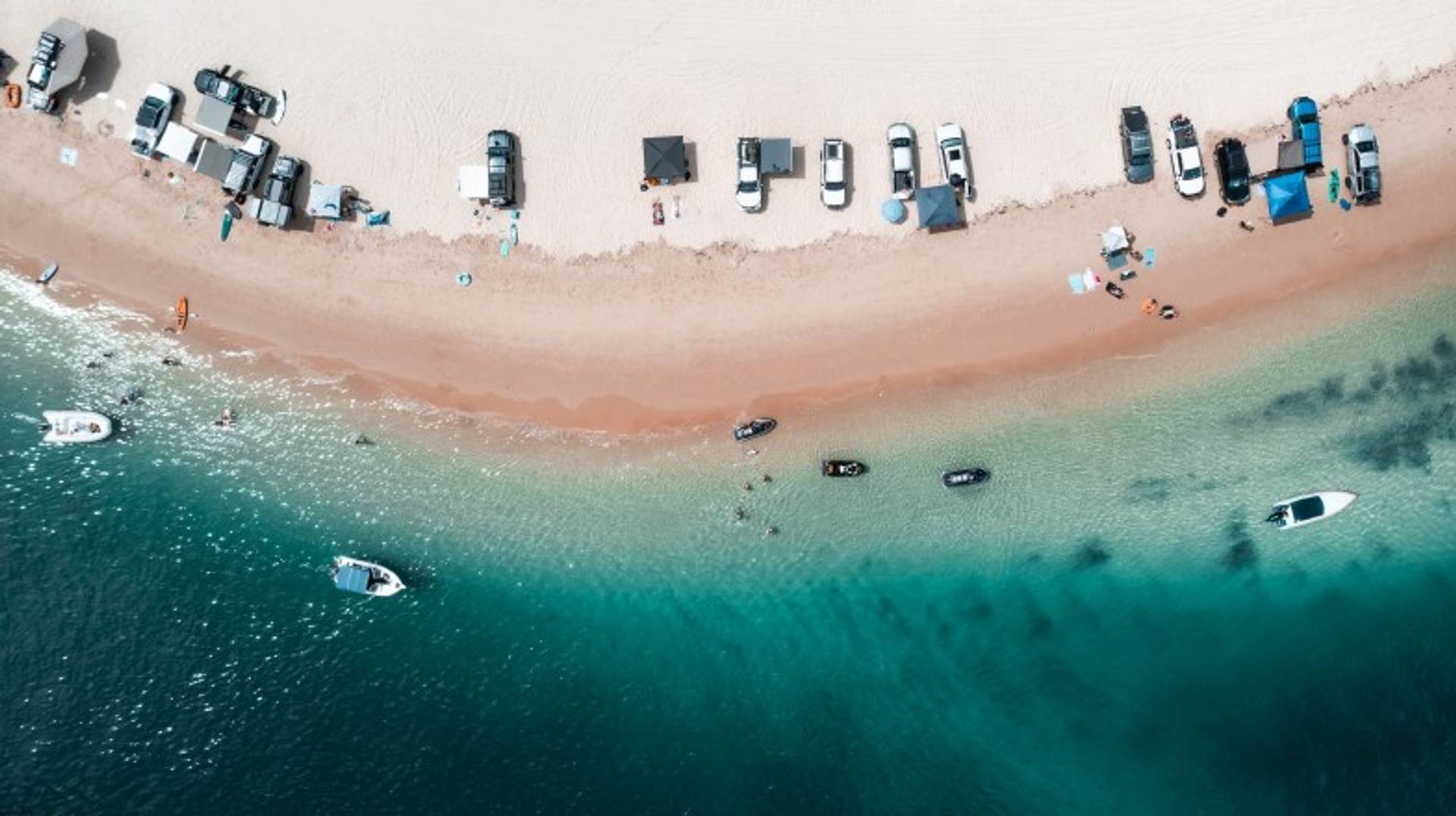
Brisbane: Its modern galleries and festivals are perfect for culture lovers, but Brisbane has an outdoorsy vibe too. Adventurous types can paddleboard or kayak on the river, rock climb at Kangaroo Point Cliffs or visit nearby Moreton Island, which offers snorkelling, diving, surfing and even sandboarding. Brisbane is also a base for exploring the Great Barrier Reef, which can be reached in around four hours.
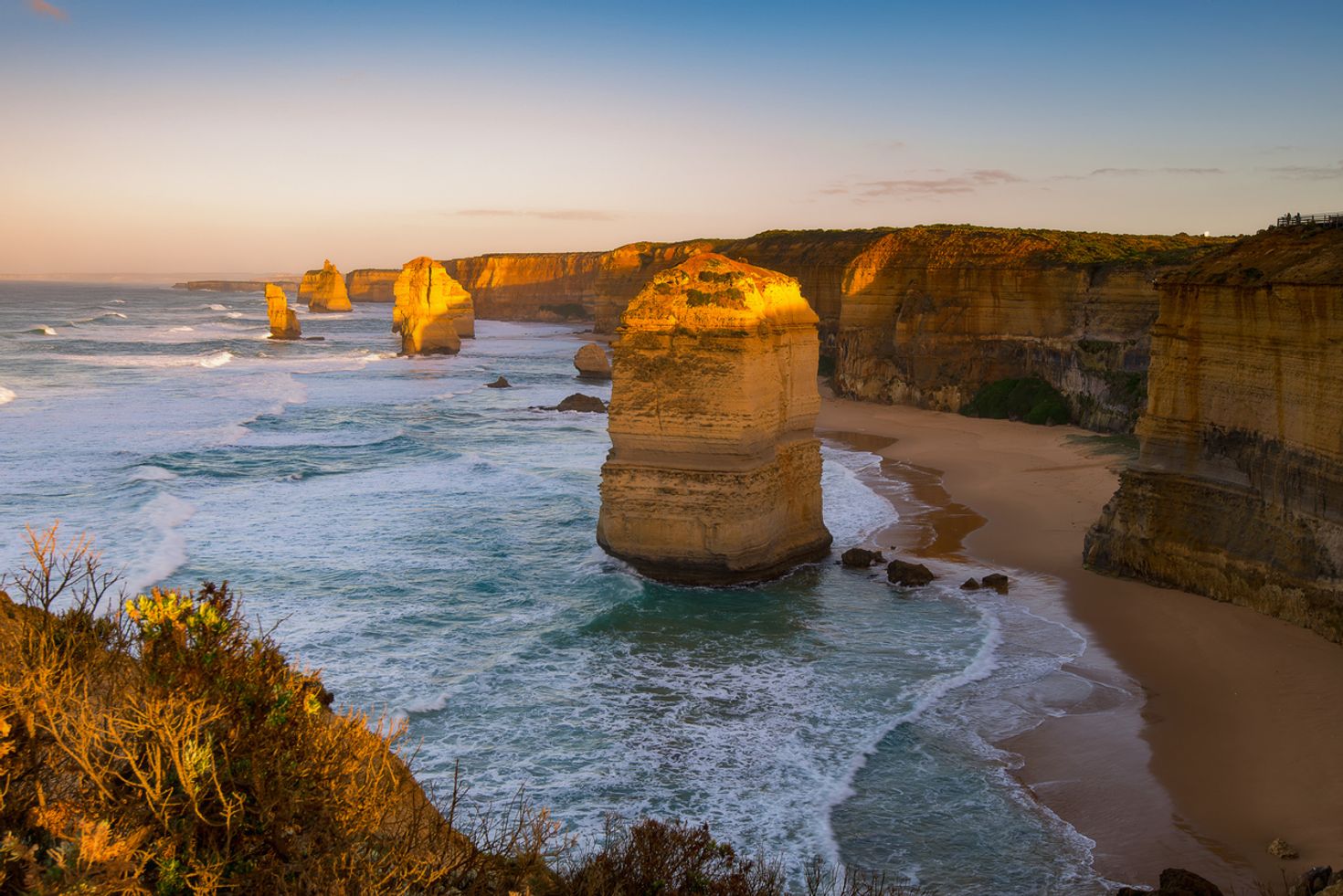
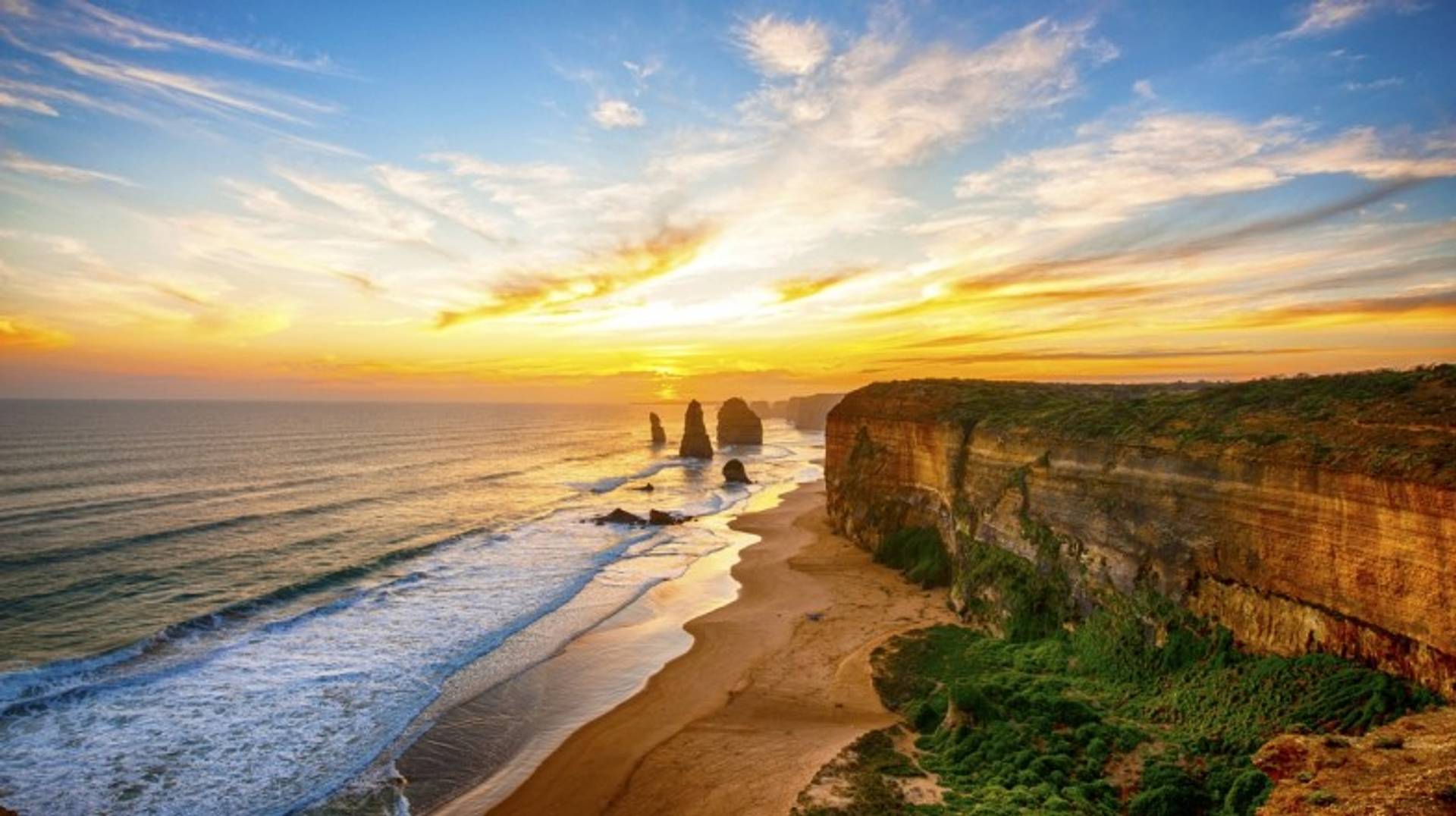
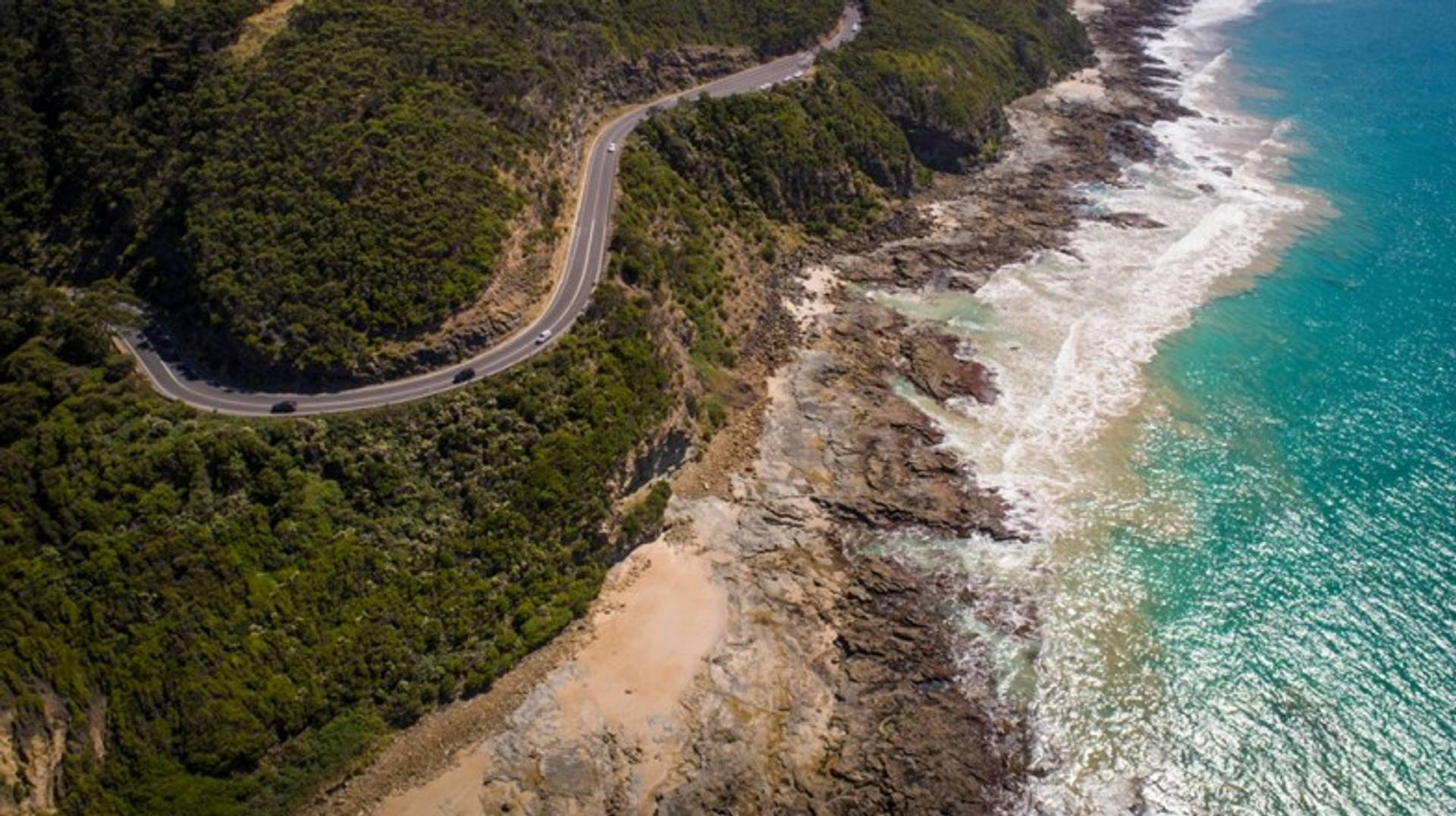
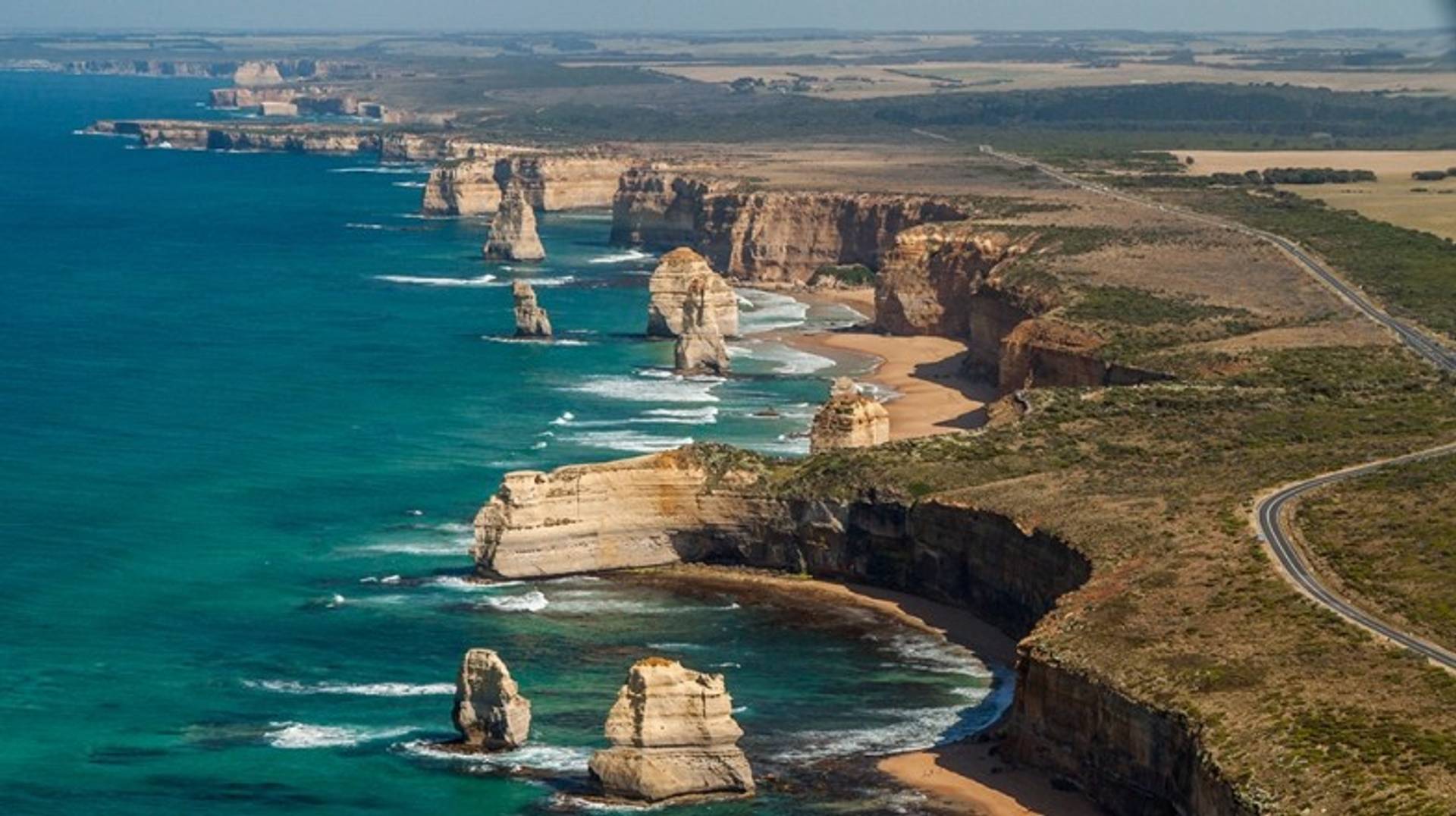
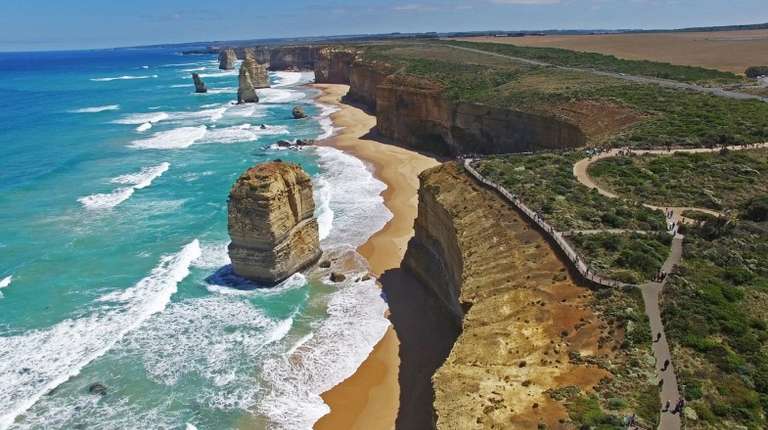
Melbourne: With its colourful street art and hipster coffee shops, Melbourne is considered Australia’s coolest city. Home to the National Gallery of Victoria as well as many small galleries, it is perfect for art lovers. Foodies will not be disappointed either. The city boasts a diverse range of restaurants, drinking spots and markets. Planning to drive the Great Ocean Road? The starting point is an hour and a half from the centre of Melbourne — making it a convenient centre of operations.
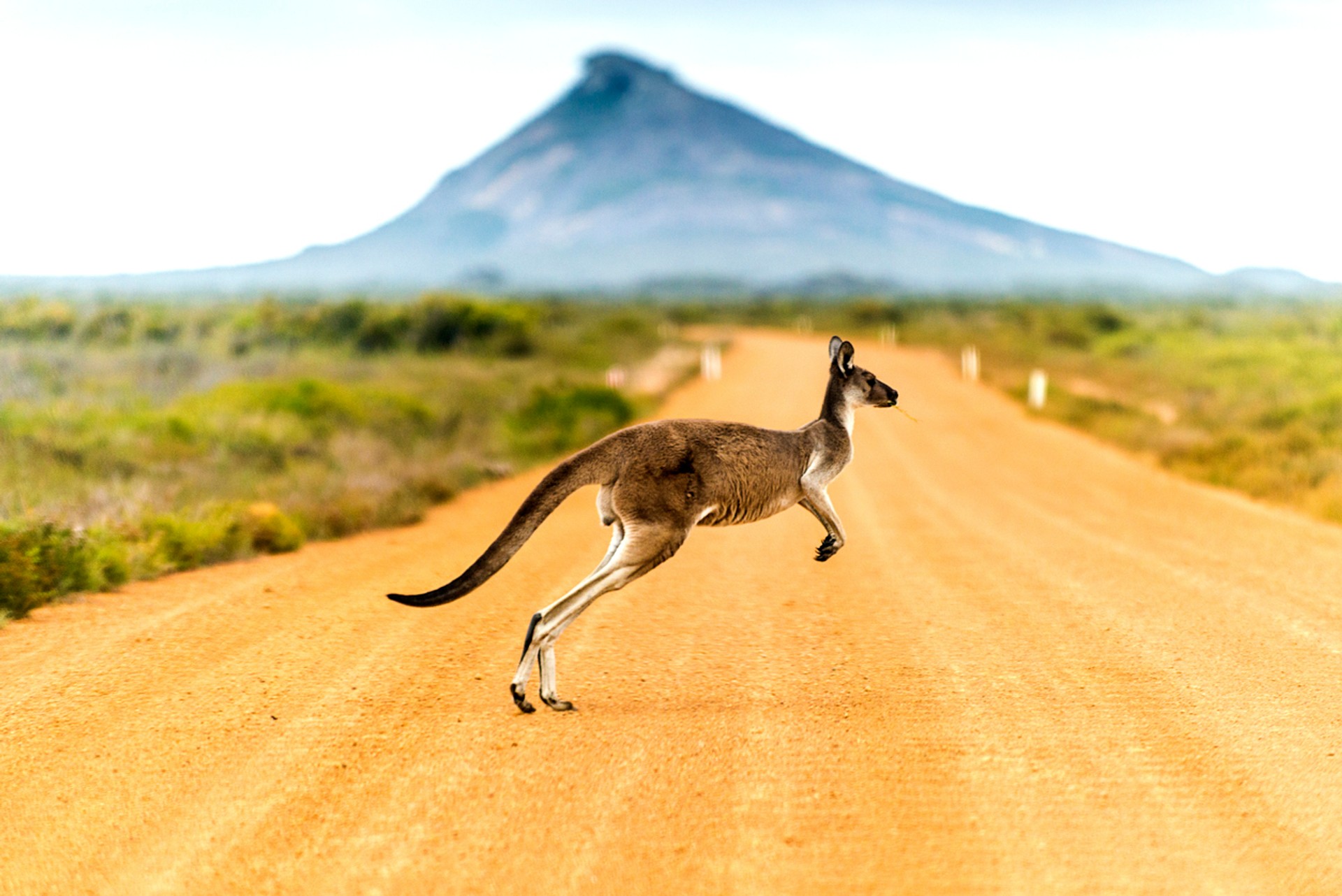
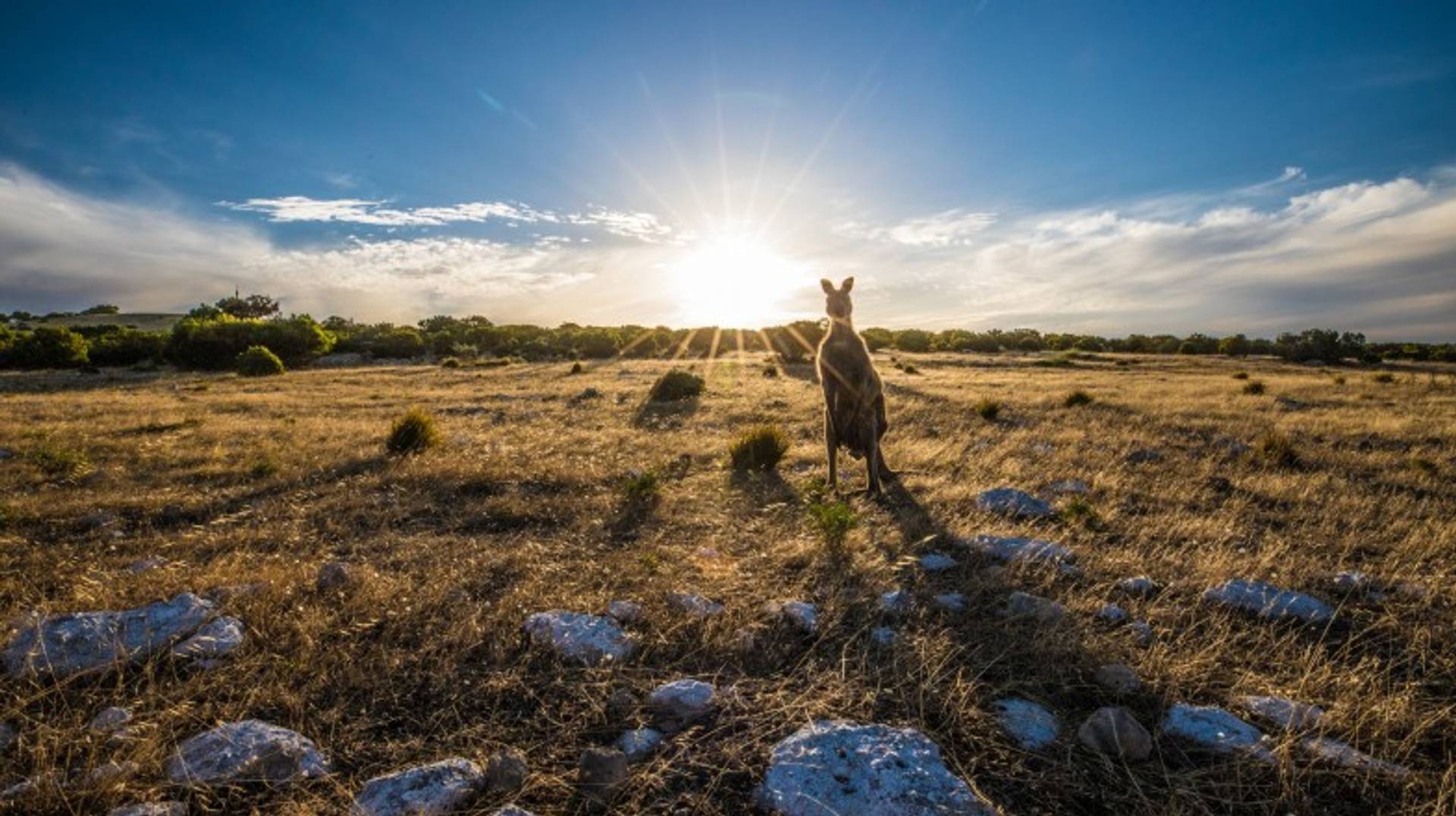
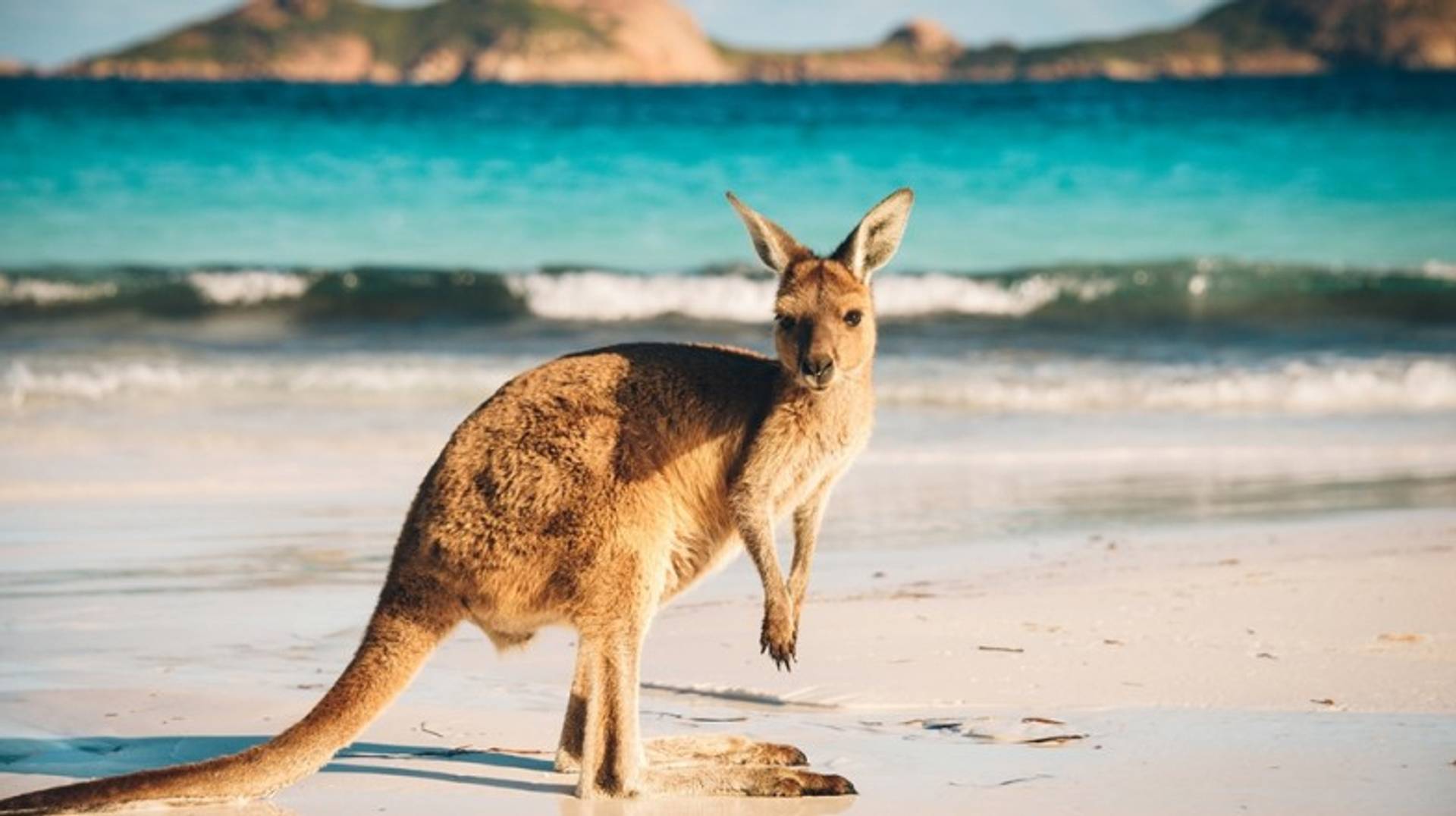
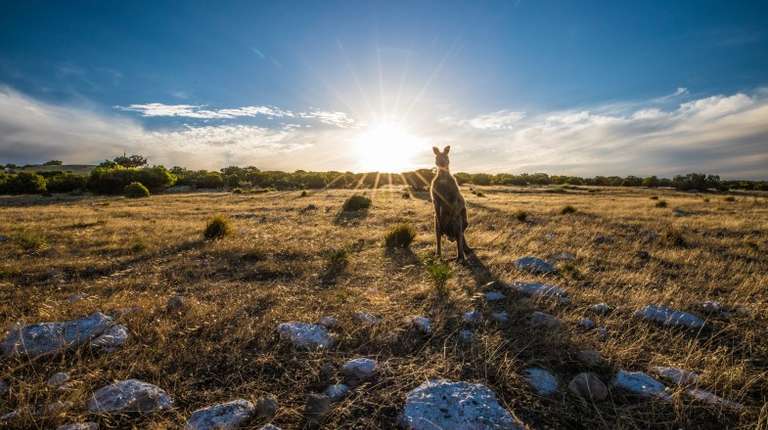
Adelaide: Adelaide is best known for its lively arts and music festivals including WOMADelaide and the Adelaide Fringe. With one of Australia's top wine regions, the Adelaide Hills, on the doorstep, it is also an ideal base for wine lovers. Nearby Kangaroo Island — a haven for wildlife where you can see many of the country’s endemic species — makes the perfect day trip.
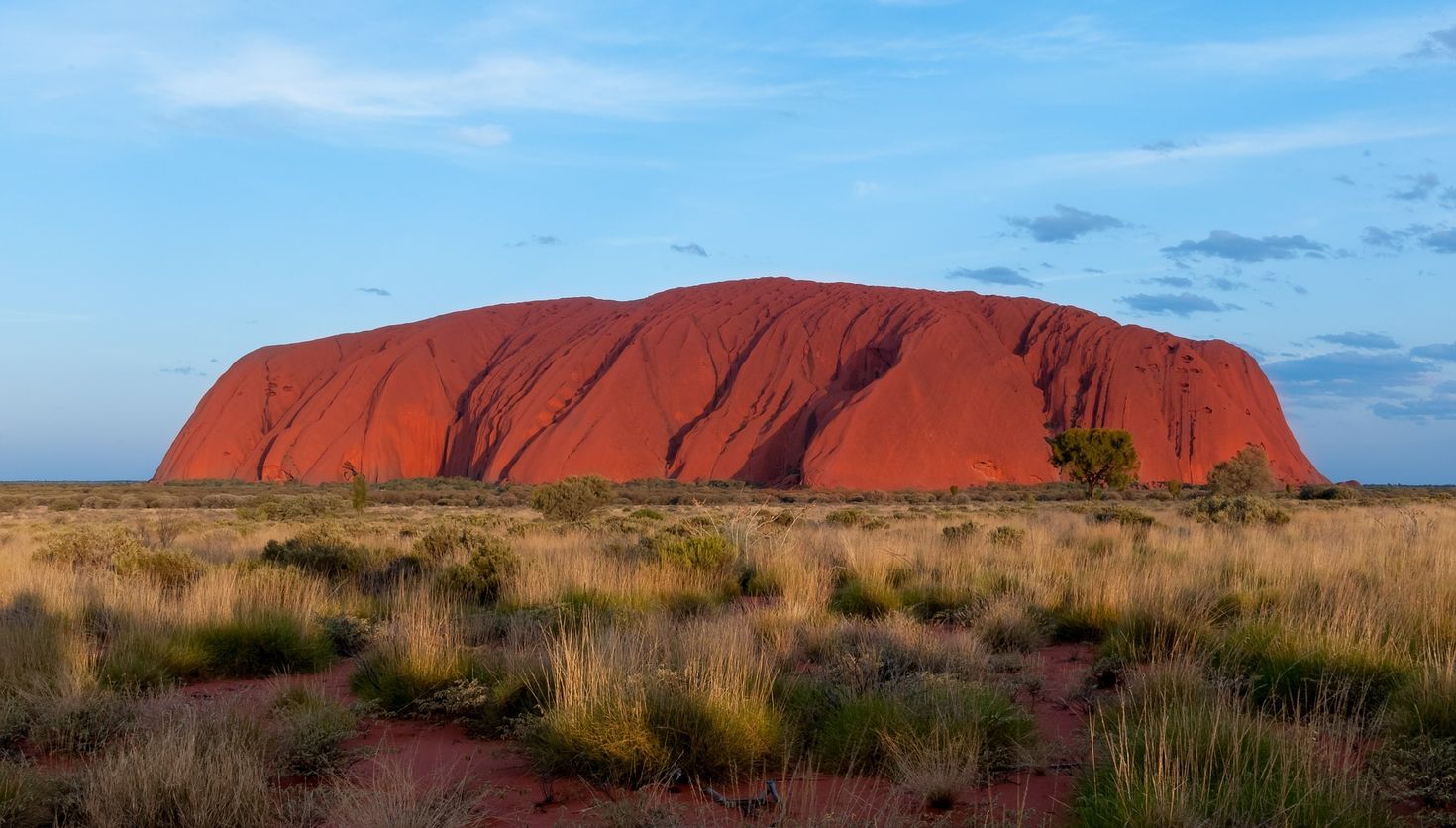
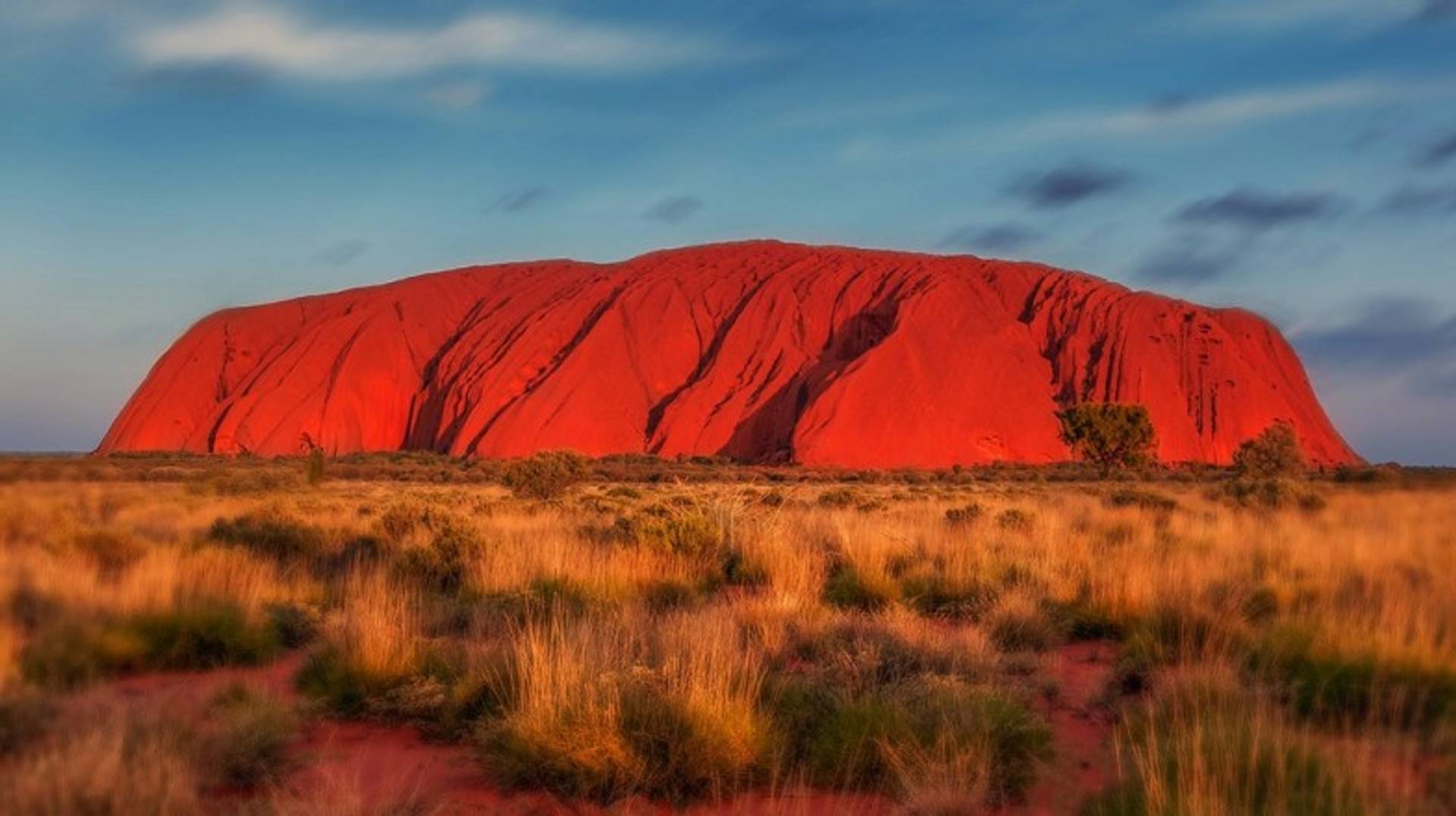
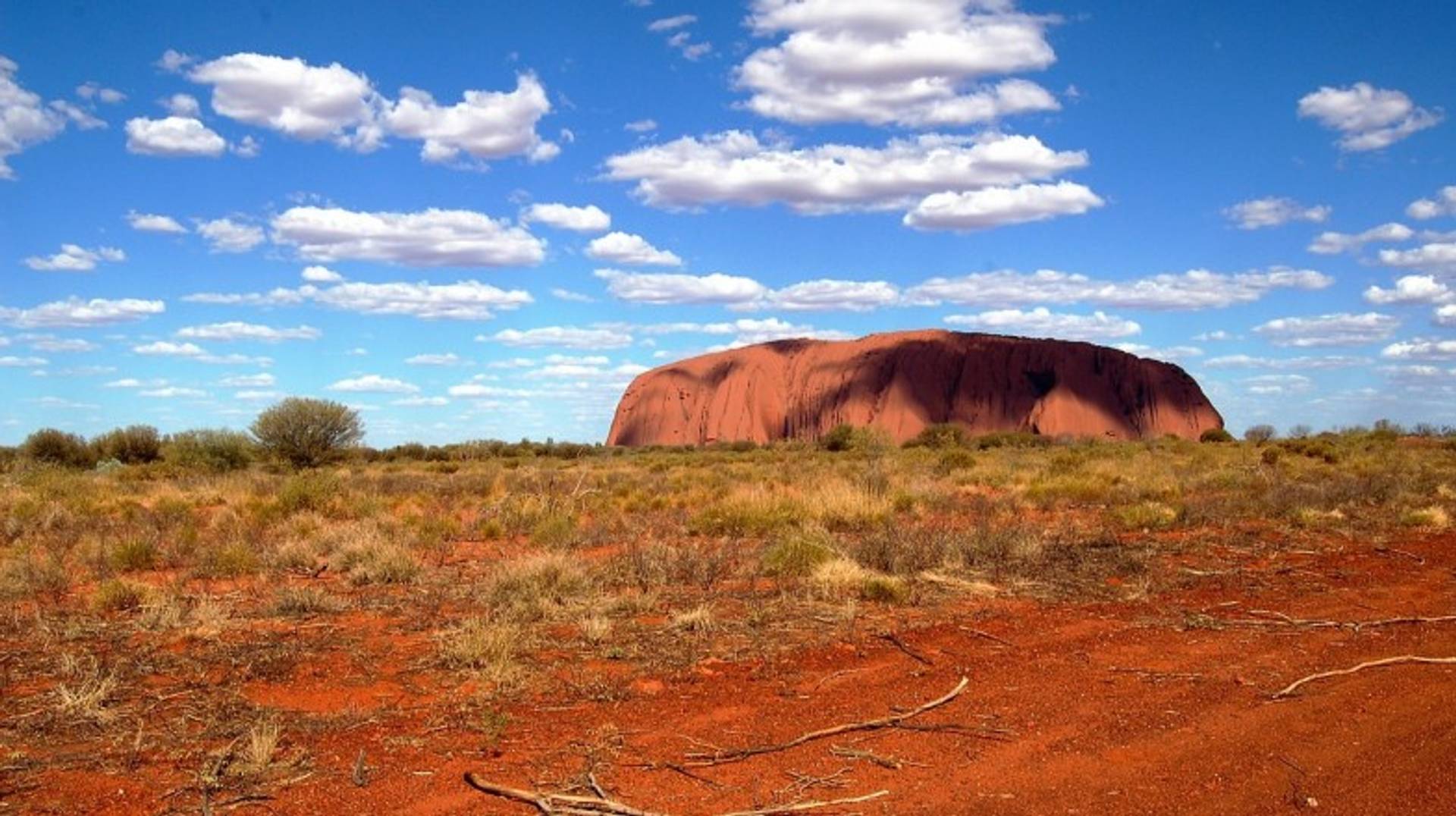
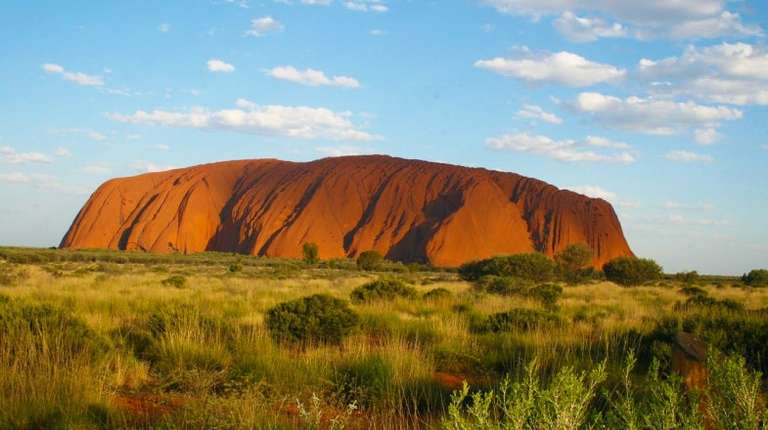
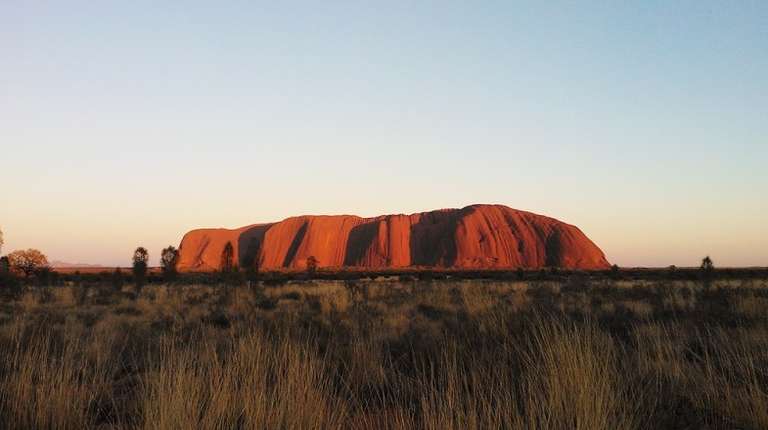
Alice Springs: Best-known as the base from which to explore Uluru National Park, Alice Springs has a lot more to offer. This is the town where you can learn about Aboriginal culture and pick up some aboriginal art too. Outdoorsy-types will love hiking in the nearby West MacDonnell mountain ranges or Kings Canyon.
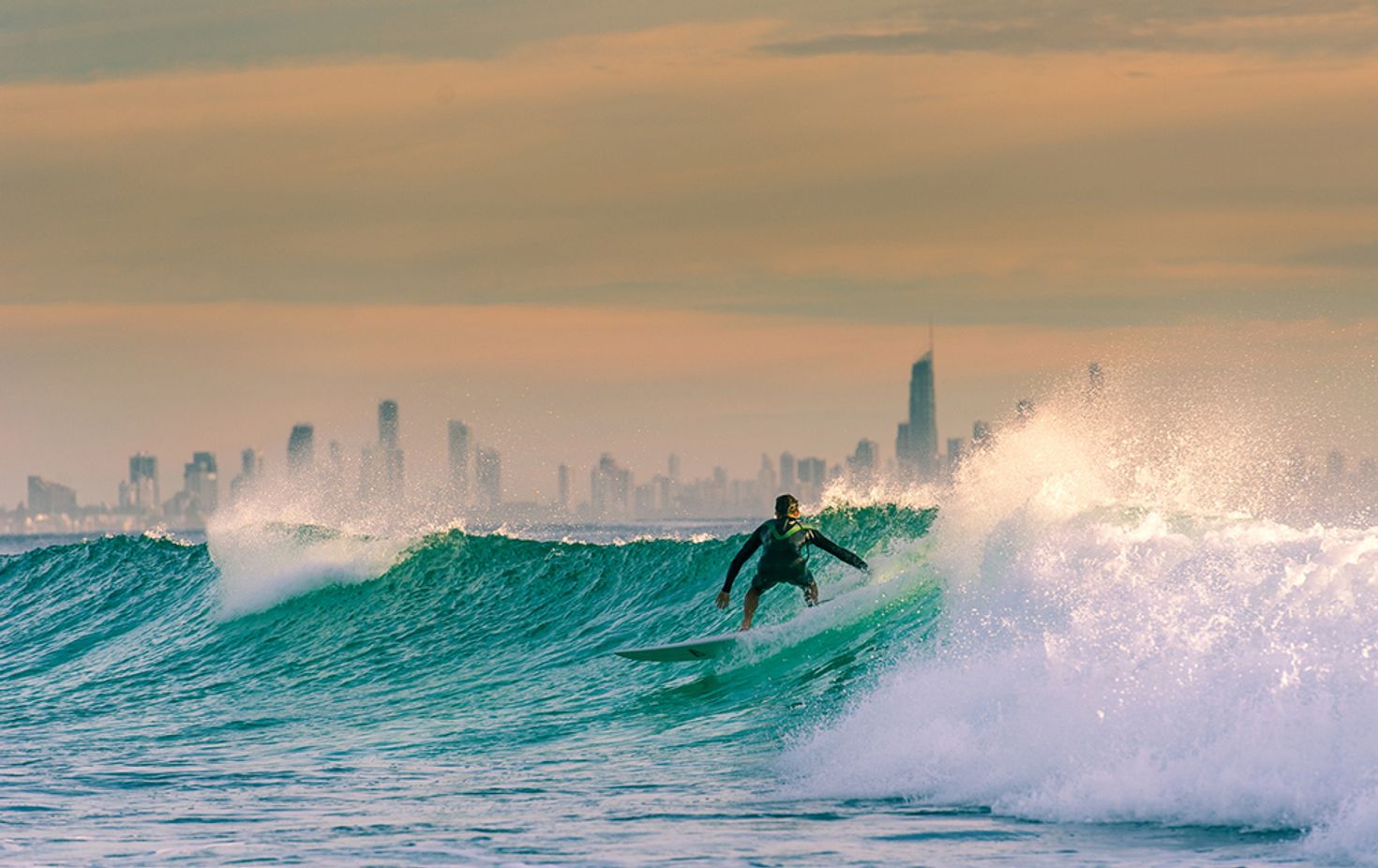
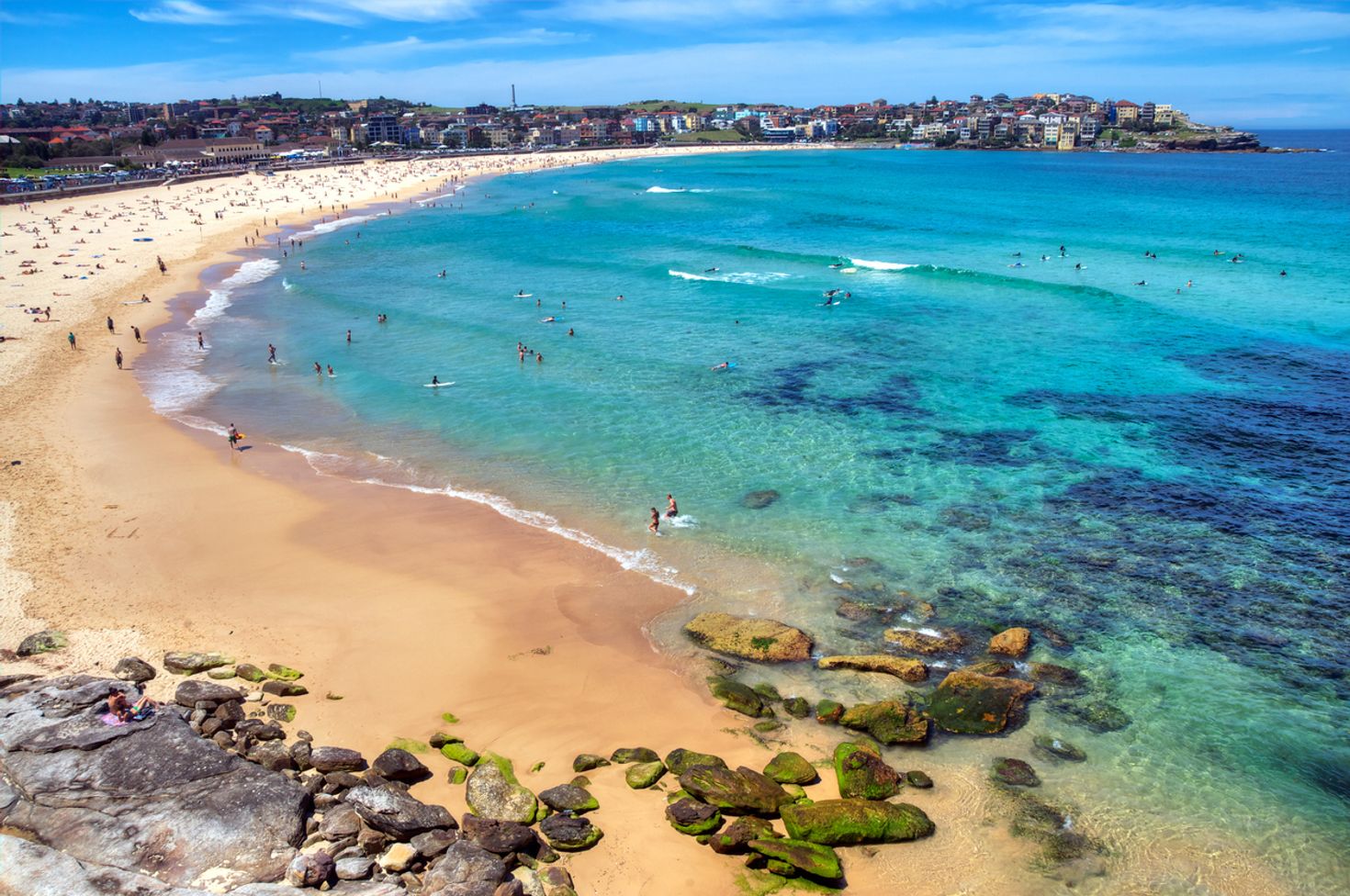
Gold Coast: Beach lovers should bump the Gold Coast to the top of their itineraries. As well as 35 miles of gorgeous beaches, this happening stretch of sand has surf vibes, a thriving culinary scene and plenty of craft beer flowing. The local neighbourhoods of Broadbeach, Burleigh, Coolangatta and Southport can be explored on foot or by bike, with plenty of stops in cool cafes along the way.
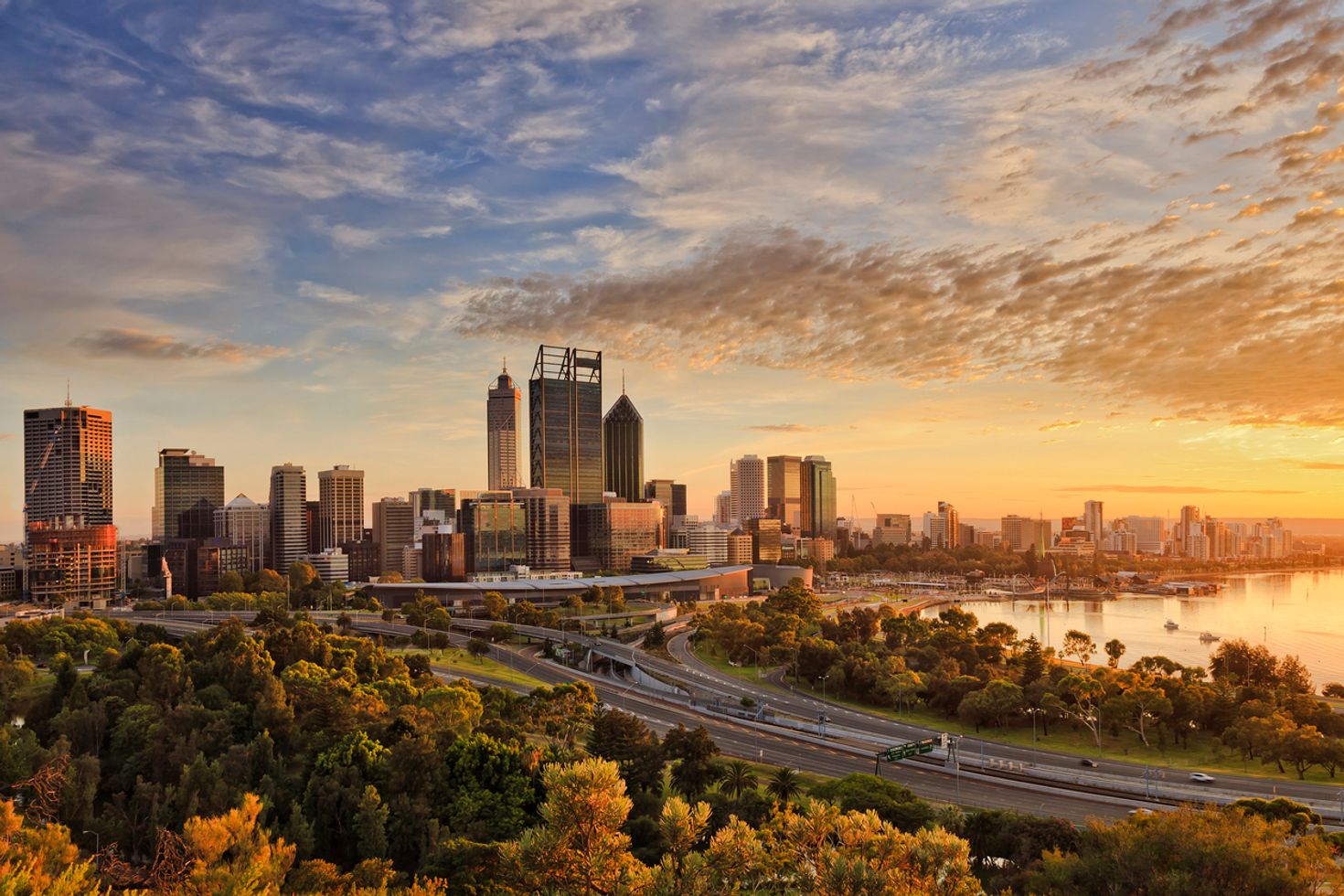
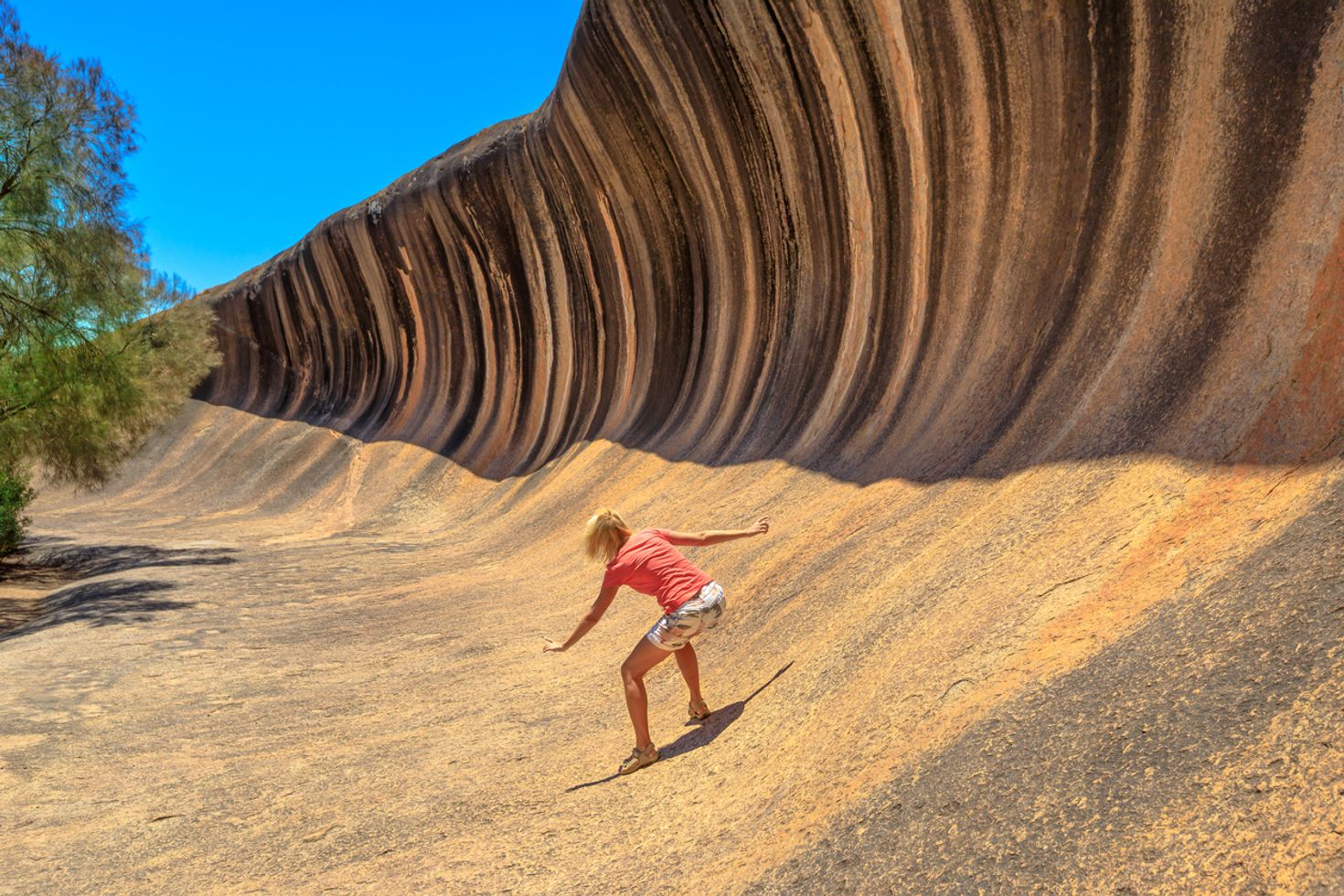
Perth: Perth is for beach lovers, with an amazing nineteen beaches on its doorstep where you can swim, snorkel and dive. Foodies will enjoy exploring the city’s neighbourhoods with their small bars and independent restaurants or visiting nearby Swan Valley, Australia's oldest wine region. Perth is crammed full of museums too, ensuring you won’t be bored. Cycling around Rottnest Island, with its 63 beaches, makes the perfect day trip.
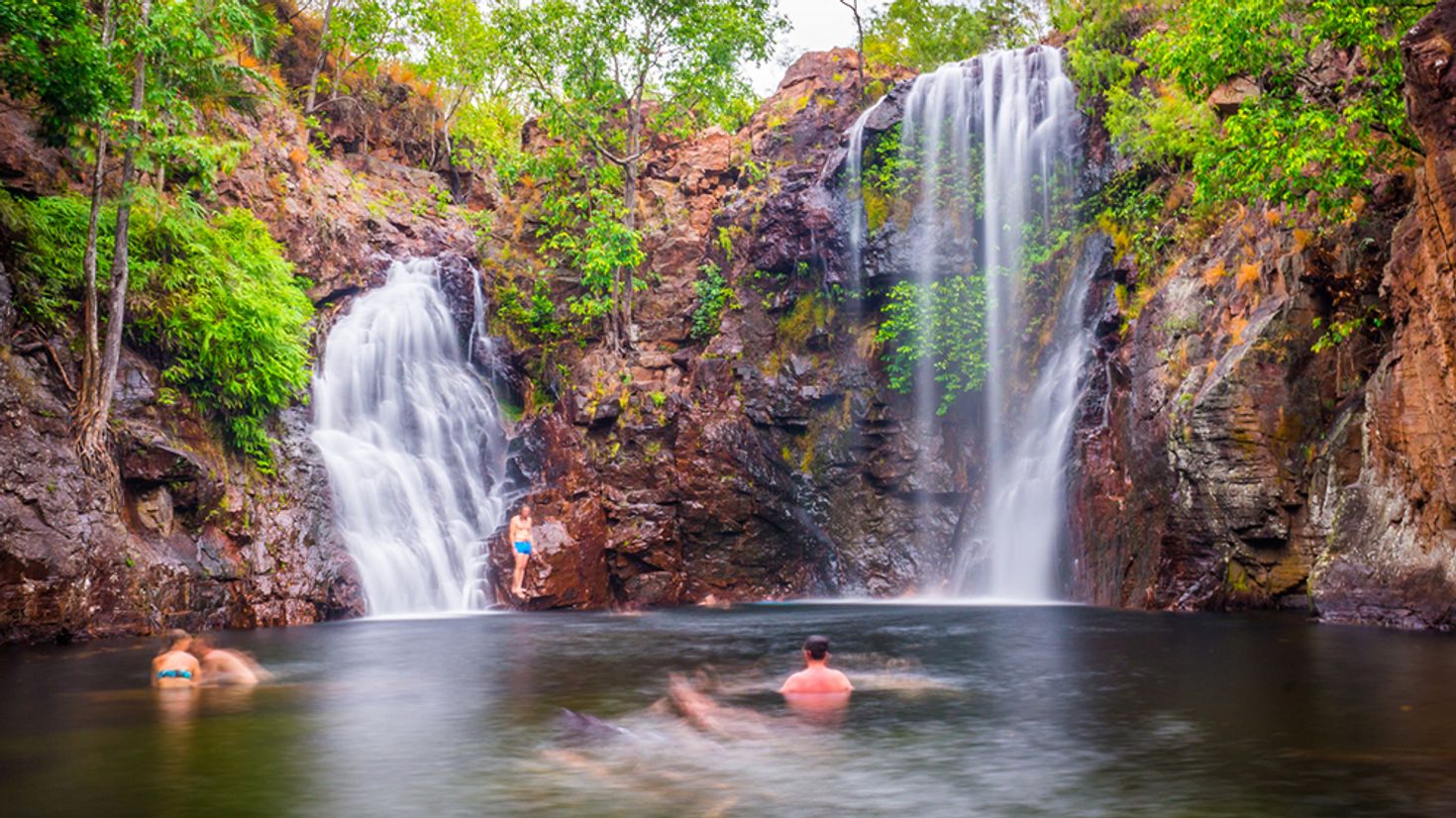
Darwin: Surrounded by national parks including Kakadu and Litchfield, Darwin is a city for people who love nature and the outdoors. With exotic Asian food, palm trees, and tropical sunsets, this city has a different vibe from the rest of the state capitals. Chill out in the outdoor bars and restaurants, explore the markets, admire the colonial architecture or get up close to some crocs at Crocosaurus Cove.
See also:
When to Go to Australia
Advice on when to visit Australia can be confusing; the country has four clearly defined seasons, but its size means that even within them, the weather can vary considerably. And remember: the north is closer to the equator than the south, meaning it's warmer.
Northern Australia
- December – February (Summer): High season. Tropical, with humid conditions and frequent thunderstorms.
- March – May (Autumn): Less crowded, mild and dry. An excellent time for walking and hiking.
- June – August (Winter): Low season, which is uncrowded with cheaper flights. Suitable conditions for diving and snorkelling.
- September – November (Spring): Warm and dry until the tropical weather approaches. A good time to see wildlife and visit rainforests.
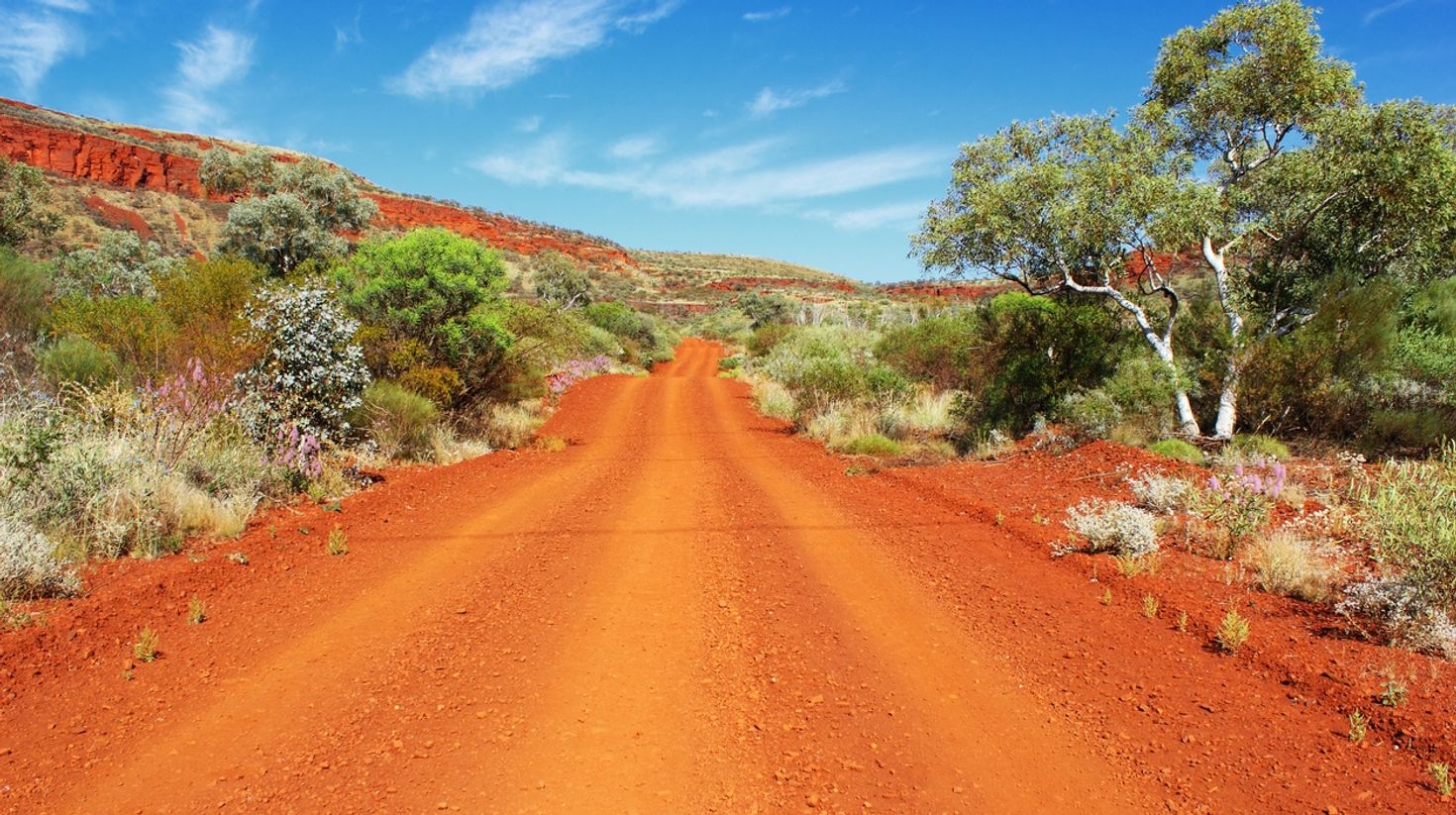
Southern Australia
- December – February (Summer): High season. Also the hottest and busiest time of the year, when many locals take their holidays from work.
- March – May (Autumn): Cool and fresh. An excellent time to visit vineyards, enjoy a food or wine festival, go walking or camping.
- June – August (Winter): Less crowded and cool. Good for snow skiing in the Australian Alps, and for walking and hiking, especially inland.
- September – November (Spring): Mild and dry. Good for visiting national parks and seeing wildlife, kayaking and surfing.
For more information on when to visit Australia, check out our travel guide on the Best Time to Visit Australia.
See also:
How Long Should You Stay?
Despite the size of the country and the long flight, a trip to Australia doesn't have to be especially lengthy. If you can cope with jet lag, you can see a great deal in two weeks. Most Australia itineraries are between seven days and three weeks long. Fourteen days is long enough to explore Sydney, Brisbane and the Gold Coast, or Sydney, Uluru and the Great Barrier Reef. In three weeks, you can overland from Perth to Darwin, or from Melbourne to Sydney. Five to ten weeks is time enough to explore either the east or west coast and overland through the outback via Alice Springs. In three months, you can see most of both coasts plus journey through the interior.
Getting Around
Budgeting for a trip to Australia
Visas

All foreigners traveling to Australia must have a visa to enter the country. There are three types available:
1. Visitor visa
- Granted for three, six or twelve months to anyone visiting Australia as a tourist.
2. eVisitor
- Available to visitors from EU countries plus those from Andorra, Iceland, Monaco, Lichtenstein, Norway, Switzerland and Vatican City.
- Grants entry to Australia as many times as you want during a 12-month period for three months at a time.
- Free and applied for online.
3. Electronic Travel Authority (ETA)
- Available to visitors from EU countries the UK, the USA, Brunei, Canada, Hong Kong, Japan, Malaysia, Singapore and South Korea.
- Grants entry to Australia as many times as you want during a 12-month period for three months at a time.
- Processed instantly for a fee of AUD 20 (USD 14.13)* and linked to your passport.
Take some time to plan your trip to Australia properly — you’ll be going exactly where you want to, and you’ll spend less money and time getting from place to place. You’ll also be able to make those bucket-list experiences happen!
Insider's Tip: Pick up some great books by local Australians to read before or during your trip. You'll gain deeper insight into the people and places you visit and how Australia has become the country it is today. Whether you enjoy autobiographies or novels, there are numerous great Australian books to help you really get away on your vacation Down Under. – by Bonnie Way from The Koala Mom.
Written by
When asked to choose between mountains and beaches, I’m the type whose heart consistently gravitates toward the rugged charm and tranquil majesty of the mountains. Having been born and raised in the bustling city of Kathmandu, I only got to breathe-in the crisp mountain air at the age of 25. But after that, I was hooked! And there was no turning back... I find solace and inspiration in the towering peaks and serene landscapes of the great outdoors, and what better place to explore this than at the lap of the highest peaks on earth! Trekking is not just a passion but a pathway to reconnecting with nature, and my ultimate dream is to conquer all the major Himalayan trails. Alongside this love for trekking, wildlife safaris excite my adventurous spirit, offering a glimpse into the raw beauty and untamed life of the wild.
Read more
Continue reading Related Guides

Create your custom-made trip to Australia
Traveling to Australia? Chat with a local travel specialist who can help organize your trip.
 Geoff VenningTravel Expert in Australia & New Zealand
 David TupperTravel Expert in Australia & New Zealand
 Cameron KangarooTravel Expert in Australia






Why Book with Bookmundi?
A strict screening process ensures that we only offer high quality, vetted tours and trip packages globally. The result? 4.8 of 5 stars out of more than 25,000 trip ratings.
All tours booked through Bookmundi are 100% carbon offset. Every quarter, we invest in carbon reduction projects around the world—at no extra cost to you.
Read how
 4.7(850 reviews)
 Trustpilot4.8(148 reviews)