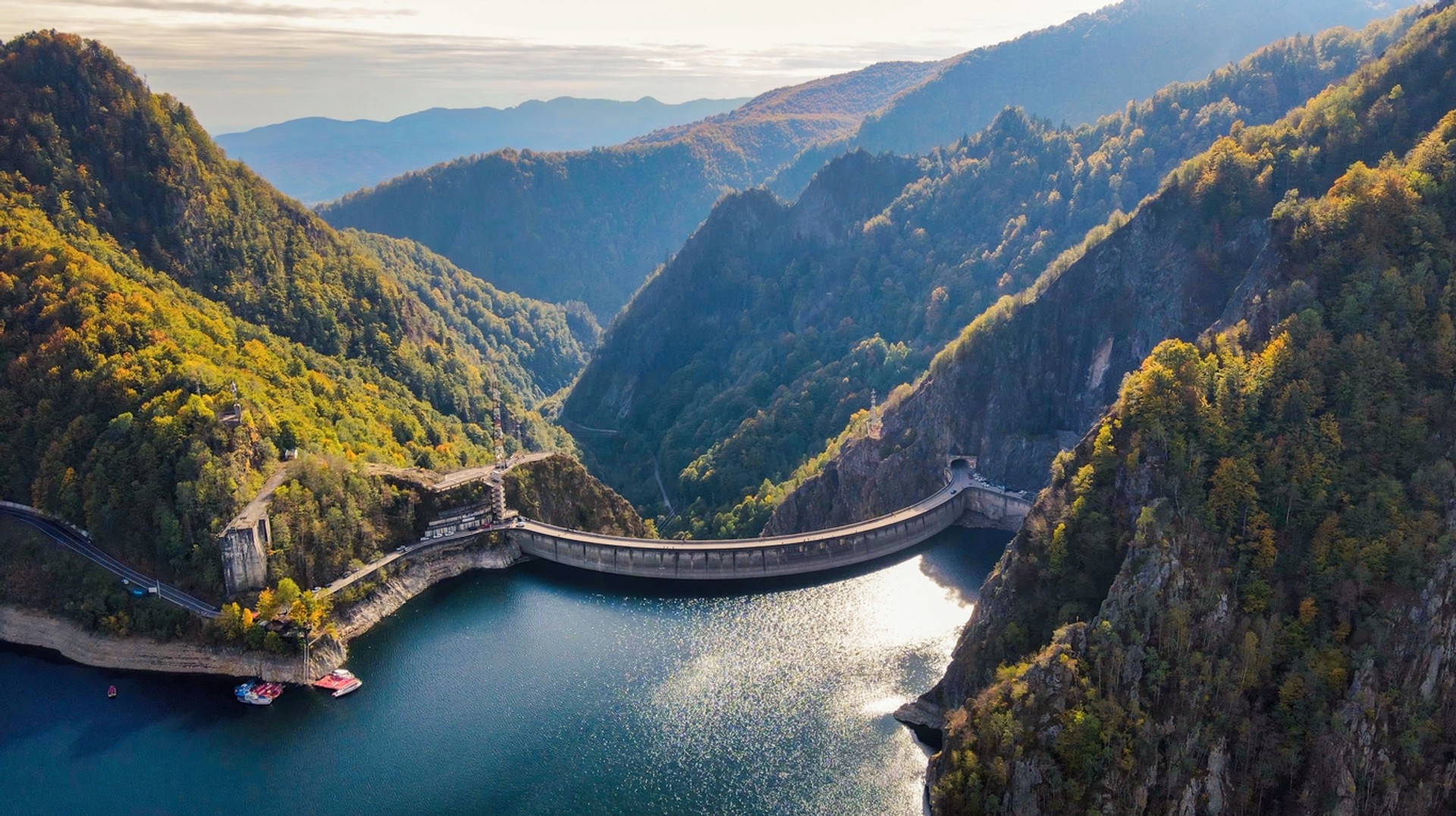
Best Time to Visit Romania
- JanAvg Daily: 2.9Avg Nightly: -5
- FebAvg Daily: 6.3Avg Nightly: -3.5
- MarAvg Daily: 12.1Avg Nightly: 0.3
- AprAvg Daily: 18.4Avg Nightly: 4.9
- MayAvg Daily: 24Avg Nightly: 9.7
- JunAvg Daily: 28.1Avg Nightly: 13.9
- JulAvg Daily: 30.4Avg Nightly: 15.6
- AugAvg Daily: 30.5Avg Nightly: 15.2
- SepAvg Daily: 25Avg Nightly: 10.7
- OctAvg Daily: 17.9Avg Nightly: 5.7
- NovAvg Daily: 10.6Avg Nightly: 1.5
- DecAvg Daily: 4.2Avg Nightly: -3.3
Overview
When is the Best Time to Visit Romania: Quick Facts

- High Season: April - October
- Low Season: November-March
- Best Seasons: April-May, June-August
- All Seasons: January-March, April-May, June-August, September-October, November-December
January to March in Romania can be cold and wet, but the temperatures in the cities are still manageable. The mountains, however, will be covered in snow. - From April to May, the weather gets warmer, and days become longer - perfect for sightseeing outdoors!
June to August is peak season, with balmy temperatures creating a perfect vacation environment.
September-October is autumn, with mild rain that brings colorful foliage. - November to December is the winter season, and although temperatures can get quite low, the holiday decorations make up for it.
Romanian summers are long, hot, and hectic. Central Romania comes alive in the summer months of June through August. It's a wonderful time to visit the country's cultural hotspots, such as a trip to Sibiu and Targu Mures.
Temperatures drop below freezing, and snowfall is common in the Balkans and Romania during winter. It's not the best time to travel to Romania, but the biting cold creates an alluring aura that makes the country's castles and medieval towns hard to resist.
When to Visit Romania: Seasonal Overview
Spring in Romania — April to May

Romania, with its ever-changing terrain and stunning natural scenery, is at its most beautiful in the spring. Even when temperatures climb in March, intermittent showers continue into early April. Travelers to Romania in the spring should come prepared for the possibility of rain.
Beginning in April, when the days are longer, and the weather is more pleasant, sightseeing is more fun. In April and May, the weather is perfect for sightseeing in Romania's castle-dotted countryside. These months fall on either side of the European winter holidays, providing a respite from the bustle while yet enjoying excellent temperatures.
- Average Temperature: 64.4 – 73.9° F / 18 - 23° C (in Bucharest)
- Rainfall: 46 – 70 mm
- Highlights: Spring is one of the most picturesque periods to visit Romania because of the blossoming flowers, verdant hills, and melting snow. Bucharest's International Jazz Festival and Sibiu's International Theatre Festival are two of the most well-known festivals this season. Also, the costs of visiting Romania in the spring tend to be lower.

Summer in Romania — June to August
From June through August, average highs range from the high 20s to the low 30s, with central sections averaging around 30 degrees. This is when most people visit famous cities and when most cultural celebrations take place. The most incredible time to visit Romania and enjoy beautiful days before the crowds arrive is in June before the European vacation begins.
In the summer months of July and August, Bucharest comes alive. The weather is perfect for sampling the regional specialties. And if you can stand the heat, summer is the best time to visit Romania and see the country's varied and fascinating culture.
- Average Temperature: 80.2°F - 83.3°F / 26.8°C - 28.5°C (in Bucharest)
- Rainfall: 77 - 58 mm
- Highlights: Romania's longer daylight hours give tourists more time to visit the country's many historical sites and natural wonders. The summer harvest of fresh fruits and vegetables is a boon to the country's traditional cuisine and bustling outdoor markets in the summer. There is also a plethora of exciting summertime alternatives for nightlife in Romania's major cities like Bucharest, Shibu, Brasov, and Timisoara.
Fall in Romania — September to October

Autumn starts in September and lasts until the end of October. The temperature drops to comfortable levels with an average of 23°C, making this the best time to visit Romania if you prefer cooler temperatures and fewer crowds. As this is the harvest season, local festivities turn small-town scenes into cultural carnivals. It's also an excellent time for hiking in the Carpathian Mountains, as the terrain is most picturesque.
- Average Temperature: 76.3°F - 64.4°F / 24.6°C - 18°C (in Bucharest)
- Rainfall: 42 - 32 mm
- Highlights: Fall is an ideal time to venture into the countryside, as it's less crowded and you can enjoy the beautiful foliage. During this season, local markets sell delicious produce from the autumn harvest - such as grapes, apples, and pumpkins. The Transylvania International Film Festival, Bucharest Jazz Festival, and Sibiu International Theatre Festival are all held in the fall.
Winter in Romania (High season) — November to December
Winter usually starts in late November and lasts until March. The temperatures are cold, but the snowfall is light, and the days are still fairly dry. December can be one of the best months to visit Romania if you're looking for a wintery holiday escape or some festive spirit without the crowds of Christmas markets in other European cities.
- Average Temperature: 50°F - 38.8°F / 10°C - 3.8°C (in Bucharest)
- Rainfall: 49 - 43 mm
- Highlights: Christmas celebrations are probably the most interesting thing to do in Romania during winter. Every town and city celebrates in its own way, with traditional food and decorations on display everywhere you go. St. Nicholas Day and St. Andrew’s Day are also celebrated with mulled wine, roasted chestnuts, and hot food stalls.
Winter in Romania (Low season) — January to March
The winter continues in January and February, with temperatures dropping to freezing or below. Heavy snowfall blankets the Carpathian Mountains, making traveling difficult. Inland areas are colder than coastal ones, but even then, temperatures rarely go above zero during this season. The days are shorter, and the countryside is dark and grim. If you're hoping for the perfect photo opportunity amid Romania's castles, January and February are not the months to go.
- Average Temperature: 34.7°F - 50.9°F / 1.5 - 10.5°C (in Bucharest)
- Rainfall: 40 - 38 mm
- Highlights: The winter from January to March is much colder than the other seasons, it's not ideal for sightseeing, and access to natural areas and trails may be limited or closed. But it's cheaper to visit at this time of year, and some amazing winter festivals take place in the mountain towns, such as Brasov Winter Festival and Sibiu Christmas Market. Romania's countryside is also incredibly romantic during this season, making it perfect for couples looking to get away from the hustle and bustle of daily life.
See also:
Weather in Romania: Rainfall and Temperatures
Written by

Continue reading Related Guides


Create your custom-made trip to Romania
Traveling to Romania? Chat with a local travel specialist who can help organize your trip.
 Florin PredaTravel Expert in Bulgaria, Hungary & Romania







Why Book with Bookmundi?
A strict screening process ensures that we only offer high quality, vetted tours and trip packages globally. The result? 4.8 of 5 stars out of more than 25,000 trip ratings.
All tours booked through Bookmundi are 100% carbon offset. Every quarter, we invest in carbon reduction projects around the world—at no extra cost to you.
Read how
 4.7(850 reviews)
 Trustpilot4.8(148 reviews)