Highlights
Tokyo: Take in views across Tokyo from the observation deck of Tokyo Tower. From this landmark vantage point, you’ll see the scale of the city laid out below, from neighbourhood districts and commercial centres to the skyline that defines Japan’s capital.
Tokyo: Visit Sensoji Temple in Asakusa, founded in 628 AD and dating back almost 1,400 years. Tokyo’s oldest temple, it remains one of the city’s most important Buddhist sites. Enter through the Kaminarimon gate and see a temple complex that continues to serve as both a major place of worship and one of Japan’s most visited religious landmarks.
Tokyo: Join a bonsai apprentice for a hands-on introduction to this traditional Japanese art. You’ll learn about its history, principles and techniques through planting, pruning and tying, and gain insight into a practice shaped by precision, patience and discipline.
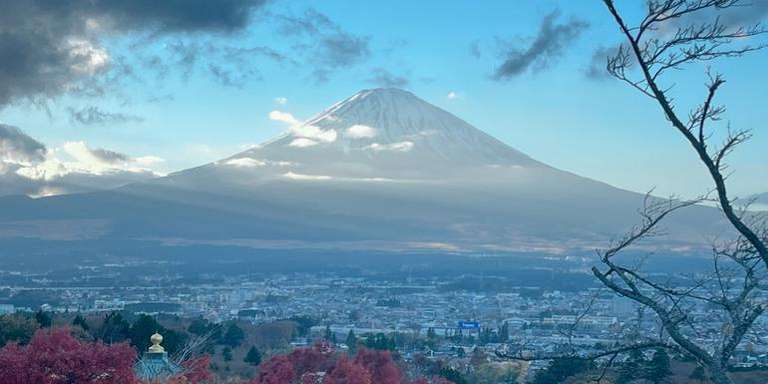
Izu: Ride the ropeway to the 452-metre summit of Mount Katsuragi at Izu Panorama Park. Alongside views across the Izu Peninsula and, on a clear day, Mount Fuji, at the top you’ll find Katsuragi Shrine, a historic shrine dating to the Heian period, still revered for protection from evil and disasters.
Shizuoka: Board Japan’s bullet train and travel between destinations on one of the world’s most efficient rail networks. Known for its speed, precision and comfort, the Shinkansen is part of daily life in Japan and an experience in its own right, giving you a closer look at the country’s seamless approach to modern travel.
Visit the Washi Paper Museum to learn about Japanese papermaking, a craft shaped by skill, patience and natural materials. You’ll create your own souvenir and gain hands-on insight into a tradition that continues to hold an important place in Japanese culture.
Gujo Hachiman: Watch a demonstration of Gujo Odori, the traditional dance of Gujo Hachiman, performed at the town’s festivals for generations. Dressed in yukata and wooden geta, the dancers bring local stories to life through movements inspired by the castle, river and mountains, and you’ll have the chance to try the steps yourself.
Gokayama: Explore Ainokura in the UNESCO-listed Gokayama region, where steeply pitched gassho-zukuri farmhouses rise from the mountain landscape. Designed for heavy snowfall, these traditional homes offer a closer look at the building methods and rural traditions of this part of Japan.
Kanazawa: Visit Kenrokuen, one of Japan’s three great gardens and a strolling-style landscape garden shaped over generations by the Maeda lords of Kanazawa. You’ll see why it is so celebrated, with its carefully balanced design reflecting the six qualities traditionally associated with an ideal garden.
Kanazawa: Discover the history and craftsmanship of Ohi ware at Ohi Gallery before taking part in a matcha tea experience. Served in authentic Ohi bowls, the tea offers a closer connection to a pottery tradition that has been part of Kanazawa’s tea culture for generations.
Kyoto: Explore Gion on a walking tour with your Travel Director, through a district known for its preserved wooden machiya townhouses, teahouses and long association with Kyoto’s geisha culture. As you walk its narrow streets, you’ll gain a clearer sense of the traditions and atmosphere that still define this part of the city.
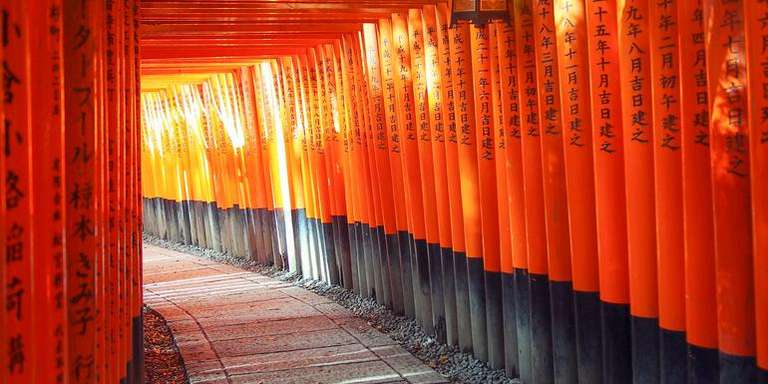
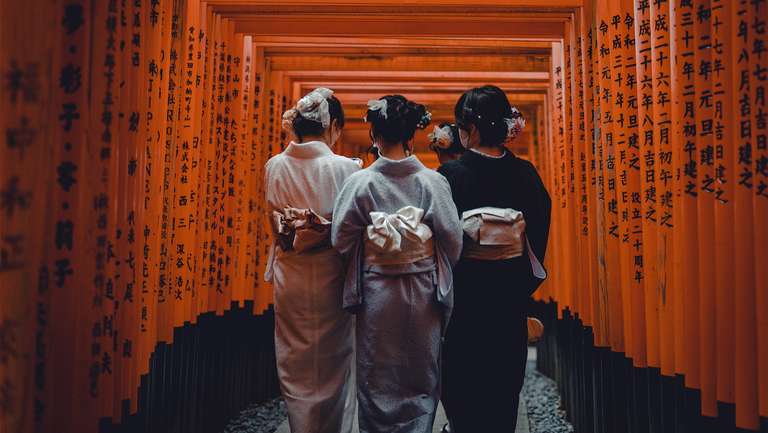
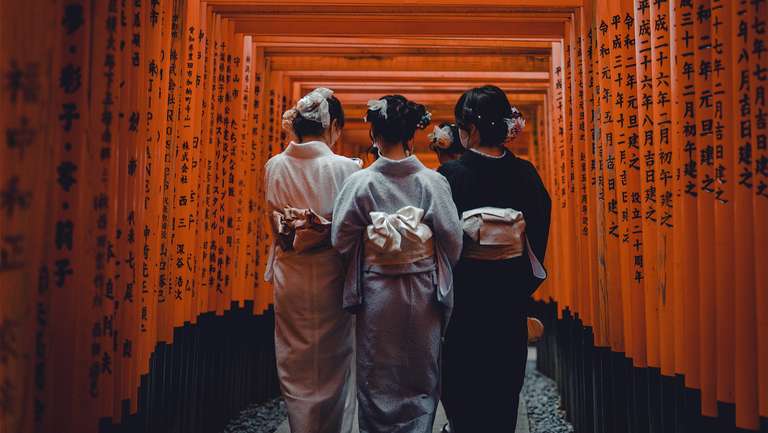
Kyoto: Visit Fushimi Inari Shrine, where Inari was first enshrined in 711. As you explore the shrine complex, you’ll see how one of Kyoto’s most important sacred sites brings together multiple shrines in a setting that has long been associated with worship, ritual and pilgrimage.
Kyoto: Walk through Arashiyama Bamboo Forest, where tall bamboo lines the path in one of Kyoto’s most recognisable landscapes. Set in the Saga-Arashiyama district, the grove forms part of an area long associated with temples, river crossings and historic approaches into western Kyoto.
Kyoto: Visit Kinkaku-ji, first built in 1397 as the retirement villa of Ashikaga Yoshimitsu before becoming a Zen temple. Reflected in the surrounding pond, you'll see one of Kyoto’s most recognised views, while also revealing the legacy of the shogunate in the city.
Visit the Washi Paper Museum to learn about Japanese papermaking, a craft shaped by skill, patience and natural materials. You’ll create your own souvenir and gain hands-on insight into a tradition that continues to hold an important place in Japanese culture.
Gujo Hachiman: Watch a demonstration of Gujo Odori, the traditional dance of Gujo Hachiman, performed at the town’s festivals for generations. Dressed in yukata and wooden geta, the dancers bring local stories to life through movements inspired by the castle, river and mountains, and you’ll have the chance to try the steps yourself.
Gokayama: Explore Ainokura in the UNESCO-listed Gokayama region, where steeply pitched gassho-zukuri farmhouses rise from the mountain landscape. Designed for heavy snowfall, these traditional homes offer a closer look at the building methods and rural traditions of this part of Japan.
Kanazawa: Visit Kenrokuen, one of Japan’s three great gardens and a strolling-style landscape garden shaped over generations by the Maeda lords of Kanazawa. You’ll see why it is so celebrated, with its carefully balanced design reflecting the six qualities traditionally associated with an ideal garden.
Kanazawa: Discover the history and craftsmanship of Ohi ware at Ohi Gallery before taking part in a matcha tea experience. Served in authentic Ohi bowls, the tea offers a closer connection to a pottery tradition that has been part of Kanazawa’s tea culture for generations.
Kyoto: Explore Gion on a walking tour with your Travel Director, through a district known for its preserved wooden machiya townhouses, teahouses and long association with Kyoto’s geisha culture. As you walk its narrow streets, you’ll gain a clearer sense of the traditions and atmosphere that still define this part of the city.
Kyoto: Visit Fushimi Inari Shrine, where Inari was first enshrined in 711. As you explore the shrine complex, you’ll see how one of Kyoto’s most important sacred sites brings together multiple shrines in a setting that has long been associated with worship, ritual and pilgrimage.
Kyoto: Walk through Arashiyama Bamboo Forest, where tall bamboo lines the path in one of Kyoto’s most recognisable landscapes. Set in the Saga-Arashiyama district, the grove forms part of an area long associated with temples, river crossings and historic approaches into western Kyoto.
Kyoto: Visit Kinkaku-ji, first built in 1397 as the retirement villa of Ashikaga Yoshimitsu before becoming a Zen temple. Reflected in the surrounding pond, you'll see one of Kyoto’s most recognised views, while also revealing the legacy of the shogunate in the city.
Customer Reviews
This tour has not received any customer reviews yet. However, you can expect a  Premier tour and service level as the travel specialist who runs it has received 1664 reviews for other tours with an average 4.7rating.
Do you need help from our trip consultants?
If you have any question about this tour or need help with planning a trip, please do not hesitate to get in touch with us.
Our travel experts are ready to help.


Why Book with Bookmundi
No credit card or booking fees.
Best price guaranteed.
Carbon neutral tours.
25,000+ trip reviews, with an average rating of 4.8 out of 5.
What are customers saying about Bookmundi