
Best Time to Visit Oman
- JanAvg Daily: 25Avg Nightly: 17
- FebAvg Daily: 26Avg Nightly: 18
- MarAvg Daily: 30Avg Nightly: 21
- AprAvg Daily: 35Avg Nightly: 25
- MayAvg Daily: 39Avg Nightly: 29
- JunAvg Daily: 40Avg Nightly: 30
- JulAvg Daily: 38Avg Nightly: 31
- AugAvg Daily: 28Avg Nightly: 25
- SepAvg Daily: 36Avg Nightly: 28
- OctAvg Daily: 35Avg Nightly: 25
- NovAvg Daily: 31Avg Nightly: 21
- DecAvg Daily: 27Avg Nightly: 19
Overview
Step back in time to a country with a laid-back attitude, where development and commercialization are yet to see the light of the day. Oman is a traditional country - one with beautiful oases, towering mountains, and jagged valleys. If you want a holiday where you can experience the modern lifestyle in the ultra-modern cities of Muscat, Salalah, or Sohar, and experience traditional Arabian living, Oman is the place to be. The only question that remains is: when to visit Oman?
When is the best time to visit Oman: Quick Facts
When to visit Oman: Seasonal Overview
The best time of year to go to Oman depends on your preferences for weather and outdoor activities. For an optimal experience, explore our recommendations for the best time to visit Oman, ensuring you enjoy its stunning deserts, beautiful coastline, and rich cultural heritage under the most favorable conditions throughout the year.
1. Winter in Oman — October to March
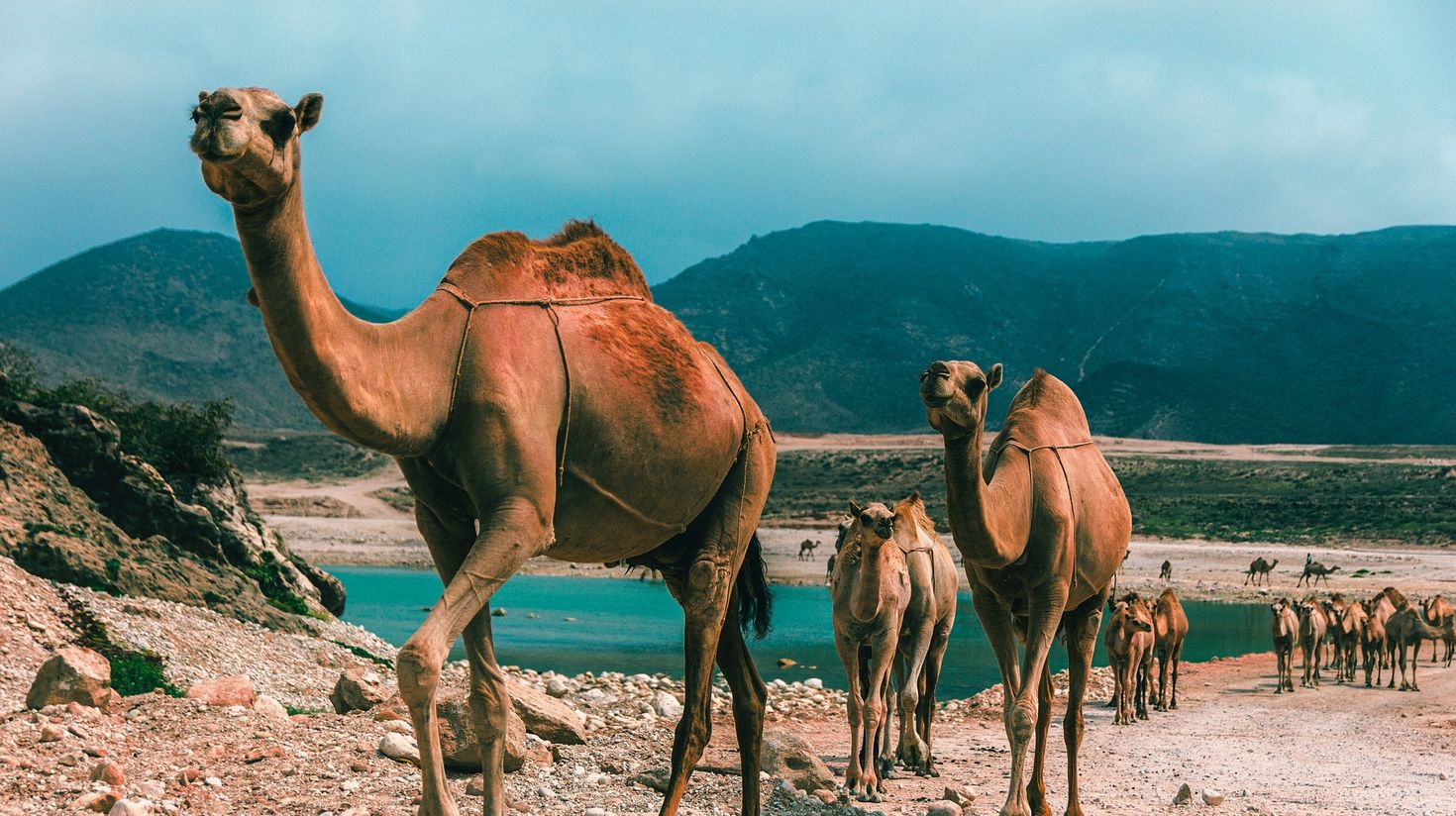
The weather in Oman will be highly pleasant therefore, winter is one of the best time to travel to Oman. The day temperatures will be moderate and balmy, whereas the nights will be quite chilly. The chill intensifies in the elevated spots around the country, like the Saiq Plateau or Western Hajar. There is little to no rainfall during this entire season, except for a few scattered showers in December - March, but they won’t be so heavy that they interrupt plans. This is the high season for traveling to Oman, so you should book your tickets and accommodation in advance, to avoid any increase in the charges.
- Avg. Temperature: 63 – 95° F / 17 – 35° C (in Muscat)
- Rainfall: 10 – 30 mm
- Season: Winter Season
- Highlights: This is when to visit Oman if you want to travel the entire country. The weather is pleasant everywhere- from the Musandam Peninsula, and the Hajar Mountains, the rose blossoms in Jebel Akkdar, to Salalah! This is a popular time for tourists to head to Muscat, especially around Christmas time. There are some exciting festivals taking place during this season as well. The most important is the Muscat Festival, which is a month-long celebration of Omani culture. The autumn harvest festival takes place in September, so you can definitely stock up on all the walnuts and pomegranates you want!
2. Spring in Oman — April to May
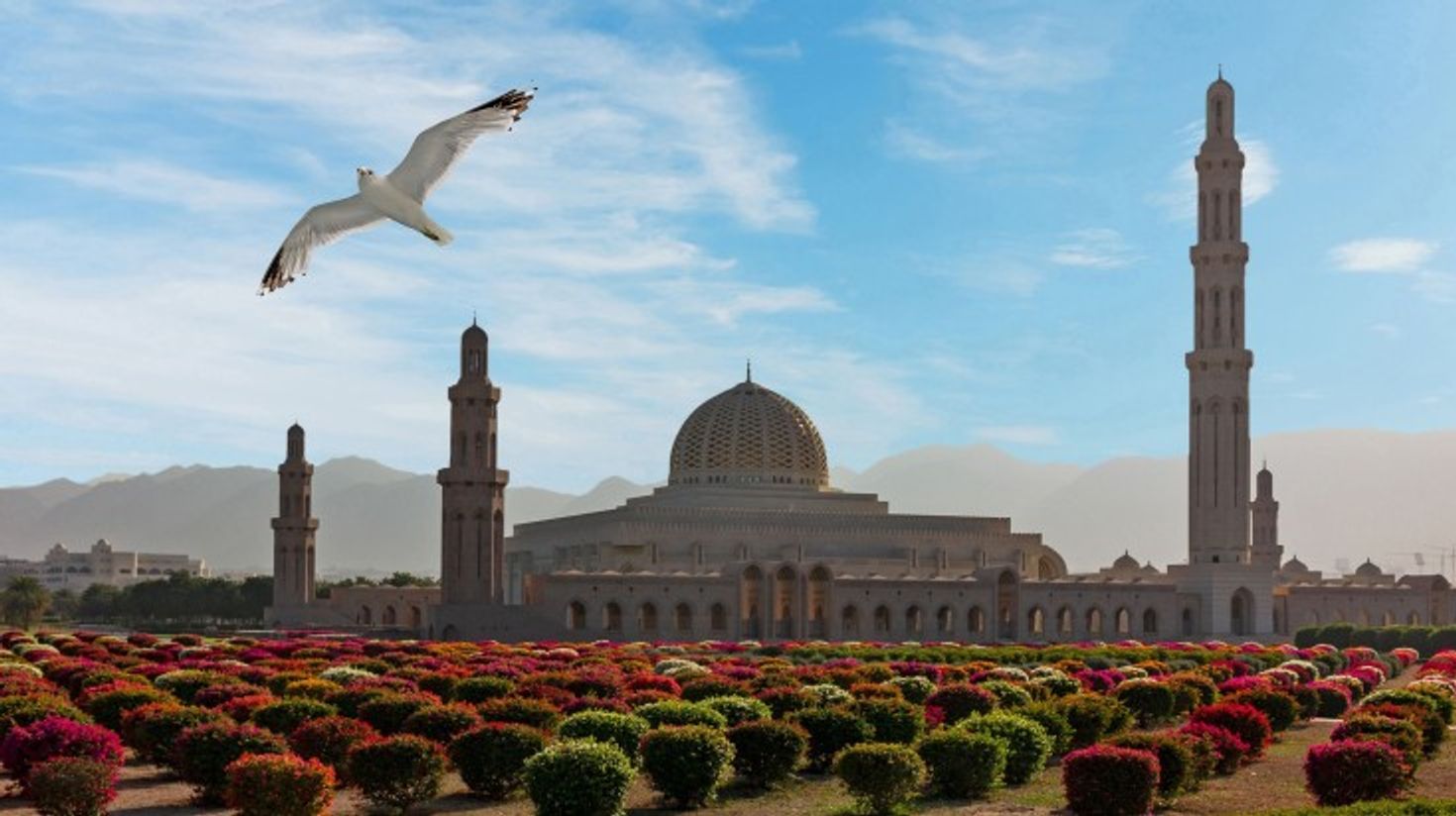
The temperature is slightly warmer during this period, even during the nights. The humidity levels are generally lower, especially in May. There is little to no rain during this season. This is the shoulder season before the weather in Oman gets unbearably hot. This season is not as busy as the winter season, so you should be able to get accommodation and travel options at a cheaper price.
- Avg. Temperature: 77 – 102° F / 25 – 39° C (in Muscat)
- Rainfall: 10 – 20 mm
- Season: Spring Season
- Highlights: If you are traveling to Oman during these months, you will be able to enjoy all the benefits of winter travel, without having to deal with the crowds. You must visit the Jebel Akhdar Mountains, where the roses would have started to bloom by April. The apricot festival is held in May, which is the month of the fruit harvest, so you can indulge by binging on your favorite Arabian treats. This is when to visit Oman if you want to relax by the ocean - the coastal town of Al Batinah, with its palm beaches, awaits you, as does the Ras al Jinz beach, where you can spot turtles!
3. Summer in Oman — June to September
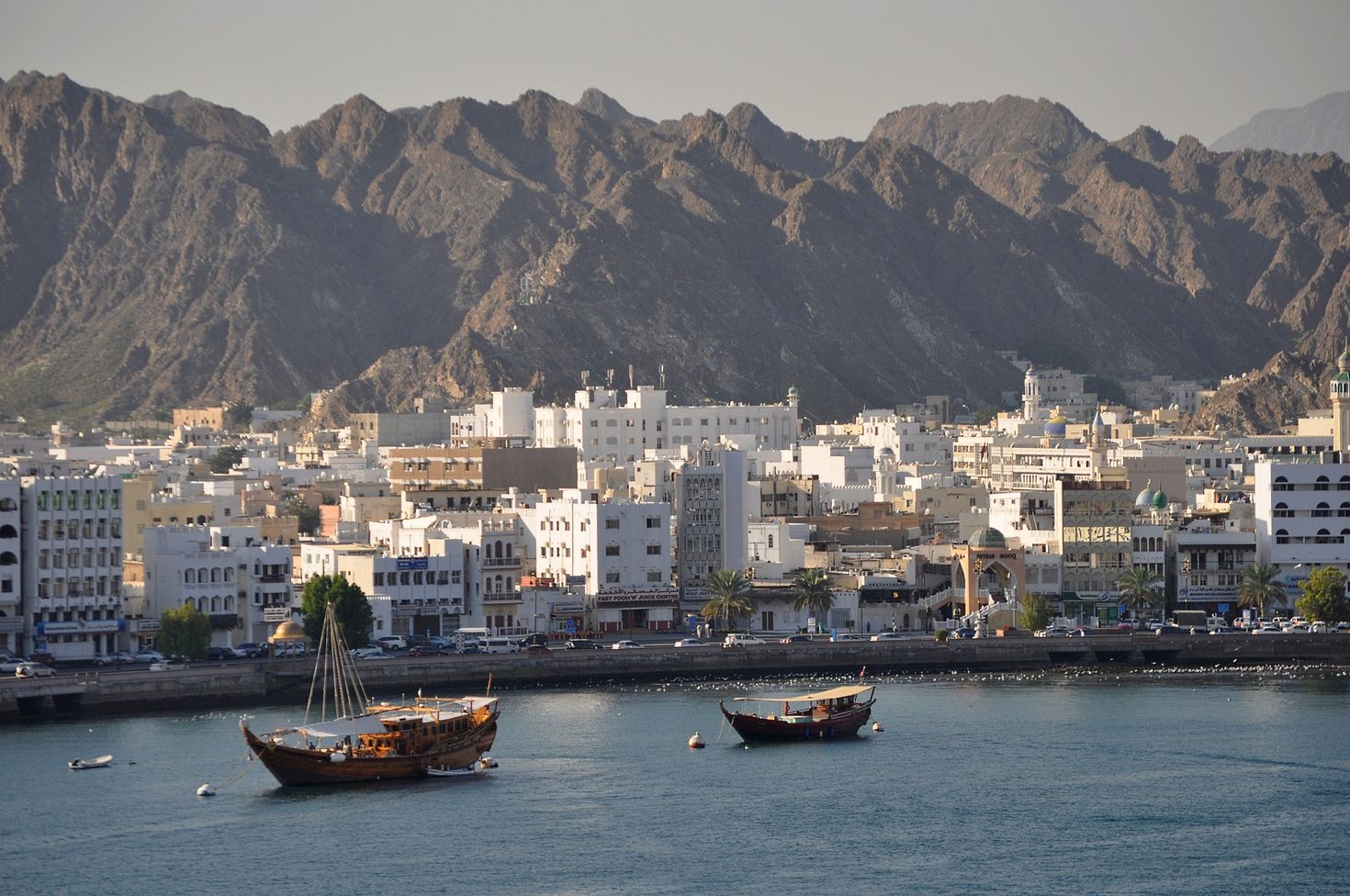
The weather becomes unbearably hot around this time. It’s dry and scorching hot. It is recommended that you do not visit Oman during the summer. Except for Salalah, which has a moderate climate during these months, the rest of the country will be dangerously arid and dry.
- Avg. Temperature: 86 – 104° F / 30 – 40° C (in Muscat)
- Rainfall: 10 mm
- Season: Summer Season
- Highlights: If you still wish to visit Oman during these months, you should head to the mountains. The Hajar Mountains, Musandam Peninsula, or the beautiful town of Khasab, will be much cooler compared to other parts of the country. If you’re a wildlife enthusiast, you can always head to Ras al Jinz beach, where the number of turtles increases phenomenally during this season.
Weather in Oman: Rainfall and Temperatures
Written by

Continue reading Related Guides
















Why Book with Bookmundi?
A strict screening process ensures that we only offer high quality, vetted tours and trip packages globally. The result? 4.8 of 5 stars out of more than 25,000 trip ratings.
All tours booked through Bookmundi are 100% carbon offset. Every quarter, we invest in carbon reduction projects around the world—at no extra cost to you.
Read how
 4.7(850 reviews)
 Trustpilot4.8(148 reviews)