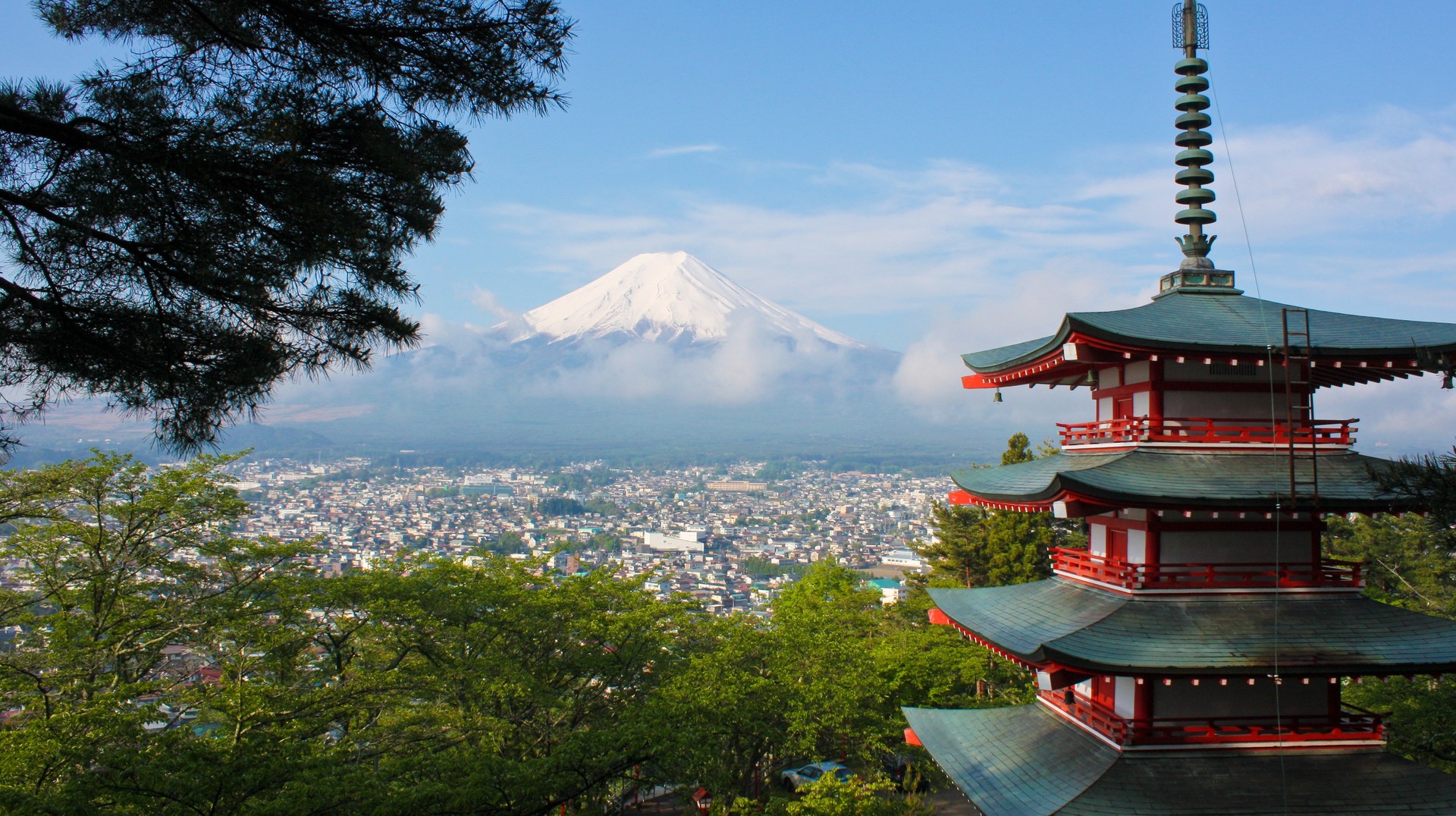
Best Time to Visit Japan

- JanAvg Daily: 8Avg Nightly: 2
- FebAvg Daily: 9Avg Nightly: 2
- MarAvg Daily: 12Avg Nightly: 5
- AprAvg Daily: 17Avg Nightly: 10
- MayAvg Daily: 21Avg Nightly: 14
- JunAvg Daily: 24Avg Nightly: 18
- JulAvg Daily: 28Avg Nightly: 22
- AugAvg Daily: 29Avg Nightly: 23
- SepAvg Daily: 26Avg Nightly: 20
- OctAvg Daily: 20Avg Nightly: 15
- NovAvg Daily: 15Avg Nightly: 9
- DecAvg Daily: 11Avg Nightly: 4
Overview
Best time to travel to Japan: Quick facts
See also:
Best months to visit Japan: Seasonal overview
Wondering when is the best time to visit Japan? Find our what to expect during each season in the country and make a sound decision.
Summer in Japan — June to August
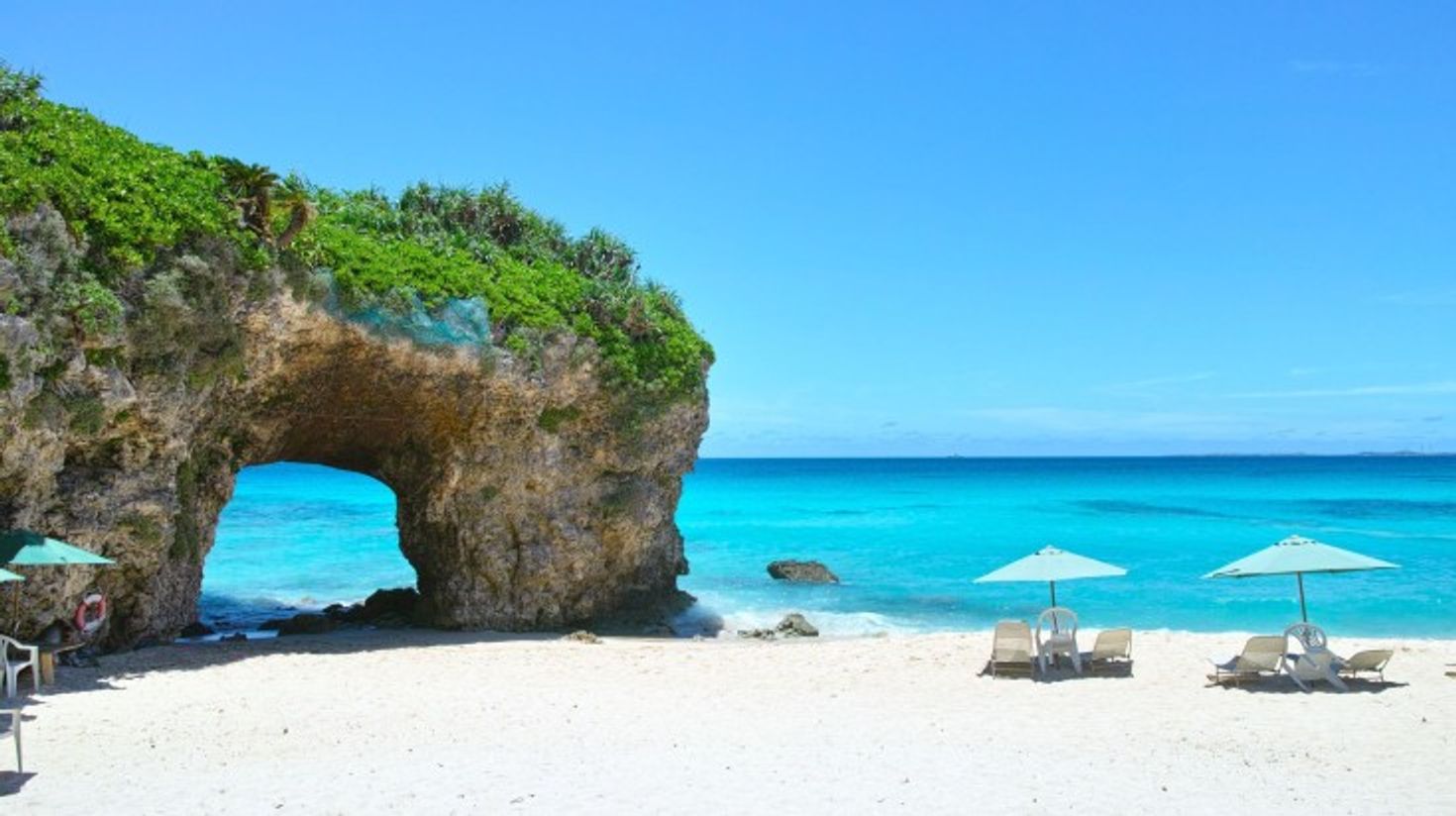
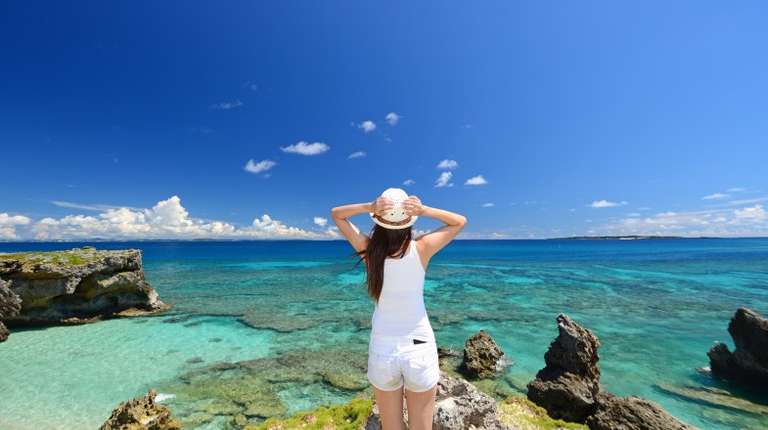
Bask in the sun and unwind on the pristine shores of Sunayama Beach for the perfect summer escape.
Summer in Japan is a lively and vibrant season, bringing long, hot days, lush greenery, and many cultural celebrations. While the summer heat and humidity can be intense, it’s also the time for some of Japan’s most exciting festivals, including the Gion Matsuri in Kyoto and the Tanabata Festival in Sendai. The summer months are perfect for experiencing Japan’s beautiful beaches, particularly in Okinawa, where crystal-clear waters and a tropical climate make it ideal for beach lovers and water sports enthusiasts. The country also comes alive with fireworks festivals, called Hanabi Taikai, lighting up the summer night sky. Although summer in Japan can be crowded, it’s an unforgettable time for travelers who love vibrant festivals, outdoor adventures, and exploring the islands.
| Average temperatures | 75 – 95° F / 24 – 35° C (in Tokyo) |
| Average rainfall | 100-150mm |
| Season | Summer |
| Is summer a good time to visit Japan? |
Maybe, summer is an excellent time to visit Japan, especially for those interested in cultural festivals, outdoor activities, and experiencing the country’s lively atmosphere. However, be prepared for high humidity and larger crowds. |
Highlights:
- Japan’s summer is vibrant with festivals like the Gion Matsuri in Kyoto, the Awa Odori Dance Festival in Tokushima, and fireworks (Hanabi) celebrations nationwide.
- Okinawa’s tropical climate makes summer the best time to enjoy its beautiful beaches, snorkeling, and diving in the crystal-clear waters.
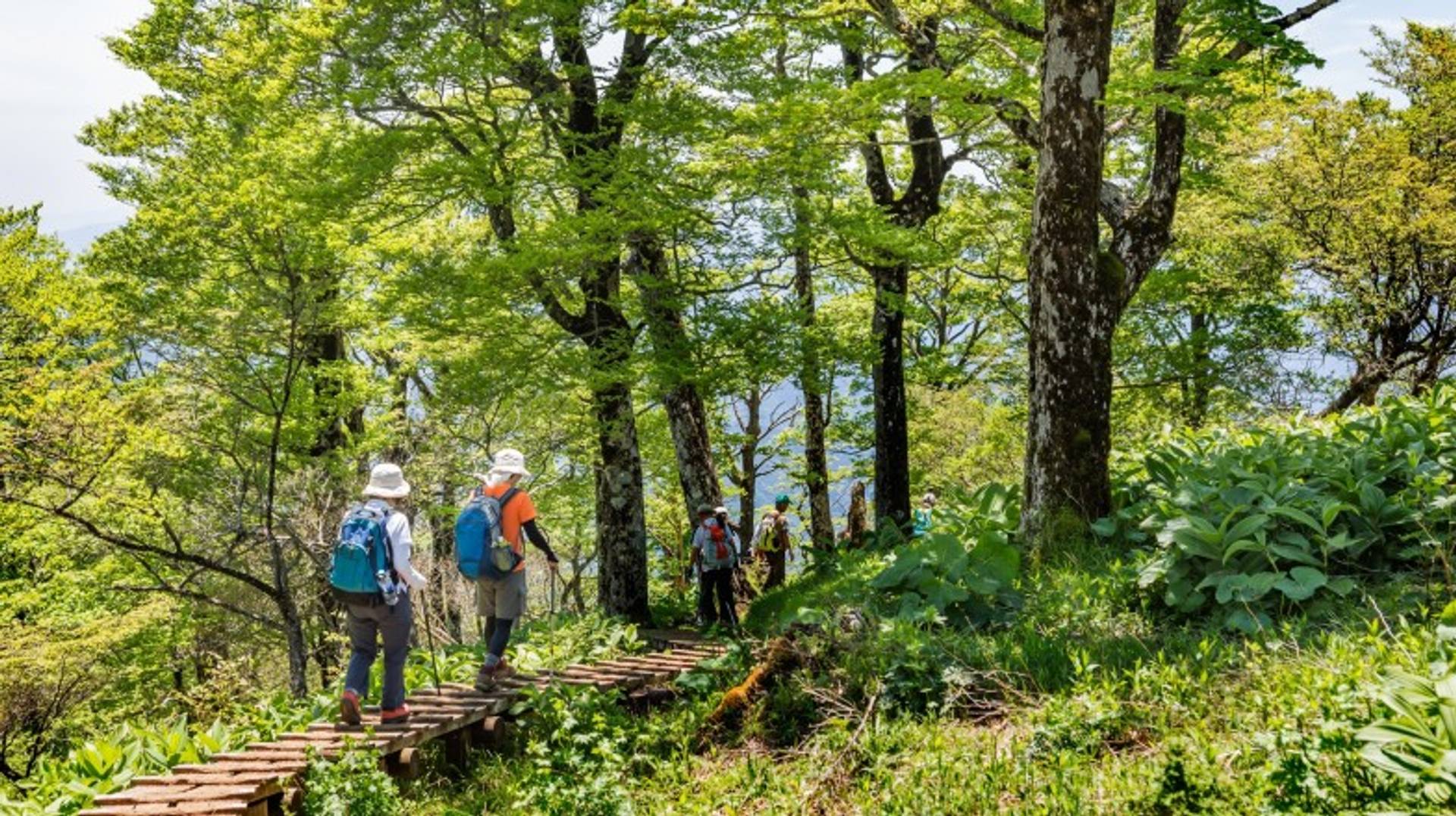
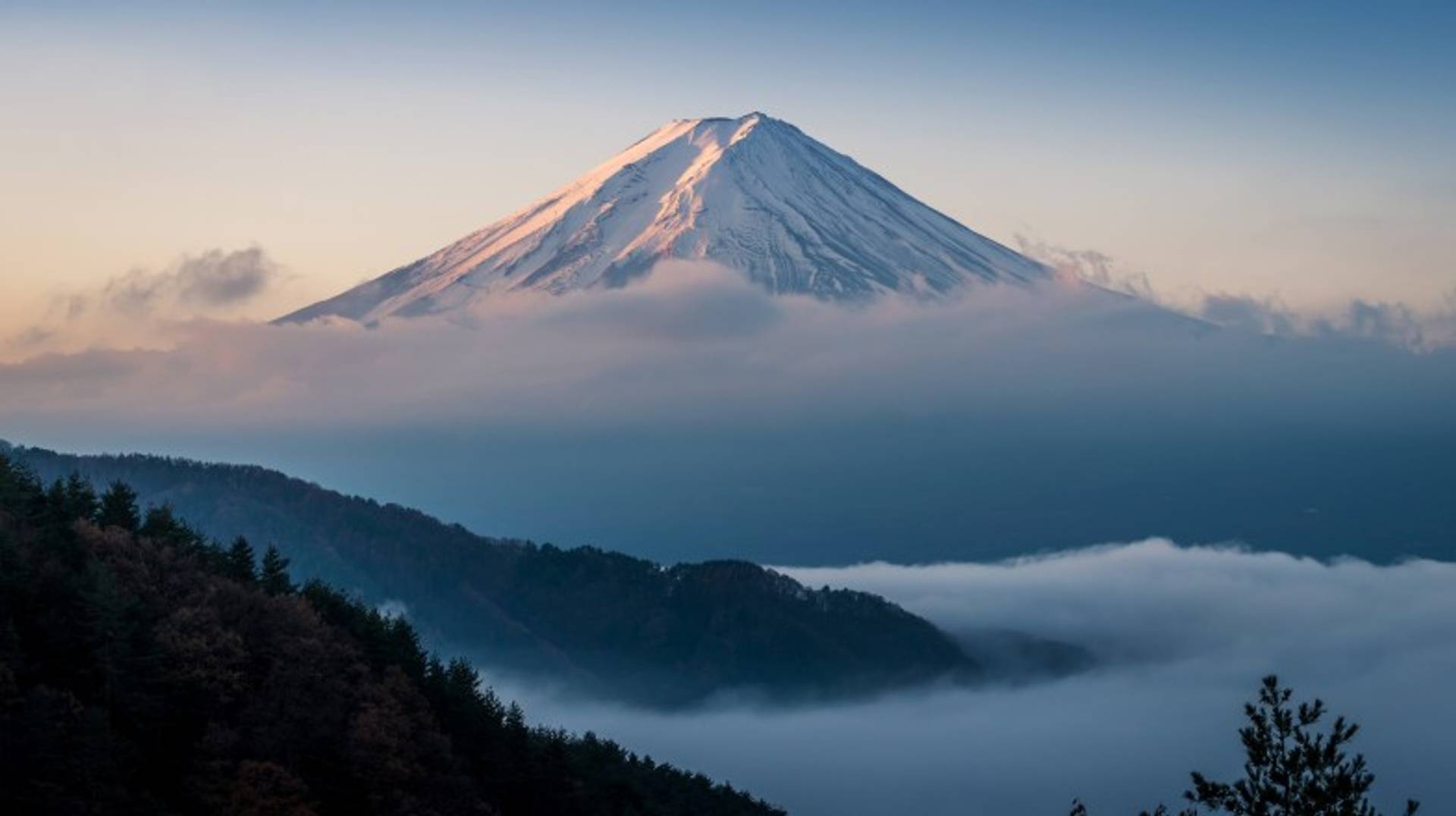
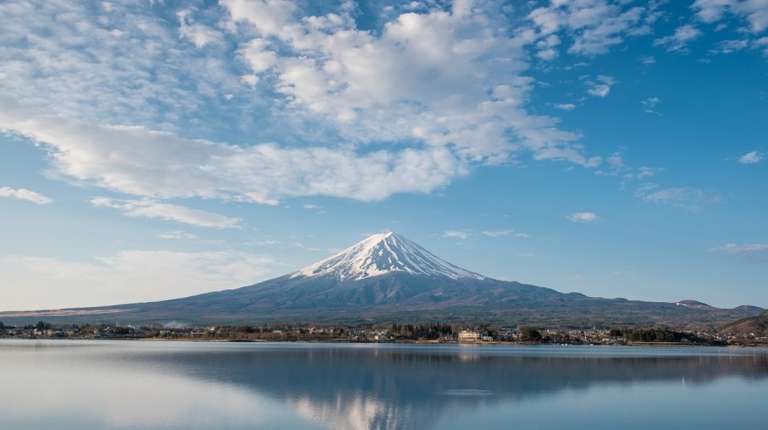
- Summer is perfect for outdoor adventures, whether hiking mountains, exploring the countryside, or visiting lakeside resorts like Lake Kawaguchi near Mount Fuji.
Travel tips:
- Prepare for hot and humid conditions, especially in Tokyo and other cities, by wearing breathable clothing and staying hydrated.
- Many areas can get crowded in summer, so consider booking accommodations and tickets well in advance.
- If you’re visiting Okinawa, take advantage of the warm waters for swimming and water sports, but pack sunscreen as the sun can be intense.
Spring in Japan — March to May
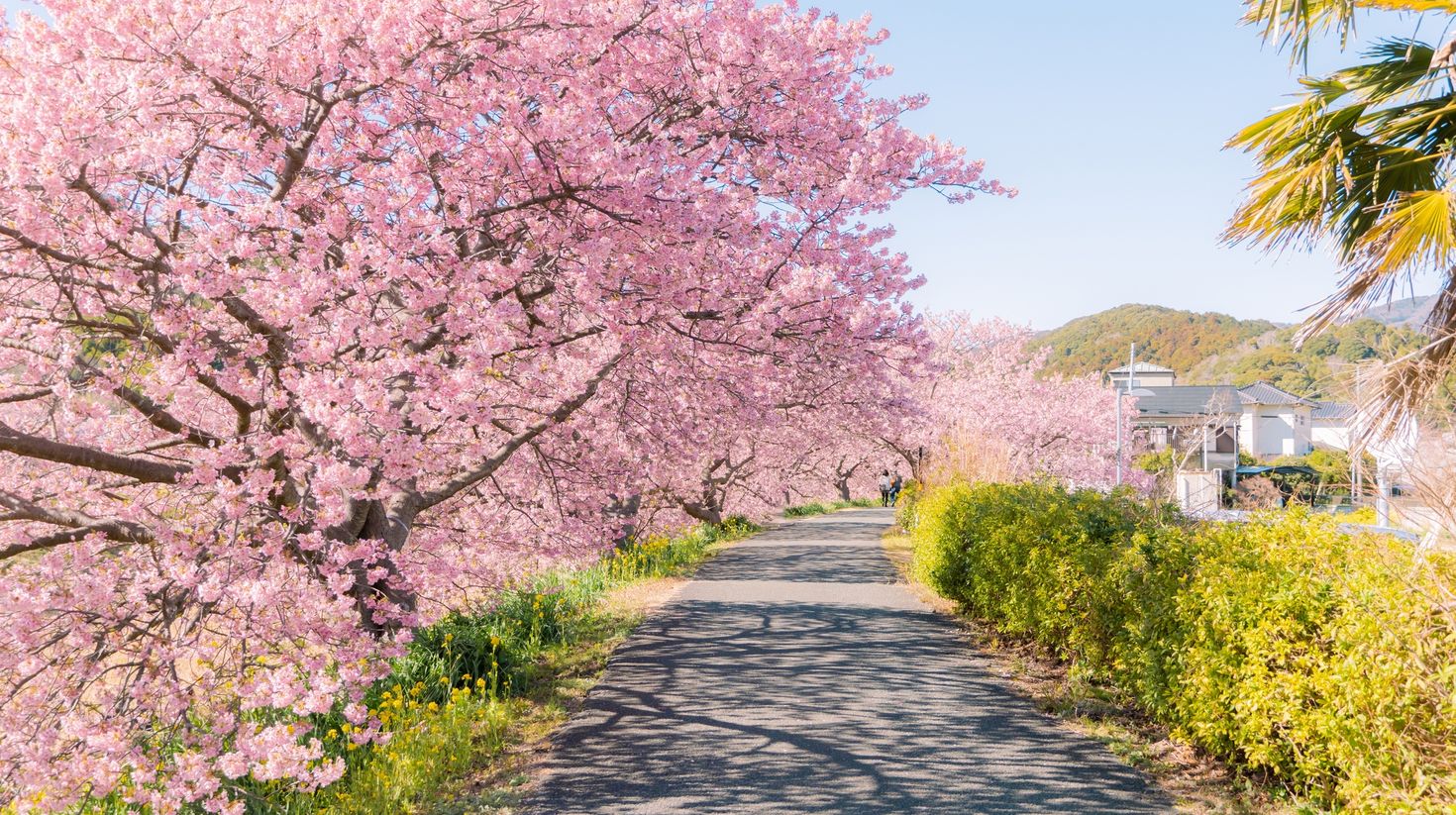
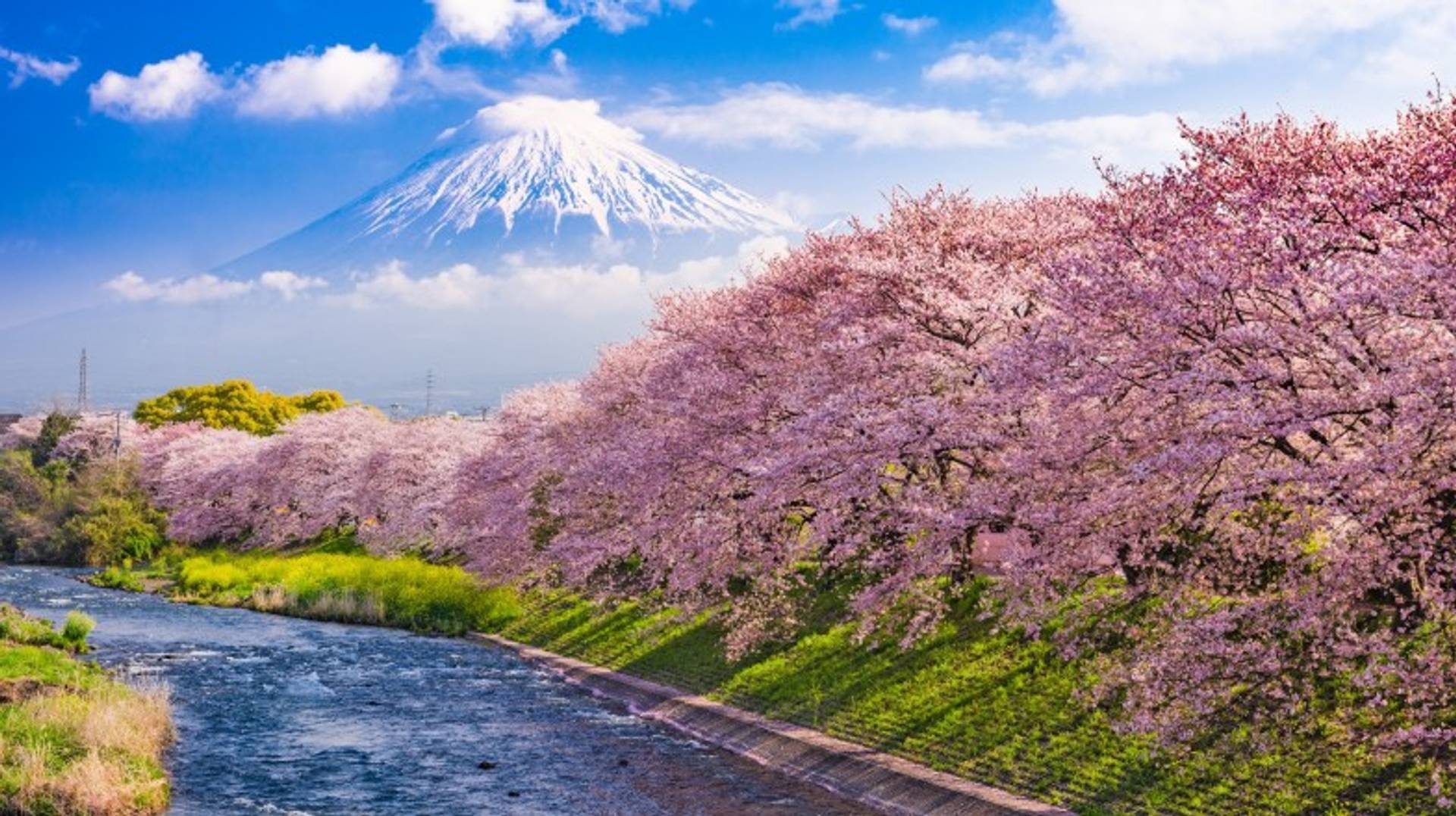
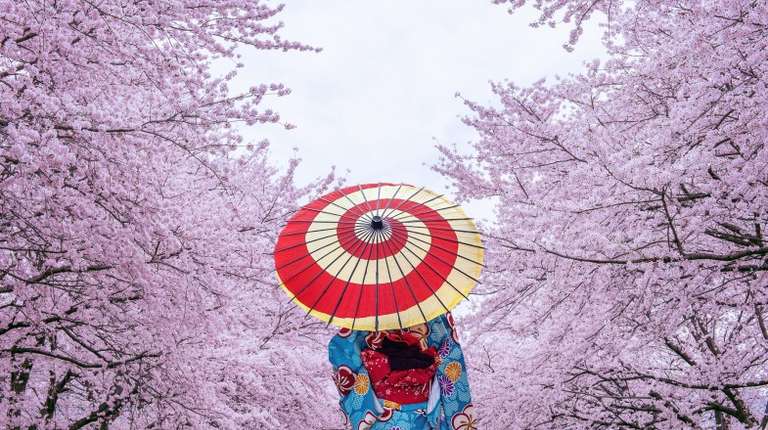
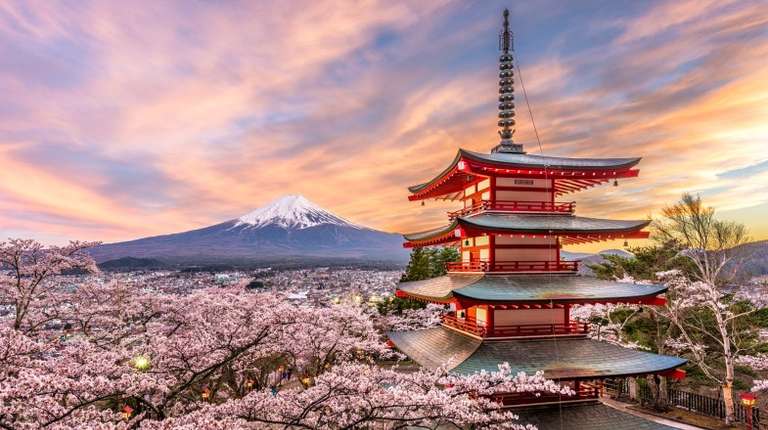
Spring in Japan is one of the most beautiful and culturally significant times of the year, as the famous cherry blossoms (sakura) bloom across the country, creating breathtaking views and a sense of renewal. The season brings mild weather, fewer crowds than the summer months, and an abundance of festivals. Tokyo is particularly charming during the sakura season, as parks like Ueno and Shinjuku Gyoen fill with pink blossoms. Spring is also the best time to visit for those looking for good weather and a chance to experience Japan’s vibrant flower festivals. With the pleasant temperatures, spring is ideal for sightseeing, hiking, and outdoor activities like hanami (cherry blossom viewing).
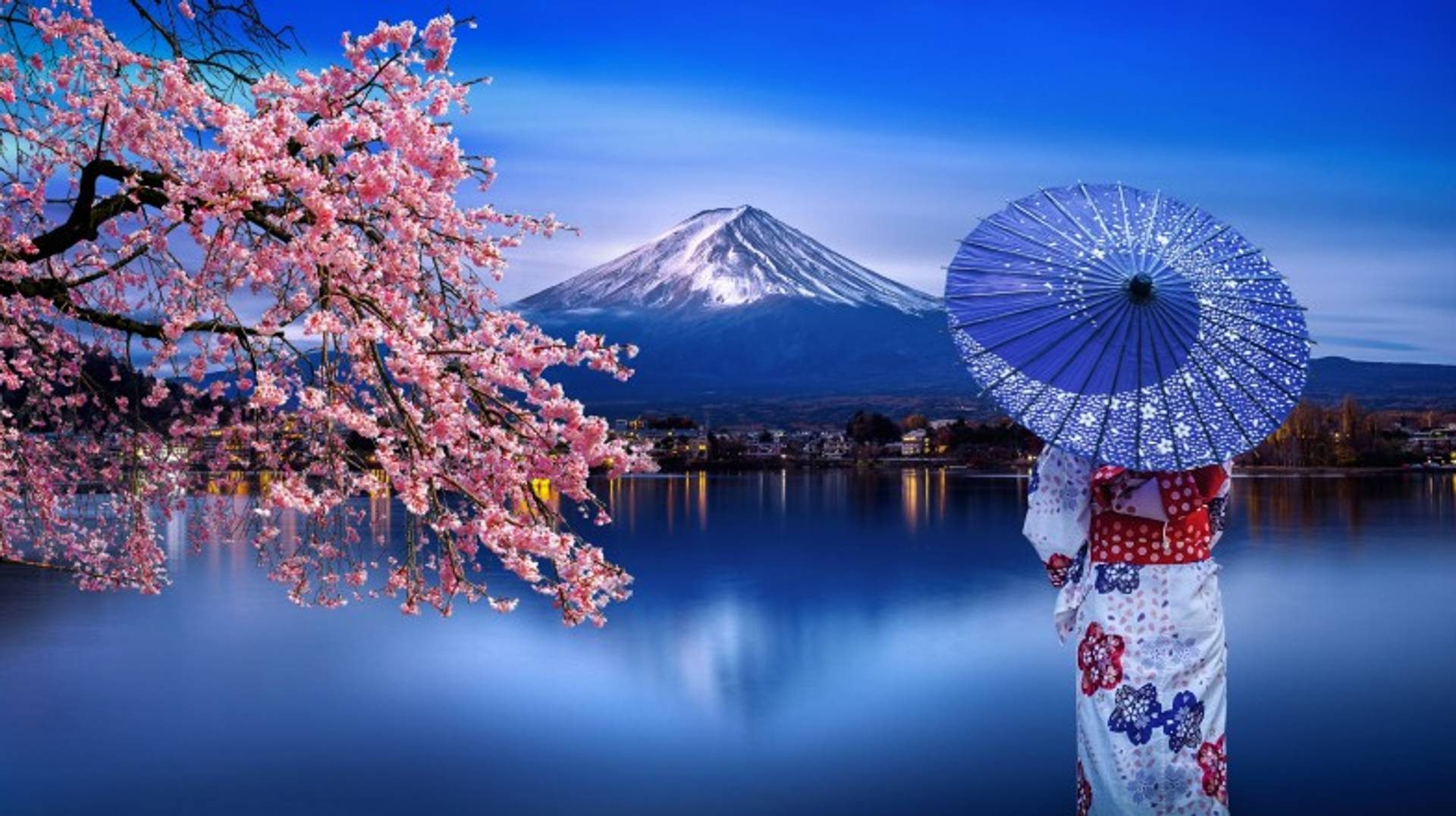
Japan’s bright pink cherry blossoms bloom in late March and remain vivid until May, making it the best time of the year to go to Japan.
| Average temperatures | 50 – 70° F / 10 – 21° C (in Tokyo) |
| Average rainfall | 40 – 80 mm |
| Season | Spring |
| Is spring a good time to visit Japan? |
Yes, spring is considered one of the best times to visit Japan due to its beautiful cherry blossoms, mild weather, and cultural celebrations. It’s perfect for outdoor activities and sightseeing |
Highlights:
- Cherry blossoms are Japan’s iconic spring feature, with parks in Tokyo, Kyoto, and Hokkaido offering stunning sakura blooms, typically peaking in April.
- Spring is the best time to visit Tokyo, with smaller crowds and comfortable temperatures, perfect for exploring parks, temples, and vibrant neighborhoods.
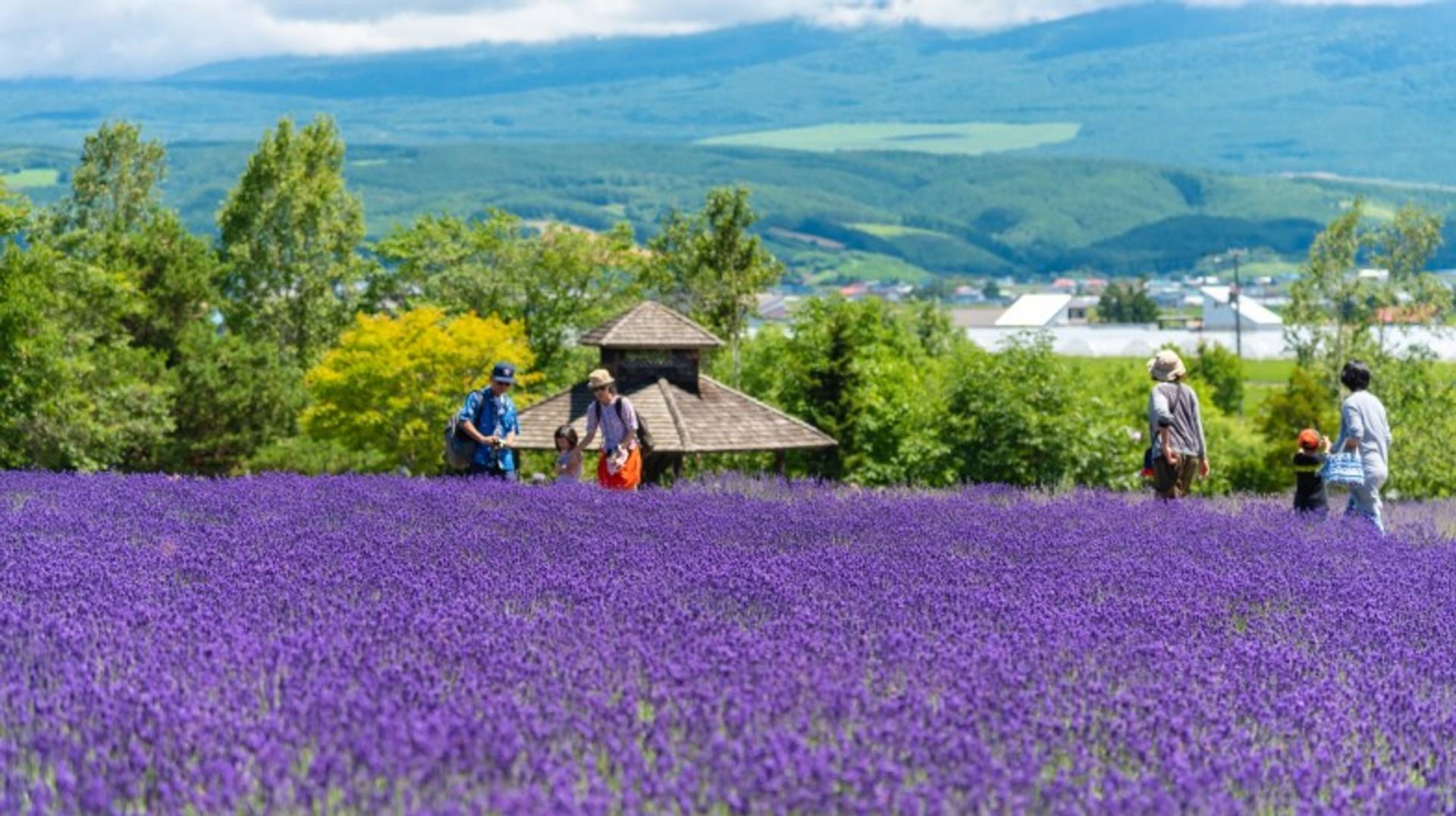
- Japan celebrates various flower festivals in spring, including plum blossoms early on and tulip festivals in Hokkaido, showcasing a variety of blooms.
Travel tips:
- Book hotels and flights in advance as spring, particularly cherry blossom season, is very popular and can get crowded.
- Layer your clothing as temperatures can vary between cool mornings and warmer afternoons.
- Don’t forget to try seasonal treats like sakura-flavored sweets and matcha.
In-depth month-wise guides:
Fall in Japan — September to November
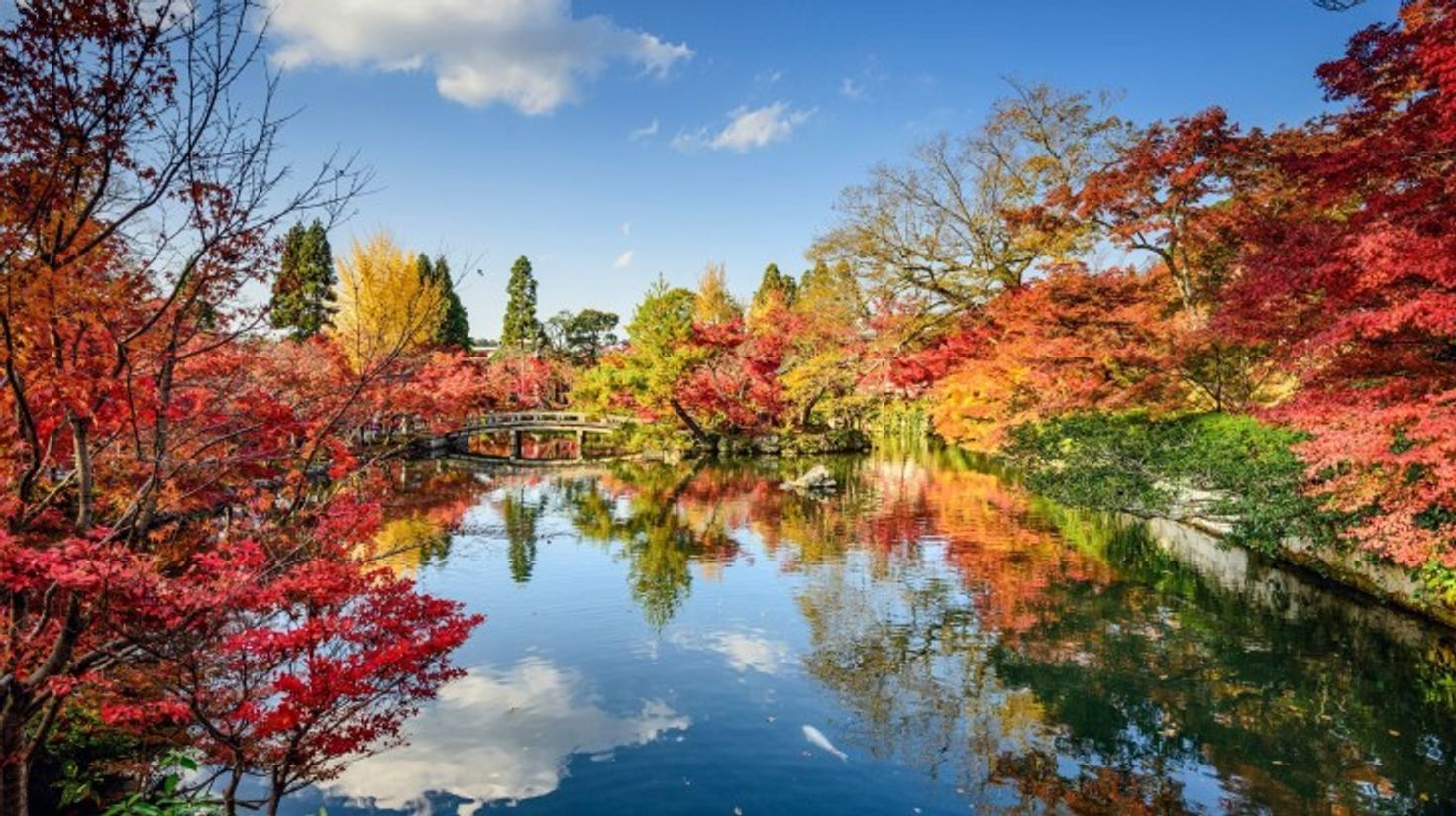
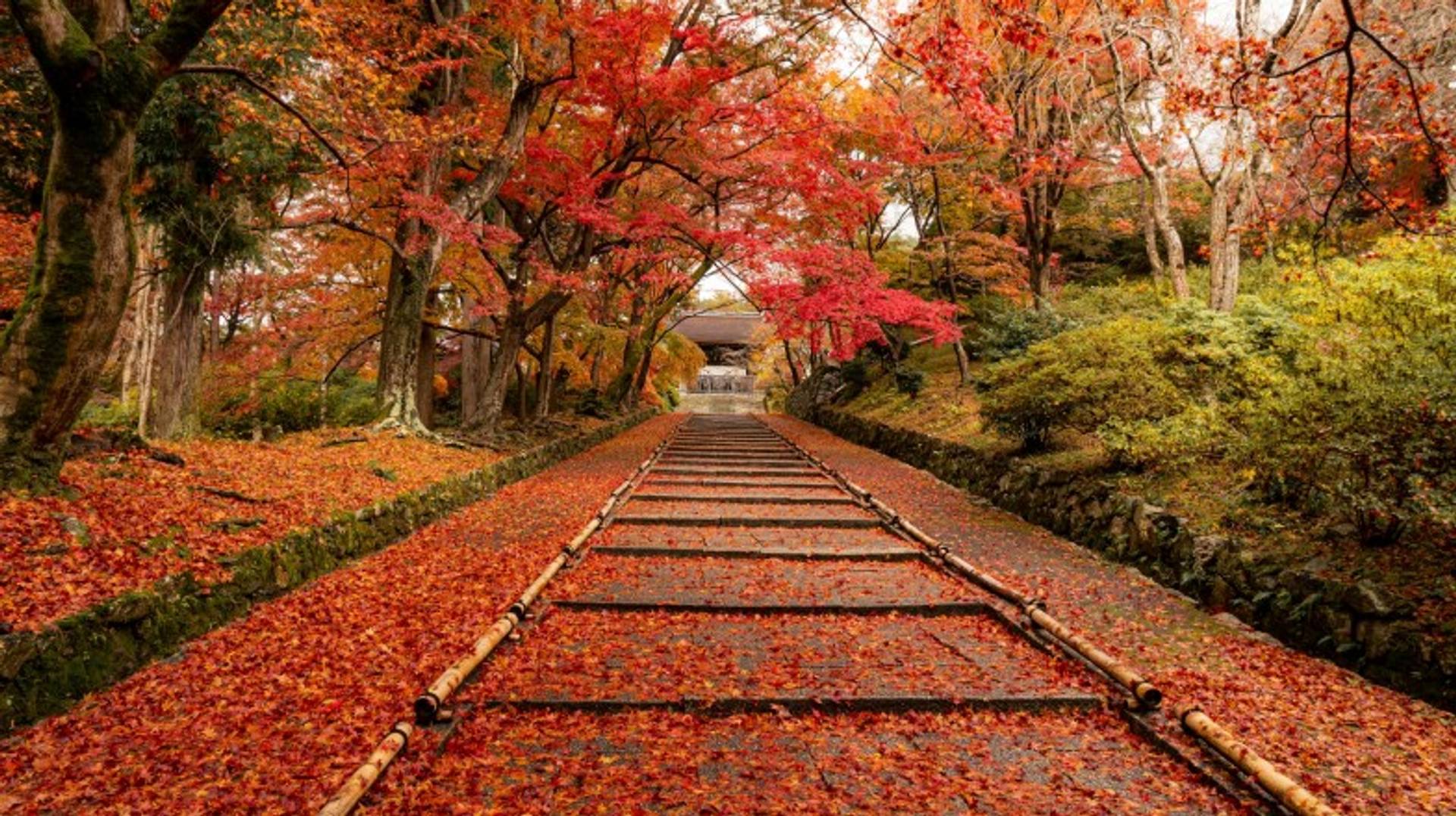
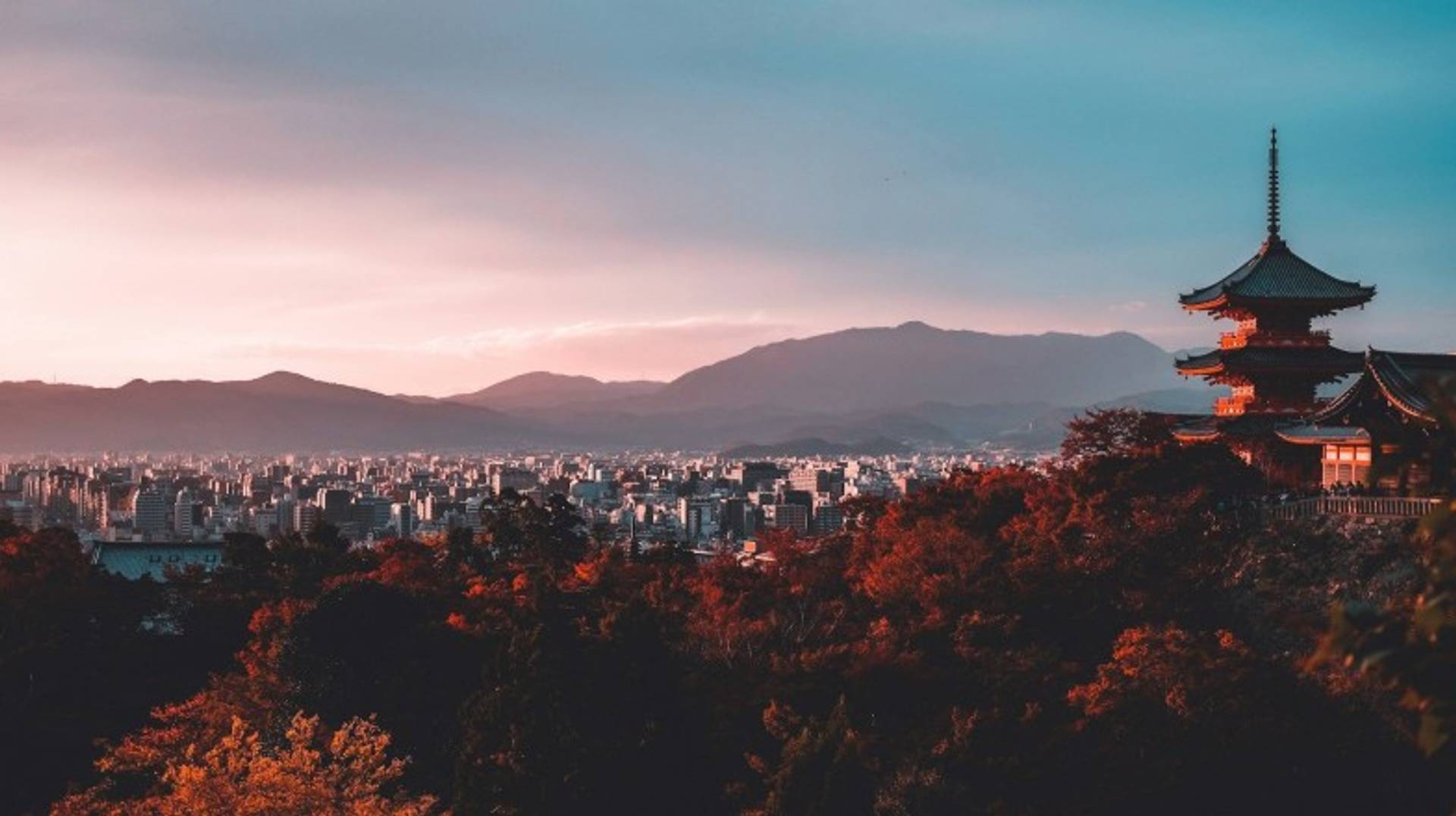
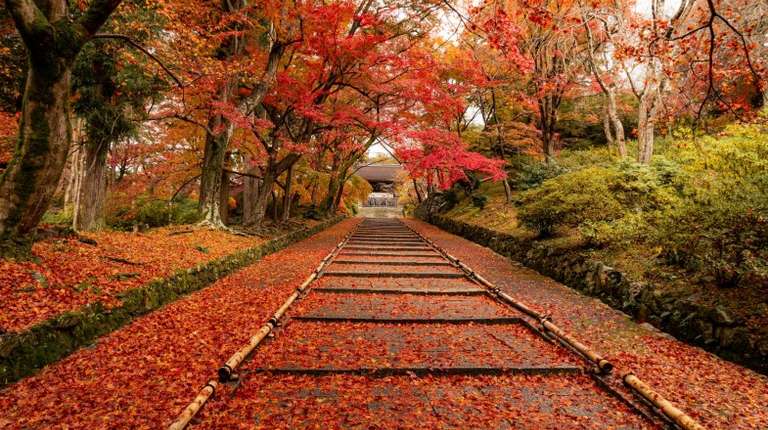
Witness Kyoto transform into a masterpiece of crimson and gold as you soak in the breathtaking fall foliage in Japan.
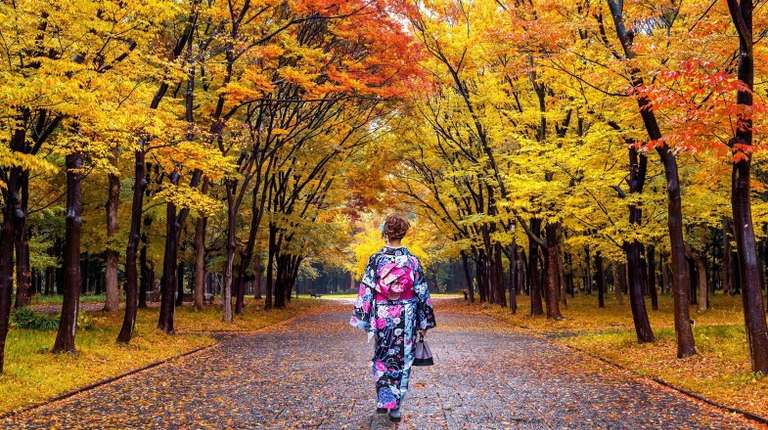
Fall runs from September to November in Japan, with cooler temperatures and the country’s landscapes transforming into vibrant hues of red, orange, and gold. The fall foliage (koyo) in areas like Kyoto, Nikko, and the Japanese Alps offers some of the best scenic views in the world. It’s also a time for cultural festivals, traditional harvest celebrations, and delicious seasonal food, such as mushrooms, chestnuts, and sweet potatoes. The weather is perfect for outdoor activities, and this season is considered one of the best for hiking or exploring Japan’s ancient temples and shrines. Fall is also the best time to visit for good weather and stunning natural beauty.
| Average temperatures | 55 – 70° F / 13 – 21° C (in Tokyo) |
| Average rainfall | 50 – 80 mm |
| Season | Fall |
| Is fall a good time to visit Japan? |
Yes, fall is one of the best times to visit Japan, offering mild temperatures, beautiful foliage, and fewer crowds than in spring or summer. |
Highlights:
- Fall foliage (Koyo) in Kyoto, Nikko, and the Japanese Alps offers mesmerizing colors, perfect for scenic train rides or hikes through vibrant autumn leaves.
- Autumn is a season for harvest and cultural festivals, with events like the Takayama Autumn Festival in Gifu and the Jidai Matsuri in Kyoto showcasing traditional celebrations.
- Fall is the best time to visit Okinawa, with warm weather ideal for beach activities, yet without the intense summer heat and humidity.
Travel tips:
- Pack layers to accommodate the cool mornings and mild afternoons.
- Fall is one of the most popular seasons in Japan, so plan and book your accommodations early to avoid the crowds.
- Visit local temples and gardens to enjoy the beauty of the fall foliage.
In-depth month-wise guides:
Winter in Japan — December to February
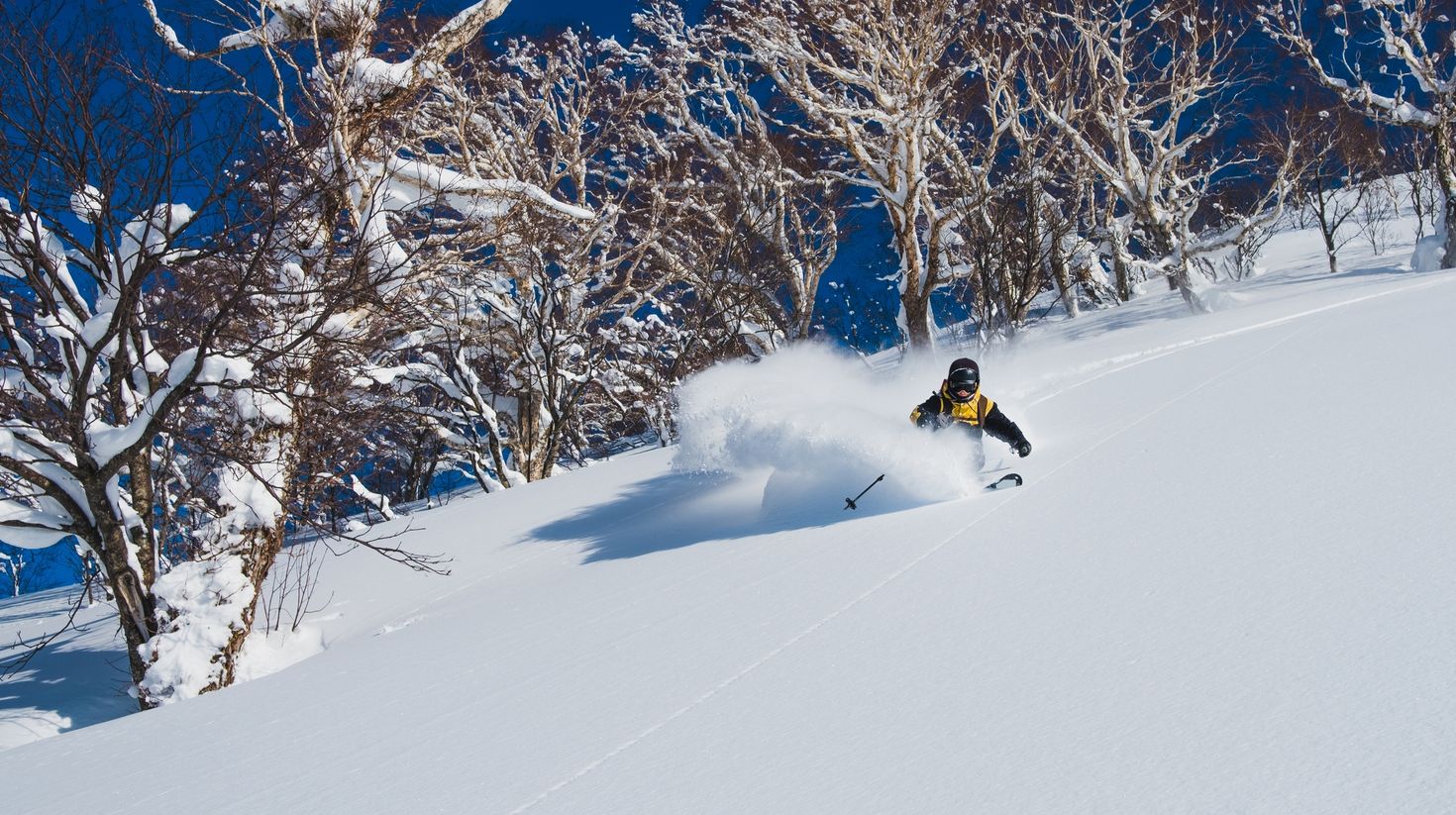
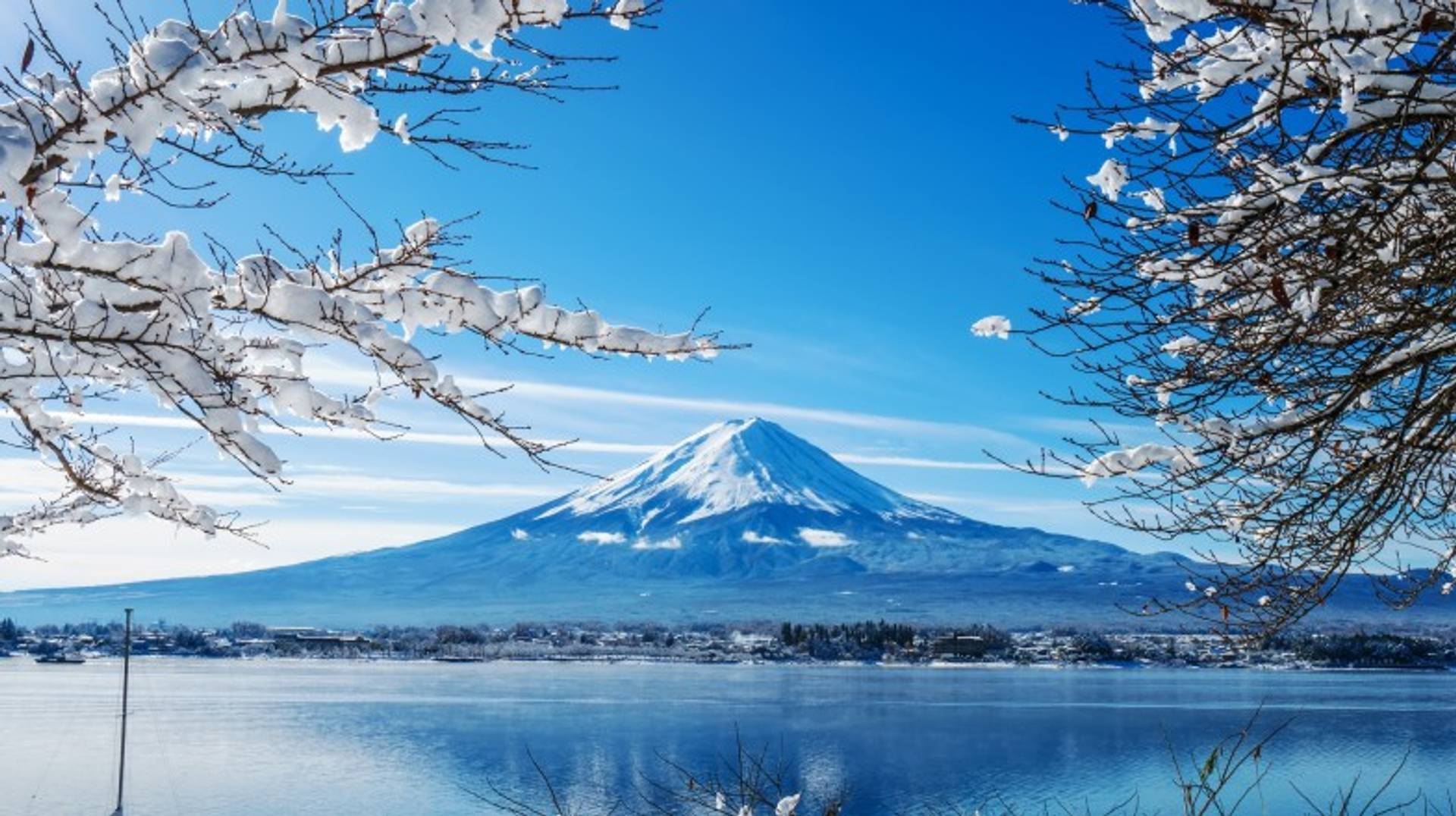
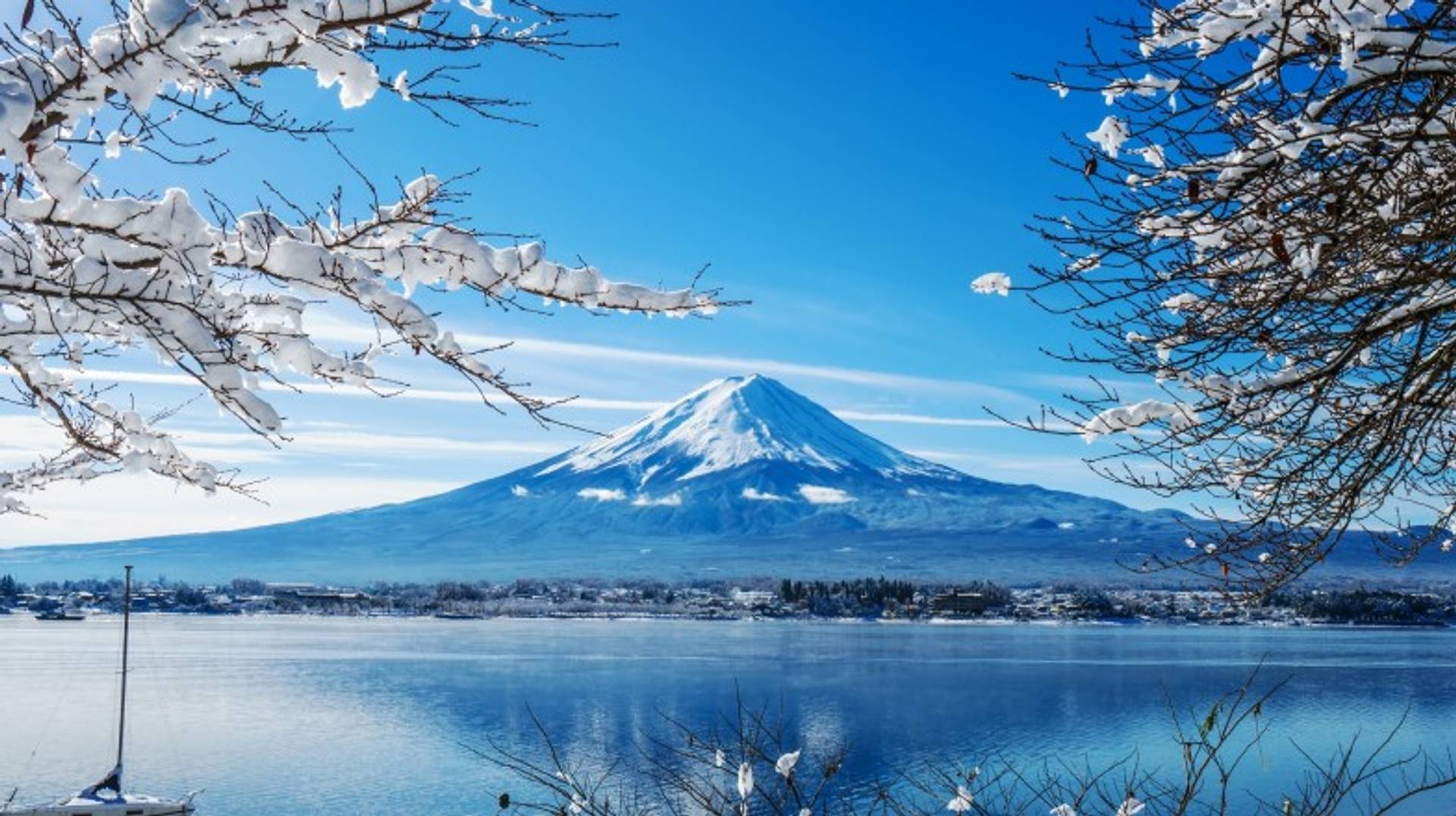
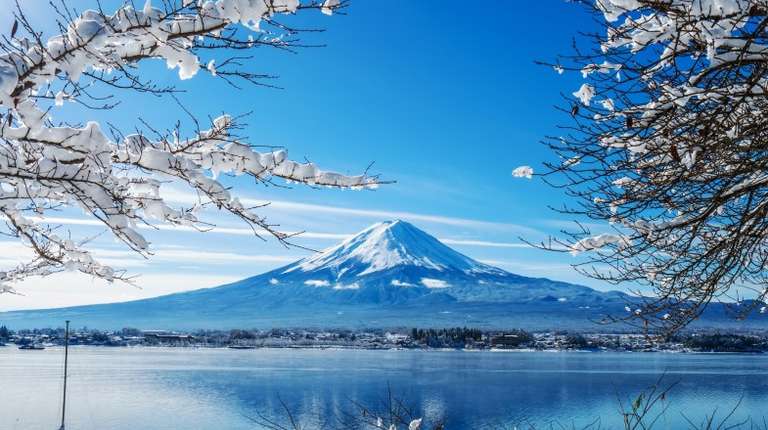
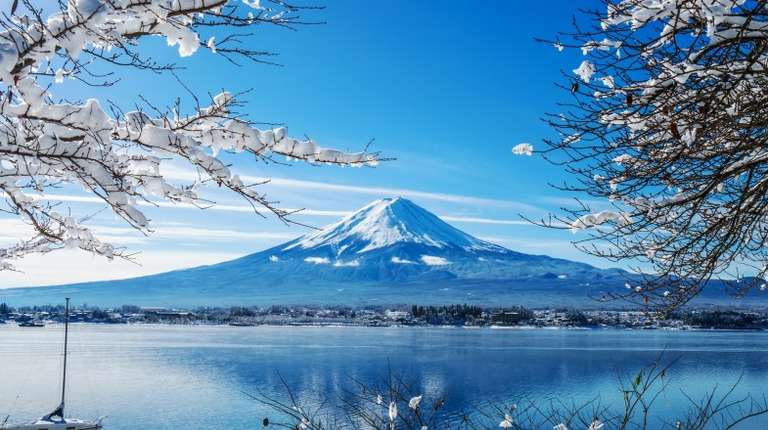
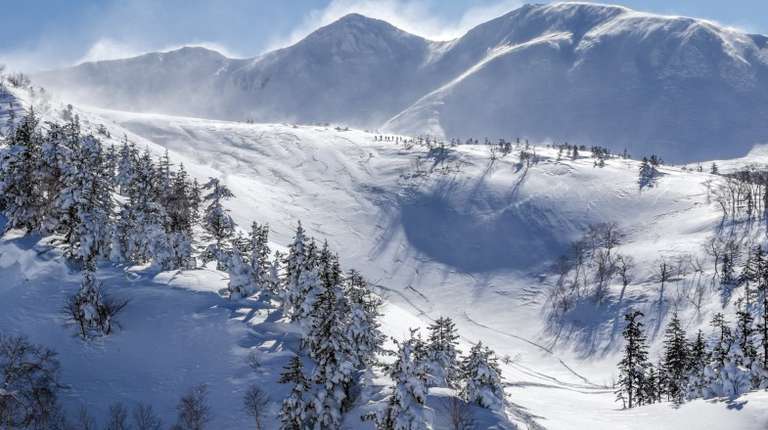
Winter offers a unique and magical experience, especially in regions known for their hot springs, snow-covered landscapes, and winter sports. Hokkaido, Japan’s northernmost island, transforms into a winter wonderland with world-class ski resorts, such as Niseko, attracting snow sports enthusiasts. On the other hand, cities like Tokyo and Kyoto become peaceful, with fewer tourists, offering a more serene atmosphere for cultural exploration. Winter also brings Japan’s famous hot springs (onsen) into focus, allowing visitors to relax in outdoor baths surrounded by snow. It’s the perfect time to indulge in hearty seasonal dishes like hot pot and ramen while enjoying winter’s peaceful charm.
| Average temperatures | 25 – 45° F / -4 – 7° C (in Tokyo) |
| Average rainfall | 20 – 30 mm |
| Season | Winter |
| Is winter a good time to visit Japan? |
Yes. But only if you don’t mind the cold or plan to ski. |
Highlights:
- Hokkaido is renowned for its snow season, offering some of the world’s best powder snow for skiing and snowboarding, with resorts like Niseko and Furano providing top-notch slopes and facilities.
- Winter is the ideal time to enjoy Japan’s onsen, with outdoor hot springs in places like Hakone, Beppu, and Noboribetsu offering a relaxing experience surrounded by snow.
- Japan’s Sapporo Snow Festival in Hokkaido is a must-see winter event, featuring stunning ice and snow sculptures that create a magical atmosphere for visitors during the season.
Travel tips:
- Dress warmly and prepare for cold weather, especially in northern Japan and the mountains.
- If you’re visiting ski resorts, make sure to book accommodations early as they can get crowded during peak times.
- Don’t miss Japan’s winter cuisine, including hotpot (nabe) and freshly made mochi.
In-depth month-wise guides:
See also:
Weather in Japan: Rainfall and Temperatures

Written by
I got bitten by the travel bug in 2005 and haven't slowed down since.
Read more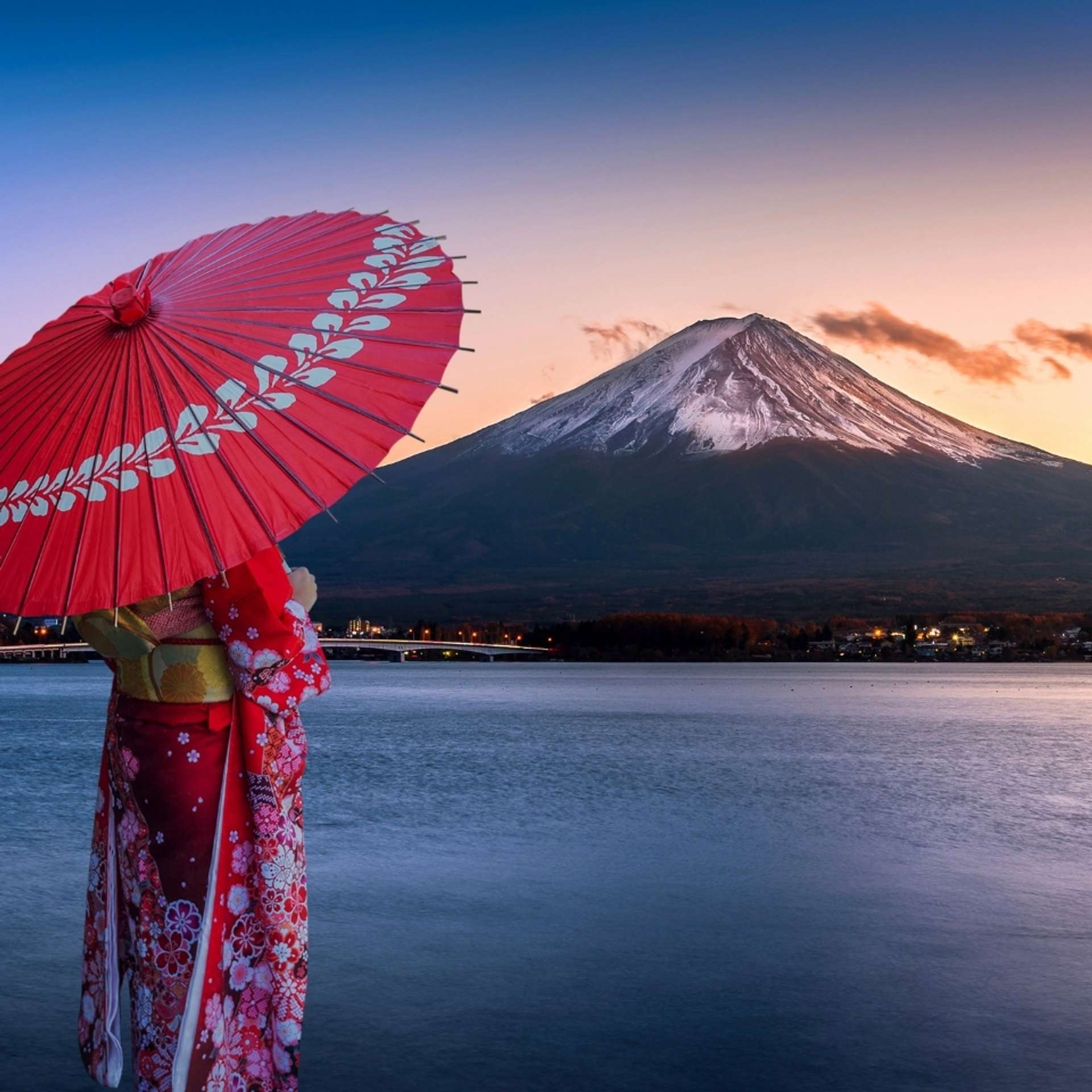
Continue reading Related Guides
Create your custom-made trip to Japan
Traveling to Japan? Chat with a local travel specialist who can help organize your trip.
 Steven VigorTravel Expert in Egypt, France, Italy, Japan, Morocco, Philippines, Portugal, Spain, Switzerland & Tunisia
 Alan WilliamsTravel Expert in Japan
 Jeff AasgaardTravel Expert in Japan






Why Book with Bookmundi?
A strict screening process ensures that we only offer high quality, vetted tours and trip packages globally. The result? 4.8 of 5 stars out of more than 25,000 trip ratings.
In most cases, we offer THE best prices. And, you get a Best Price Guarantee for all tours, as long as you redeem it within 24 hours of purchase.
Read why
All tours booked through Bookmundi are 100% carbon offset. Every quarter, we invest in carbon reduction projects around the world—at no extra cost to you.
Read how
 4.7(849 reviews)
 Trustpilot4.8(148 reviews)