12 Things To Do in Manu National Park

Overview
Manu National Park Highlights
See also:
Manu National Park lowlights
See also:
What to do in Manu National Park?
Below we present you with 12 things to do in Manu National Park, listed in no particular order:
1. Take a night walk
Not for the faint of heart, an eerie walk into the jungle after nightfall offers the chance to catch sight of nocturnal animals that are not active during the day. A cast of creatures including insects and amphibians emerge after dark and a night walk is the only way to see them.
2. Visit Lake Salvador
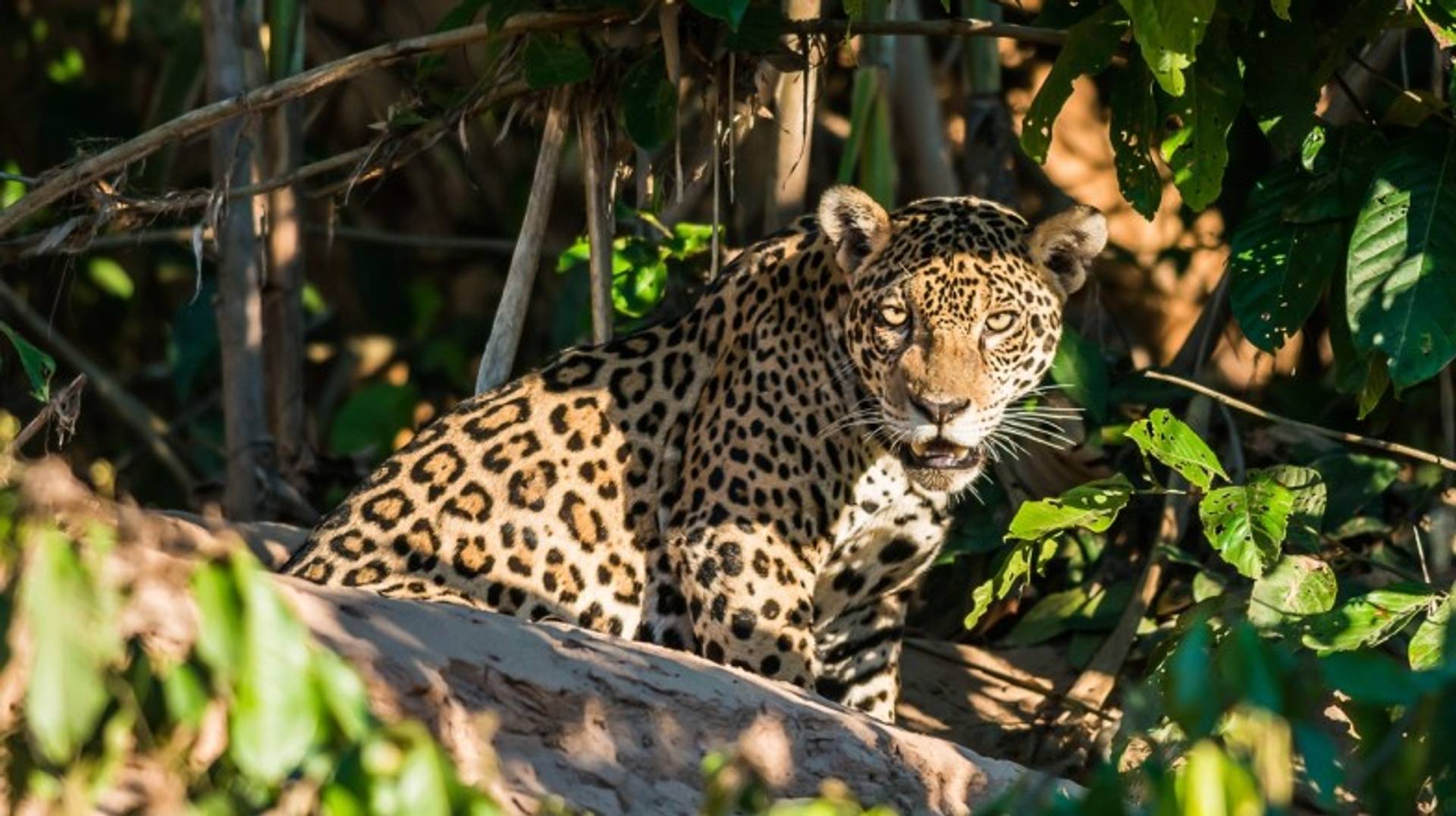
Deep in the reserved zone and far from civilization, Lake Salvador is home to a large number of animal and bird species and a tour of the lake is an excellent opportunity to try to spot some of the more elusive residents of the park. Animals to look out for include monkeys, caiman, capybara and river turtles.
3. Visit Lake Otorongo
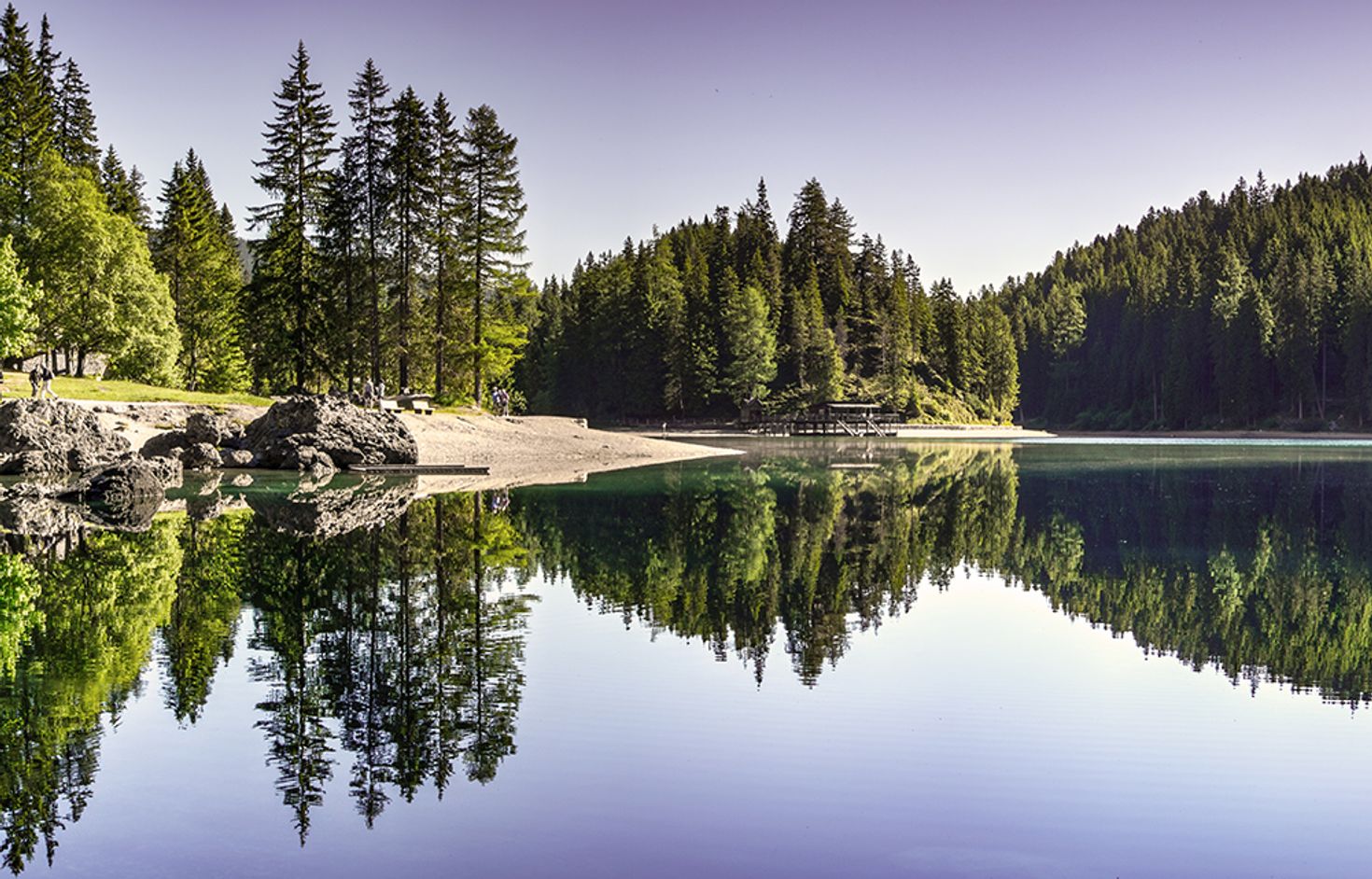
Lake Otorongo is another unmissable spot and home to a range of wildlife. The lake features a specially-constructed tower for spotting birds and animals.
4. See giant otters
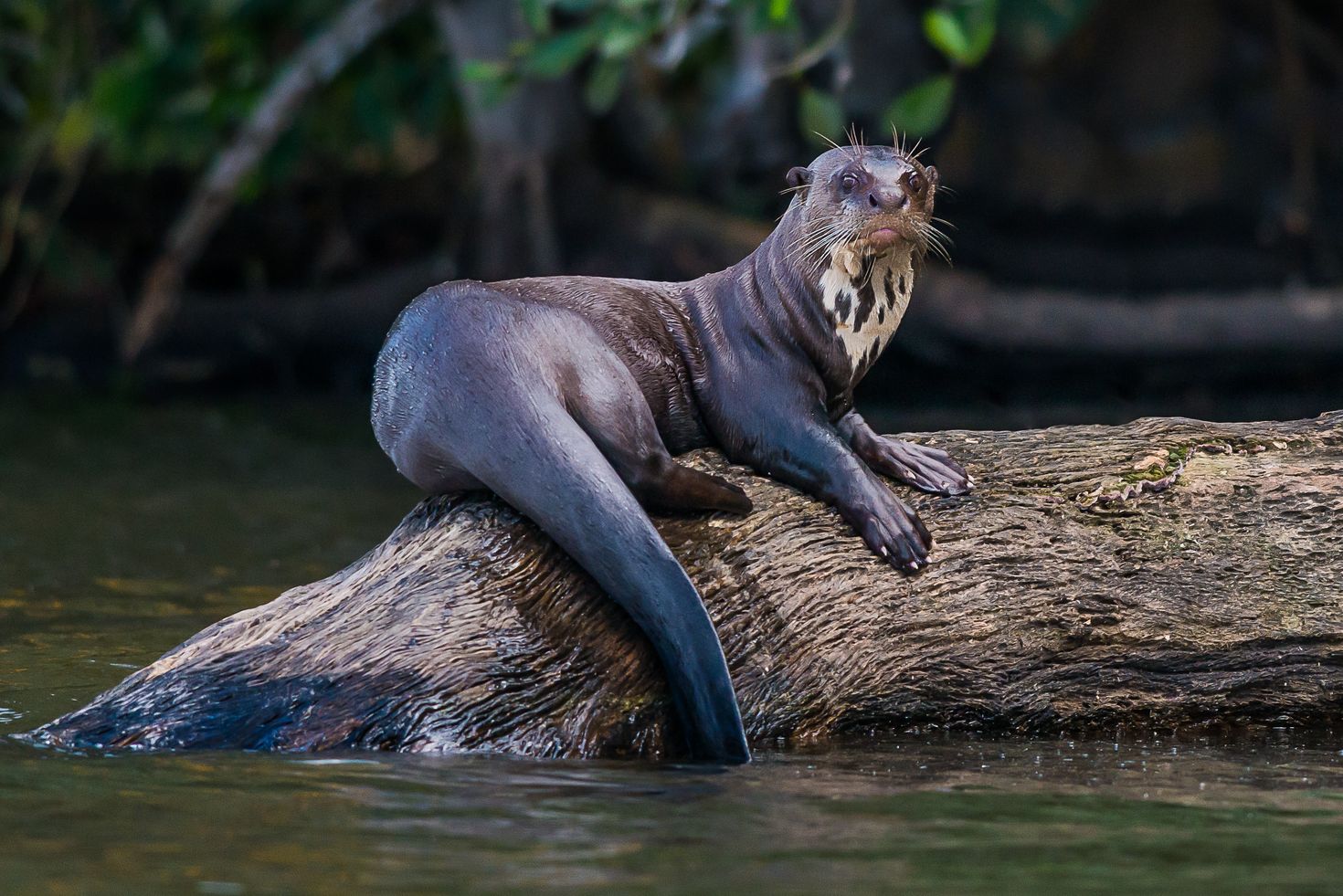
One of the most impressive species to be found in the area is the giant otter, which can grow to 1.8m in length. They live in family groups and are present in many of the lakes in the area. Visitors have the chance to watch them hunting, eating and playing together in their natural habitat.
5. See the cock-of-the-rock bird
The cock-of-the-rock is Peru’s national bird and is known for its bright red colour and its ostentatious courtship dance. A trip to the Manu cloud forest is an excellent chance to catch sight of these birds and to witness the elaborate dance they perform in an attempt to attract a mate.
6. See macaws at clay licks
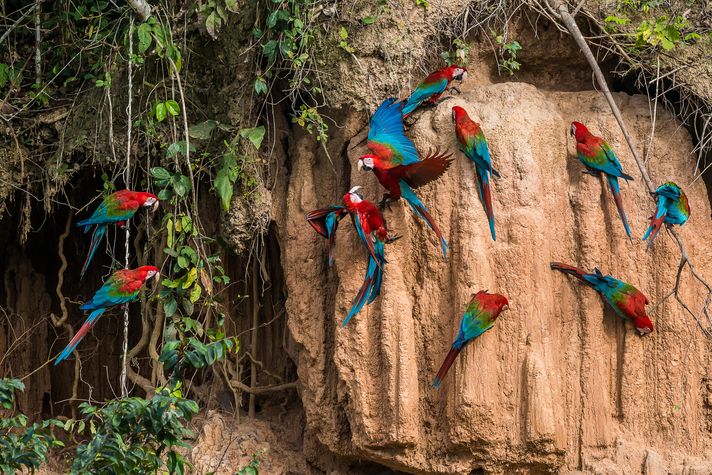
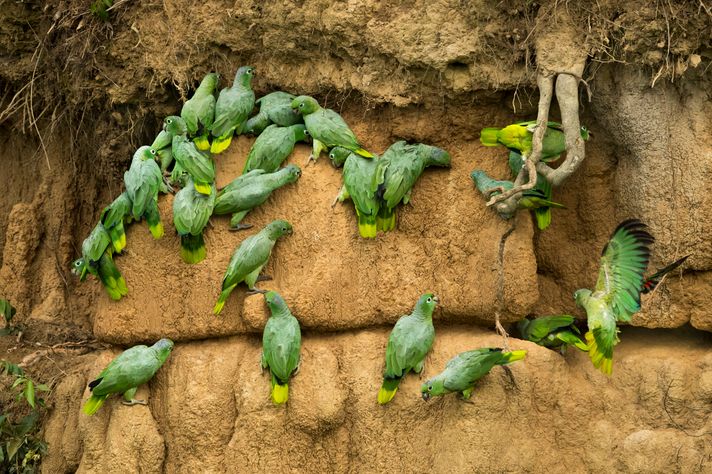
One of the highlights of any visit to Manu National Park is a trip to one of the macaw salt licks where hundreds of the brightly colored birds congregate to obtain salt and minerals necessary to supplement their diet. An unmissable experience for anyone with even a passing interest in ornithology.
7. Visit the petroglyphs of Pusharo
Travel to Palotoa-Teparo, a Matsiguenka indigenous community and stay in the Pusharo Lodge. There are good nature walks here but the main attraction is the petroglyphs of Pusharo, mysterious ancient rock carvings located near the settlement. The local community organizes visits but a permit must be obtained in Cusco in advance.
8. Do a canopy walk
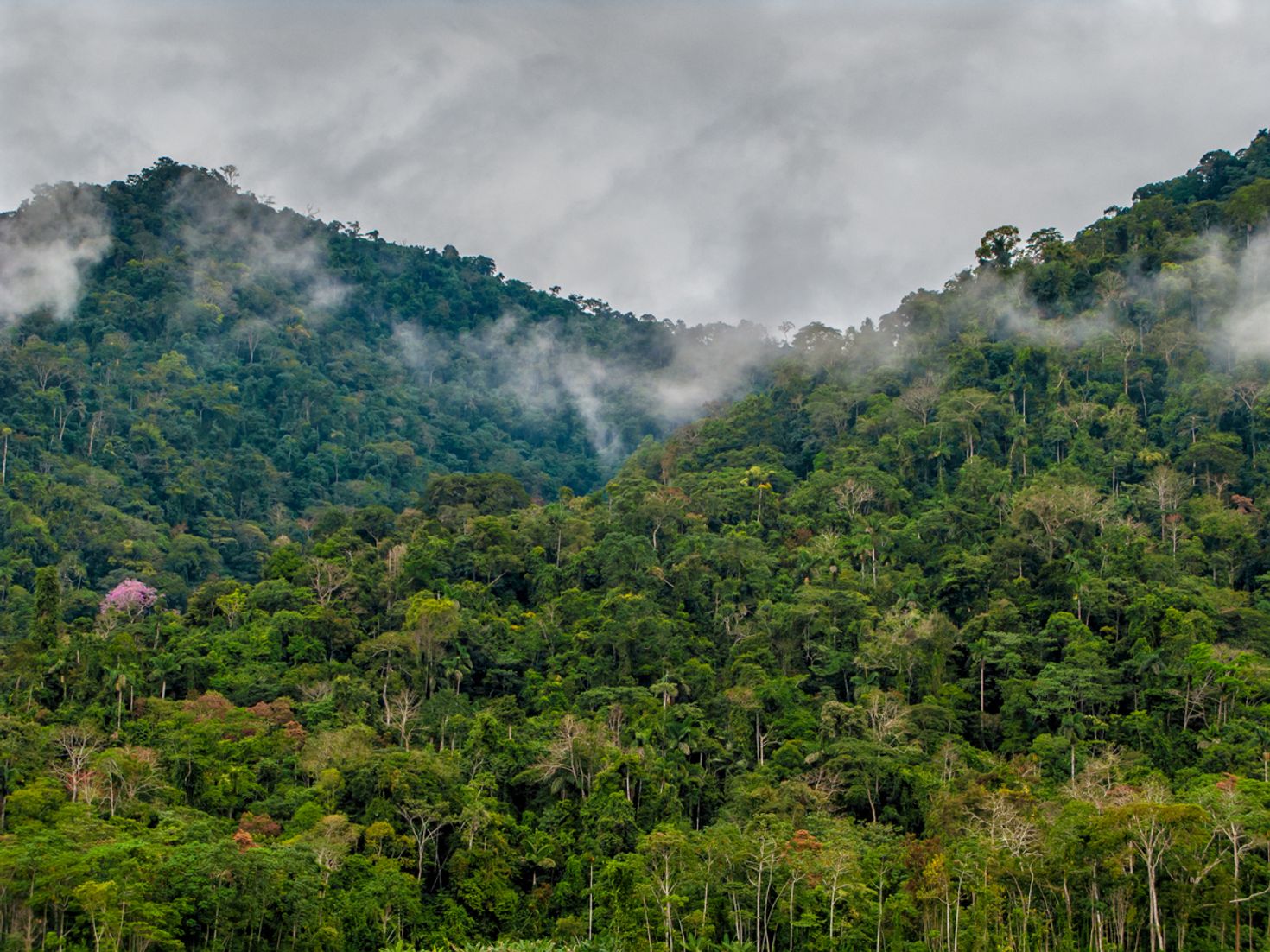
To see the jungle from a different perspective, take to the treetops in a canopy walk. In rainforests, much of the action takes place far above the ground, and a canopy walk gives visitors a deeper understanding of life in the trees.
9. Camp in the jungle
To fully experience the jungle, try camping out, surrounded only by darkness and the sounds of the night.
10. Visit local communities
Several of the settlements in the cultural zone have facilities for receiving tourists. Meet indigenous peoples and learn about traditional ways of life of the local Yine and Matsiguenka communities.
11. Take a river tour
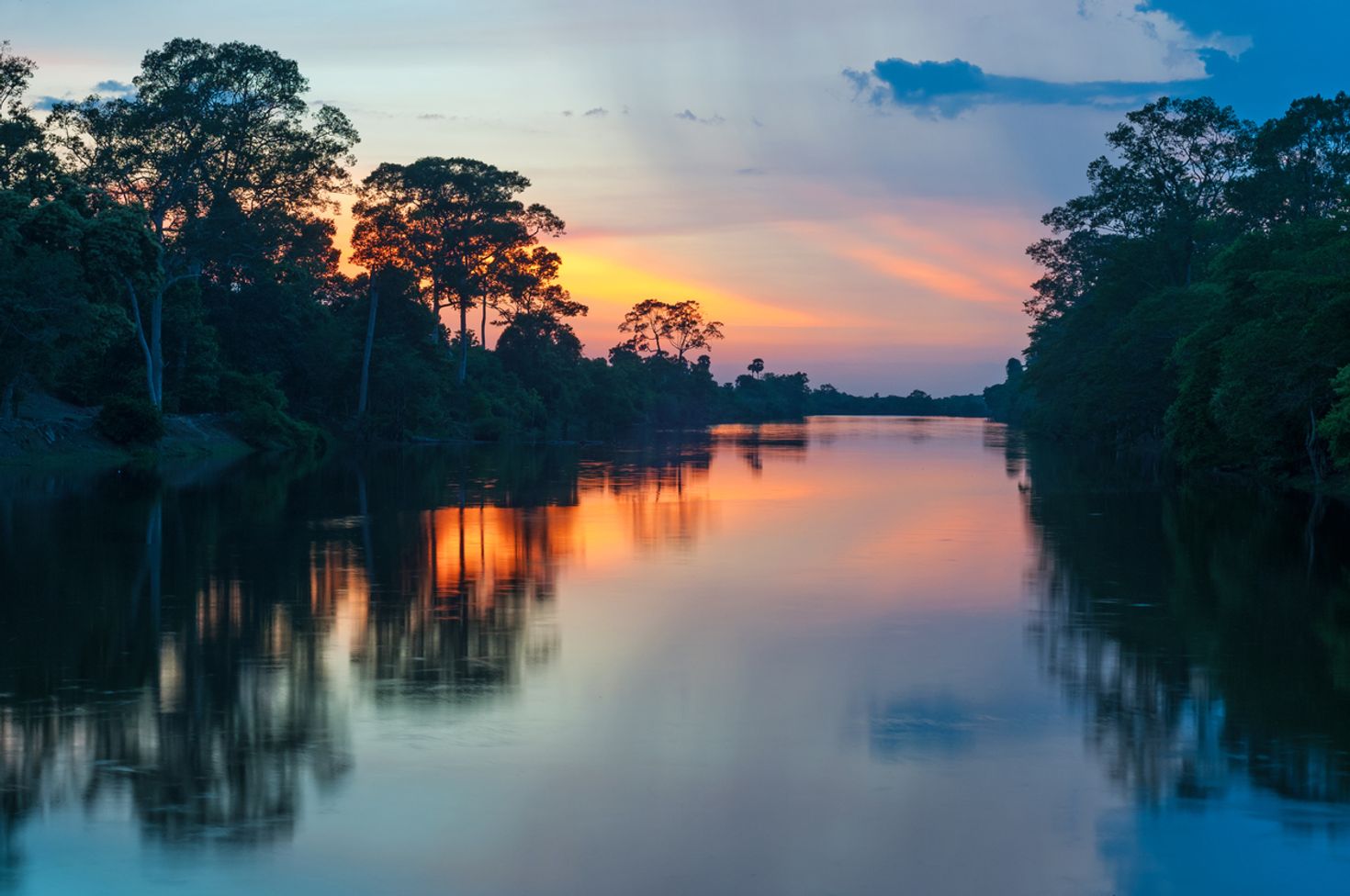
An excellent way to fully appreciate the park is to simply take a tour on the river. Knowledgeable guides can help point out wildlife that would otherwise be very hard to spot.
12. Go whitewater rafting
There are plenty of opportunities for adventure in Manu and the grade I and II rapids near Pilcopata offer a chance at a small adrenaline rush against the scenic backdrop of lush jungle.
How to get to Manu National Park
Written by
Daniel Badcock is a wanderer at heart, who dreams of exploring as much of the world as possible. His first big adventure started when he traveled overland from Europe to the Far East. It was a six-month trip that ended up lasting 18, after which he found a job in Beijing and stayed there for five years. On leaving, Daniel planned a six-month farewell tour of Asia that was extended to another 15. These days, Daniel spends his time traveling and writing articles and posts related to travel. For him, travel is about experiencing cultures, meeting people and trying new dishes. Daniel also loves to learn a bit of the language wherever he goes. He speaks pretty decent Chinese as well as reasonable Thai and a bit of Indonesian.
Read more


Continue reading Related Guides


Create your custom-made trip to Peru
Traveling to Peru? Chat with a local travel specialist who can help organize your trip.
 Maria SzlafszteinTravel Expert in Argentina, Bolivia, Brazil, Chile, Ecuador, Paraguay, Peru & Uruguay
 Clara GonzalezTravel Expert in Argentina, Bolivia, Brazil, Chile, Ecuador, Paraguay, Peru & Uruguay
 Alvaro PereiraTravel Expert in Bolivia, Chile, Colombia, Ecuador & Peru






Why Book with Bookmundi?
A strict screening process ensures that we only offer high quality, vetted tours and trip packages globally. The result? 4.8 of 5 stars out of more than 25,000 trip ratings.
All tours booked through Bookmundi are 100% carbon offset. Every quarter, we invest in carbon reduction projects around the world—at no extra cost to you.
Read how
 4.7(850 reviews)
 Trustpilot4.8(148 reviews)