Sri Lanka in March: Weather and Destination Tips

Overview
Sri Lanka Weather in March

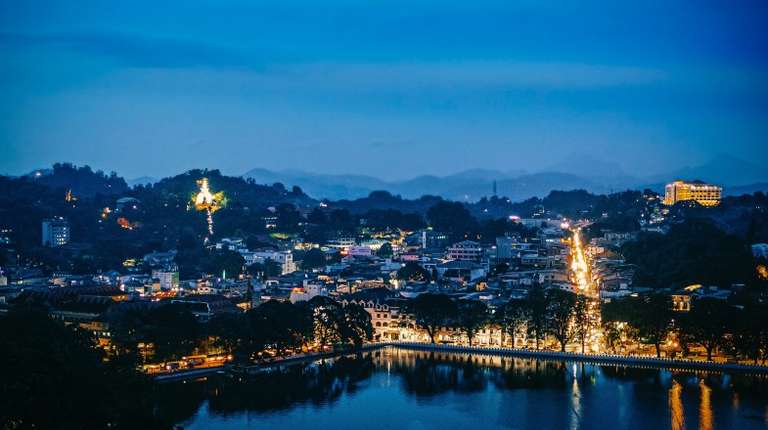
The weather in Sri Lanka in March is characterized by warm temperatures and a high chance of precipitation, even though this is still low compared to the monsoon season, when rain falls almost every day. In this period, cities on the west coast, such as the capital of the country, Colombo, experience average lows of 24°C and highs of 32°C. Moving inland, temperatures in Sri Lanka tend to be slightly chillier. For instance, in Kandy, you will find highs of 31°C and lows of 19°C. Precipitation is frequent in both areas, with an average of 19 days of rain per month.
For a seasonal overview, check out our article on the best time to visit Sri Lanka.
See also:
Why Visit Sri Lanka in March


March is considered the high season in Sri Lanka, and the country offers plenty of activities for all types of tourists. Here are some reasons why you should choose to take a trip to Sri Lanka in March.
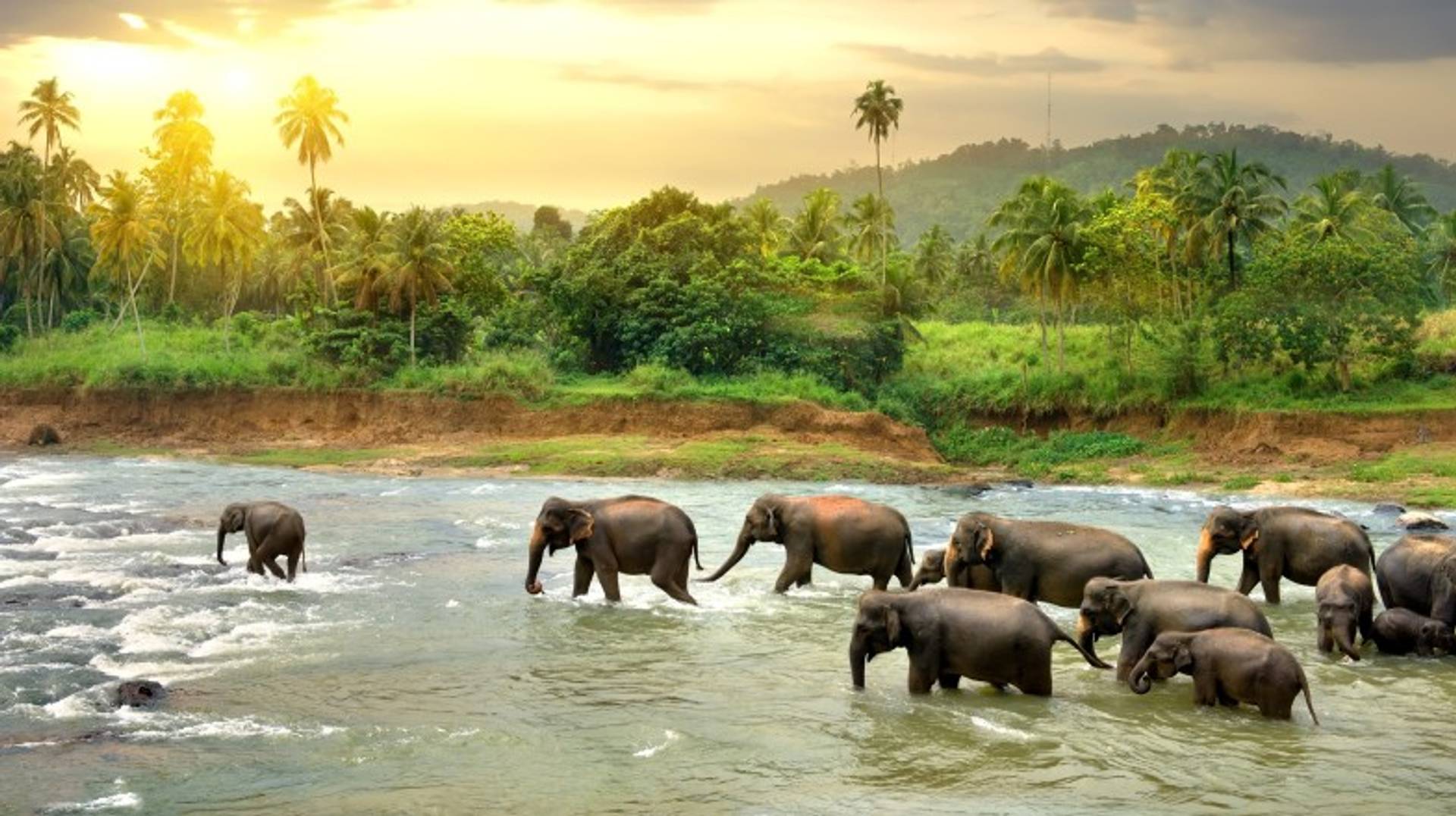
- Animal spotting: March in Sri Lanka is one of the perfect periods to spot wild animals. This month, you will be able to see the biggest mammal in the world, the majestic blue whale. The best spot for whale watching in Sri Lanka is Trincomalee. You can visit the national parks in Sri Lanka for wildlife sightings. With a bit of luck, you may see Sri Lankan elephants, mugger crocodiles, and purple-faced langurs.
- Weather bliss: Nineteen days of rain per month may not seem like the best deal to most travelers, but this is considered the dry season in Sri Lanka. This is the best period of the year for long hiking adventures in the Sinharaja Forest, sunbathing afternoons in Arugam Bay, and sightseeing tours in Colombo.
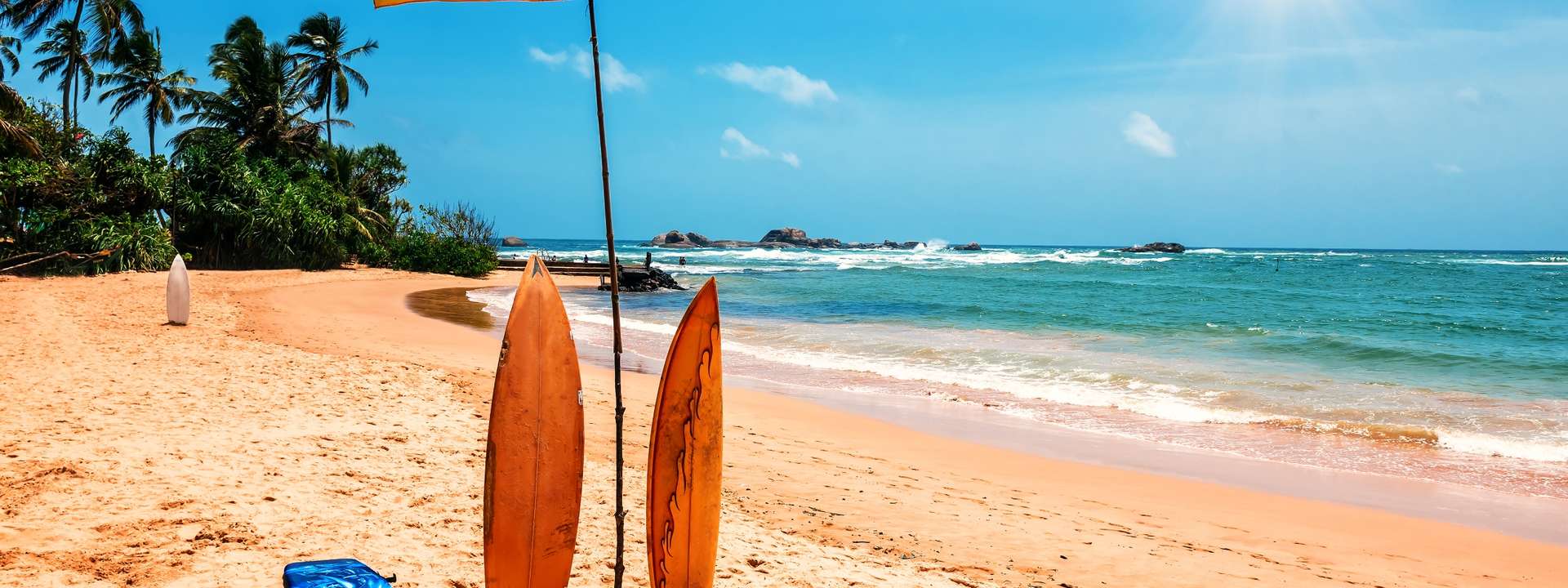
- Water activities: March is also ideal for surfers and windsurfers lovers. This month, the best waves can be found on the southwest coastline, giving you the chance to improve your technique while exploring a new exciting country.
- Festivals: You may also get the chance to witness the celebration of Maha Shivaratri. This Hindu festival is held every year between February and March in honor of the deity Shiva and represents overcoming darkness and ignorance. In particular, this date commemorates the wedding between Shiva and Parvati and is celebrated with chanting prayers, meditations, and fastings.
See also:
Where to go and what to do

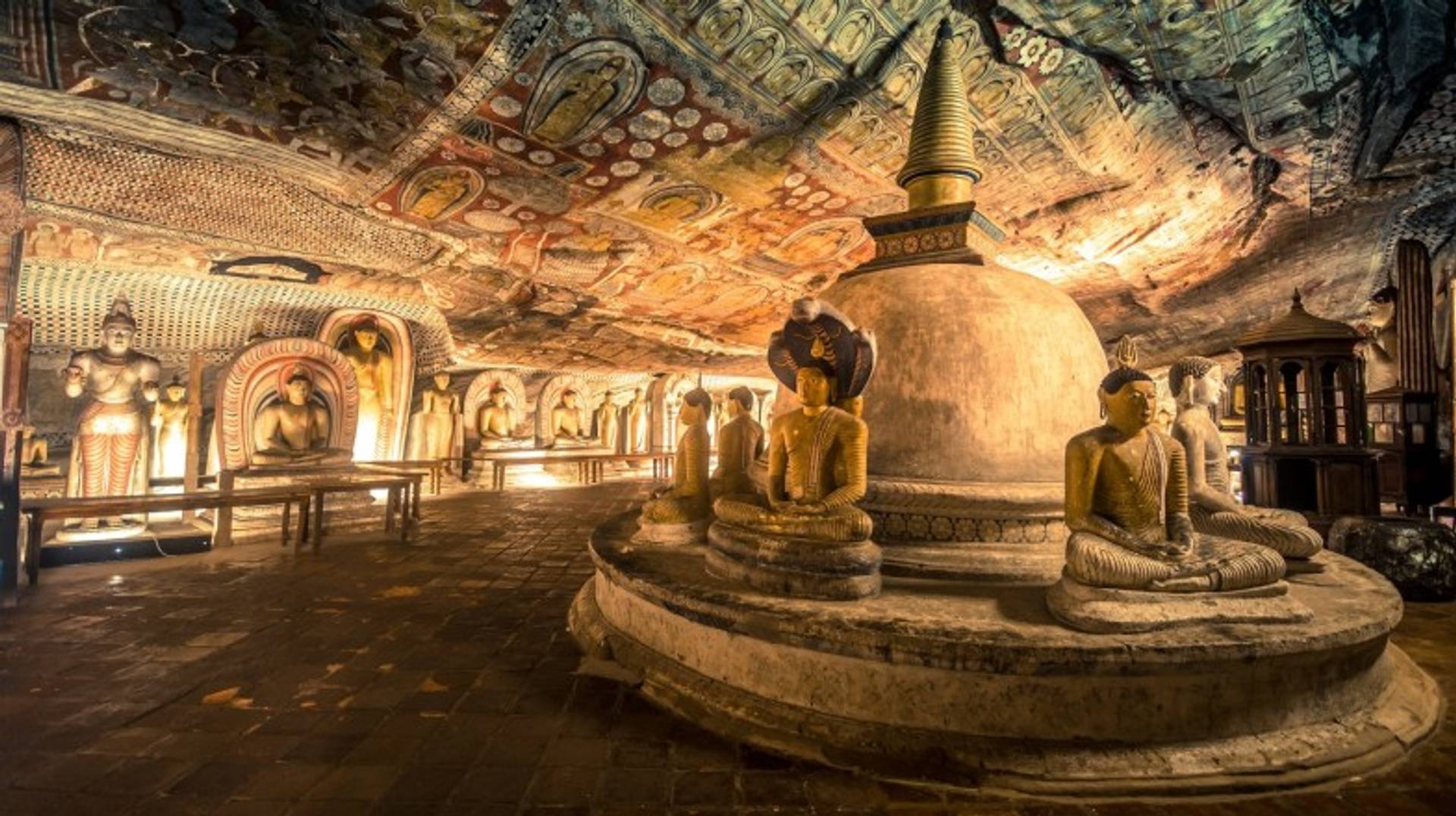
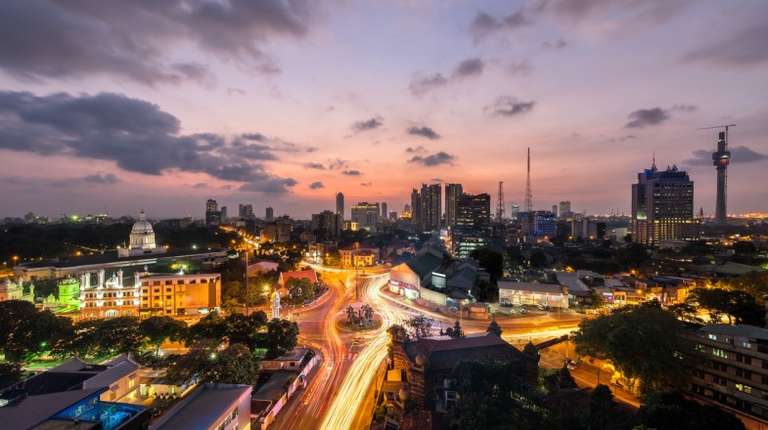
Sri Lanka in March abounds with activities for all types of tourists. If you decide to visit this country, you cannot miss the chance to see the capital, Colombo. Explore the famous Gangaramaya Buddhist Temple, marvel at the beauty of Jami Ul-Alfar Mosque, and learn about the history of Sri Lanka at the Colombo National Museum.
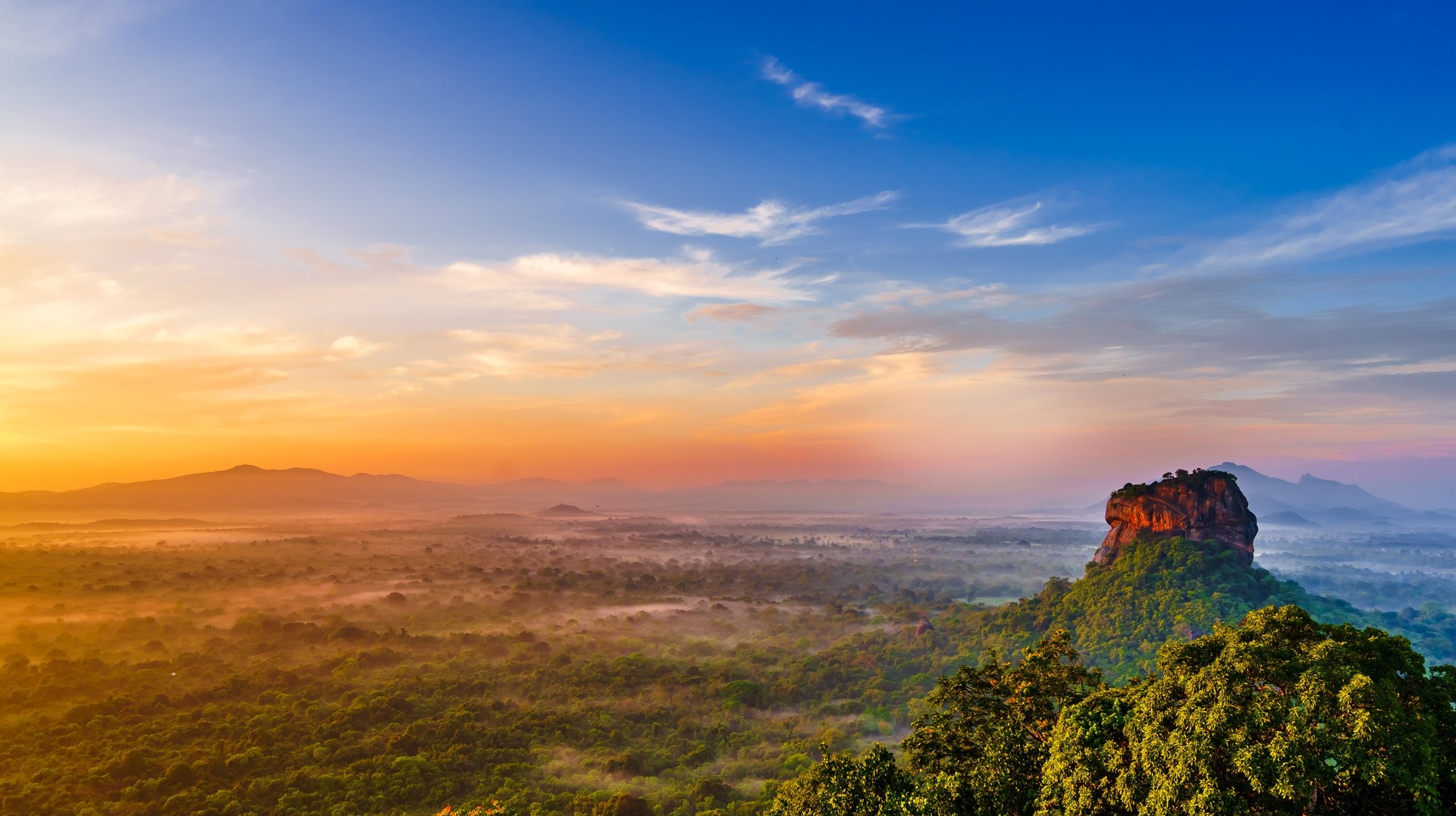
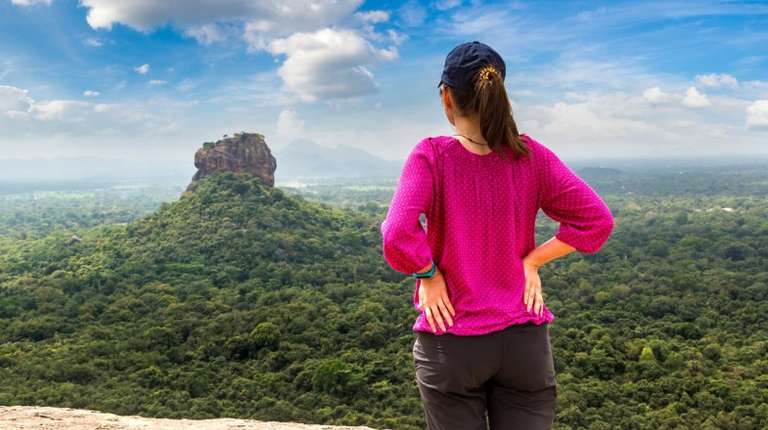
Hikers should book a trip to Sigiriya, an ancient rock fortress located on a massive column of granite with a height of about 180 meters. The climb will take anywhere from 30 minutes to one and a half hours, depending on your level of fitness. Alternatively, you can climb Ella Rock. This tends to be a tougher journey and will take you about four hours to complete, but once you reach the top, you will be rewarded with a breathtaking view.
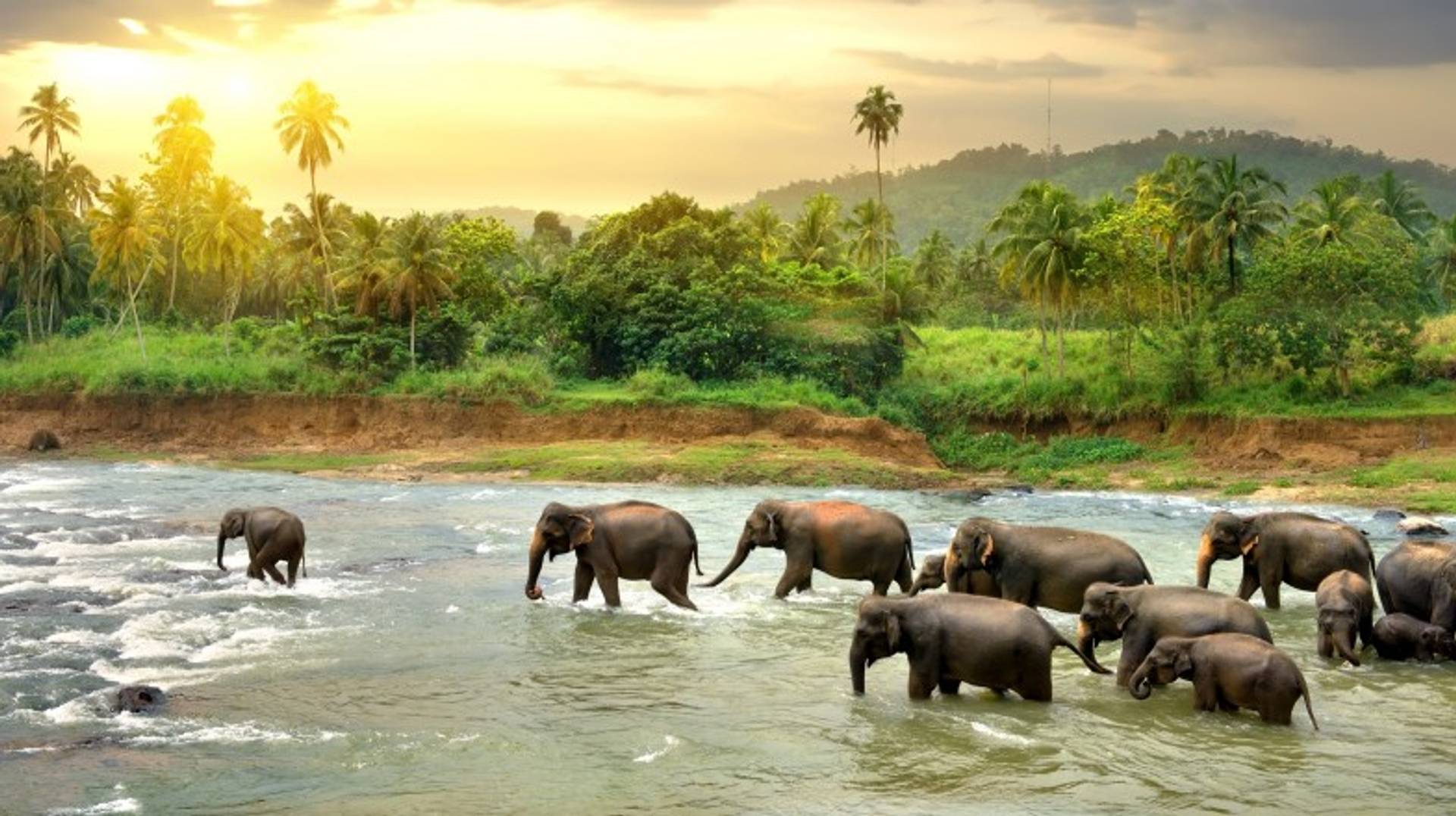
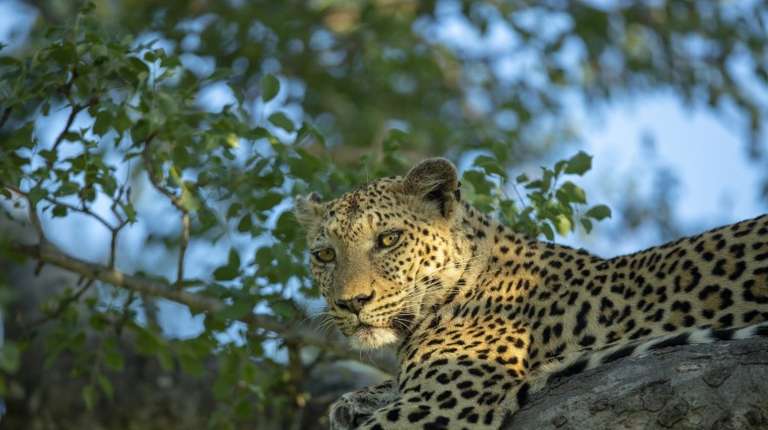
If you love nature but are not the fitness type, you can witness the diverse fauna of Sri Lanka by visiting a national park or opting for a whale and dolphin excursion. Whales and dolphins can also be spotted in Kalpitiya on the northwest coast and in the southwest area of the country, in Mirissa. Those interested in elephants roaming freely in their natural habitat should head to Udawalawe National Park. Wasgamuwa National Park, on the other hand, is known for its populations of leopards, wild boars, great monkeys, parrots, buffaloes, and more.

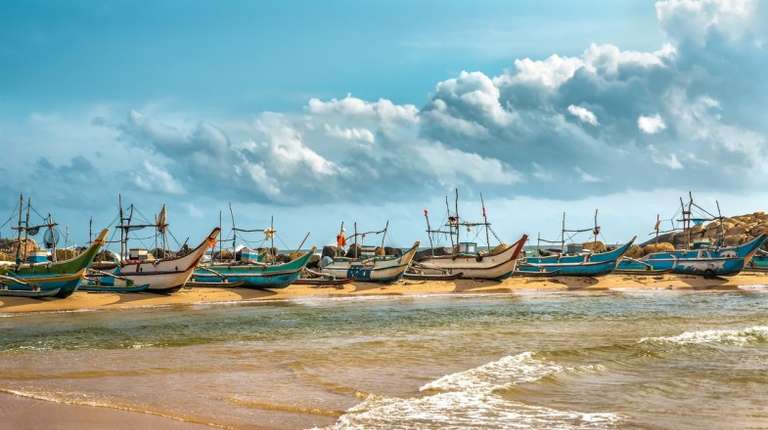
Those who wish to perfect their surfing and windsurfing techniques have plenty of locations to choose from in Sri Lanka. Hikkaduwa Beach is known for being one of the surfers' favorite spots as well as for its colorful corals. Another great spot is Unawatuna, a coastal town popular for its idyllic beaches and over 50 species of endemic birds.
With warm temperatures and lower chances of precipitation compared to the monsoon season, Sri Lanka in March is a great destination for all sorts of travelers. Enjoy the crystal-blue waters of Weligama beach, try your luck at animal spotting in Udawalawe National Park, or simply explore the main cities in the country from Colombo to Kandy. Regardless of what you decide to do, you will never get bored on a trip to Sri Lanka. Contact our travel experts to book a customized trip to Sri Lanka.

Written by
Cristina Miceli is a full-time traveler from Italy. She works as a freelance writer and journalist, moving from country to country. Cristina loves traveling slowly, staying an average of three months in each country until her visa experience. She prefers lesser-known destinations where she can truly connect with the local culture and avoid mass tourism. When she's not traveling you may find her sipping tea, reading whatever book she found on the road, or playing her classical guitar.
Read more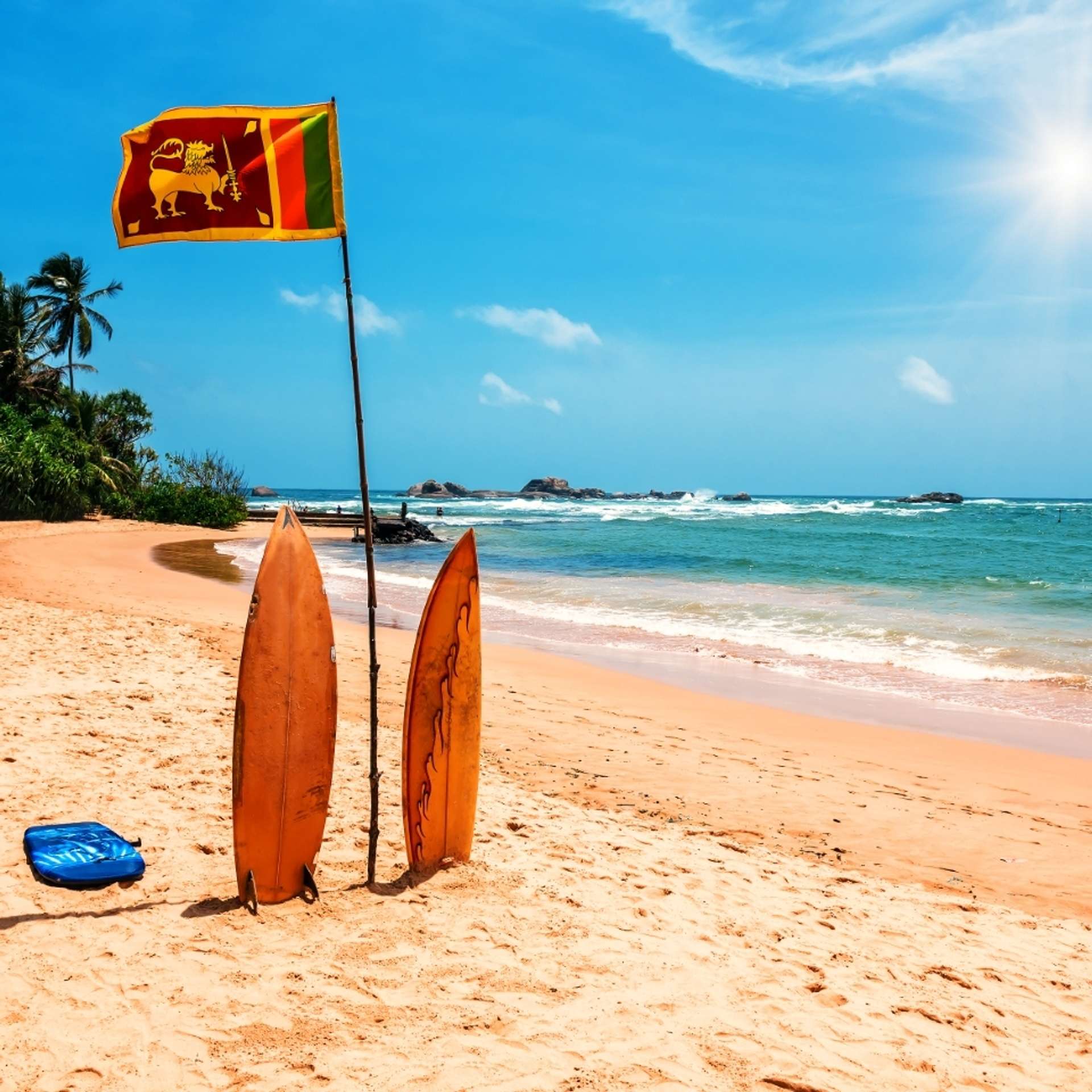
Continue reading Related Guides
Create your custom-made trip to Sri Lanka
Traveling to Sri Lanka? Chat with a local travel specialist who can help organize your trip.
 Anu SethTravel Expert in India & Sri Lanka
 Evanjalin FernandoTravel Expert in Maldives & Sri Lanka
 Oshadhi PereraTravel Expert in Maldives & Sri Lanka






Why Book with Bookmundi?
A strict screening process ensures that we only offer high quality, vetted tours and trip packages globally. The result? 4.8 of 5 stars out of more than 25,000 trip ratings.
All tours booked through Bookmundi are 100% carbon offset. Every quarter, we invest in carbon reduction projects around the world—at no extra cost to you.
Read how
 4.7(850 reviews)
 Trustpilot4.8(148 reviews)