Small Group TourUsually 8-12 participants, maximum 18 travelers
16 peopleMaximum group size
16 - 99 yearsAge range for participants
EnglishGuide language
Easy
Light physical activity suitable for most people with average fitness levels.
Starts
Quito, Ecuador
Ends
Quito, Ecuador
Get Trip Brochure & Exclusive Discount
Download a detailed PDF brochure and unlock an exclusive discount for this tour
Do you need help from our trip consultants?
If you have any question about this tour or need help with planning a trip, please do not hesitate to get in touch with us.
Our travel experts are ready to help.
Why Book with Bookmundi
Earn USD 184+ in travel credits.
Best price guaranteed.
No credit card or booking fees.
100% financial protection.Bookmundi is a member of the Danish Travel Fund which guarantees for any payment made via us. Our guarantee covers all travelers, irrespective of nationality.
Carbon neutral tours.Algorithms and machine learning enables Bookmundi to calculate the carbon footprint for each tour. We then subsequently offset carbon emissions for all tour bookings on Bookmundi via investments in carbon reduction projects to help combat climate change.
25,000+ trip reviews, with an average rating of 4.8 out of 5.
Galapagos Express - Central, South & East Islands aboard the Archipel I
Best price guaranteed
No booking fees
E-ticket/Mobile-voucher
Carbon neutral
CO2 emissions resulting from all trips on Bookmundi will be offset via investments in carbon reduction projects.
What are customers saying about Bookmundi
4.67/5
Excellent based on 806 customer reviews from
""
Great booking process; easy form to fill in online and got help as soon as I needed it via email
17 hours ago
Highlights
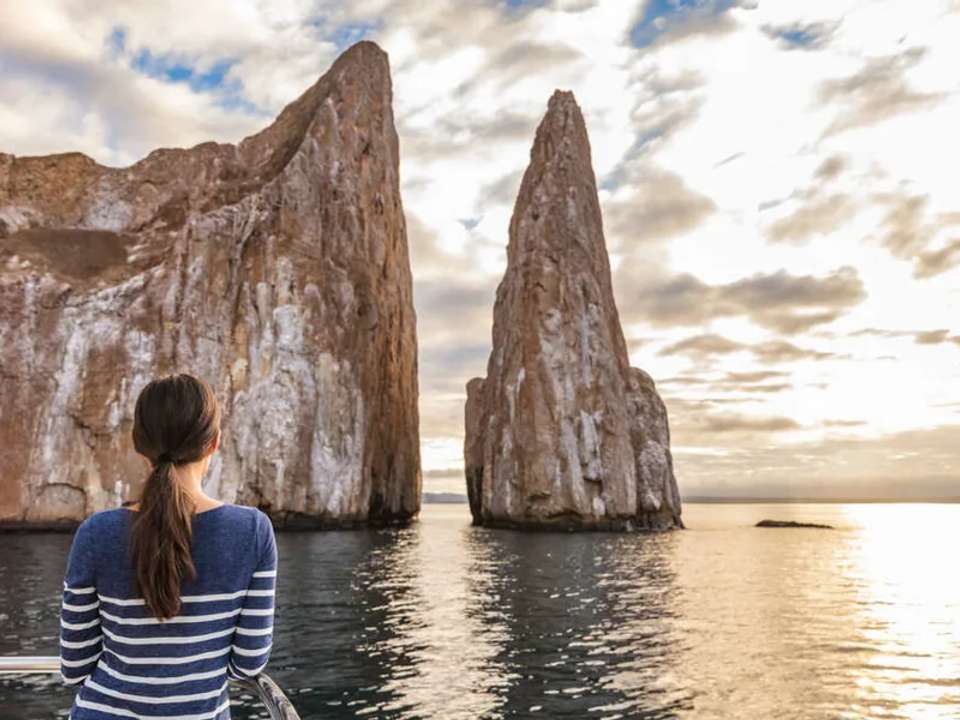
Extend your Ecuador trip with four nights in the Galapagos aboard a comfortable catamaran
Take daily snorkelling and on-shore excursions to see the best of the island wildlife
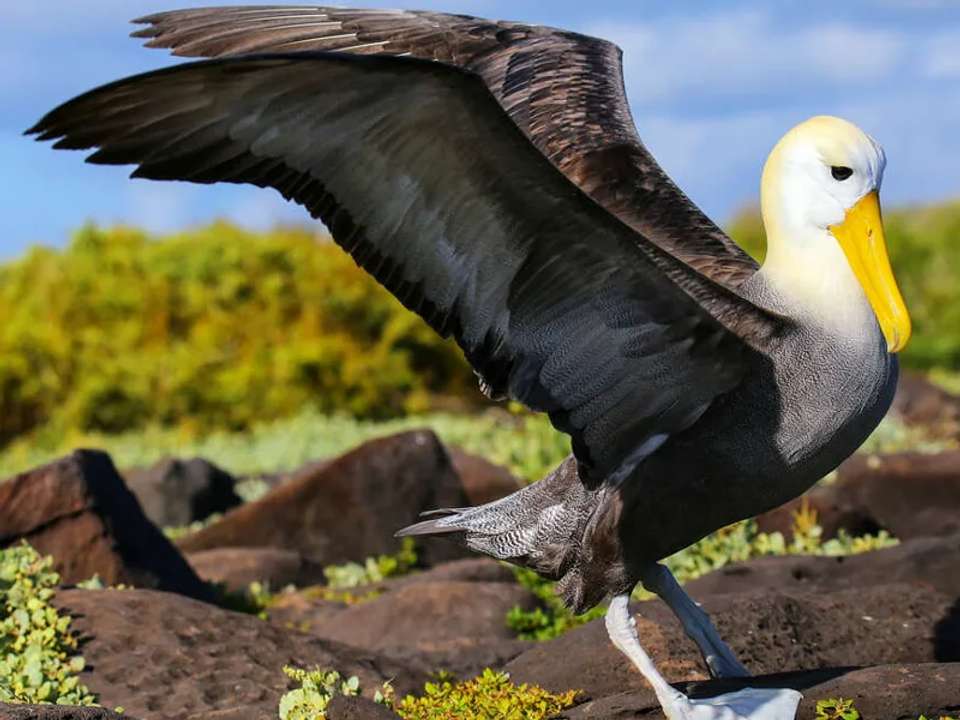
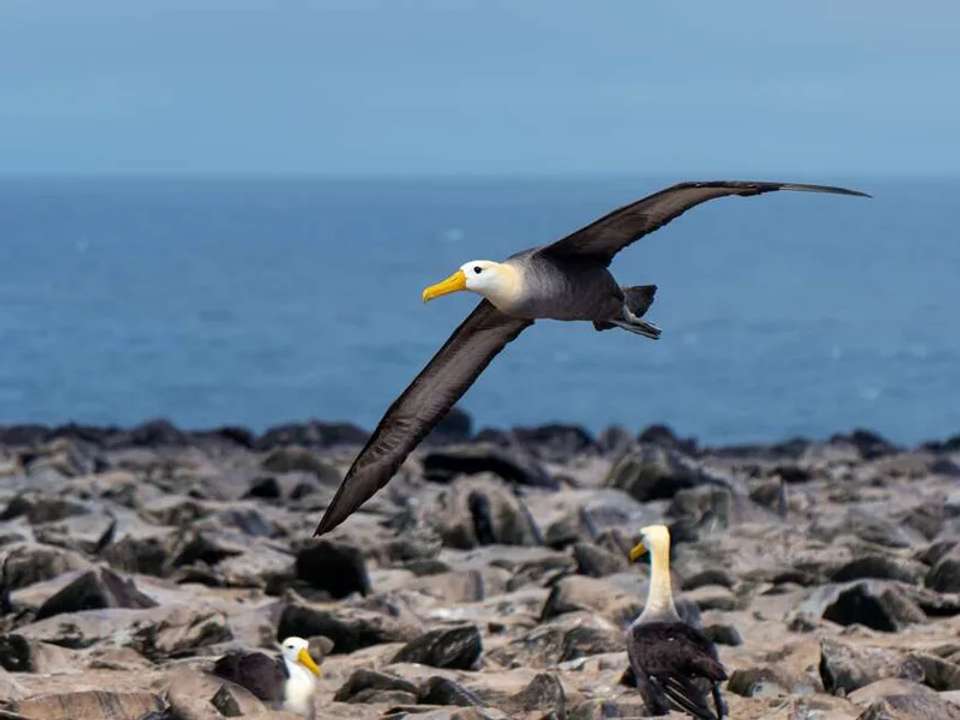
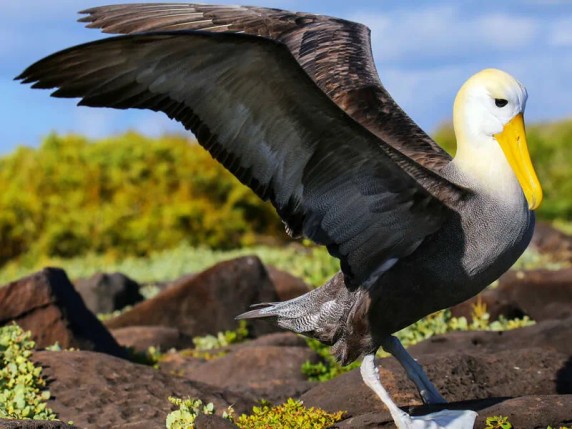
Land on Espanola, one of the best birding islands on the archipelago, and look for the waved albatross
Hotel Rincon de Puembo (or similar) (2 nights)Archipel I (or similar) (4 nights)
Meals
6 Breakfasts, 4 Lunches, 4 Dinners
Transport
Driver(s)BusFlight
Guide
Boat Crew
Others
Naturalist(s)Archipel IZodiac
What's Excluded
Customer Reviews
This tour has not received any customer reviews yet. However, you can expect a PremierThis travel specialist is consistently delivering tours which receive customer ratings above 4.7 on average. tour and service level as the travel specialist who runs it has received 4705 reviews for other tours with an average 4.7rating.
Tour Availability
Select your preferred departure date and secure your spot
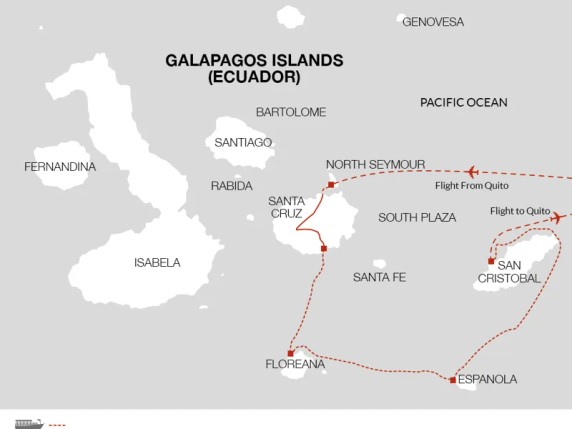
Ready for a week of island-hopping adventure? The Galapagos Express - Central, South & East Islands aboard the Archipel I offers a seven-day journey brimming with biodiversity. Starting and ending in Quito, this easy-paced adventure tour features four nights on a modern catamaran, guided by an expert crew and naturalist.
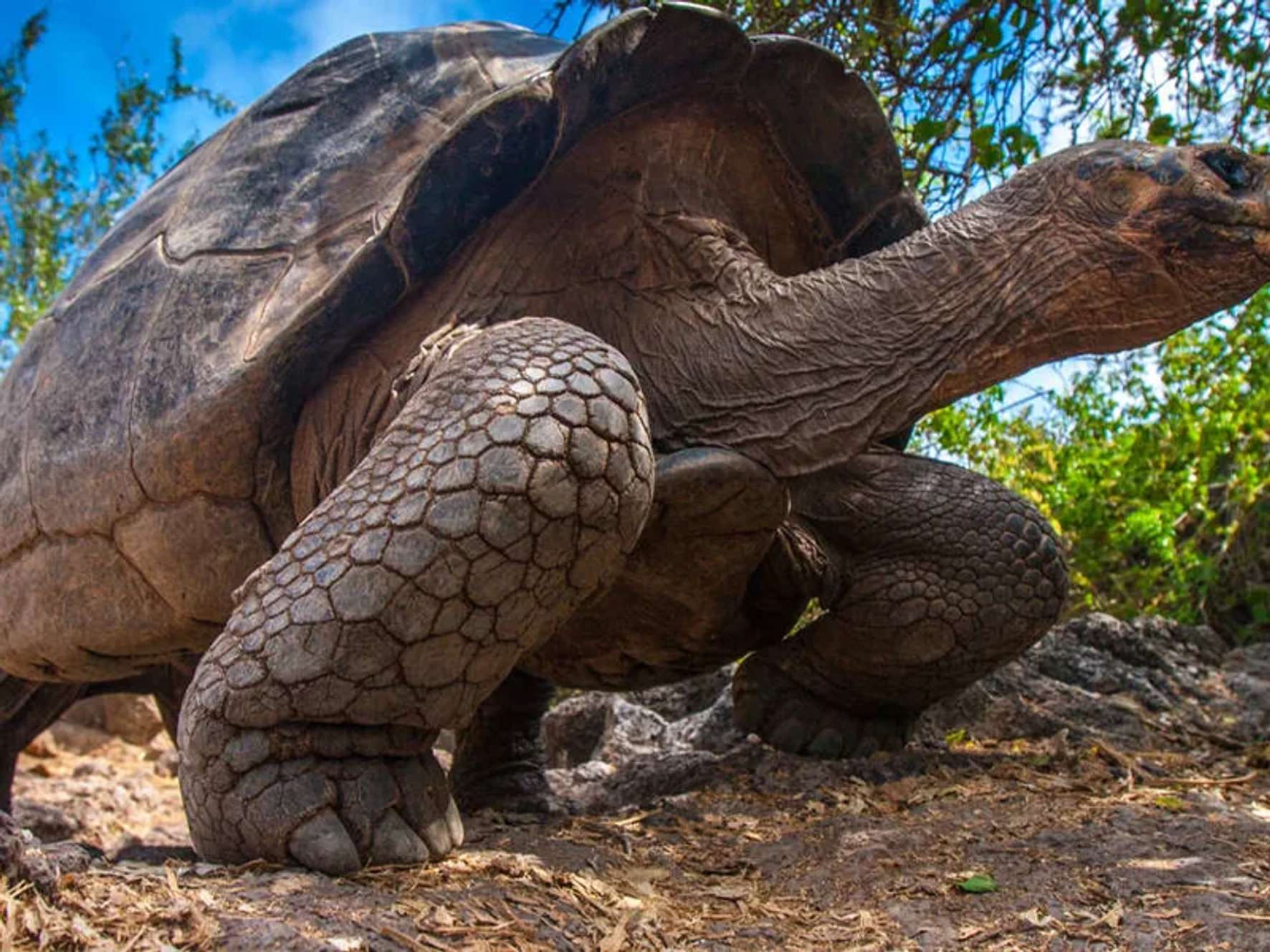
Spot waved albatross on Espanola Island, search for giant tortoises in Santa Cruz’s lush highlands, and snorkel with vibrant schools of tropical fish at Devil’s Crown. Each day balances wildlife-spotting walks with underwater excursions, providing an immersive look at the archipelago’s unique ecosystems.
What makes this tour package special is its efficient routing and rich wildlife encounters—delivering the authentic Galapagos experience in just a week. If you’re eager to see Darwin’s islands up close, this lively, well-crafted journey is your ticket to adventure.
day 1 - Join trip in Puembo, Quito
Arrive in Puembo, a quiet rural neighbourhood of Quito located around 20 minutes from the airport and 45 minutes from the downtown city centre.
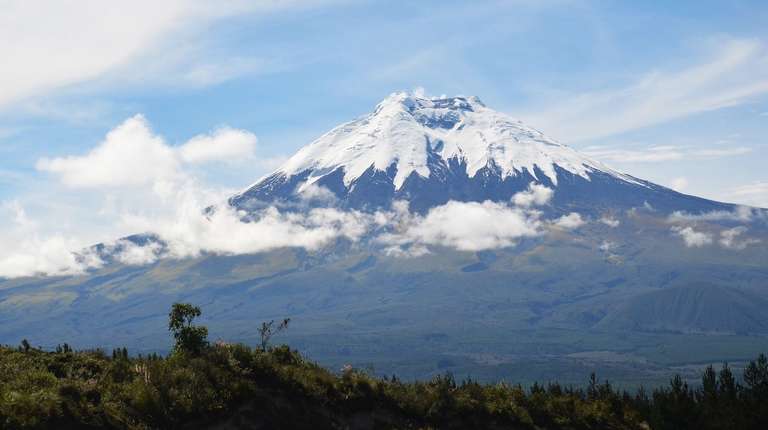
Ecuador's mountain capital is, at 2,850m, the second highest capital in Latin America, lying in a narrow valley at the foot of the Pichincha Volcano. Arriving into the city by plane is quite spectacular as you approach over snow-capped mountains and extinct volcanoes - a window seat is recommended! You will be met on arrival at Mariscal Sucre International Airport (UIO) by a driver to take you to this evening's hotel, where more information will be given to you about tomorrow's schedule.
The hotel is a tranquil, colonial-style property with a large garden and swimming pool. It's located in the countryside suburbs of Quito, near the airport; perfect for an early start tomorrow. The hotel can help organise a taxi for you into downtown Quito if you arrive early in the day and wish to visit the city.
Accommodation:Hotel Rincon de Puembo (or similar)
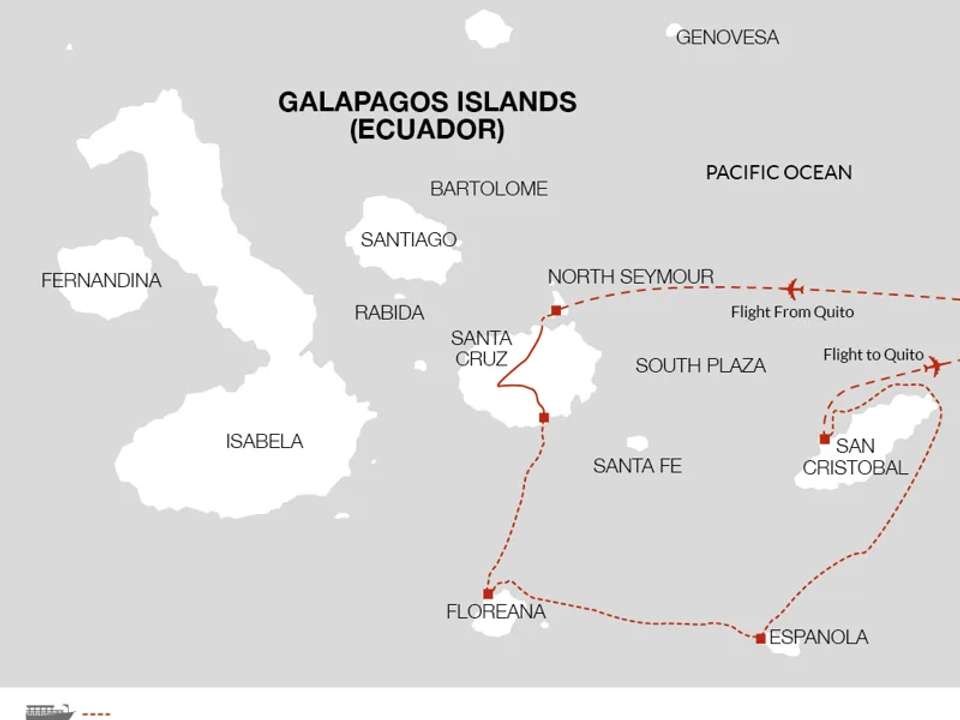
day 2 - Fly to the Galapagos; see giant tortoises at the Fausto Llerena Breeding Centre; board the Archipel I Catamaran
Today transfer to the airport early for your flight to the Galapagos Islands via Guayaquil (refueling stop only, you will not disembark the plane).
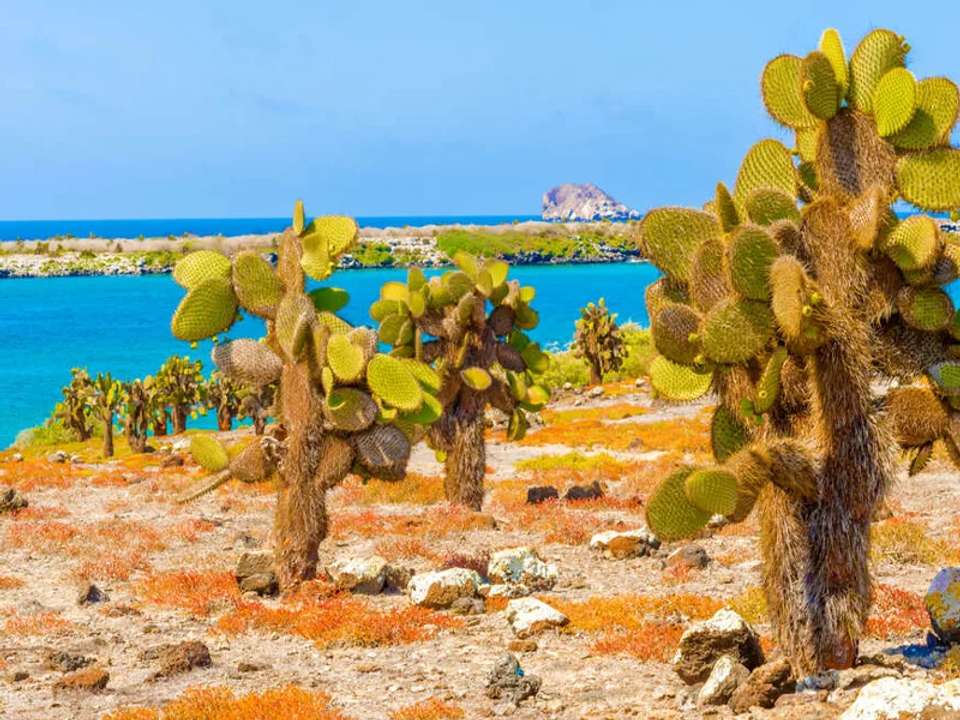
Lying on the Equator, 970km west of the Ecuadorean coast, the Galapagos National Park is a unique collection of islands, formed by volcanoes over hundreds of thousands of years and consisting of six main islands, 12 smaller islands, and over 40 small islets, each one supporting a distinct and unique flora and fauna, including prehistoric creatures found nowhere else on earth. This desolate and fantastic habitat was discovered in 1535 by Fray Tomas de Berlanga. Charles Darwin visited the islands on the Beagle exactly three hundred years later, in 1835. He observed the total isolation of the giant reptiles and other creatures, and this played a substantial part in his theory of evolution.
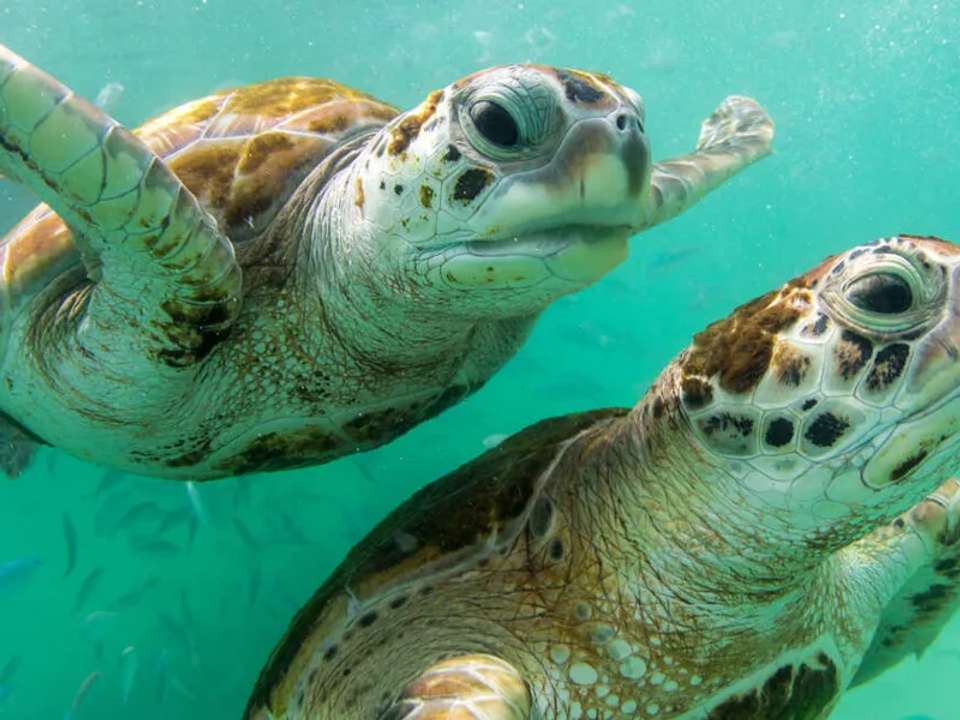
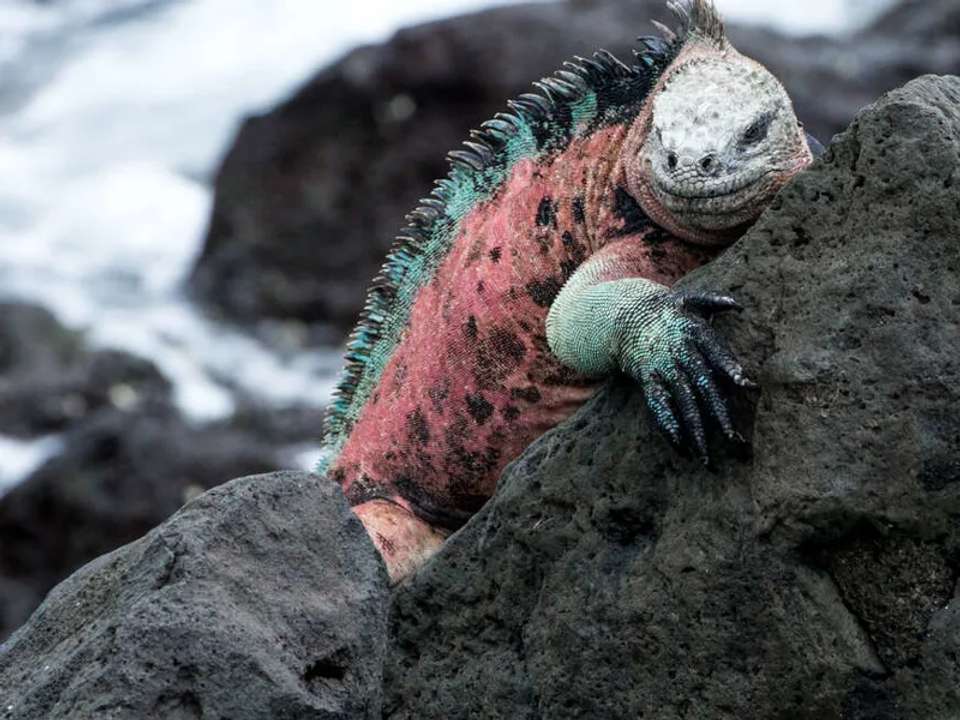
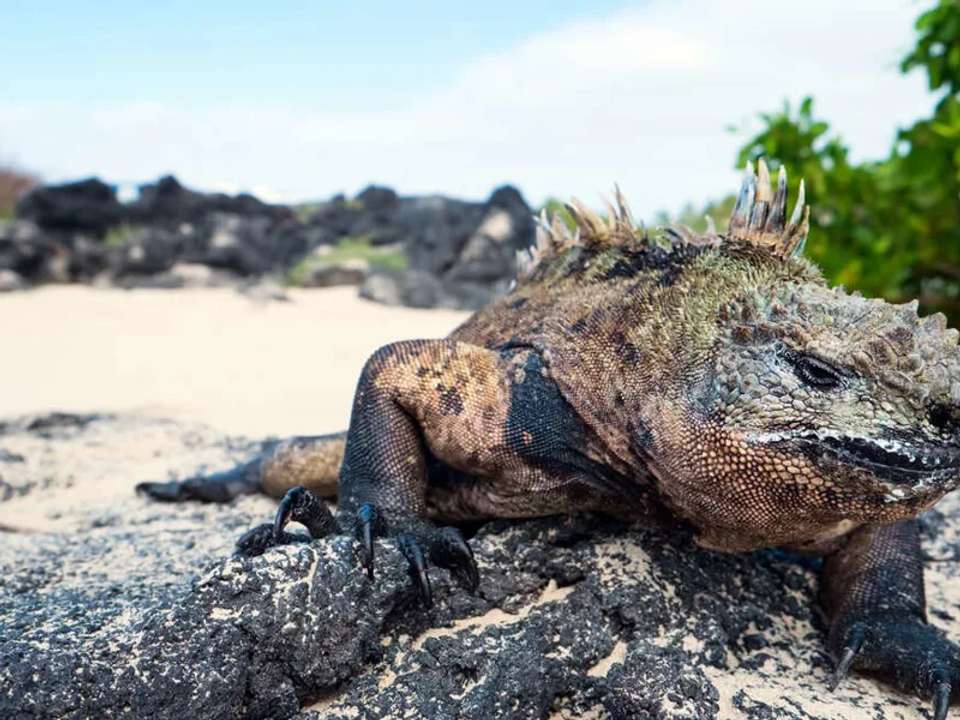
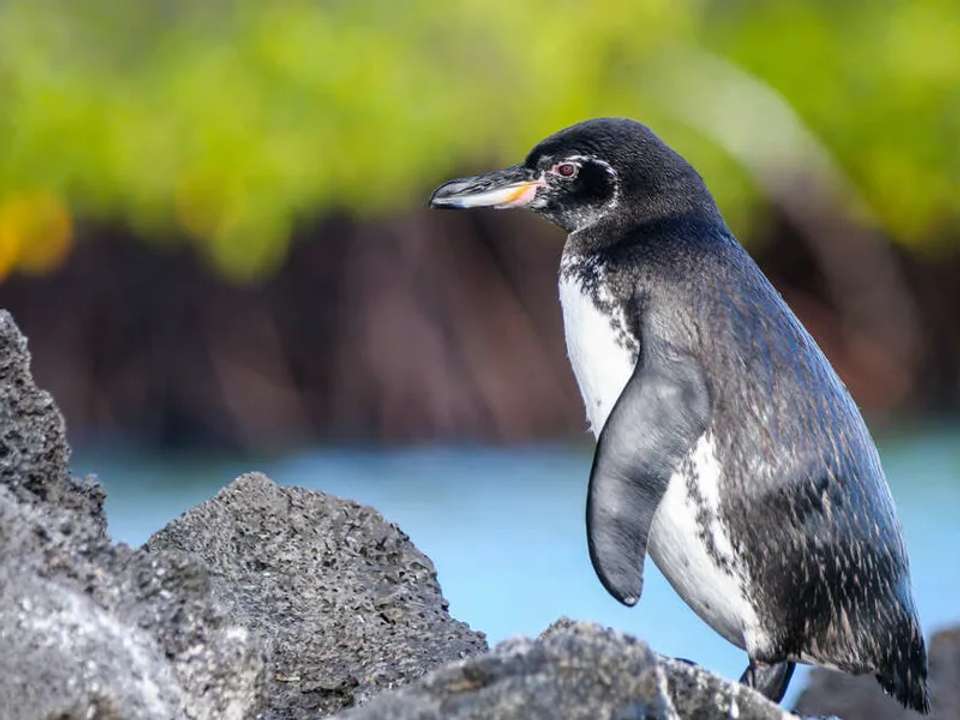
Of the extraordinary animals to be found in the Galapagos many are reptiles, such as the great tortoise, large land iguanas, numerous lizards and three species of non-poisonous snakes. There are also several species of turtle, which come ashore to mate. Up to three quarters of a million seabirds flock to the islands, including a third of the world's blue-footed boobies, frigatebirds, pelicans, cormorants, albatross and petrels. Only 35cm tall, the Galapagos penguin can be seen swimming among tropical mangroves, whilst offshore it is common to see dolphins, sea lions and fur seals playing in the water. Fearless though not tame, the extraordinary wildlife is often inquisitive and the opportunities for photography are superb.
The Galapagos National Park charges a visitor fee of $100 USD (subject to change), payable in cash on arrival, which funds park maintenance and supervision in the Galapagos, as well as ecological study, conservation and infrastructure development in Ecuador's other national parks. Entry fees and the funds they generate for the national park system are among measures taken by the Ecuadorian government to protect its natural heritage.
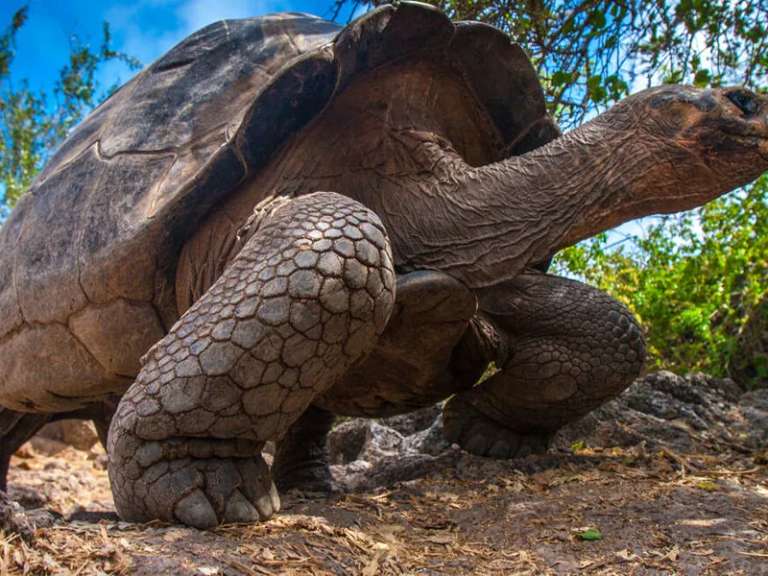
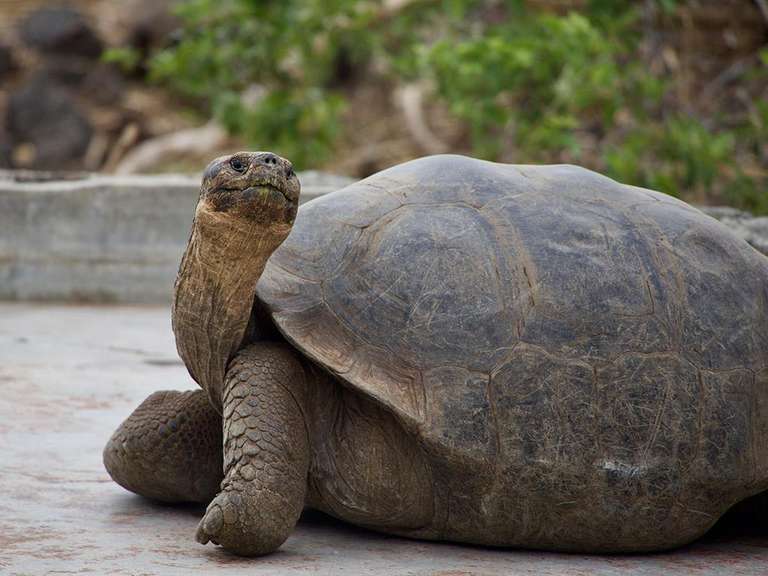
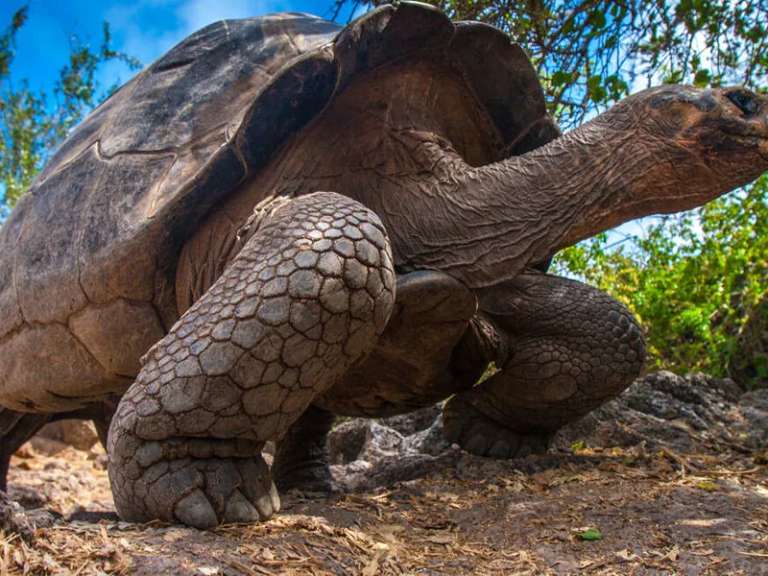
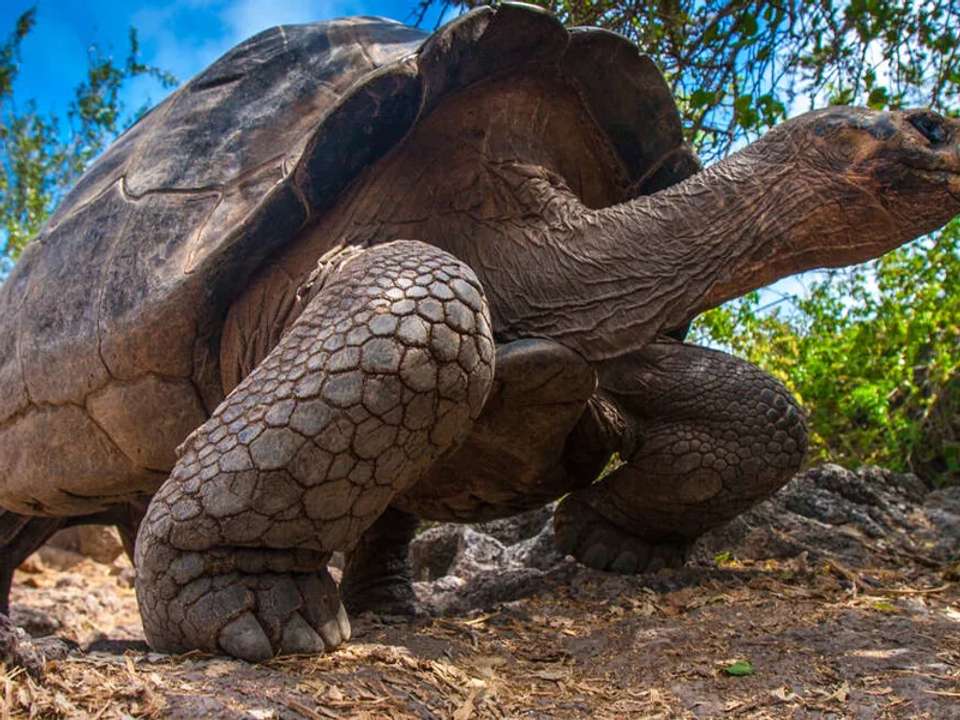
At Baltra Airport, a guide will meet us to help us collect our luggage and accompany us on a short bus and a taxi boat ride across to Santa Cruz Island. This afternoon we visit the Fausto Llerena Breeding Centre, where we can observe tortoises that come from various islands of the archipelago - at Fausto Llerena they are breeding tortoises only to repopulate areas where their populations have been affected by non-native wildlife (predominantly feral dogs). One of the main attractions here is the embalmed Lonesome George - estimated to have died at between 93 and 109 years of age, Lonesome George is recognised as the last of its kind, and as a symbol of the efforts invested into conserving endangered species.
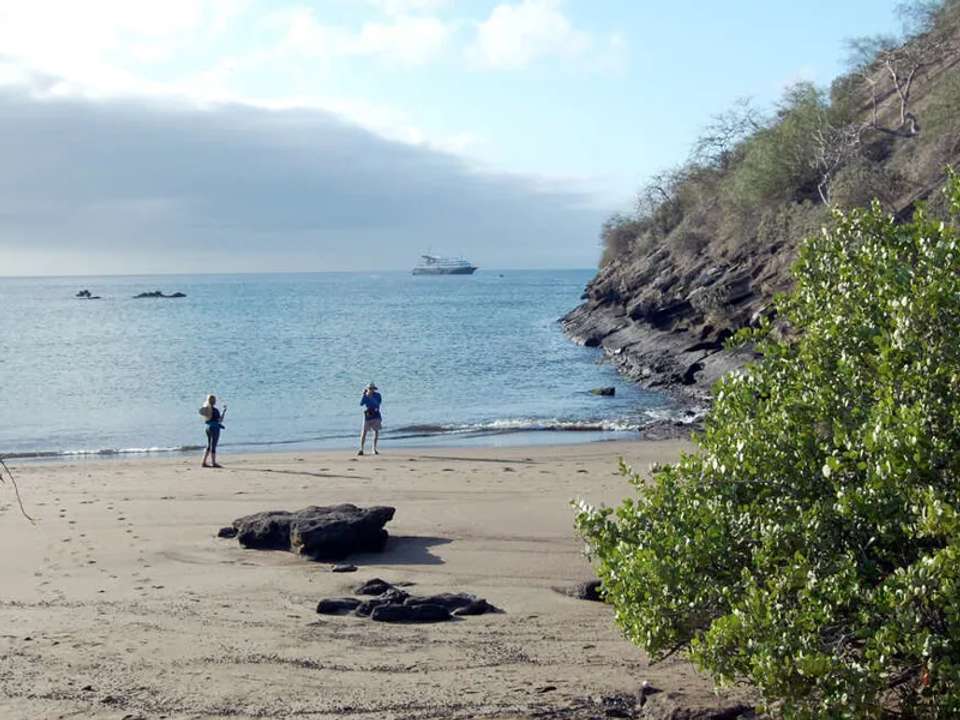
After a visit to the centre, we continue to the port of Puerto Ayora, where we board our stylish vessel for the next week - the Archipel I.
Meals:Breakfast, Lunch & Dinner
Accommodation:Archipel I (or similar)
day 3 - Observe the wildlife of Floreana Island and visit Post Office Bay
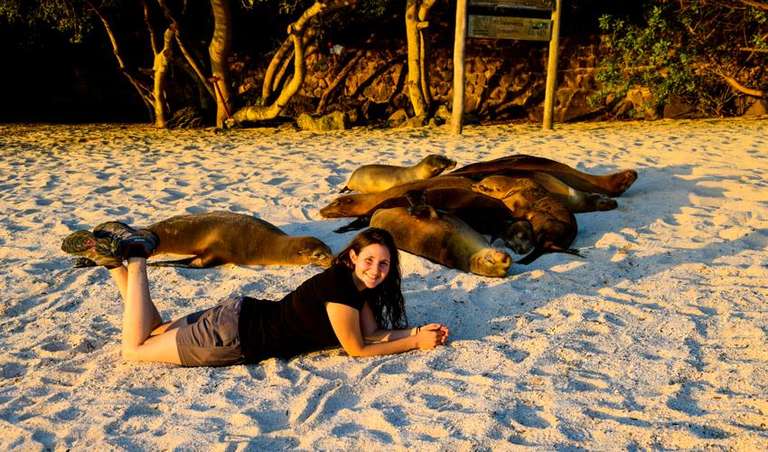
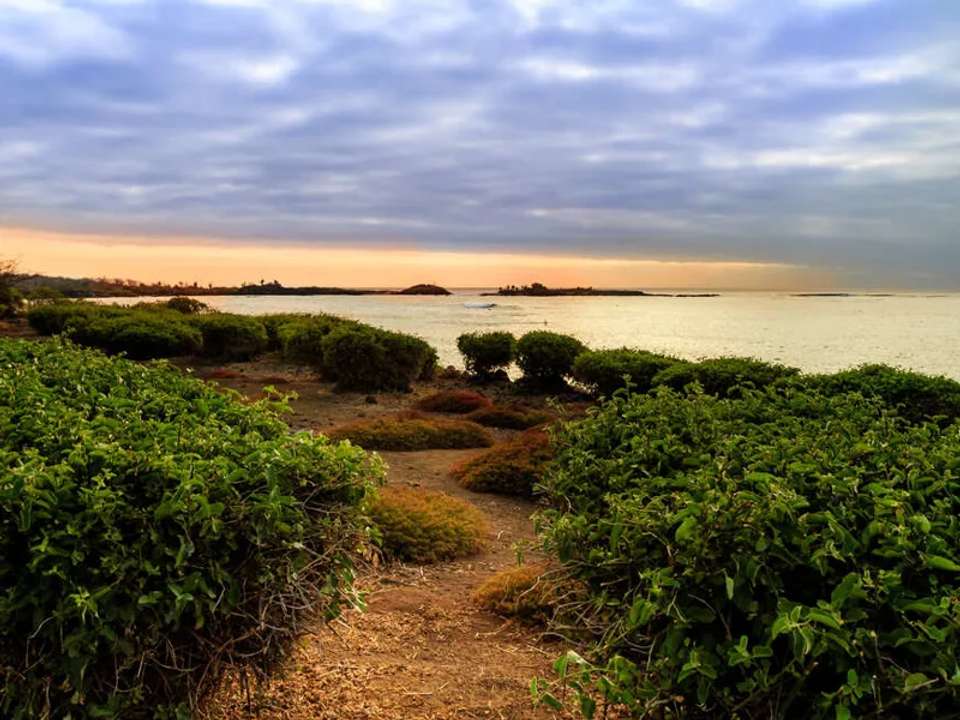
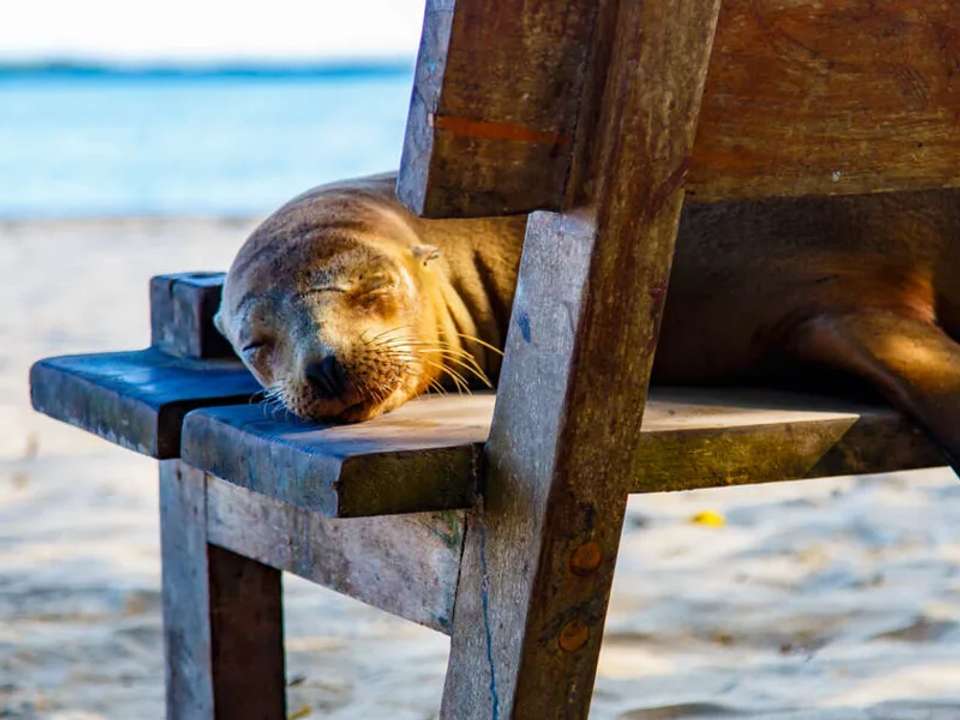
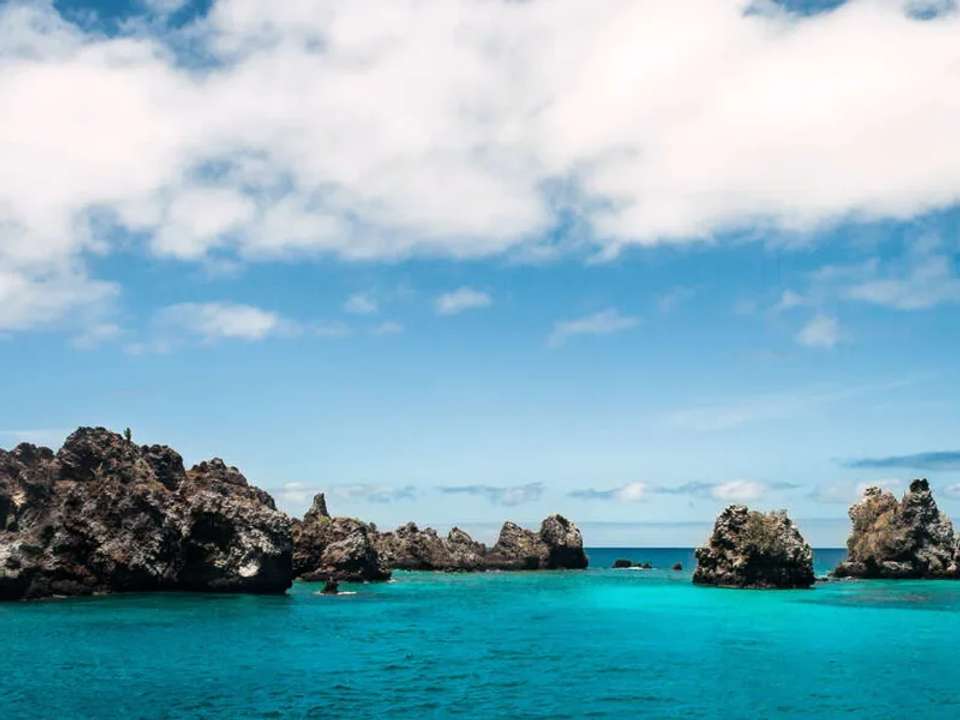
The peninsula of Cormorant Point forms the extreme north cape of Floreana, and at the landing beach we will be welcomed by a small Galapagos sea lion colony. Spot schools of stingrays hiding in the sandy bottom of the beach and, during the first months of the year, witness Pacific Green turtles coming ashore to bury their eggs. From Cormorant Point we head to the snorkelling spot at Devil's Crown, a coral reef surrounded by an eroded volcanic crater and the perfect home for marine life. Look out for small sharks, rays and schools of tropical fish. You may even spot Galapagos penguins here - this spot is the only place in the south-eastern archipelago where the Galapagos penguin resides.
Later in the afternoon, we stop at Post Office Bay. A barrel was placed here in the late 18th century by English whaling vessels to be used as a post office. Passing ships would stop to leave mail for loved ones, collecting at the same time any mail destined for ports on their itineraries. Today the box is used mainly by tourists, and you can drop off your own postcard, picking up an unstamped letter to post for someone else. You can also climb the small basalt cone at the Baroness Lookout for panoramic views of the coastline. This viewpoint was the famous spot of one of Floreana's first settlers, the eccentric baroness and self-proclaimed 'Empress of the Galapagos' Eloisa von Wagner.
Meals:Breakfast, Lunch & Dinner
Accommodation:Archipel I (or similar)
day 4 - Snorkel in Gardner Bay and head onto Punta Suarez
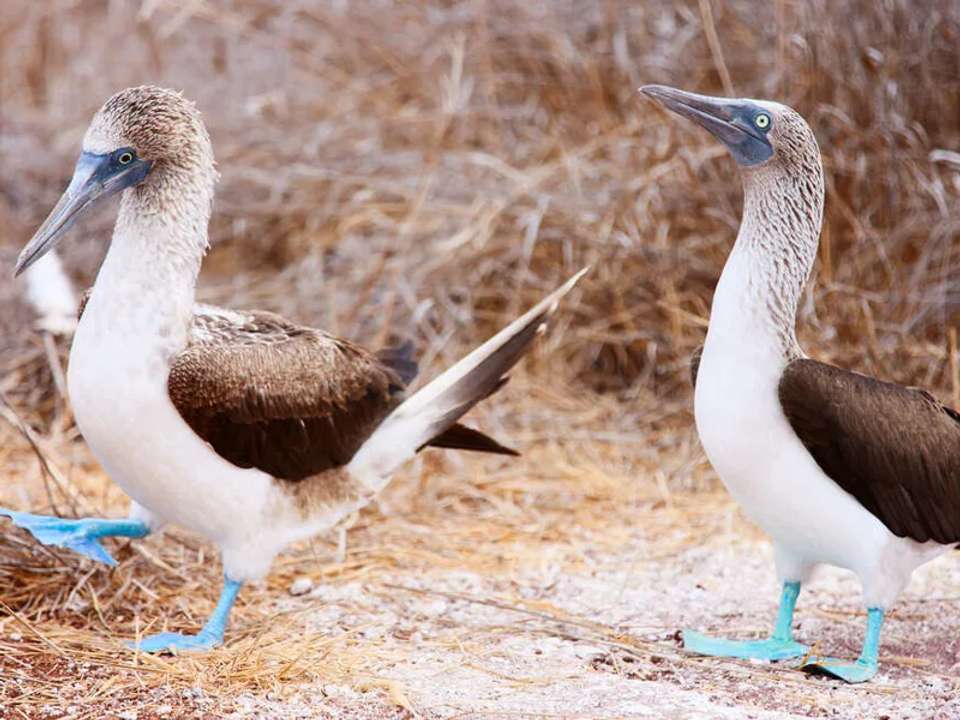
Today we spend some time exploring Espanola Island, the southernmost island in the Galapagos archipelago and home to several wildlife species, including masked and blue-footed boobies. We'll sail into Gardner Bay, an excellent swimming and snorkelling site. Strap on your snorkel and if conditions allow, see an abundance of sea life including young sea lions and large schools of surprisingly big tropical fish, including yellow-tailed surgeonfish, king angelfish, and bump-head parrot fish.
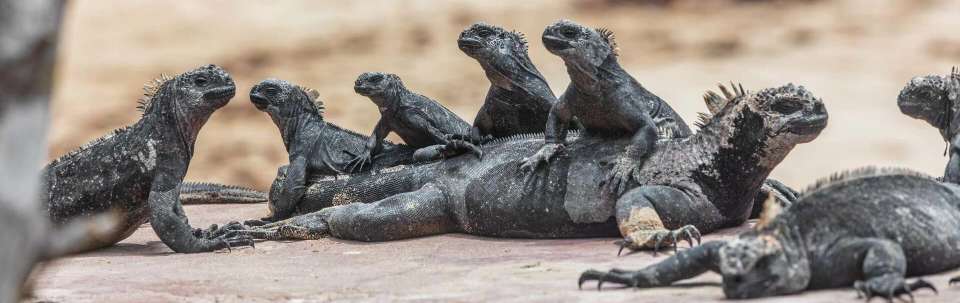
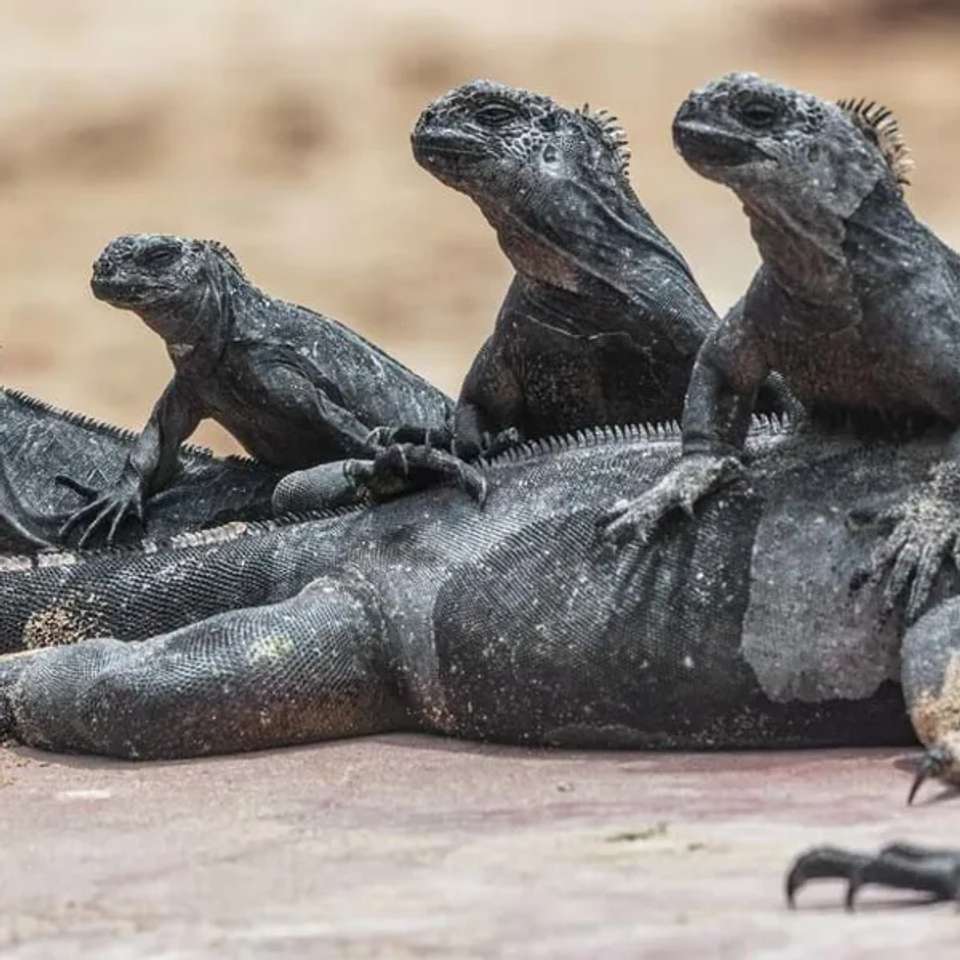
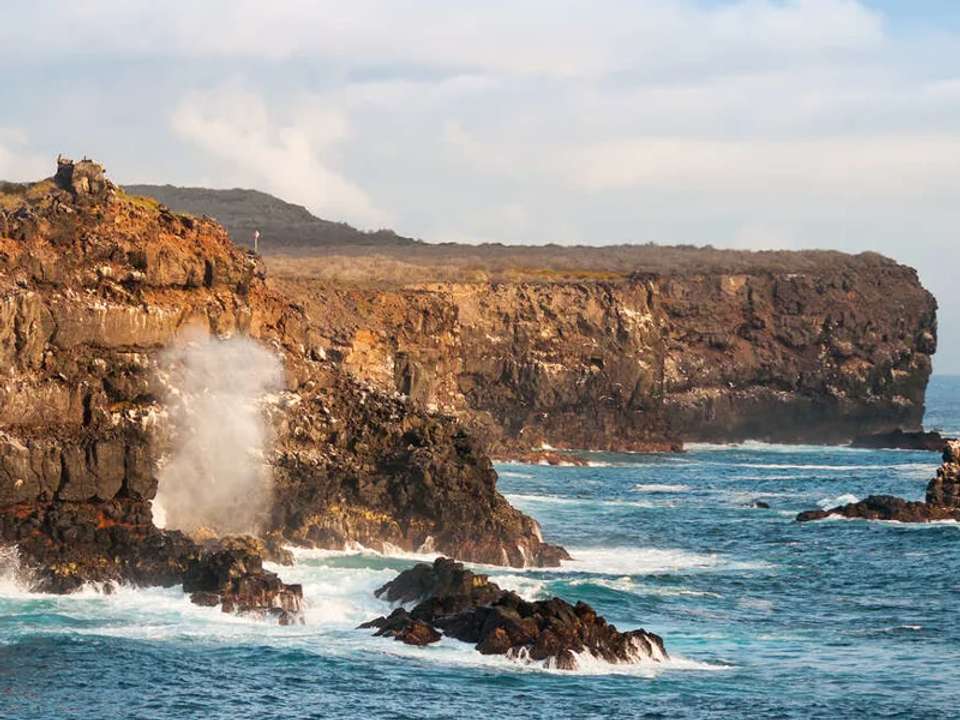
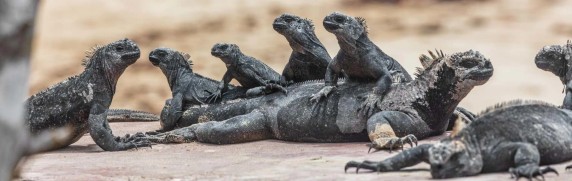
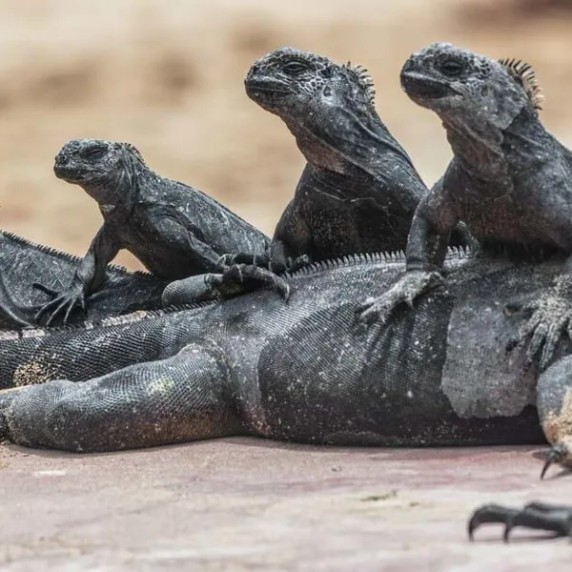
In the afternoon, we head to Punta Suarez, where a hike to the top of the cliff makes for spectacular photo opportunities. This rugged point on the western side of Espanola Island is spectacular; gargantuan waves break on jagged cliffs and large bird colonies thickly populate the interior of the island. There is a distinct feel of desolate wilderness here. The waved albatross is seen here from April to December during its mating/nesting season. This bird leaves land between January and March each year to make its annual odyssey far out to sea. Amazingly, Espanola is the nesting site of virtually the entire world population of this species, with more than 12,000 pairs residing here. Large numbers of masked and blue-footed boobies are also found here, red-billed tropicbirds dash madly through the air, and both marine iguanas and sea lions are common. A huge blowhole at Suarez Point, where the surf is forced through a natural rock formation spouting seawater 15 to 20m into the air, adds to the island's impression of untamed beauty. We follow the trail through a rookery and learn the geological history of the island from our naturalist guide, including its dramatic volcanic features, climate, flora and fauna.
Meals:Breakfast, Lunch & Dinner
Accommodation:Archipel I (or similar)
day 5 - Find sea lions at Pitt Point and snorkel at the atmospheric Witch Hill
The wind-sculptured volcanic cliffs at Pitt Point make up the extreme eastern end of San Cristobal, and therefore of the whole archipelago. These cliffs were the first sight of land when HMS Beagle and Charles Darwin arrived on the 15th September, 1835. On the small green-sand beach, we'll be welcomed by a group of barking Galapagos sea lions. This is a bachelor colony, where males usually relax and prepare themselves for fighting and mating.
In the afternoon, we land at Witch Hill, where the primary attraction is snorkelling off the coral-sand beach. This was one of the first sites visited by Charles Darwin in this inaugural expedition, and has an impressive landscape, where we may see pelicans, blue-footed boobies and swallow-tailed gulls, as well as marine iguanas.
Meals:Breakfast, Lunch & Dinner
Accommodation:Archipel I (or similar)
day 6 - Explore the rugged beach at Lobos Islet; fly back to Quito
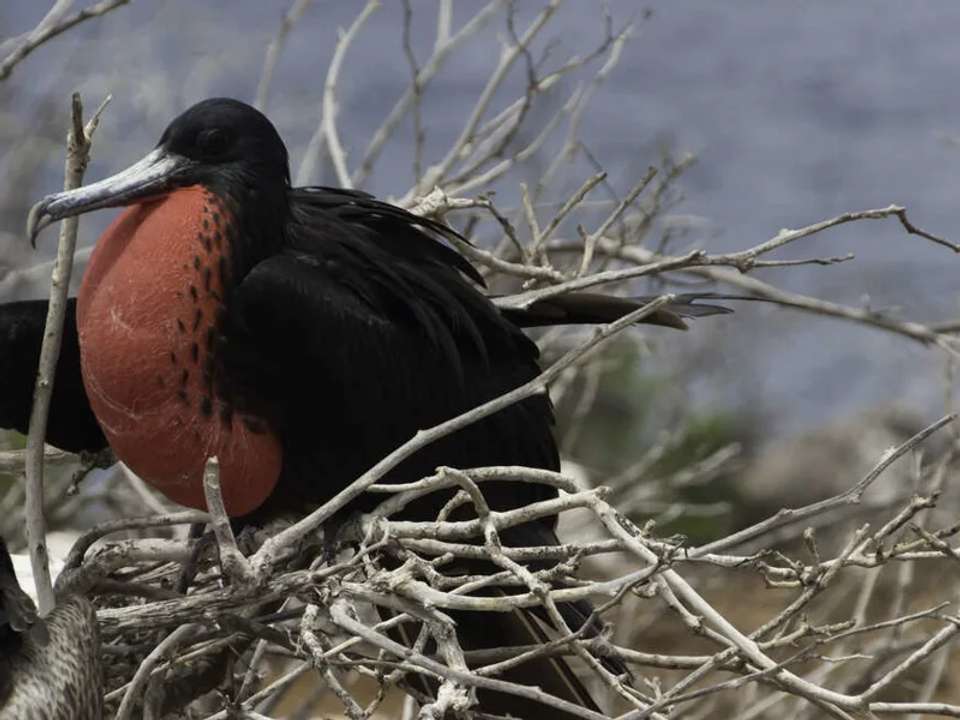
The tiny island of Lobos has some wonderful wildlife encounters to experience. On foot, view the sea and shore birds nesting and feeding. Spot a small colony of blue-footed boobies, or nesting frigatebirds, who mate here with clumsy dances - heaving their striking blue feet or blowing up their balloon-sized scarlet pouches - as well as finding a large colony of sea lions.
After this, assisted by the naturalist guide and some crew members, we travel to San Cristobal airport for our flight to Quito. On arrival back on the mainland, we transfer to the hotel for our final night in Ecuador.
Meals:Breakfast
Accommodation:Hotel Rincon de Puembo (or similar)
day 7 - Trip ends in Puembo, Quito
The trip ends after breakfast at the hotel in Puembo, Quito.
There are no activities planned today, so you are free to depart at any time. Pick-up times for your airport transfer to Mariscal Sucre International Airport (UIO) will be re-confirmed locally. If your flight is departing later in the day, luggage storage facilities are available at the hotel. If you would like to book additional nights in Quito at the end of your stay, these can be arranged either at the hotel in Puembo, or in a hotel in downtown Quito.
We recommend spending extra time in Quito, or adding to your nature-based holiday by booking our four-night Amazon extension package (trip code: AE).