Our driver is waiting for us at the airport to take us to our hotel.
We arrive in La Paz through El Alto, a chance to immerse ourselves in the crowd and experience immediate change of scenery!
We leave for a day of exploration in La Paz. We walk through the streets of Sopocachi, towards the center, with a break for a fresh juice at the mercado Sopocachi and a "salteña" on the way. The salteña is the Bolivians's 11am snack, it is a small pastry filled with chicken or beef in its juice. The challenge: to eat it, without cutlery and staining...
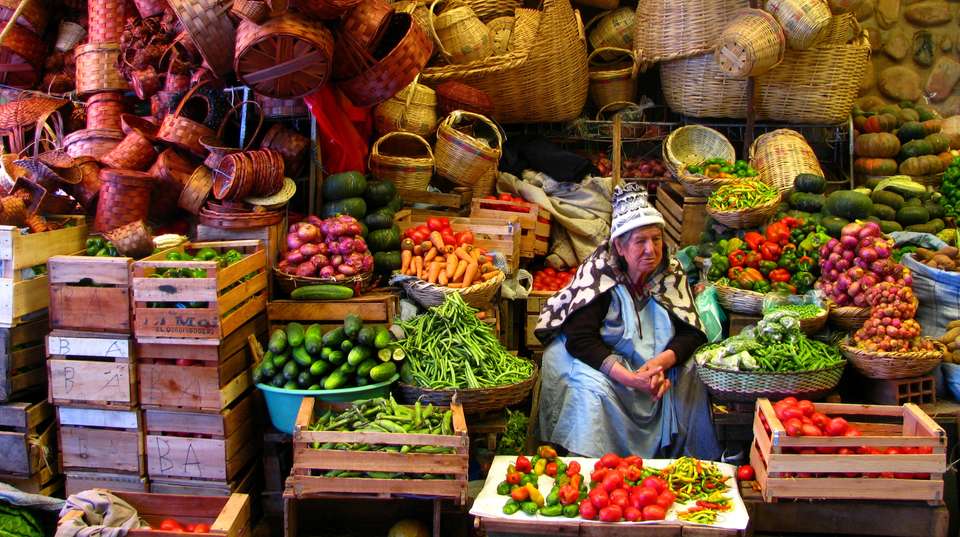
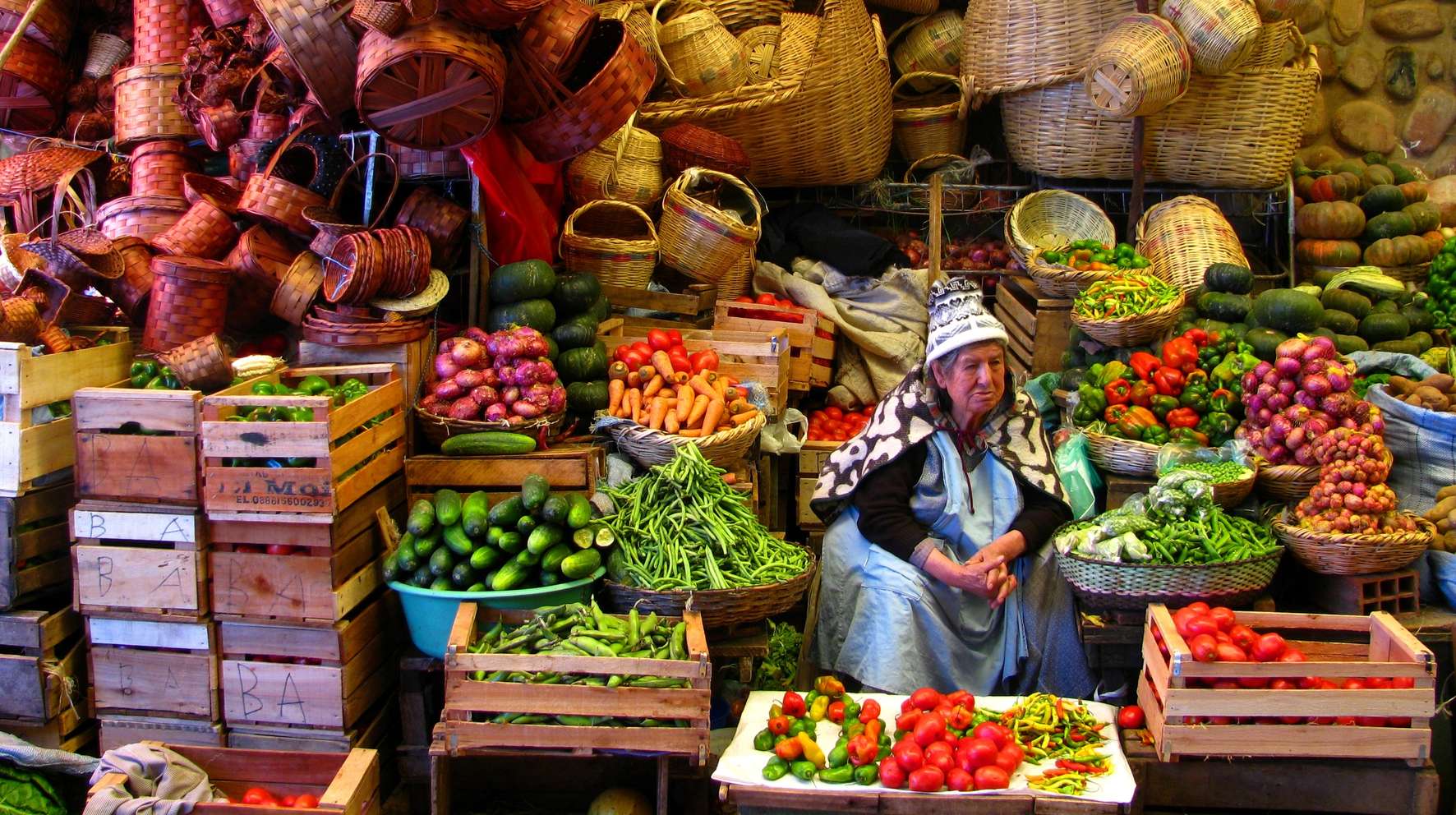
La Paz is a mixed and contrasted city, the perfect sample of a whole country. From the market district, full of colors and smells, we cross a few streets to find ourselves in the heart of the historic district, now a business center. Two worlds that coexist 200 meters apart and the only thing they have in common is the permanent and noisy chaos that characterizes them.
We take a mate of coca, or chewing leaves on the Sagarnaga street. We cross the Mercado de Las Brujas (Witches market), where we buy a miniature to please the Ekeko, god of abundance. The tradition wants us to project all our hopes in the purchase of the coveted object in miniature, which will then be ritualized.
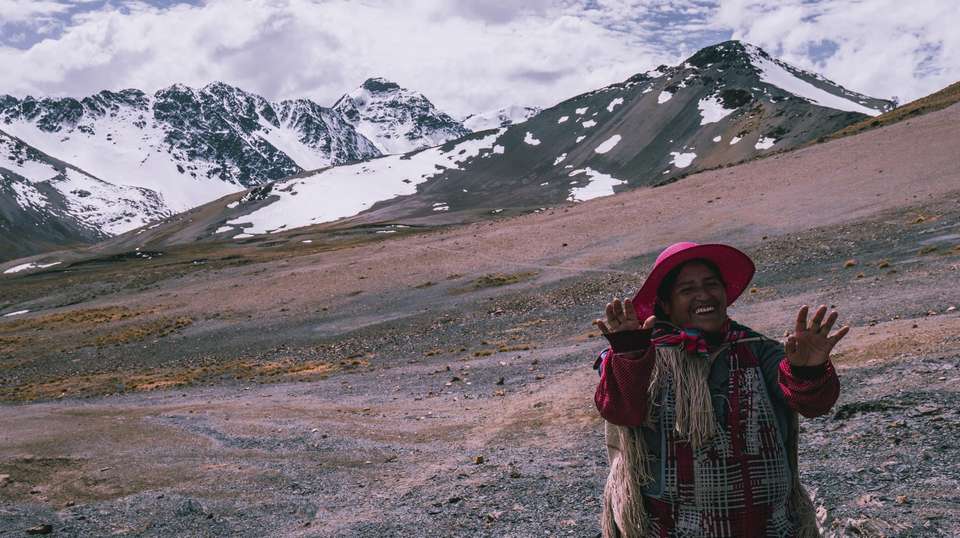
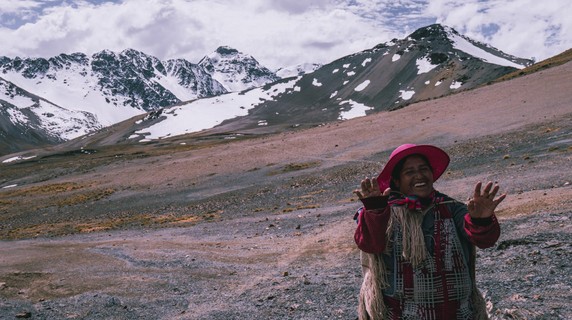
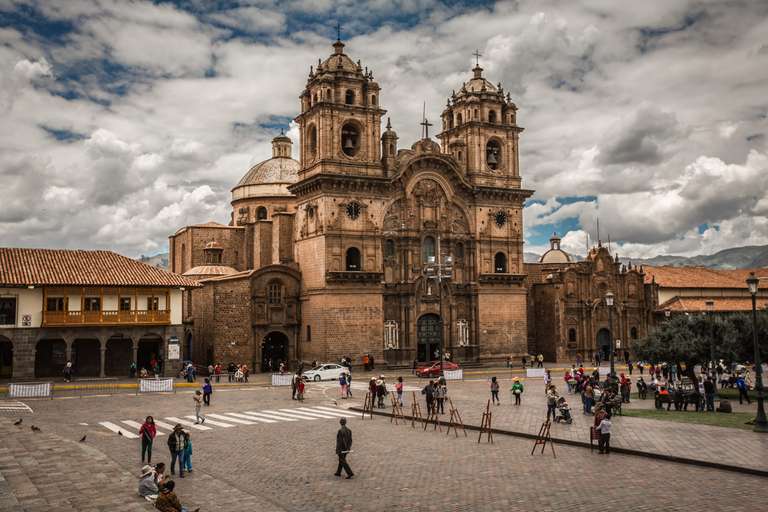
In the historic district, we walk along Calle Jaen, one of the last colonial streets of the city, with its cobblestones and colorful houses. We take the time to push all the doors to discover small courtyards, galleries, the museum of musical instruments, and we meet Rosario. She tells us about culture, clothing, traditions, and invites us to try on her many cholita skirts (7 overlapping ones, they say), giving us all her secrets of cholita.
We have lunch at one of the common tables of the market, with the Paceños. The choice of dishes is rich, and the smells of grilled meat with aji sauce mix with those of fried food and other spicy soups.
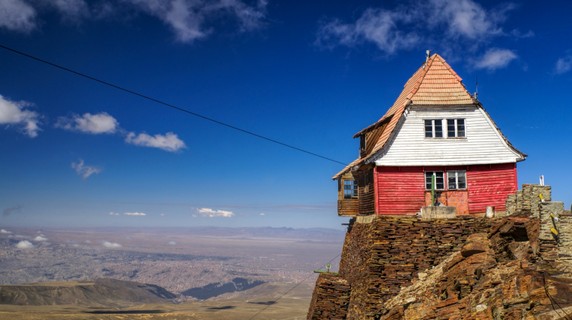
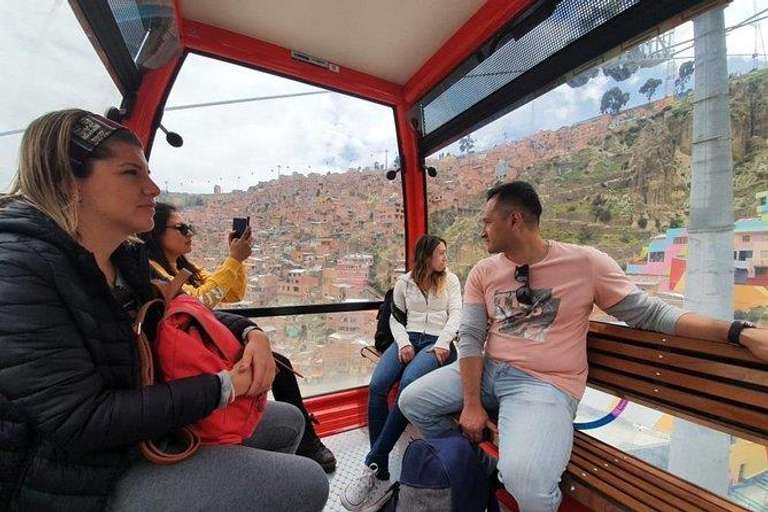
We reach El Alto by cable car, we fly over houses as far as the eye can see, we intrude above the inner courtyards, terraces where traditional clothes and dance costumes dry... On the cliffside, the shamans are perched, leading the offering ceremonies to the Pachamama. Let's venture to one of them to have the coca leaves read to us!
We go down by the general cemetery. Far from being scary or sad, this unique cemetery is animated, colored by large murals and decorated by the families of the deceased. Here, death is celebrated: people sing, dance, and make offerings to honor the missing loved ones. This visit allows us to better understand the Bolivian culture towards its dead. We then pass by the Calle de Los Andes, street of the carnival costume makers, stores and dressmakers. We could watch for hours the meticulous work of the Diablada mask makers. Further down, towards the market, we find custom-made hats, jewelry of all kinds and cholita petticoats.
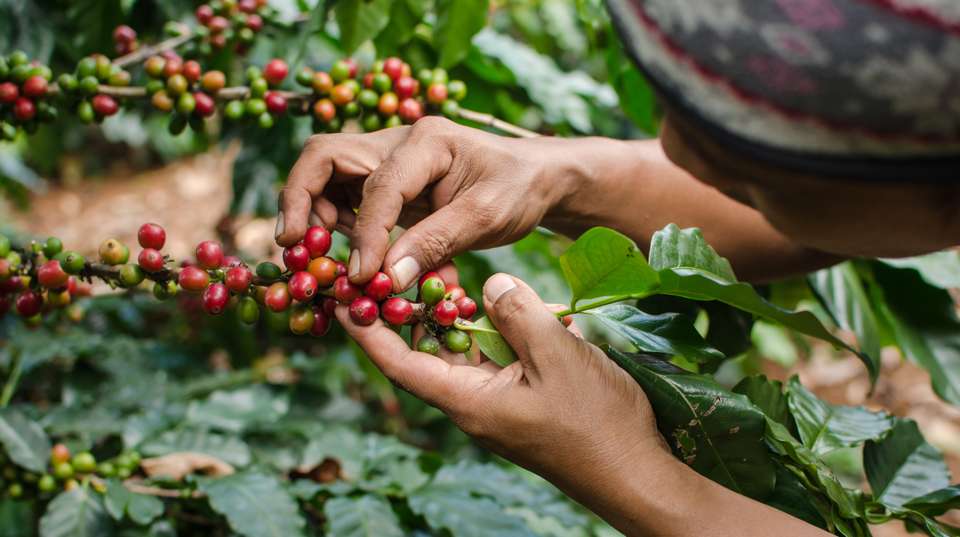
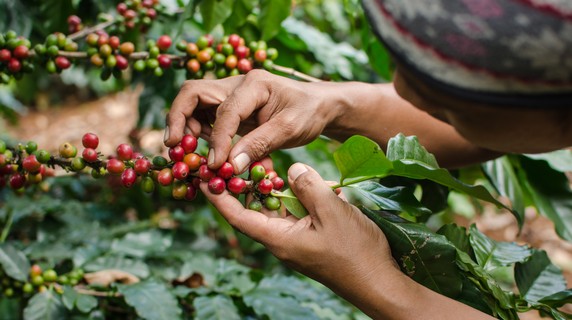
For dinner, we will provide you with a list of restaurant suggestions of all types. In Bolivia, we are lucky to have varied and quality food, we eat well. It's simple, here confluence the products of the Amazon, the Yungas (tropical fruits and vegetables), the products of the Altiplano (potatoes, quinoa, llama), the meat of the Beni, and the products of Lake Titicaca. The meal can be accompanied by a good local wine from Tarija with a high altitude grape variety.