Highlights
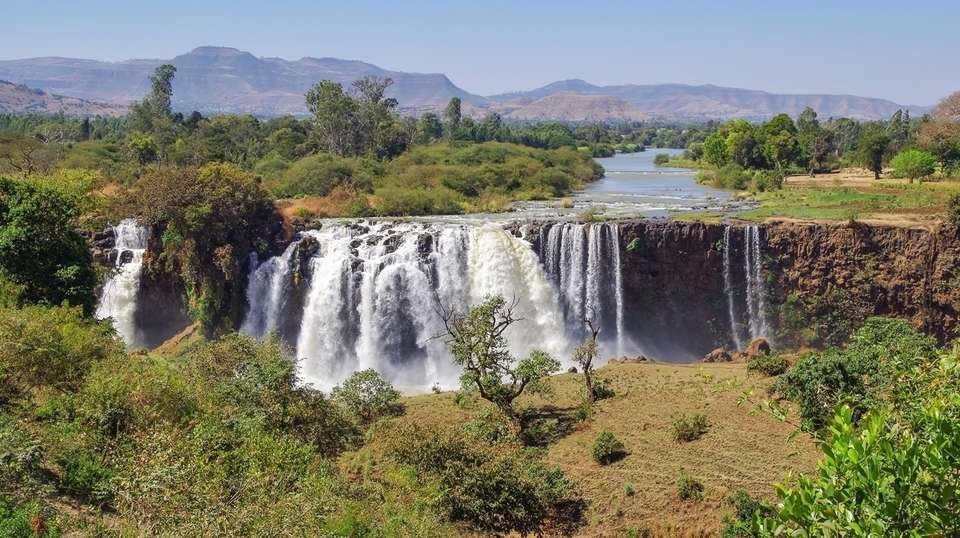
See the Blue Nile Falls and monasteries around Lake Tana
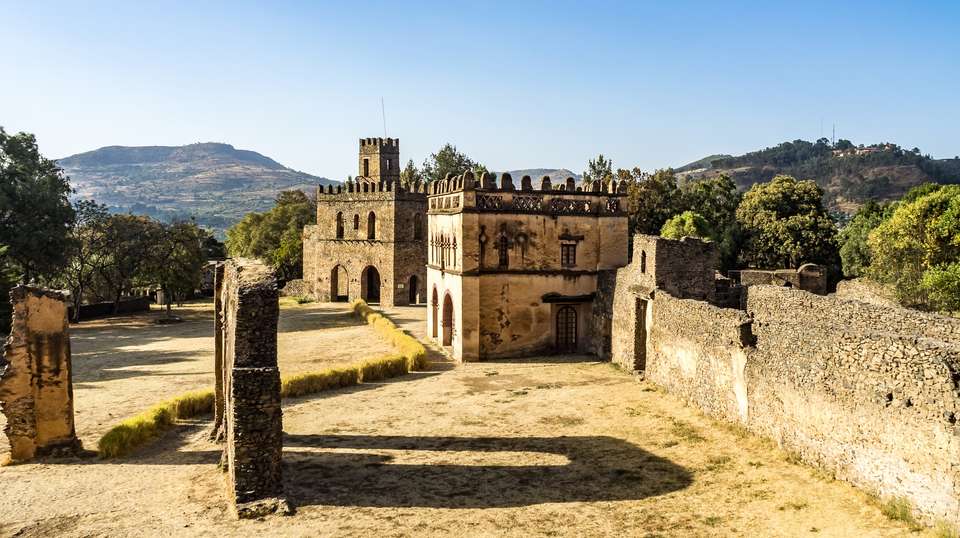
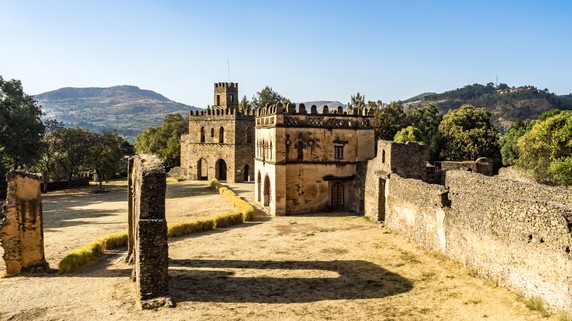
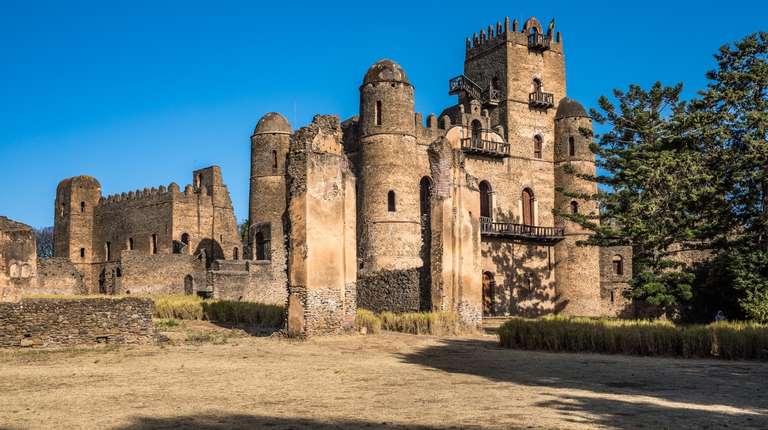
Enjoy a trip to Gondar, known for the walled Fasil Ghebbi fortress
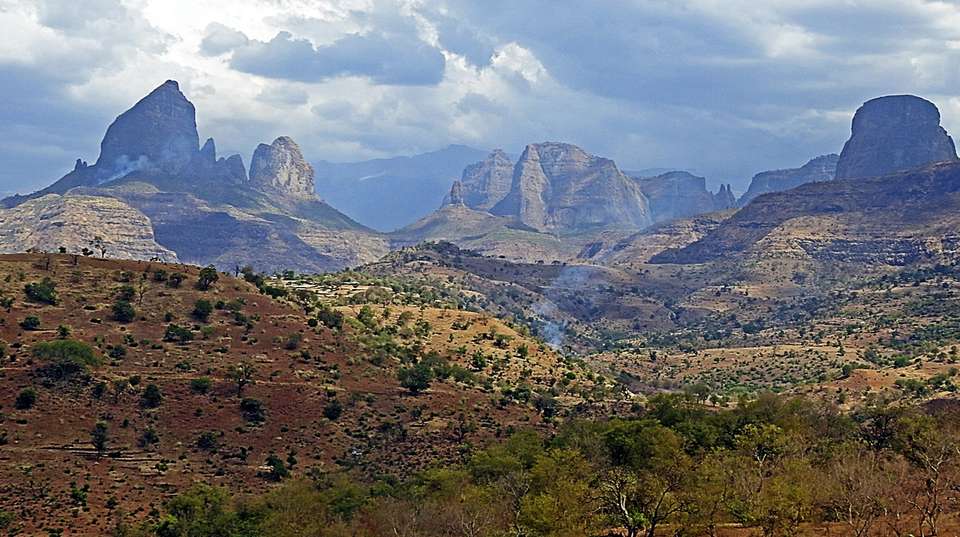
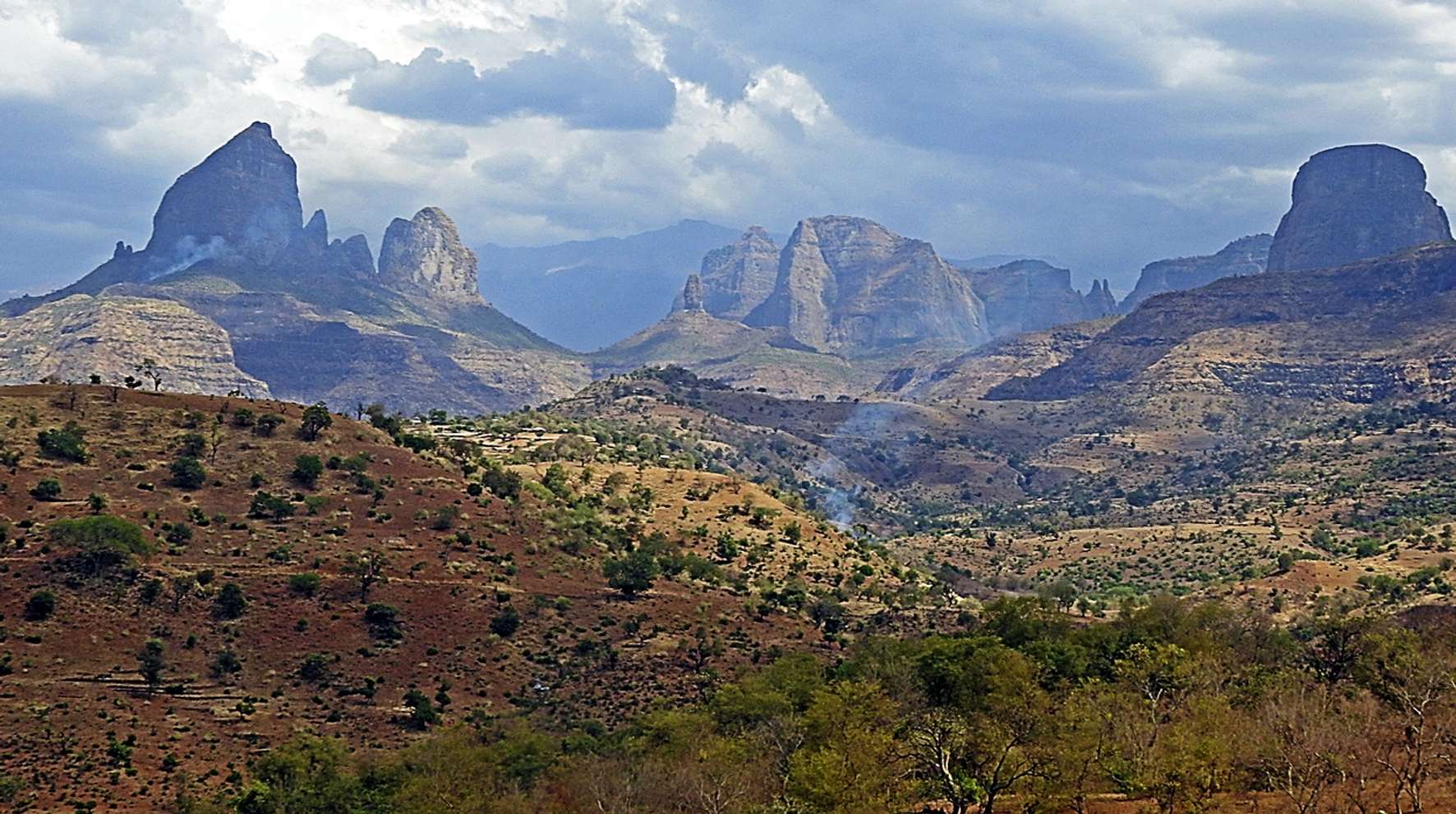
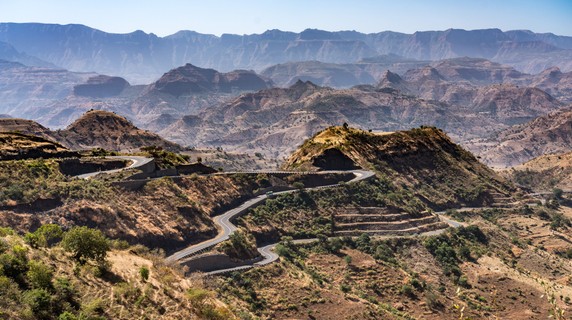
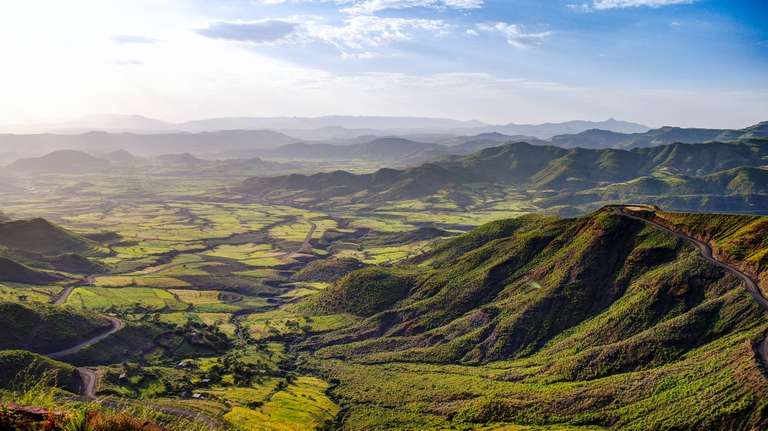
Explore the Semien Mountains, part of the Ethiopian Highlands
Meet members of Doze, Konso, Ari, Mursi & other tribes
Itinerary
Ethiopia’s contrasts—ancient churches, dramatic highlands, and living tribal heritage—are yours to experience on the "Best of Ethiopia" trip. Over 15 days, this private tour leads young adults and experienced explorers from Addis Ababa to the Blue Nile, Gondar’s walled fortress, and the rock-hewn churches of Lalibela. Venture into the Semien Mountains for a taste of Ethiopia’s wild beauty, then travel south to meet the Doze, Konso, Ari, Mursi, and other indigenous peoples. The real standout of this trip? The chance to connect with cultures and communities that have thrived for millennia, all while discovering a land rich in history and breathtaking scenery.
day 1 - Addis Ababa arrival and city tour
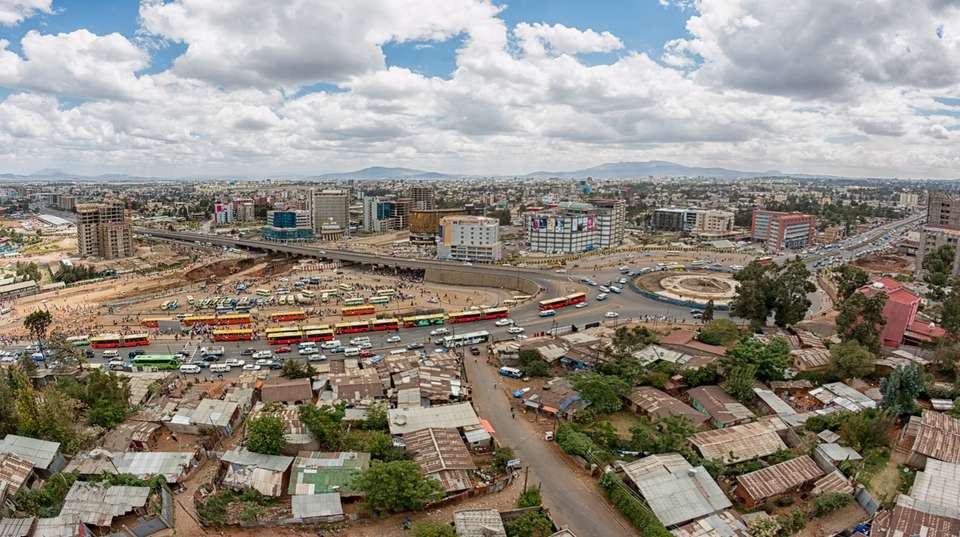
On arrival in Addis Ababa, we will meet you at the airport and transfer you to the hotel. Addis Ababa was founded in 1886 by Menelik II and is situated at an elevation of around 2438 m, which makes it the third highest capital city in the world.
The city enjoys an excellent climate all year round, with an average temperature of 25°C. We will start our sight-seeing tour with a visit to the National Museum of Ethiopia, which houses some of the country’s most important historic treasures.
The museum also has the collection of fossils and bones of early hominids discovered in Ethiopia, including the three-and-a-half million-year old remains of Lucy, the oldest hominid every found. Proceed next to the two major highlights of the city, the Ethnological Museum and the Church of the Holy Trinity, Ethiopia’s main cathedral and home to the remains of the last emperor of Ethiopia, Haile Selassie I.
day 2 - Fly to Bahir Dar, visit the Blue Nile & Lake Tana
Take the morning flight to Bahir Dar, the capital of the Amhara region situated on the shores of Lake Tana, the largest lake in the country.
Enjoy a boat trip in the lake and learn more about the secrets held by the monasteries and churches on the islands of the lake. Visit Ura Kidane Mihret Church, located on the Zeghie peninsula. Under the thatched roof are some distinctive, colorful paintings of religious scenes and an impressive display of illuminated bibles written in Ge’ez, the religious language from which Amharic is derived.
Visit the Tiss Issat Falls, Amharic for "water that smokes", located about 32 km south of Bahir Dar. Due to a nearby hydropower plant, you might not be able to see the waterfalls in full force.
day 3 - Drive to Gondar
Drive north for three hours (185 km) to Gondar, the former capital of Ethiopia that is currently regarded as one of Ethiopia’s largest and most impressive cities. Gondar’s most famous monuments are its exceptionally well-preserved 17th century castles, the largest and best of which is that of King Fasilidas. It is a stone-built construction with round turrets and wooden balconies.
The king also built a remarkable bath a mile or so outside of town known as the Pavilion of Delight. This is where thousands of Ethiopians celebrate Timkat festival every January. This whole complex of buildings is unique in Ethiopia and unlike anything found elsewhere in Africa. This afternoon, we will also visit Debre Birhan Selassie Church, known for its sensational angelic ceiling and mural.
day 4 - Excursion in the Simien Mountains
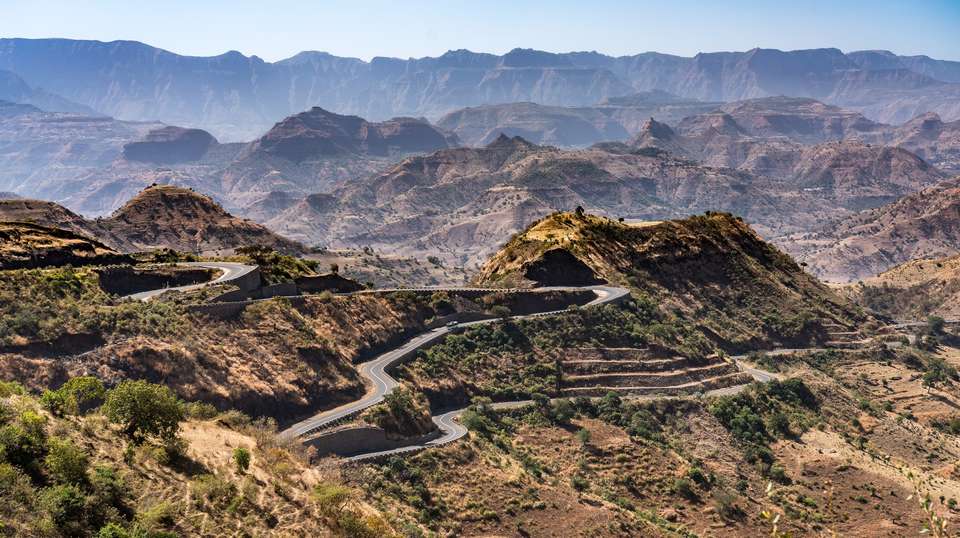
Drive to Debark, located on the edge of the Simien Mountains, after breakfast. Then travel into the mountains for some spectacular views of this unique ecosystem. You have the option to go on a 90-minute walk, mostly flat or downhill. In case you book this option, you might spot the endemic Gelada baboons, klipspringers, lammergeyer vultures and bushbucks.
You will also get enough time to explore around the Sankaber region The maximum altitude today is 3,250 m. Drive back to Gondar in the late afternoon. You will spend the night in the city.
day 5 - Fly to Axum
Axum was the seat and the ancient capital of the Kingdom of Axum, one of the most powerful kingdoms in the ancient world. Located at the centre of the trading routes between the Mediterranean and India, as well as the great port of Adulis on the Red Sea, Axum was economically, politically and technically advanced and at times had control over both sides of the Red Sea.
Axum is also the place of origin of Christianity in Ethiopia and is believed to be the resting place of the Ark of the Covenant. The Church of St Mary of Zion was the first church to be built in Sub-Saharan Africa around 330AD. Its ruins can be seen in the precinct of the church compound. Visit the famous monolithic stelae of Axum, the tallest of which is over 21 meters.
The subterranean tombs and stone inscriptions of ancient Axumite kings and the small archaeological museum are a living witness to the ancient Axumite history. Visit the ruins of the palace of the Queen of Sheba who is said to have given birth to Menelik I, whose father is said to have been none other than King Solomon.
day 6 - Lalibela (Unesco World Heritage site)
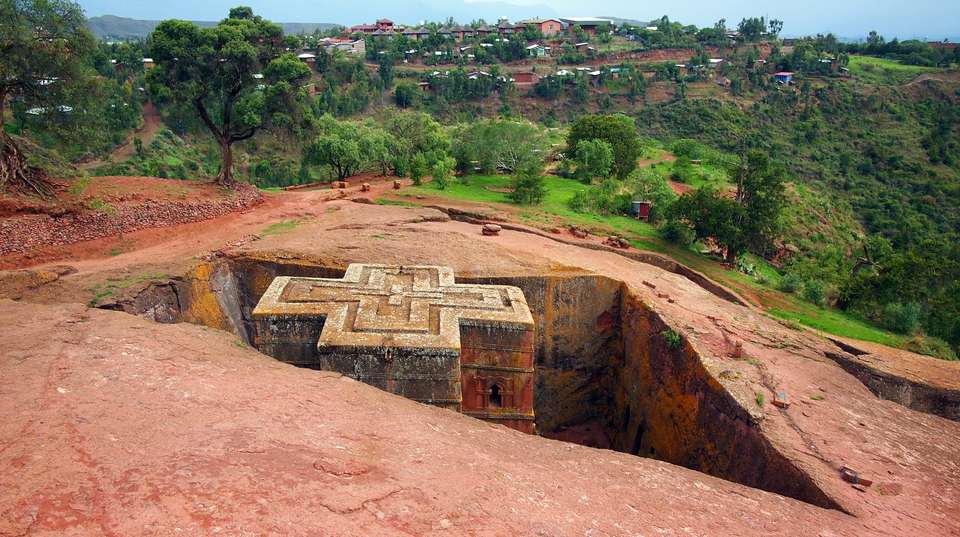
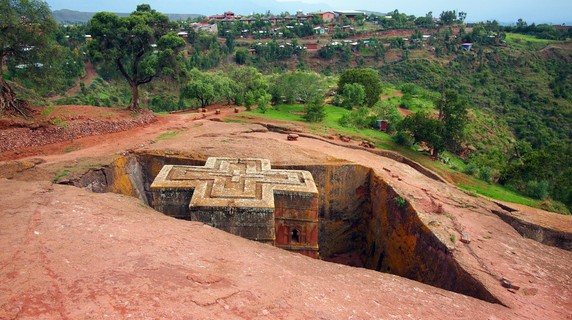
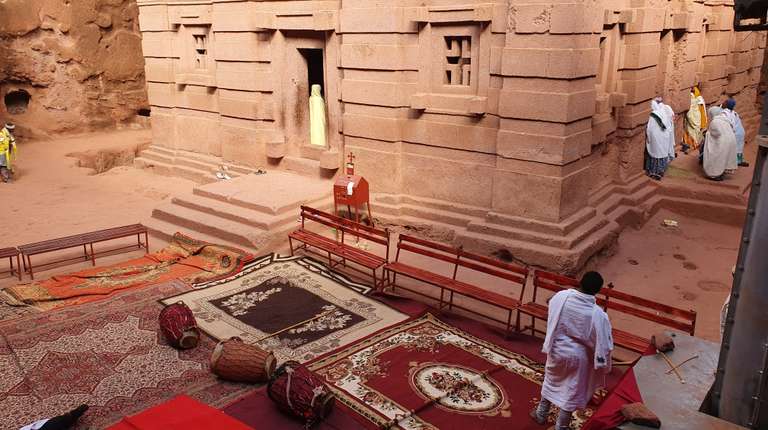
Catch the plane to Lalibela in the morning after breakfast. Today you will visit the rock-hewn churches of Lalibela. Also called Ethiopia's New Jerusalem, Lalibela is thought to have come into existence some 800 years ago under the reign of King Lalibela.
Although churches carved in rock are found in other parts of the world as well, those found in Ethiopia are particularly interesting. Generally, they are rectangular depressions with a large block of granite monolith in the centre. Skilful craftsmen were used to carve this granite.
Each church has a unique architectural style and all are superbly carved. There are eleven rock-cut churches of which the most impressive is Bet Giorgis, which is carved in the form of a Greek cross and is exceptionally well preserved.
day 7 - Fly back to Addis Ababa & drive to Lake Langano
Transfer to the airport after breakfast for your flight back to Addis Ababa. On reaching the city, we will drive you directly to Lake Langano, from where you can enjoy views of the Rift Valley landscape and those over the Lakes of Abijata and Shala.
Depending on availability and schedule, we might also visit an ostrich farm at Abijata Shala National Park. Spend the afternoon relaxing on the shore of Lake Langano.
day 8 - Langano to Arba Minch
Drive to the famous lakeside town of Arba Minch after breakfast. En route, visit the villages of Gurage. Drive through one of the most colorful and scenic areas of southern Ethiopia, a land that is inhabited by the Wolayita people, who were once nomads but are now farmers.
Before you reach the town of Arba Minch, a long section of the road offers magnificent views of Lake Abaya. The lake has volcanic origins and is almost pink in color.
day 9 - Drive to Jinka via Konso
Head for Konso in the early morning. The Konso people are agriculturists, famed for their use of stone terraces that they utilize to such good effect in this dry and barren region of basalt hills. Originally from the east and speaking an east Cushitic language, the Konso live in settlements that are surrounded by stone walls.
There is a generation pole in each town that shows the age of the town and each family lives in compounds that are accessible only through gateways that require visitors to enter on all fours, thereby rendering any potential attackers vulnerable.
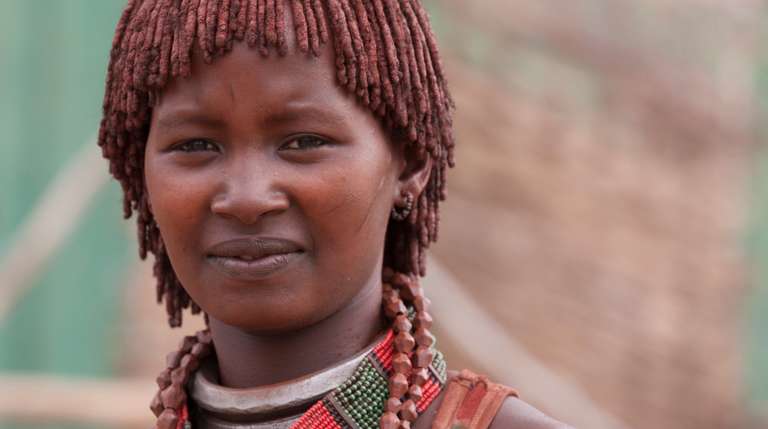
Keep driving to Key Afer where a colorful Thursday market takes place. See people from Ari, Bena, Hamer and Tsemay ethnic groups. The Bena and Hamer women usually favor red clay braids in their hair, which they smear with butter and perfume with incense.
The long beaded skirts of the Tsemay have a stick attached in the back to denote a married woman and the men have elaborately plaited hairstyles decorated with feathers and colorful beads. After visiting the market we drive to Jinka, often called the gateway to the Omo Valley.
day 10 - Mursi tribes in Mago National Park
Head for Mago National Park earning in the morning. From there we will travel to the Mursi highlands where the most illustrious of Ethiopia’s tribes lives. The Mursi are known all over the world for the decorative lip plates that adorn the lower lips of the Mursi women. The plates stretch the lower lip beyond imagination and the women’s beauty, pride and desirability is directly proportional to the size of the plate.
The Mursi men and women may appear gracious but the Mursi warriors are not to be sneezed at. On their arms are deep crescent incisions that represent each enemy they have killed in battles. The men are also famous for their hairstyle.
You will get the chance to learn more about the various cultural aspects of the tribe. You also have the option to take photographs with members of the tribe if you want to. It's time to travel back to Jinka after that. We will take you to Ari village near Jinka where you will meet members of the Ari tribe.
day 11 - Drive to Turmi & visit the Hamer
Continue driving through the Omo Valley to Turmi via Dimeka. You will meet members of the Hamer tribe today. This tribe is one of the largest groups in the valley. They cultivate millet, vegetables, tobacco and cotton as well as raise cattle and goats.
In addition to this, they are also known for making fine pottery. The most eve-catching thing about this tribe is the hairstyle of the men, complete with ostrich feathers that they don when they have killed a fierce animal. The Hamer women are simply stunning. They wear beaded necklaces and iron coils around their arms and decorate their skin with cowry shells. These decorations indicate the wealth and prestige of a woman’s husband.
day 12 - Turmi – Murulle – Turmi
Continue through the savannah along tracks that are barely visible, passing through a vast meadowland dotted with shrubs and umbellifers (umbrella’ acacia trees) for an excursion in the Murulle area.
Arrive at Korcho village, which offers beautiful views over the Omo River, to see the Karo ethnic group, experts in body painting, using clay and locally available vegetable pigments to paint fantastic patterns on each other’s faces, chests, arms and legs.
These designs have no special symbolic significance, but are created purely for fun and aesthetic effect, each artist vying to out-do the other. Karo men also sculpt and shave their hair into extravagant shapes, with special ocher “caps” of hair usually containing several ostrich feathers. You can enjoy a picnic lunch en route. Return to Turmi for your overnight stay.
day 13 - Drive to Arba Minch
Leave Turmi for Arba Minch with a detour to meet the Erbore people en route. See a bizarre landscape of sand panicles formed by wind and rain along the way. Check into your accommodation in Arba Minch on arrival.
day 14 - Chencha village visit & boat trip on Lake Chamo
Drive 40 km northwest of Arba Minch to the Guge Mountains to visit Dorze and Chencha villages. Once warriors, the Dorze have now turned to farming and weaving to earn a living. They speak an Omotic tongue and their elephant huts are unique and worth seeing.
Some of Ethiopia’s best woven cotton comes from Chencha, which is located eight kilometres northwest of Dorze. Producing the fabric involves men weaving and women spinning the wheel. Indulge in a boat trip in the clear blue waters of Lake Chamo this afternoon. You might spot crocodiles, hippos and aquatic bird species while sailing down the lake.
The northern shores of Lake Chamo are famous for large crocodiles, which can be seen lounging in the heat in great numbers. The lake is about 32 km long and provides a lush wetland habitat for many species of flora and fauna.
day 15 - Drive back to Addis Ababa & departure
Drive back to Addis today with a detour to visit the archaeological sites of Tiya Stelea and Adadi Maryam Simi. Reach Addis Ababa early in the afternoon and transfer to the airport for your flight home. In case you are flying out of Addis Ababa tonight, you can join us for a farewell dinner at one of the best cultural restaurants in town (late check-out charges may apply).

Get Trip Brochure & Exclusive Discount
Download a detailed PDF brochure and unlock an exclusive discount for this tour
What's Included
What's Excluded
Tour Availability
Select your preferred departure date and secure your spot
Loading availability...
Monthly Price Comparison
Good to Know
Do you need help from our trip consultants?
If you have any question about this tour or need help with planning a trip, please do not hesitate to get in touch with us.
Our travel experts are ready to help.



Why Book with Bookmundi
Earn USD 135+ in travel credits.
Best price guaranteed.
No credit card or booking fees.
100% financial protection.
Carbon neutral tours.
25,000+ trip reviews, with an average rating of 4.8 out of 5.