Traveling is an exciting and enriching experience that allows us to explore beautiful places and create unforgettable memories. However, amidst all the excitement, it is essential to prioritize our safety and well-being during our holidays and vacations. Whether you are traveling to the most beautiful places in the world, planning a solo travel or going on a family holiday — being aware of potential risks and taking necessary precautions can make all the difference between a delightful trip and a regrettable one. In this article, we discuss common risks faced by all kinds of travelers and how explore a collection of top travel safety tips to help you stay prepared during your travels. We will also share 5 best travel safety apps that can ease your navigation for a stress-free and safe travel experience.
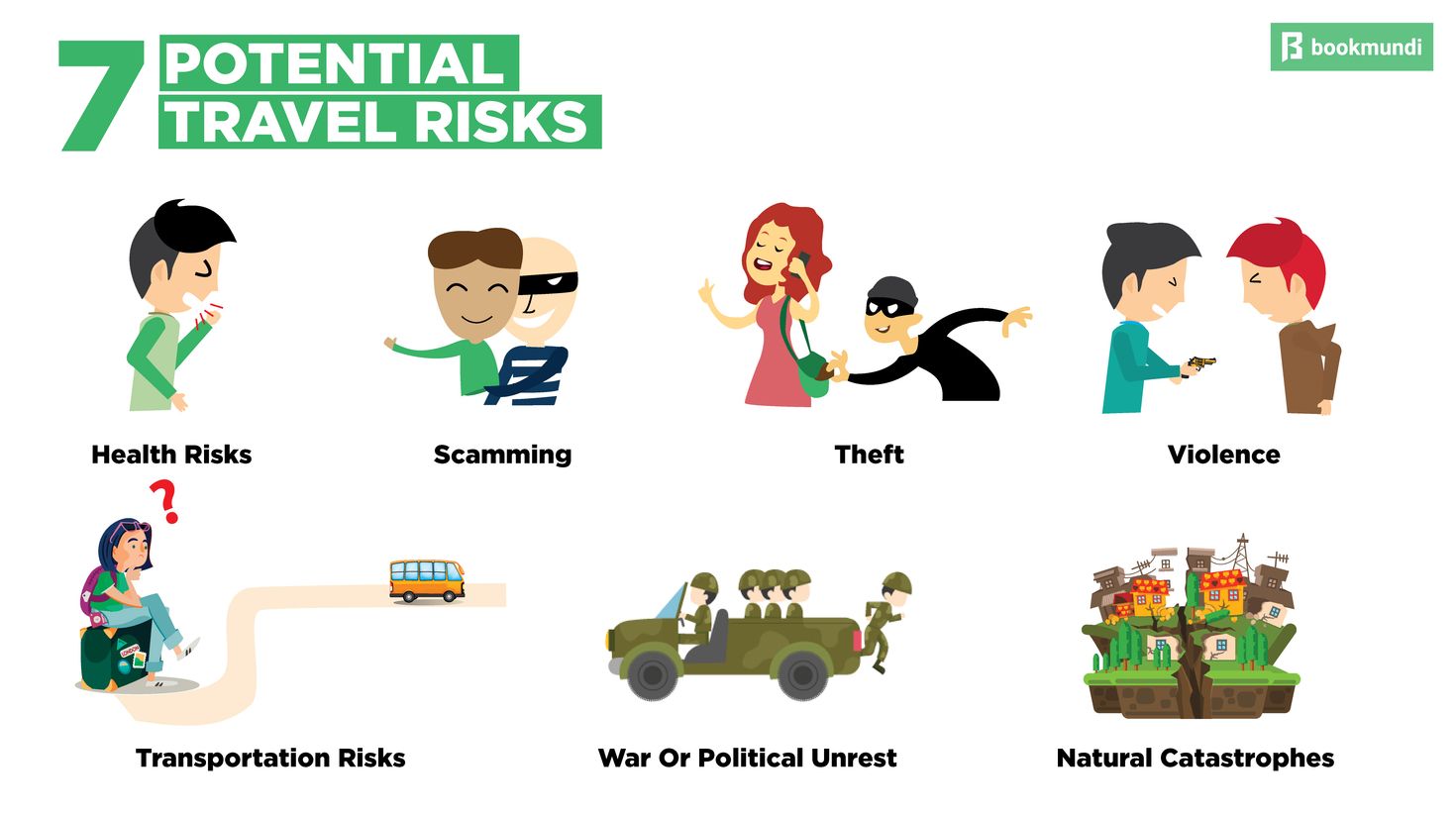
1. Health risks. Unwanted health issues are a top concern, especially if you are traveling to a country where diet and hygiene is vastly different to what you are used to. Conditions like stomach flu, vomiting and diarrhea can quickly ruin a trip. In lieu of COVID-19, it is a genuine travel risk that you don't want to ignore. Stay up to date with latest news regarding the pandemic in the country you are planning to travel to.
2. Scamming. Travelers run the risk of becoming potential targets for scammers, especially if you don’t speak the language or are unfamiliar with the culture.
3. Theft. Nothing will spoil your globe-trotting shenanigans like getting your passport, money or other valuables stolen.
4. Violence. Travelers may find themselves getting caught in a violent crime, particularly if you are unaware of the locations that you are venturing into.
You can share this image on your site via this link
Share this image on your site
5. Transportation risks. Transportation problems can be another issue, especially if you are traveling to a country that is notorious for transport accidents, has complicated (or nonexistent) public transport schedules or is known for its traffic congestion.
6. Natural catastrophes. Depending on where you are traveling, disasters such as earthquakes, typhoons, hurricanes and other unforeseen natural disasters could arise.
7. War or political unrest. Although much less common than other risks, depending on the country or region you are traveling to, political risks could pose a problem.
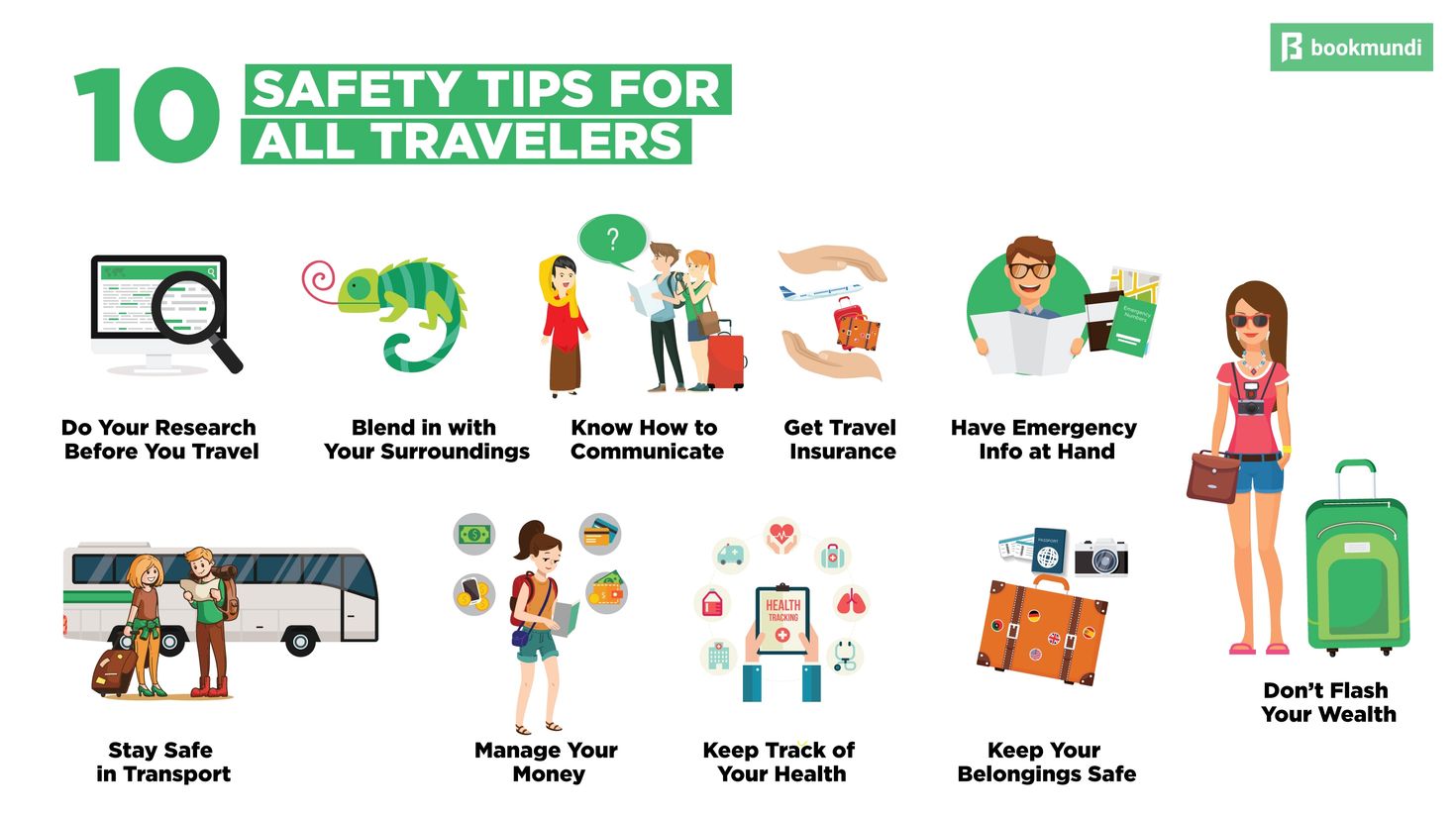
1. Do your research before you travel. First rule of safe travel — don’t be ignorant about where you are going. Make an effort to learn about the country, the political situation, the cultural norms, the safest spots for travelers, safe accommodations to stay and the areas or regions that are best avoided. Head off on your trip with your eyes wide open to avoid surprises.
2. Blend in with your surroundings. Once you’ve done your research, you can start your visit to a new destination as if you were one of the locals. This is not only sound exploration advice, but a good safety tip as well. You’ll make yourself more vulnerable to con artists if you stick out like a sore thumb with your massive backpack, two cameras and confused look on your face. and you will draw much less attention if you make an effort to blend in. You also don’t want to disrespect or offend with improper dress or manners. If you’re visiting places of worship, make sure to dress modestly in order to prevent upsetting the locals.
3. Don’t flash your wealth. Whether this is with cash or expensive gear, showing wealth will only make you more appealing to scammers and pickpockets. Carry a dummy wallet with little cash in it so that you can give this in case you are mugged.
4. Stay safe in transport. Avoid air travel mishaps by frequently checking whether your flight has been rescheduled or cancelled. When using bus services, make sure to go with trusted companies that are have many reviews online. Moreover, try booking your tickets in advance whenever possible, so you don’t end up stranded on remote bus stops with no transport in sight. If you are hiring local taxis, agree upon the fare in advance in case the vehicle doesn’t have a meter. Also, carry a map with you to avoid getting lost.
5. Keep your belongings safe. Avoid carrying too many luggage pieces and invest in a small sturdy lock for your luggage. Try to choose one that doesn’t stand out, so it doesn’t appear as if you have something really valuable inside. If you have a hand-carry with you, never leave it unattended. Buy wallets that have RFID protection to avoid identity theft. If you're staying at a hotel, choose ones that have safety lockers in their rooms.
You can share this image on your site via this link
Share this image on your site
6. Get travel insurance. Regardless of whether you are a natural worrier or not, don’t hesitate to take out travel insurance. Not only will insurance cover any unexpected injuries and trips to the hospital, it can also protect you from theft or loss of personal belongings.
7. Have emergency info at hand. This should entail contact numbers for the local emergency services (police, fire department and ambulance) and for your country’s embassy (if there is one in the place you’re visiting).
8. Manage your money. If you plan on using your debit and credit cards, make sure to notify your bank in advance that you’ll be abroad, or you may find your card blocked for suspicious activity. Research beforehand where are the best spots to exchange your money into local currency as ATMs might be scarce in certain places. When out and about, always carry a small amount of cash with you.
9. Keep track of your health. Make sure to have a supply of any over-the-counter essentials like motion sickness pills, probiotics, pain killers and bug repellants. Consult your doctor and get the proper vaccines before traveling. Ensure that any prescription pills are filled for some days extra than the intended length of your travel. If you choose to hike or walk long distances, make sure to carry energy bars and light snacks to maintain energy, along with water to prevent dehydration.
10. Know how to communicate. Learn the basic emergency phrases like “I need help”, “Where is the nearest hospital/police station/embassy?” etc. in the local language.
Solo Travel Safety Tips
Traveling solo is often described as a spiritual experience and is an amazing way to learn more about your world and yourself. Yet traveling alone can also bring about all kinds of travel anxieties when on the road. Here are some top solo travel safety tips to keep unwanted mishaps at bay.
If you don’t feel safe wandering around a foreign city on your own (especially those that have bad reputation for crime), look into joining a group tour for more comfort and protection.
Get acquainted with the map of the place you’re visiting, so you know your bearings at any given time.
Keep all important emergency numbers saved on your phone. Better yet, memorise them or keep them written on a paper in your pocket.
Getting to know other people while traveling is fun, but practice caution with strangers.
Invest in a travel lock for your luggage to keep your valuables safe while you’re out exploring.
Inform your friends or family (or someone) about your itinerary plans and check in frequently.
Safety tips for women travelers
Traveling as a woman, especially alone, comes with its own unique set of challenges. To avoid getting yourself into any uncomfortable situations, stick to these useful safety tips.
Don’t hesitate to say “no” to invitations from locals if you don’t feel comfortable.
Follow culture-specific dress codes, especially when traveling to countries that prescribe conservative attire for women.
Avoid giving out your contact details and accommodation information to strangers.
Don’t hesitate to lie about being married or say that you’re not traveling alone.
While traveling in a transport, sit beside other female travelers if you are traveling alone.
Look for accommodation with women-only rooms and dorms.
Carry a small pouch to store some extra cash and pin it on the inside of your bra.
Be aware that many destinations are not sensitive to feminine hygiene needs. Be prepared for unclean toilets/restrooms (or none at all, depending on where you go!) and pack extra hygiene products (such as tampons and pads).
Be mindful of going out alone, especially at night. If you are partying, drink responsibly and never leave your drink unattended.
Safety tips for traveling with children
There is nothing more enjoyable than exploring new places with your loved ones. However, traveling with your family members, especially if they are children, requires you to consider other kinds of eventualities. Here are a couple of tips for keeping your family travels safe and sound.
Before you go, make sure you and your children have all the necessary vaccines required for the destination you’re traveling to.
If your children are old enough, get them to learn important emergency contacts and information in case something happens to you or you can’t find each other.
Ensure your children are protected with adequate gear (hats, sunscreen, repellents, etc) when participating in outdoor activities. Bring a stock of gear from home.
Make sure the food your kids consume during your holidays is cooked, fresh and healthy to avoid stomach bugs. Bring snacks from home as children might be fussy eaters in a new place.
If you’re traveling with small children, pack diapers and other essentials like wet wipes that can last until you arrive at your destination. Research about your destination beforehand to check whether diapers are easily available.
Have your kids wear contact bracelets with your phone number and other important information in case you lose sight of them.
Bring a small stash of your usual child medicines (such as paracetamol and motion sickness remedies) from home. Do not assume you will find all that you need abroad. Also, always carry a first-aid kit.
Safety tips for backpackers and budget travelers
Experiencing the world on a budget might expose the true beauty of a diverse world for some travelers. However, seeing as your travels won’t be characterized with 5-star hotels and premium amenities, you might have to take safety matters into your own hands. Here’s how to do it the DIY way.
While searching for a wallet-friendly place to stay, pick places that are frequently visited. Trust your intuition and stay away from shady or too-quiet places.
When staying in hostels, always put your personal valuables in a locker.
For accommodations without lockers, use a cable lock to secure your backpack to an immovable object if you feel like going light.
Divide your cash and other valuables and store them between your pockets, bag and backpack; this way you won’t lose everything in case you get robbed.
Make sure to arrive at your hostel before dark. Don’t wander around potentially unsafe streets and neighborhoods for too long.
If you plan on partying, make sure to drink responsibly. Stay alert even after you have had a few so that you don’t find yourself in potentially uncomfortable or dangerous situations. Never leave your drink unattended.
Five smartphone apps for safe travel
Nowadays, traveling without smartphones and other electronic gadgets seems unimaginable, so why not use them to enhance your holiday experience? To help you, here is a curated list of the best apps geared towards health and safety when it comes to trotting the globe.
1. TripLingo
Use this app to quickly access all the important emergency contacts, medical phrases and many other safety features pertinent to the country you are visiting. It is a great tool to have when traveling to places where you don’t speak the language.
Cost: Free download and no additional costs
Available for: iOS and Android
2. Life360
If you are traveling with your family, it is important to always stay in touch in case you wander off in different directions. Life360 lets you set up a private network from which you can communicate with your loved ones and inform them about your location.
Cost: There are three packages: silver, gold, platinum, costing from USD 7.99 to 24.99 every month. 7-day free trial available. Free version is available too.
Available for: iOS and Android
3. SaferVPN
Free WiFi may sound great but not all open WiFi networks are secure to prevent online identity theft. SaferVPN is a nifty app that creates your own virtual private network (VPN) and connects you with a remote server with 256-bit encryption — keeping you safe from hackers. This app is especially helpful for business travelers or for those who constantly need to be online.
Cost: Free download. There are monthly and yearly plans. A 3-year plan costs USD 2.50 per month.
Available for: iOS and Android
4. Sitata
Stay updated around-the-clock about health and safety information for destinations across the world with this app. Sitata will inform you of potential tourist scams in the area you are visiting and also advise you on what to do in case there is an emergency at your destination.
Cost: Free download and no additional costs
Available for: iOS and Android
5. ICE Contact
This personal safety app, which can come in handy for solo travelers, lets you create a list of emergency contacts. You can record instant and delayed messages that will be delivered to your contacts in case you need help or simply want to check in with them. The messages will also include your GPS location, so you contacts can always be aware of your whereabouts.
Cost: Free download and no additional costs
Available for: iOS and Android
Final Checklist for Traveling Safely
Before traveling, it is always good to make that last check before you head through the door. Here’s a quick list to help you dot the i’s and cross the t’s.
Travel essentials such as passport, visas, travel insurance documents, money, credit cards and tickets. Make sure to take some extra passport size photos with you.
Copies of all important documents, kept in a different spot than the actual documents.
Travel itinerary and maps or guide books of all the places you will be visiting.
A list of all the pertinent contact information, including emergency services, embassies and consulates.
Accommodation information and reservations.
Comfortable clothes that are weather and culture appropriate.
Painkillers, sunscreen, probiotics, insect repellant and other medical must-haves, including any prescription medicines.
Tech essentials such as a phone, charger, adapter, headphones etc.
Hand-sanitizer, wipes, diapers or other hygiene essentials.
Female hygiene products if needed.
Make sure all of these are safely packed in your suitcases and backpacks, and you can rest assured your travels will be made easier and more enjoyable.
Regardless of whether you’re traveling on your own, among friends, with your partner or children, these top travel safety tips will help give you peace of mind and allow you to fully surrender yourself to the joy and excitement of traveling. Now, hit the road! Lastly, while wanting to be safe while you are traveling, you will likely also want to safeguard your own home while traveling. In this regard, Vivint Home Security provides some good advice.
A strict screening process ensures that we only offer high quality, vetted tours and trip packages globally. The result? 4.8 of 5 stars out of more than 25,000 trip ratings.
Best Prices
In most cases, we offer THE best prices. And, you get a Best Price Guarantee for all tours, as long as you redeem it within 24 hours of purchase. Read why
Sustainable Tours
All tours booked through Bookmundi are 100% carbon offset. Every quarter, we invest in carbon reduction projects around the world—at no extra cost to you. Read how

Customers Love Us
We've earned 920+ reviews across two trusted review platforms, with an average rating of 4.7 out of 5 stars.