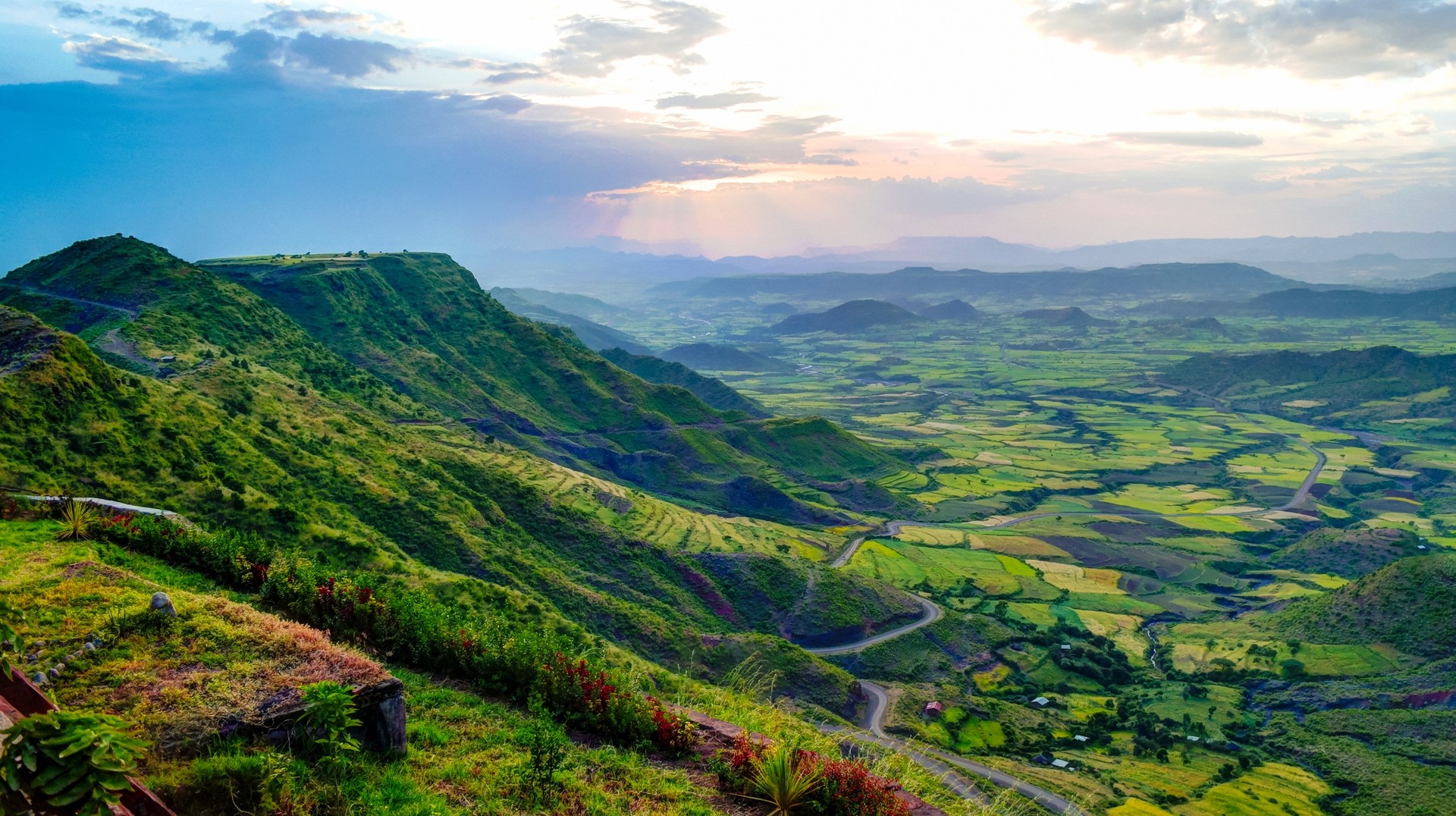
Best Time to Visit Ethiopia
- JanAvg Daily: 22Avg Nightly: 11
- FebAvg Daily: 24Avg Nightly: 12
- MarAvg Daily: 23Avg Nightly: 14
- AprAvg Daily: 24Avg Nightly: 15
- MayAvg Daily: 23Avg Nightly: 15
- JunAvg Daily: 21Avg Nightly: 14
- JulAvg Daily: 20Avg Nightly: 13
- AugAvg Daily: 20Avg Nightly: 13
- SepAvg Daily: 21Avg Nightly: 13
- OctAvg Daily: 22Avg Nightly: 12
- NovAvg Daily: 21Avg Nightly: 12
- DecAvg Daily: 21Avg Nightly: 11
Overview
When is the best time to visit Ethiopia: Quick Facts
When to visit Ethiopia: Seasonal Overview
For an enriching experience, explore our recommendations for the best time of the year to go to Ethiopia, ensuring you make the most of its diverse landscapes, historic sites, and vibrant culture under the most favorable conditions throughout the year.
1. Summer in Ethiopia — January to March
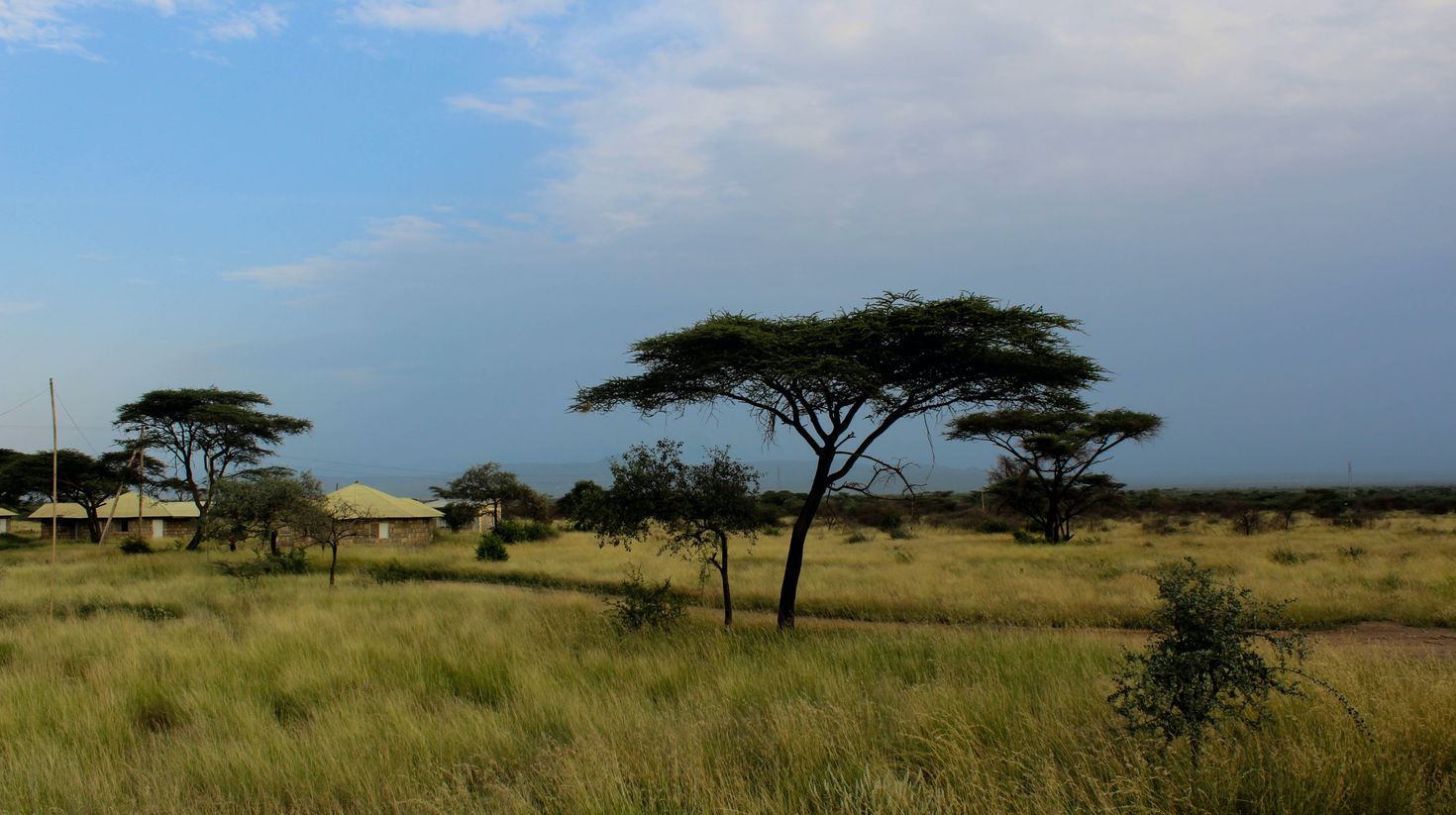
This is one of the best months to visit Ethiopia, as you will be able to enjoy the historical monuments and nature parks without having to deal with crowds. These are the warmest months, even though there is low rainfall in certain parts of the country, including Addis Ababa. Other than hiking at the Simien or Bale mountains, you can do everything else during this period.
- Avg. Temperature: 52 – 75° F / 11 – 24° C (in Addis Ababa)
- Rainfall: 20 – 80 mm
- Season: Summer
- Highlights: You can explore all of the countries in peace, as this is the best season to visit Ethiopia. The historical castles of Gondar, churches at Lalibela, Aksum, etc. will be open for unobstructed viewing. This is a good season for those who want to visit the Ethiopian highlands for spotting wildlife such as ibex, wolves, and several other large mammals (you should keep in mind that the nights might get rather cold - so pack your warm clothes). Ethiopia’s biggest celebration, Timkat, takes place in mid-January and is an event you should definitely not miss.
2. Monsoon in Ethiopia — April to September
This is the peak rain season, also known as kiremt season within the country. This is not a great time to visit the Simien or Bale mountains, as the rains might make them impossible to pass. The Omo and Mago valley national parks experience monsoon earlier in this season, so you will be able to visit them after July. The climate in the lowlands, including Addis Ababa, can be rather sticky and hot, so they are better avoided during this season.
- Avg. Temperature: 55 – 73° F / 13 – 23° C (in Addis Ababa)
- Rainfall: 56 – 269 mm
- Season: Monsoon
- Highlights: This is the low season, with weather in Ethiopia being rather wet and humid. If you’re looking to explore the country on a budget, now is a good time. Keep in mind that the mountain regions will be inaccessible for the most part of the season, while the national parks can be visited during the latter half. This might not be the best time to visit the heritage sites either, as the roads leading there could be blocked, and visiting these sites itself made difficult due to the rains.
3. Spring in Ethiopia — October to December
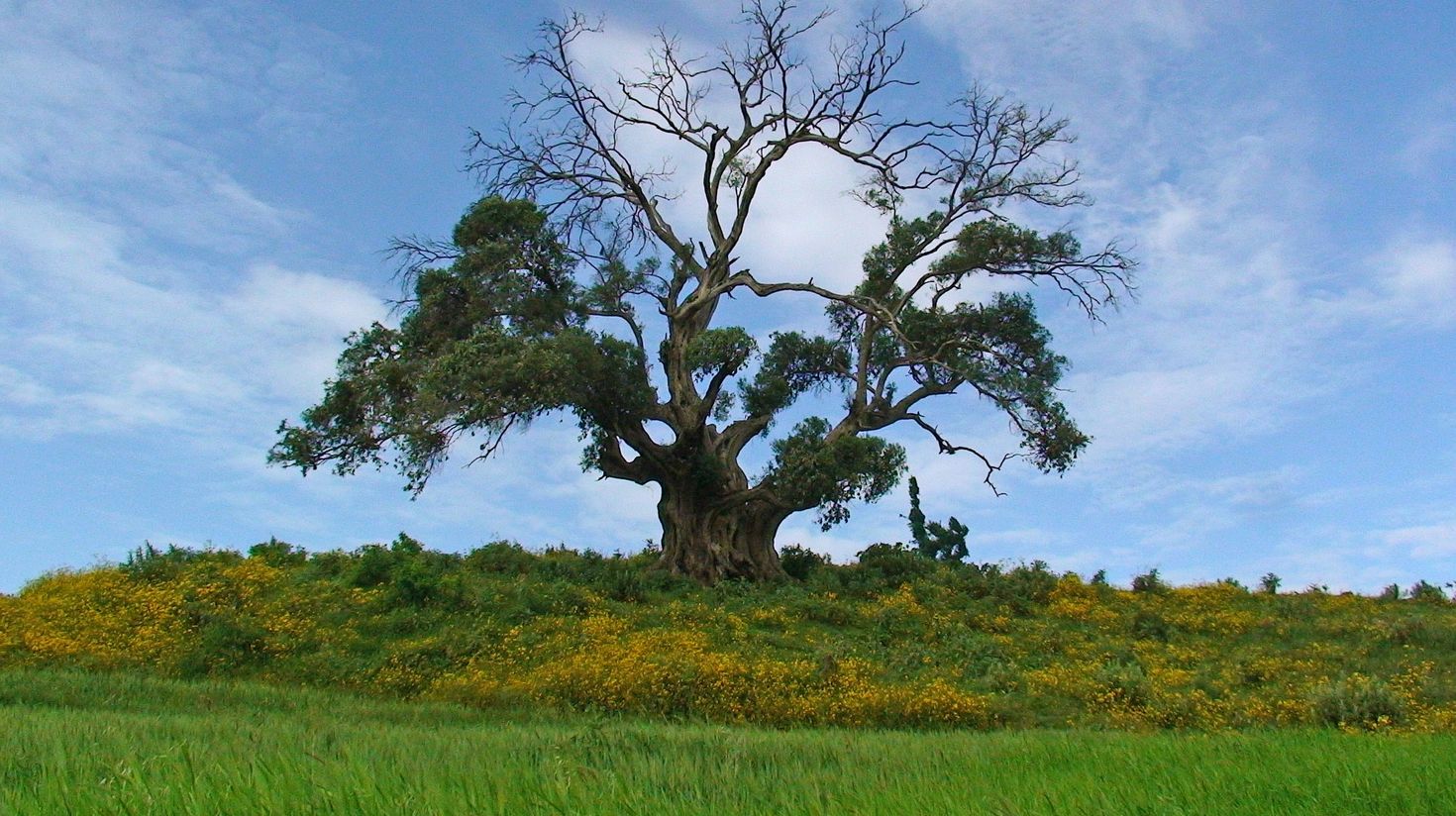
This is the shoulder season. The weather in Ethiopia is rather pleasant owing to the rains, making it one of the best time to travel to Ethiopia. The highlands and the Simian Mountains are exceptionally beautiful. Expect little to no rain all across the country, and clear blue skies all around. This is the peak tourist season, so make sure you get your tickets and accommodation booked in advance.
- Avg. Temperature: 52 – 72° F / 11 – 22° C (in Addis Ababa)
- Rainfall: 9 – 40 mm
- Season: Spring
- Highlights: This is the best time for you to explore the natural beauty of Ethiopia. The rains bring out the lush greenery of the entire country. This is the best time to hike the Simien Mountains as the trails will be clear. There is little to no rain in the South Omo valley, so better add that to the itinerary as well. If you wish to be adventurous, you can also visit the underrated volcanic lands in the Great Rift Valley! It will surely be an experience of a lifetime.
See also:
Weather in Ethiopia: Rainfall and Temperatures
Written by

Continue reading Related Guides














Why Book with Bookmundi?
A strict screening process ensures that we only offer high quality, vetted tours and trip packages globally. The result? 4.8 of 5 stars out of more than 25,000 trip ratings.
In most cases, we offer THE best prices. And, you get a Best Price Guarantee for all tours, as long as you redeem it within 24 hours of purchase.
Read why
All tours booked through Bookmundi are 100% carbon offset. Every quarter, we invest in carbon reduction projects around the world—at no extra cost to you.
Read how
 4.7(849 reviews)
 Trustpilot4.8(148 reviews)