Best Time To Visit India
- JanAvg Daily: 18Avg Nightly: 7
- FebAvg Daily: 23Avg Nightly: 11
- MarAvg Daily: 18Avg Nightly: 15
- AprAvg Daily: 36Avg Nightly: 22
- MayAvg Daily: 39Avg Nightly: 26
- JunAvg Daily: 37Avg Nightly: 27
- JulAvg Daily: 34Avg Nightly: 27
- AugAvg Daily: 33Avg Nightly: 26
- SepAvg Daily: 33Avg Nightly: 24
- OctAvg Daily: 31Avg Nightly: 19
- NovAvg Daily: 27Avg Nightly: 13
- DecAvg Daily: 21Avg Nightly: 8
Overview
When is the best time to visit India: Quick Facts
See also:
When to visit India: Seasonal Overview
For the most enriching experience, check out our recommendations for the best time of year to go to India, ensuring you enjoy its diverse landscapes, vibrant festivals, and cultural treasures under the most favorable conditions throughout the year.
1. Winter in India – October to March
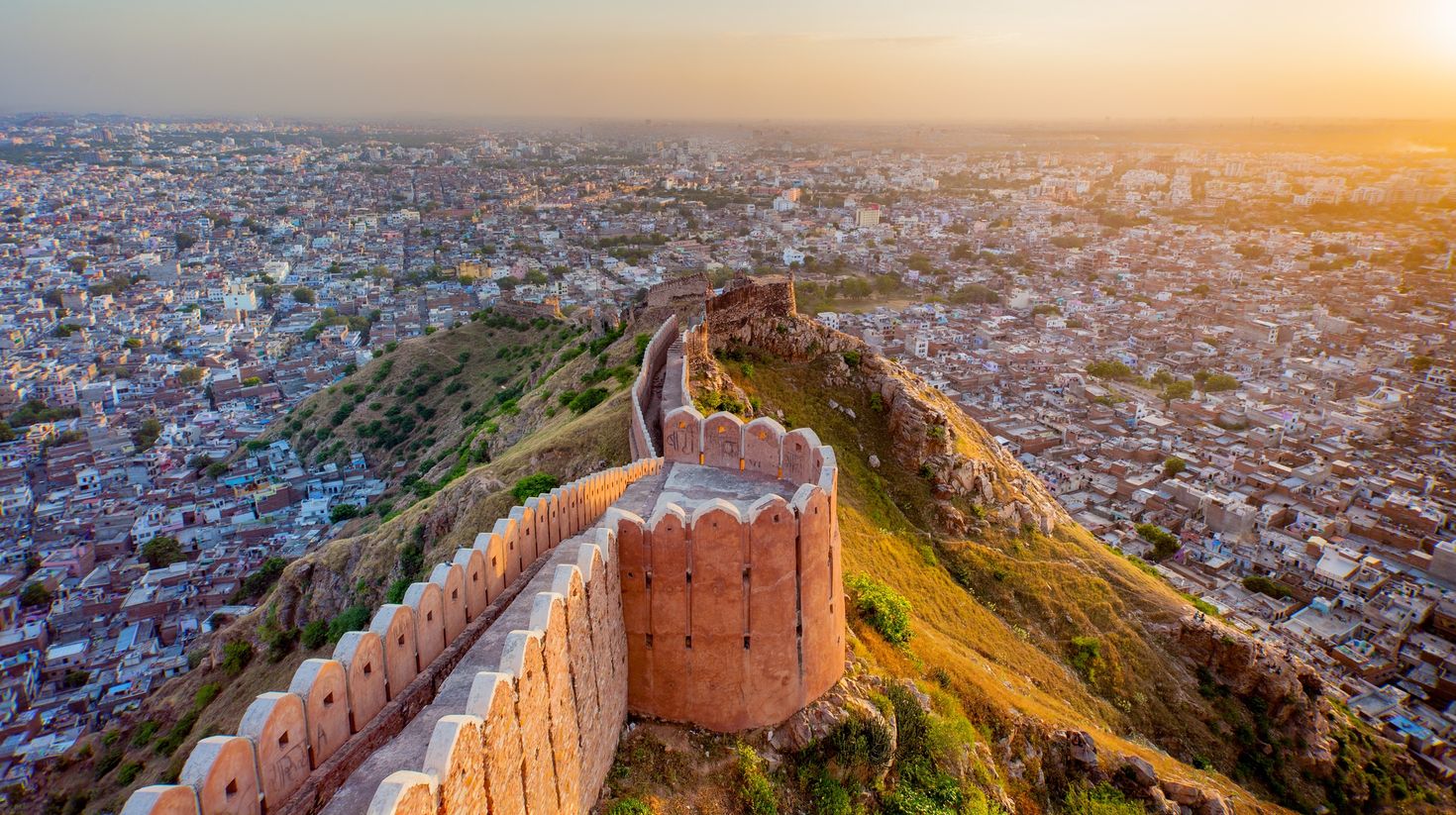
The best months to visit India in the northern part is between October - November, and February - March. These are winter periods and weather in North India will be most pleasant. The weather will be quite cool and might dip down to 55 degrees Fahrenheit, but the day temperatures will be higher. Since this is not the peak season, you will not have to worry about high temperatures or prices! A lot of India's major festivals happen during these months, so you will be able to enjoy the cultural offerings of the country as well.
- Avg. Temperature: 79 - 100° F / 26 - 38° C (in New Delhi) ; 83 - 96° F / 28 - 36° C (in Varanasi)
- Rainfall: 0 mm - 20 mm (in New Delhi) ; 0 mm - 23 mm (in Varanasi)
- Season: Winter
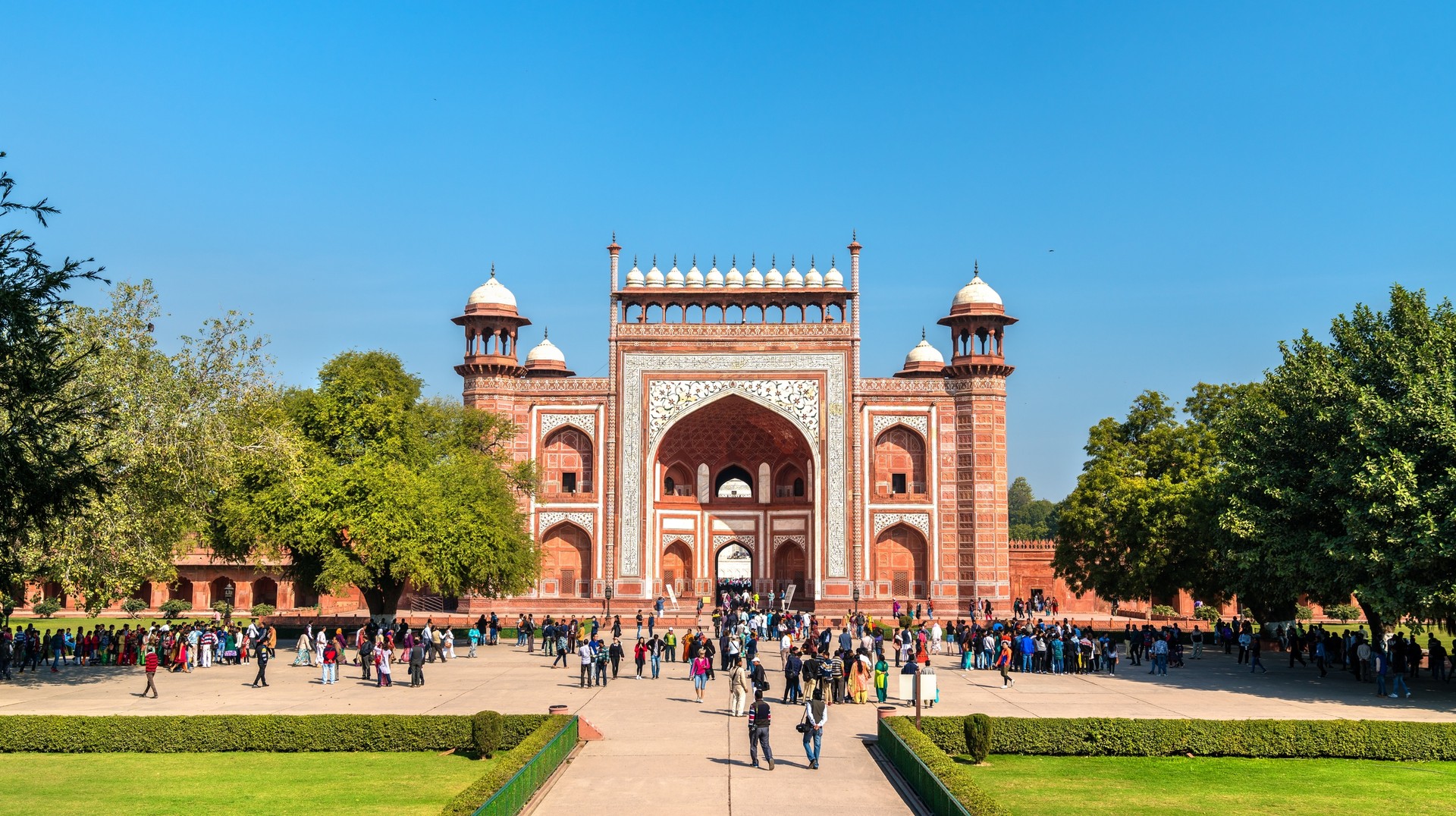
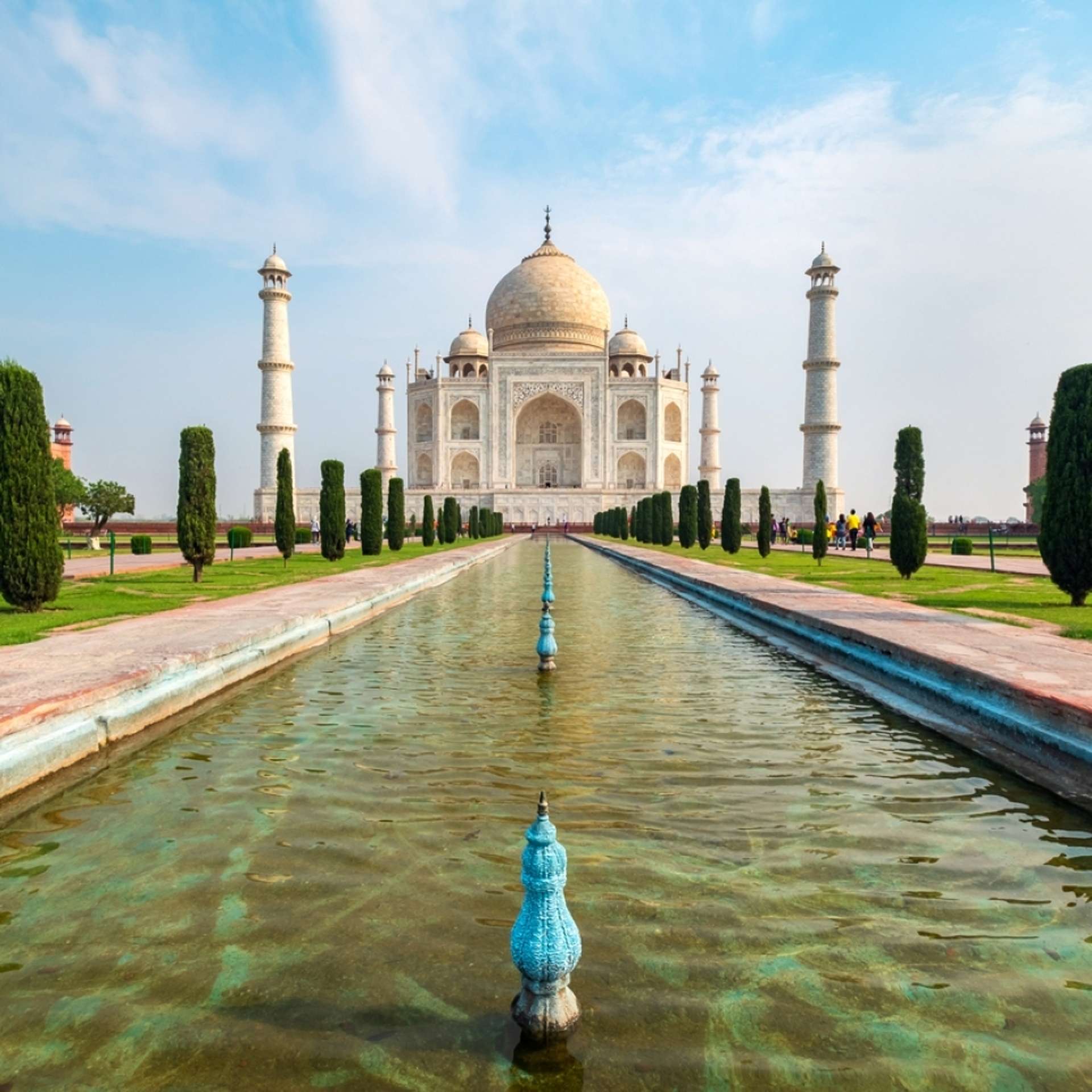
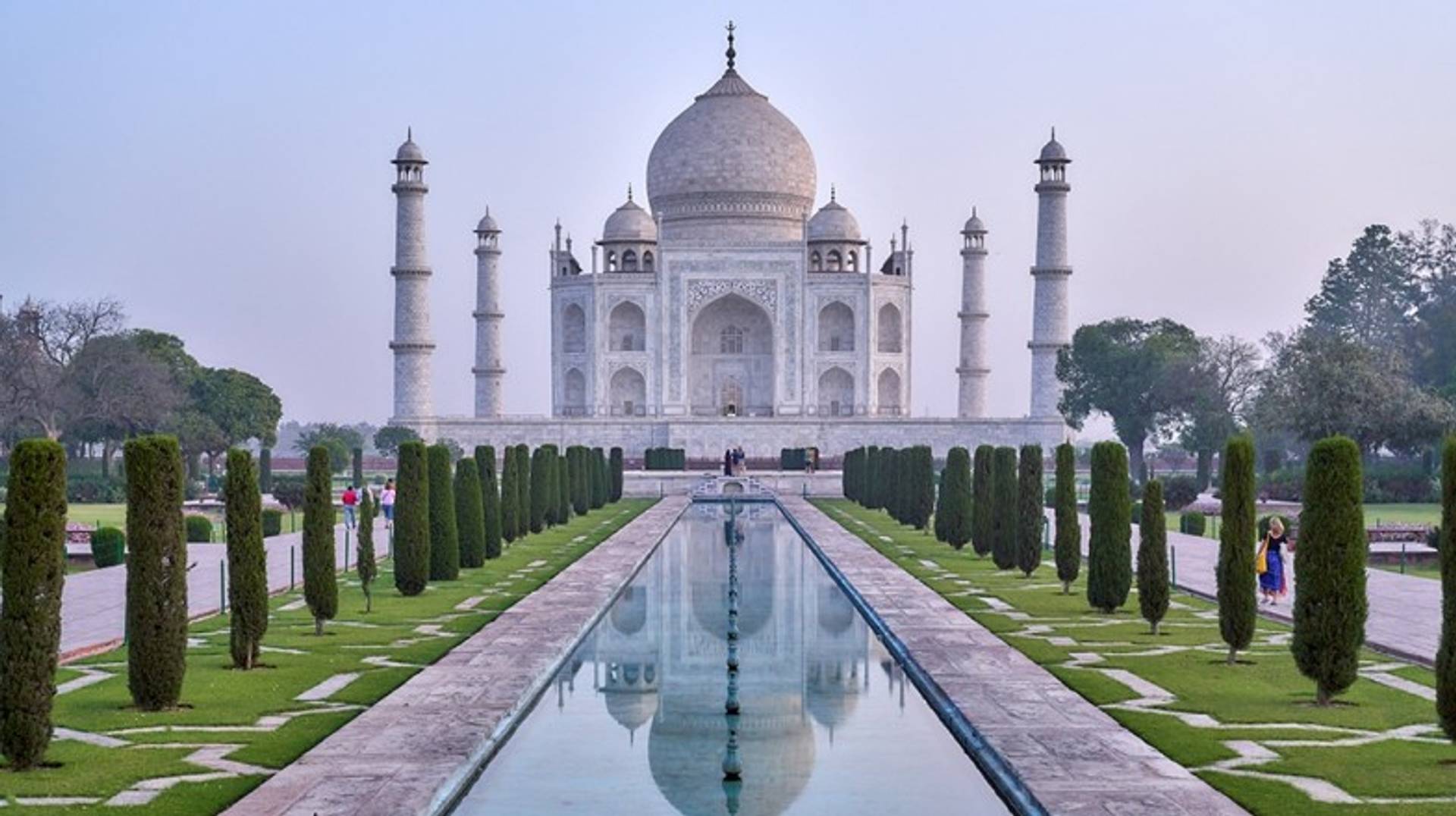
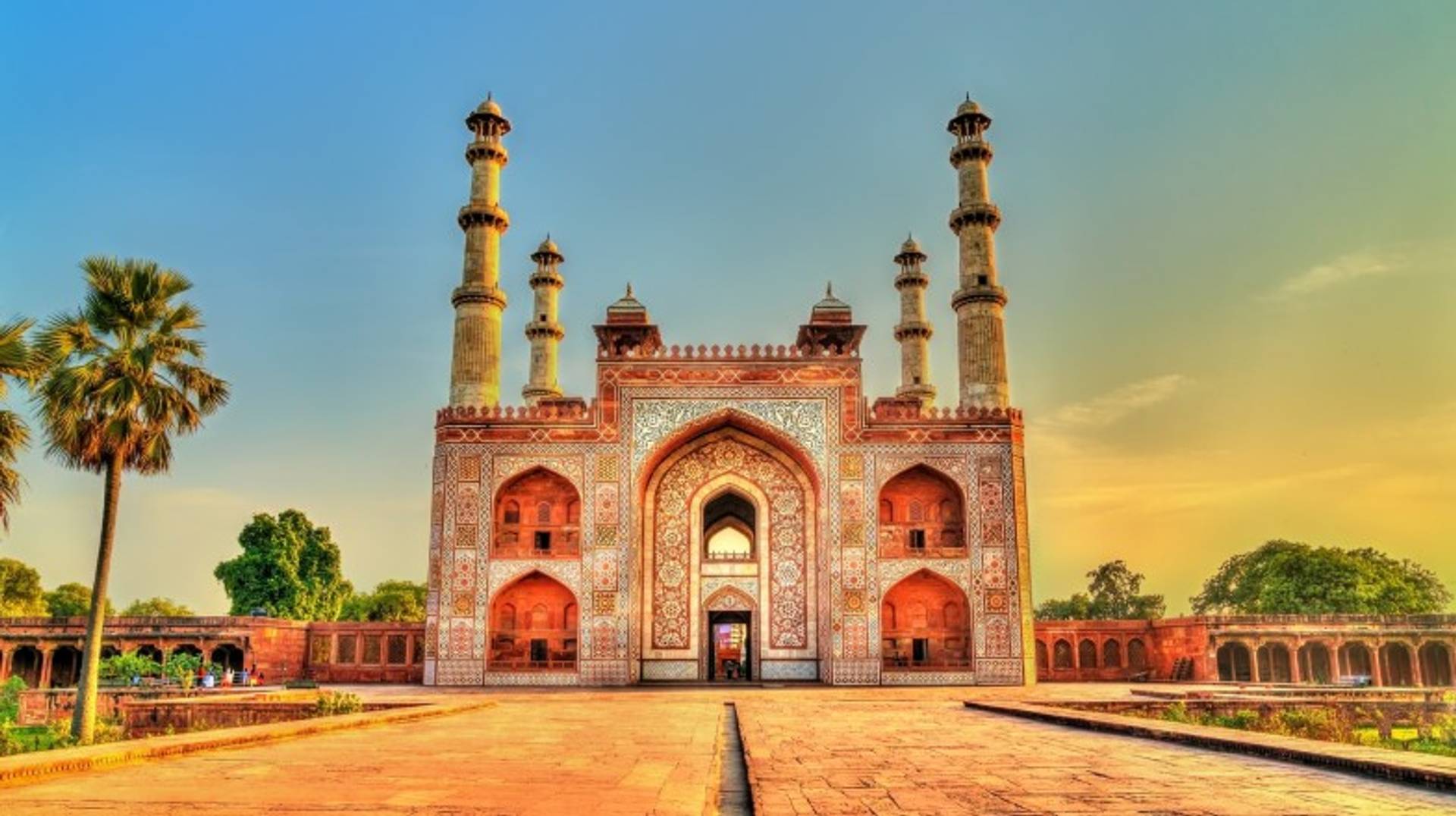
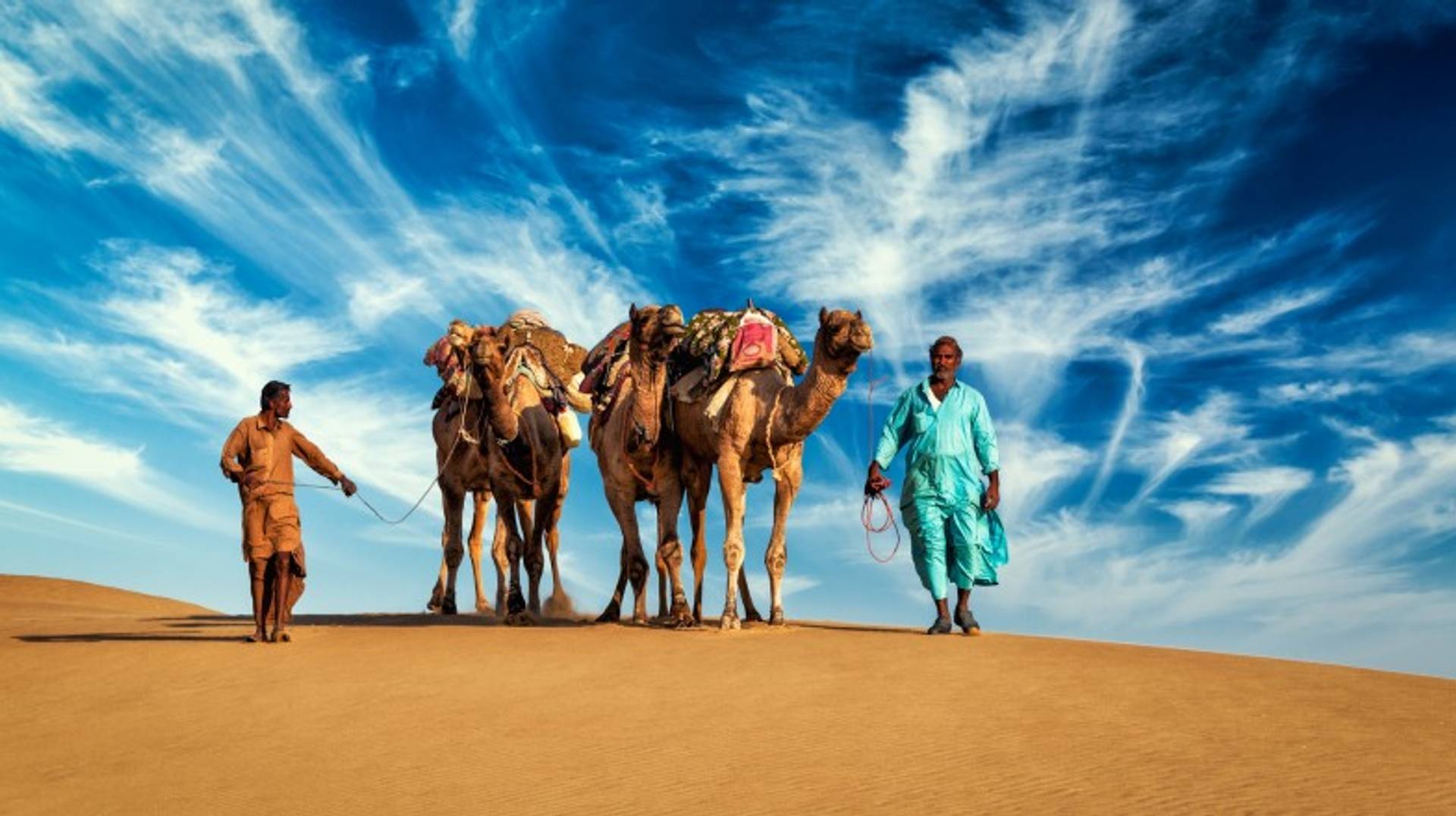
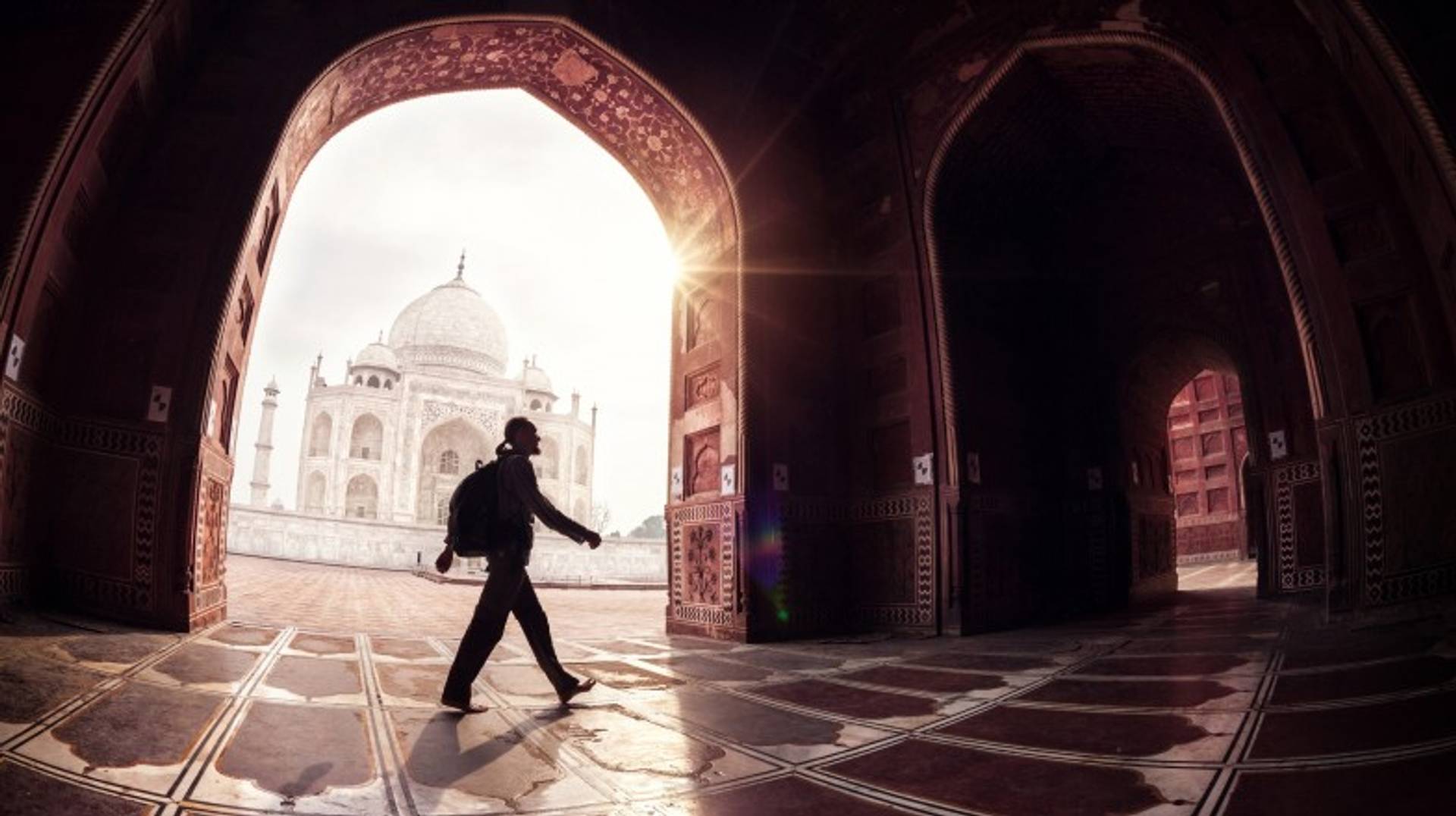
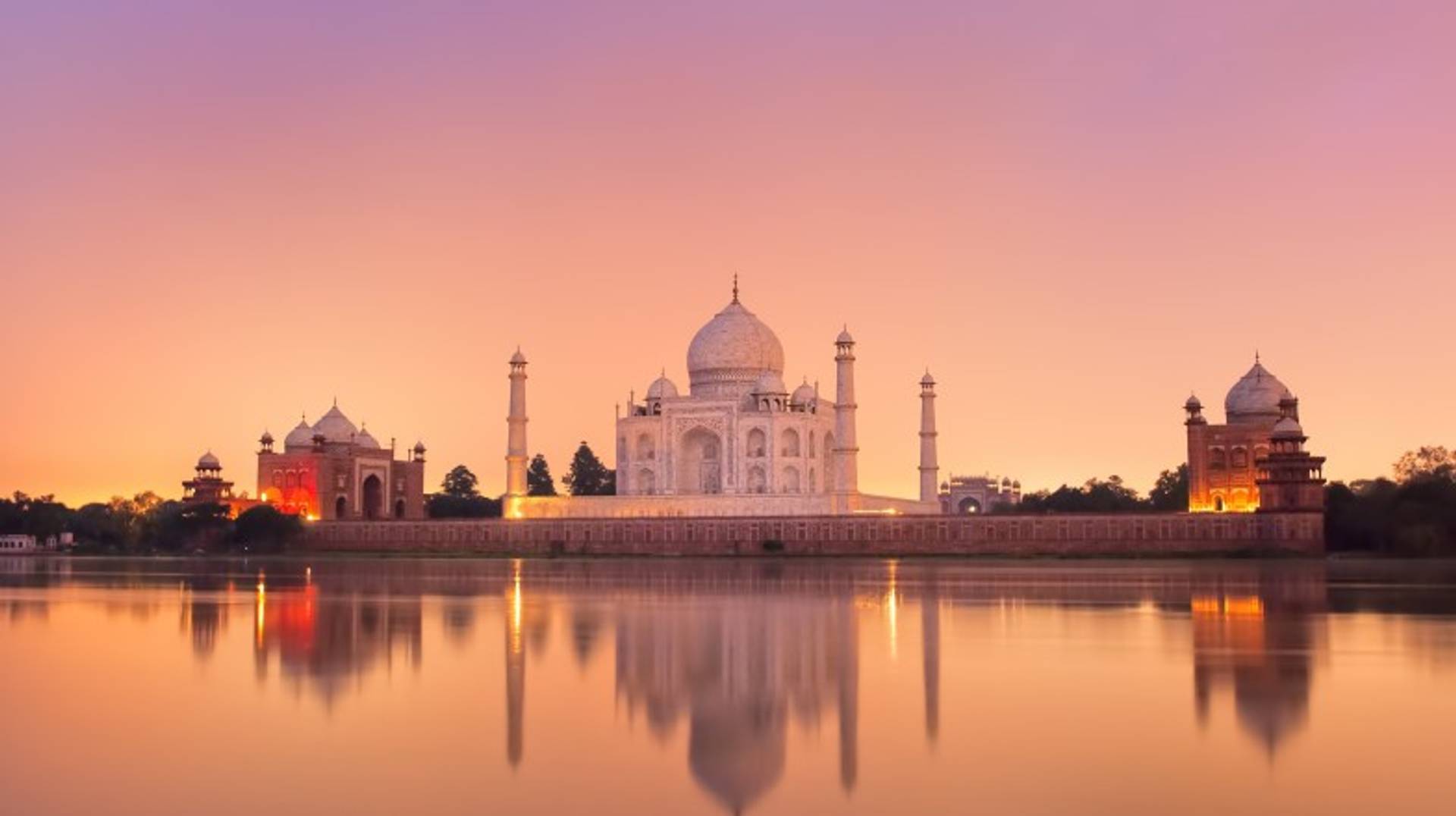
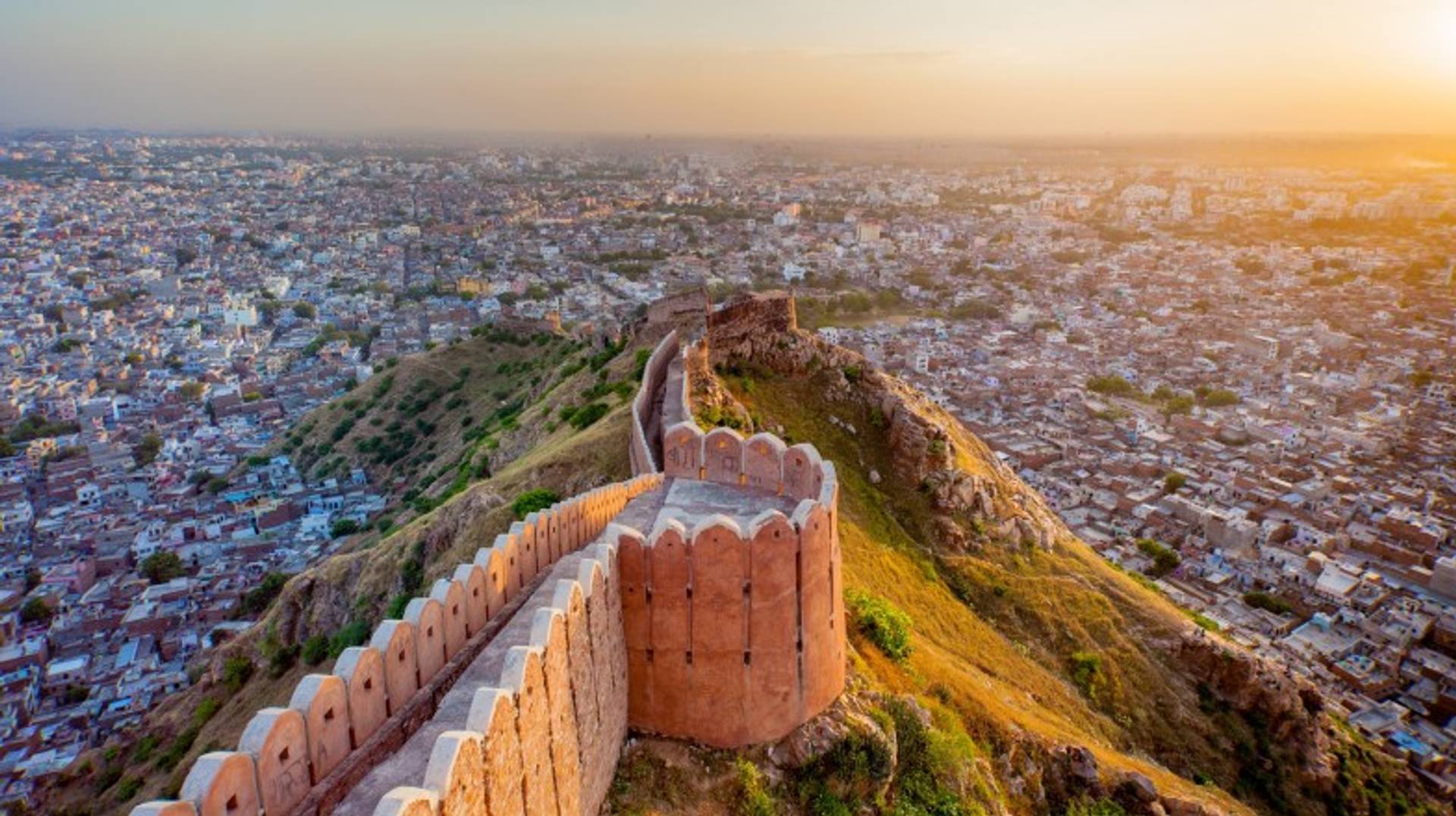
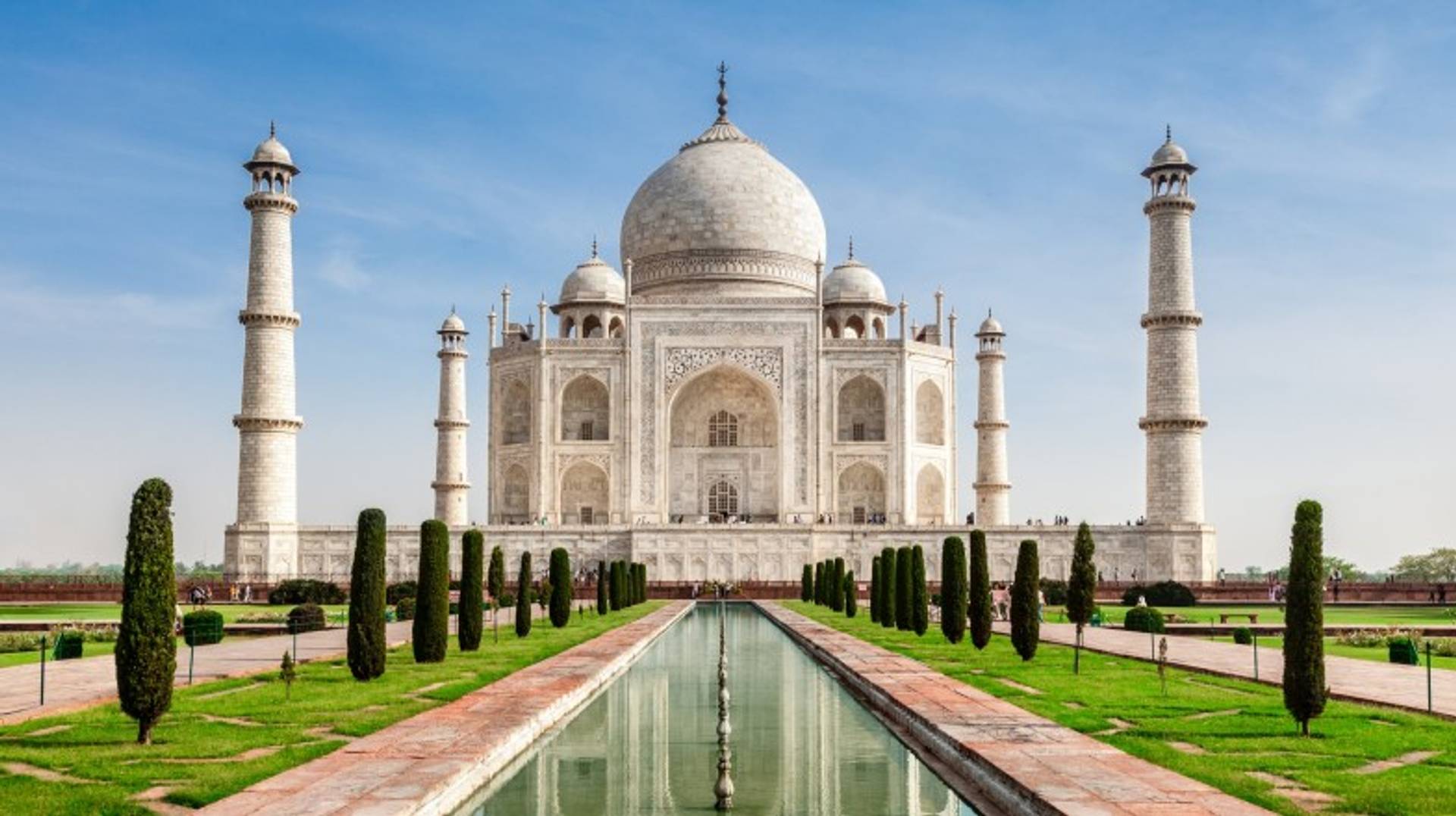
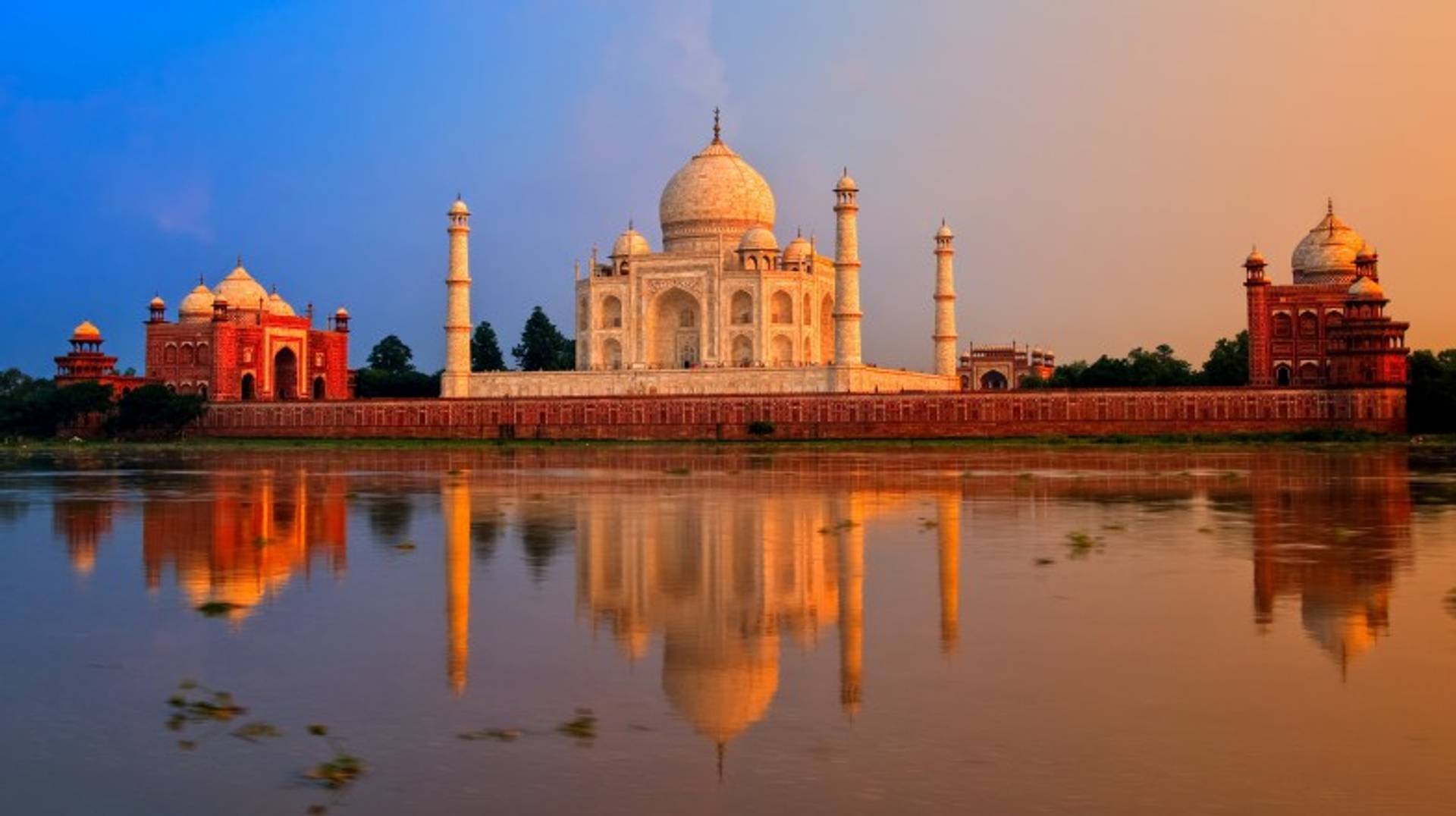
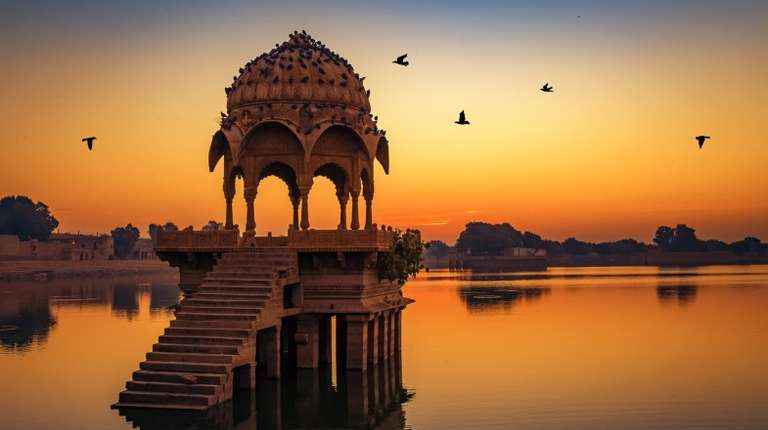
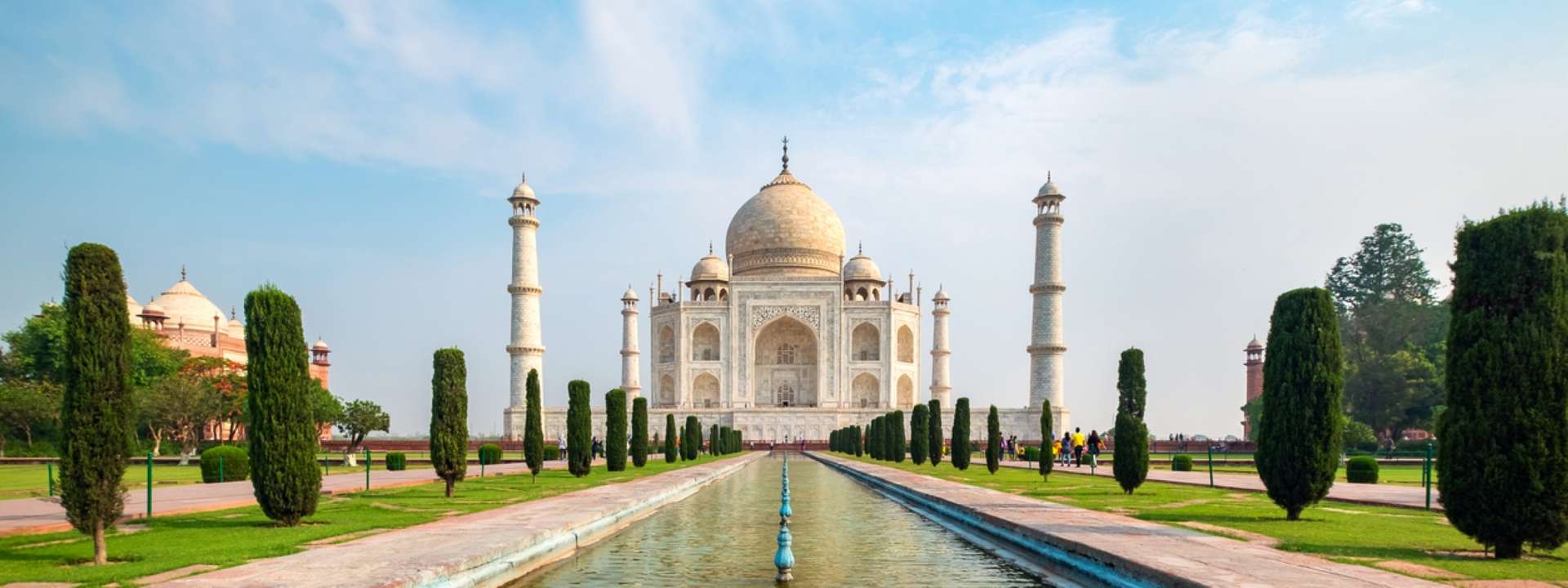
- Highlights: This is the best time for you to visit the Golden Triangle - which includes Delhi, Agra, and Jaipur, and also cities like Varanasi and Khajuraho. You will be able to view the beautiful historical monuments (the splendid Taj Mahal) while enjoying the best possible weather. October - November would be a good time to explore the desert cities of Rajasthan such as Jodhpur and Jaisalmer as the desert heat will be greatly reduced, and the night winds will not be too cold. This is also the season of festivals in India and the northern part will celebrate Diwali (usually occurs in October-November) with a lot of pomp and splendour. Dusshera, a ten-day long festival, is celebrated with grandeur in Delhi. If you're looking for something unique, plan a trip to the Bikaner Camel Festival in January! March also sees the celebration of the colourful festival of Holi - which you should definitely not miss!
2. Summer in India – April to June
April - June is the peak summer season in north India, making it one of the best time to travel to India. The weather tends to spike up to over 100 degrees Fahrenheit. Throughout the northern states, there will be a hot sand-storm named Loo, which can disrupt your travel times. Most educational institutions are closed for summer, creating more domestic tourists. The popular tourist destinations and urban centres in each state will become crowded during this period. If you're traveling during this period, expect higher prices, and book your accommodation and travel tickets months in advance.
- Avg. Temperature: 106 - 113° F / 41 - 45° C (in New Delhi) ; 109 - 112° F / 43 - 44° C (in Vanarasi)
- Rainfall: 0.3 mm - 75 mm (in New Delhi) ; 0 mm - 46 mm (in Varanasi)
- Season: Summer
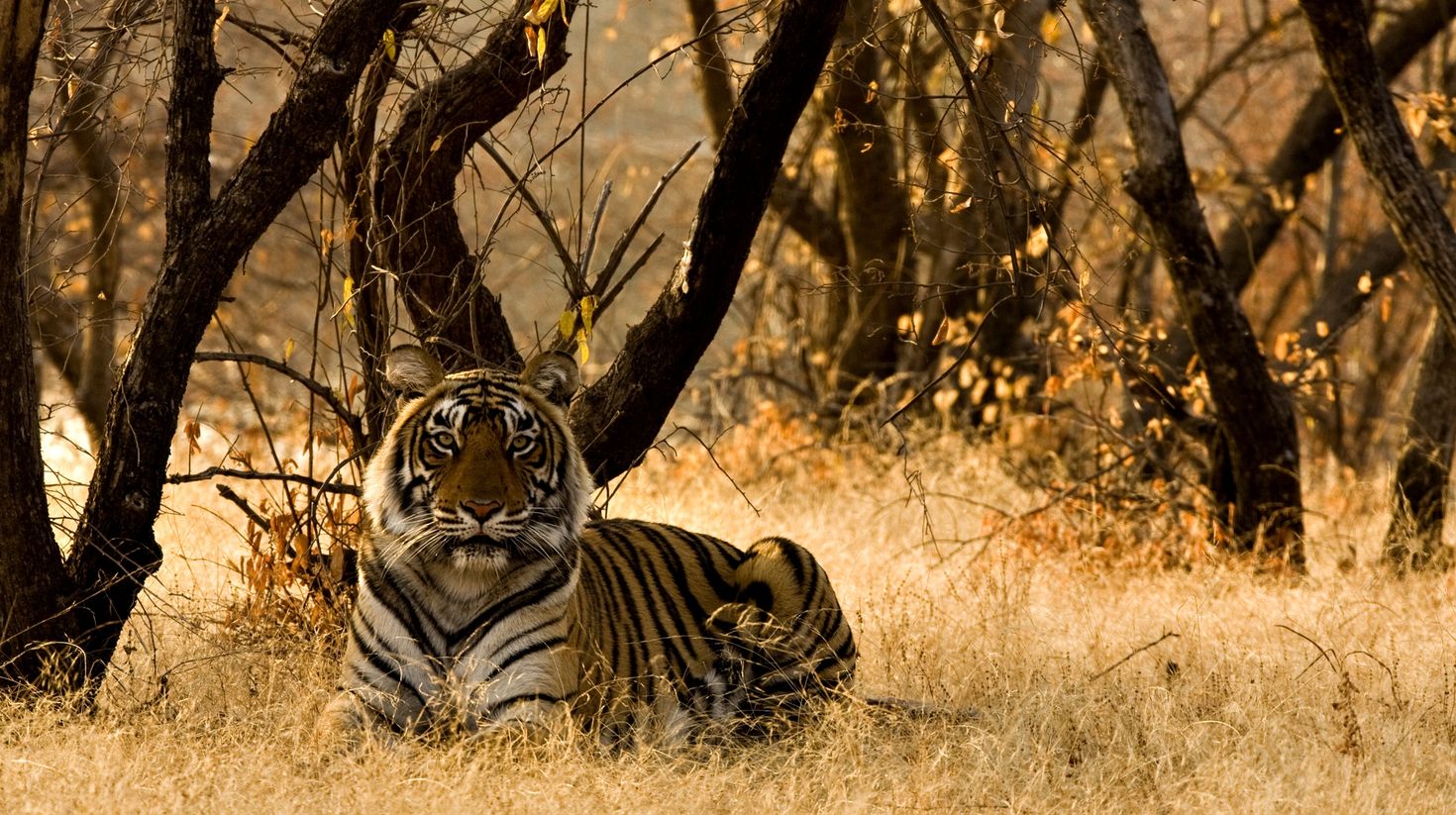
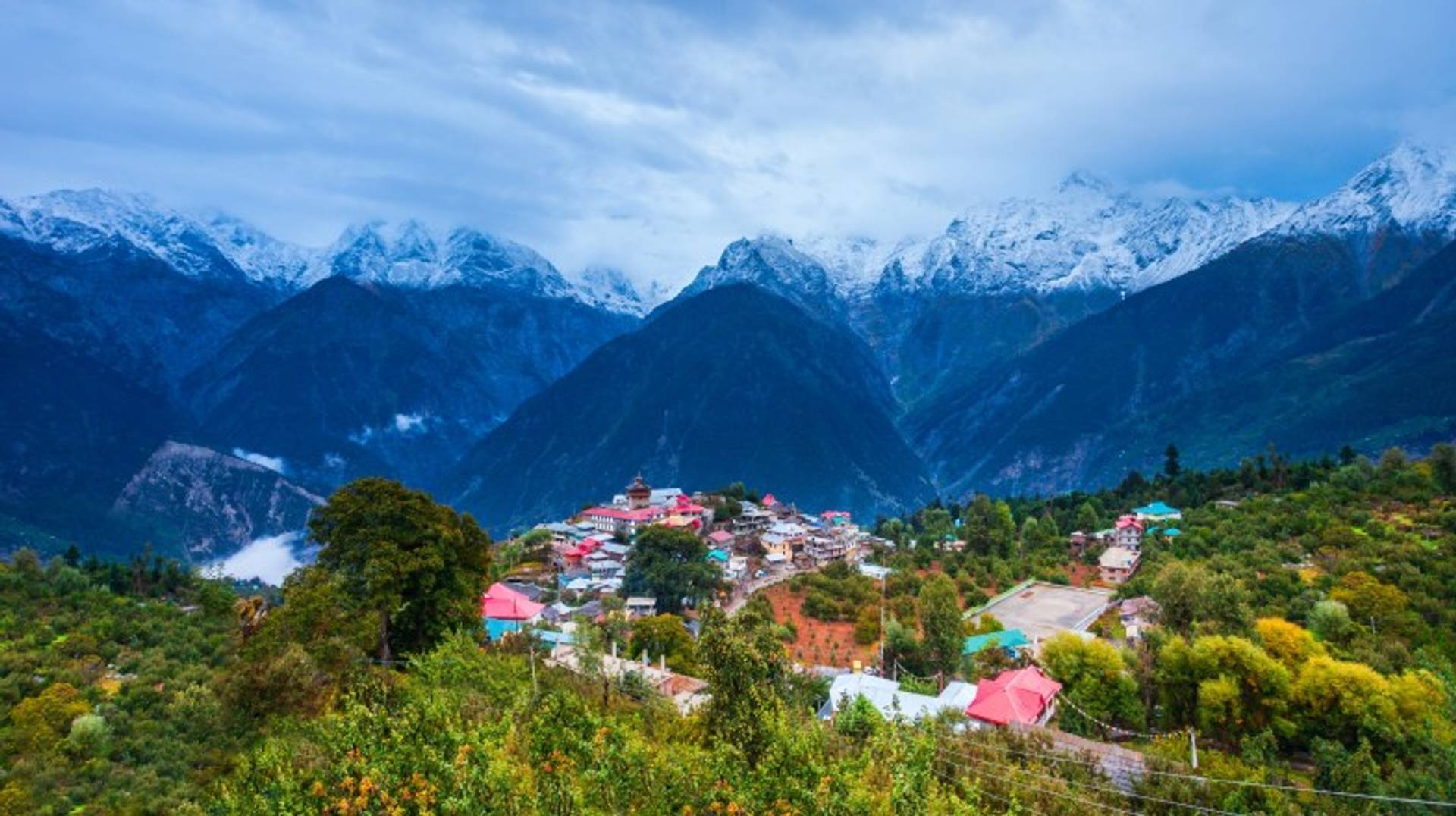
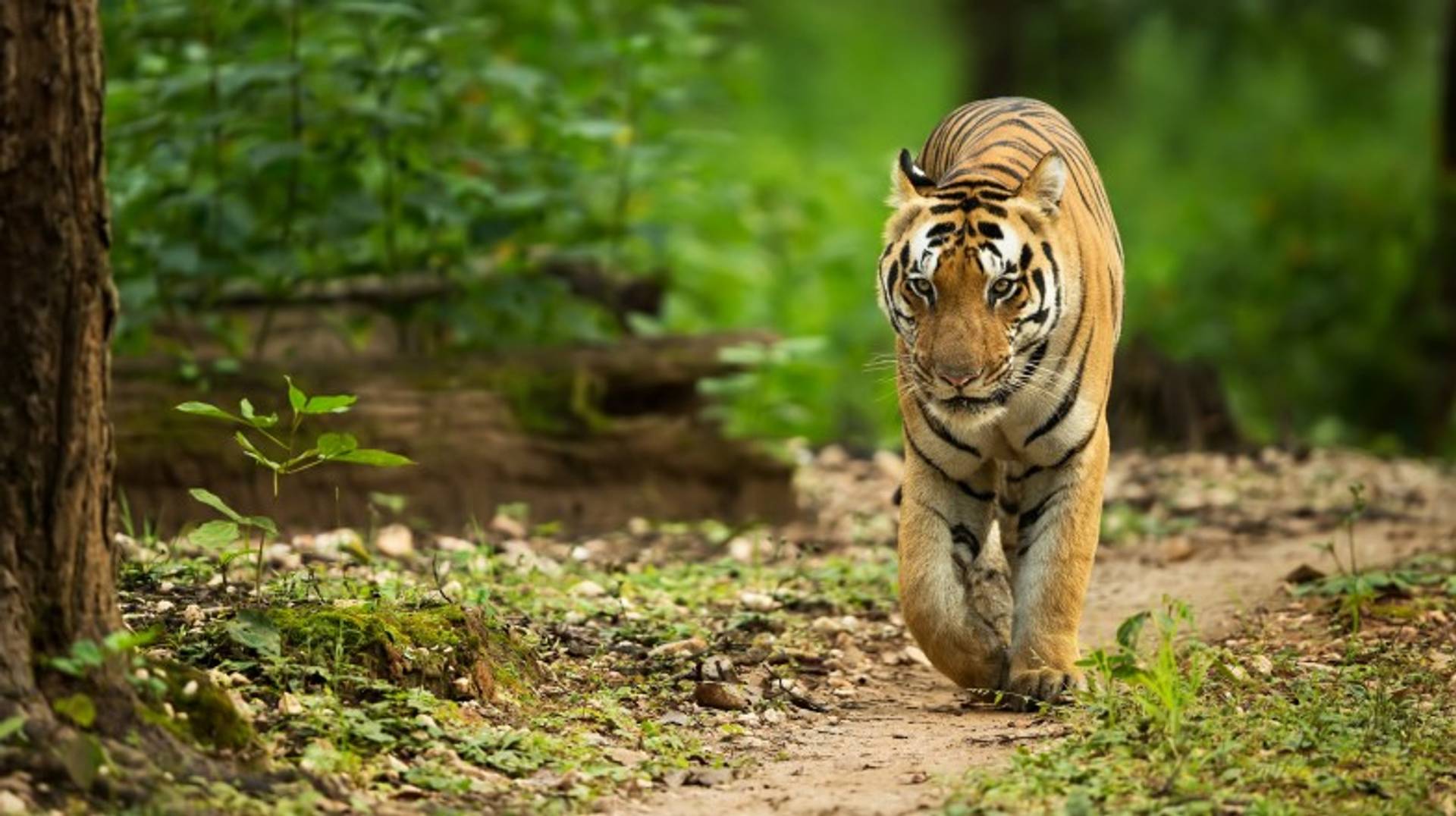
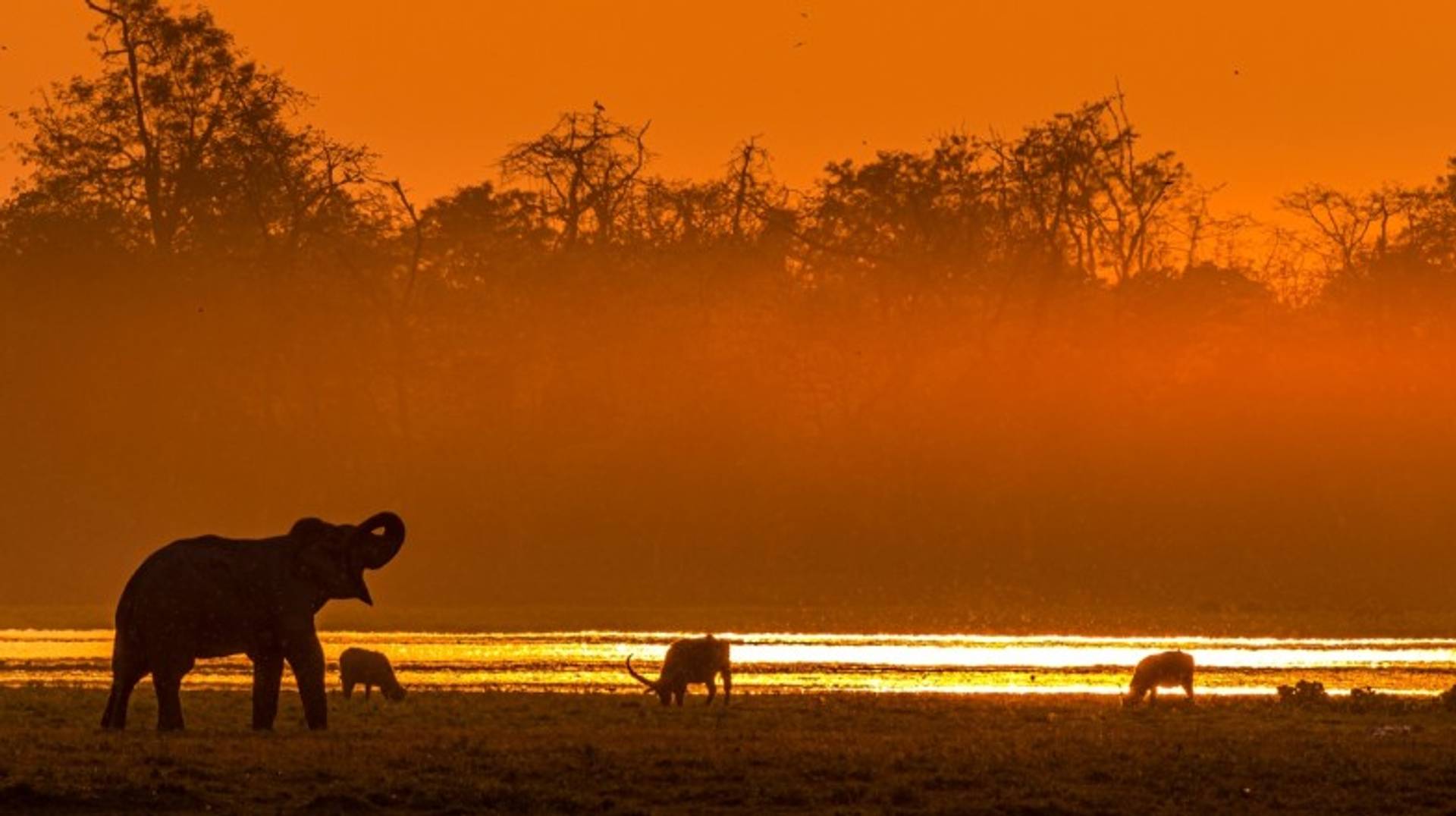
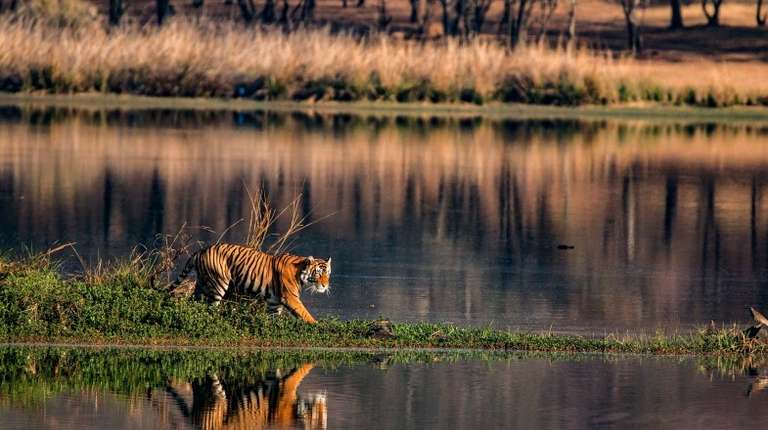
- Highlights: This is the best time to visit north India if you want to go wildlife spotting, or enjoy trekking in the foothills of Himalayas. Some of the cities that are best visited during summer are the hill towns of Srinagar, Nainital and Mount Abu. If you wish to explore the rich wildlife of India, you can head to the Jim Corbett National Park, or Ranthambore, to go on some world-famous safaris.
3. Monsoon in India – July to September
Monsoon in north India come with a full blast. From July, you will see some scattered rains across the country, and by August, the monsoon will become heavy throughout the northern states. You can expect disruption of tourist services, and transport services, depending on where you wish to travel to. It will be more difficult to travel to remote locations within the country. However, if you are the kind of person that loves the monsoon rains, this will be a wonderful time to travel. There are some great travel destinations for you to explore during this period - especially in places where the wildlife and flora comes alive due to the rains!
- Avg. Temperature: 98 -102° F / 37 - 39° C (in New Delhi) ; 95 - 100° F / 35 - 38° C (in Varanasi)
- Rainfall: 16 mm - 270 mm (in New Delhi) ; 182 mm - 398 mm (in Varanasi)
- Season: Monsoon
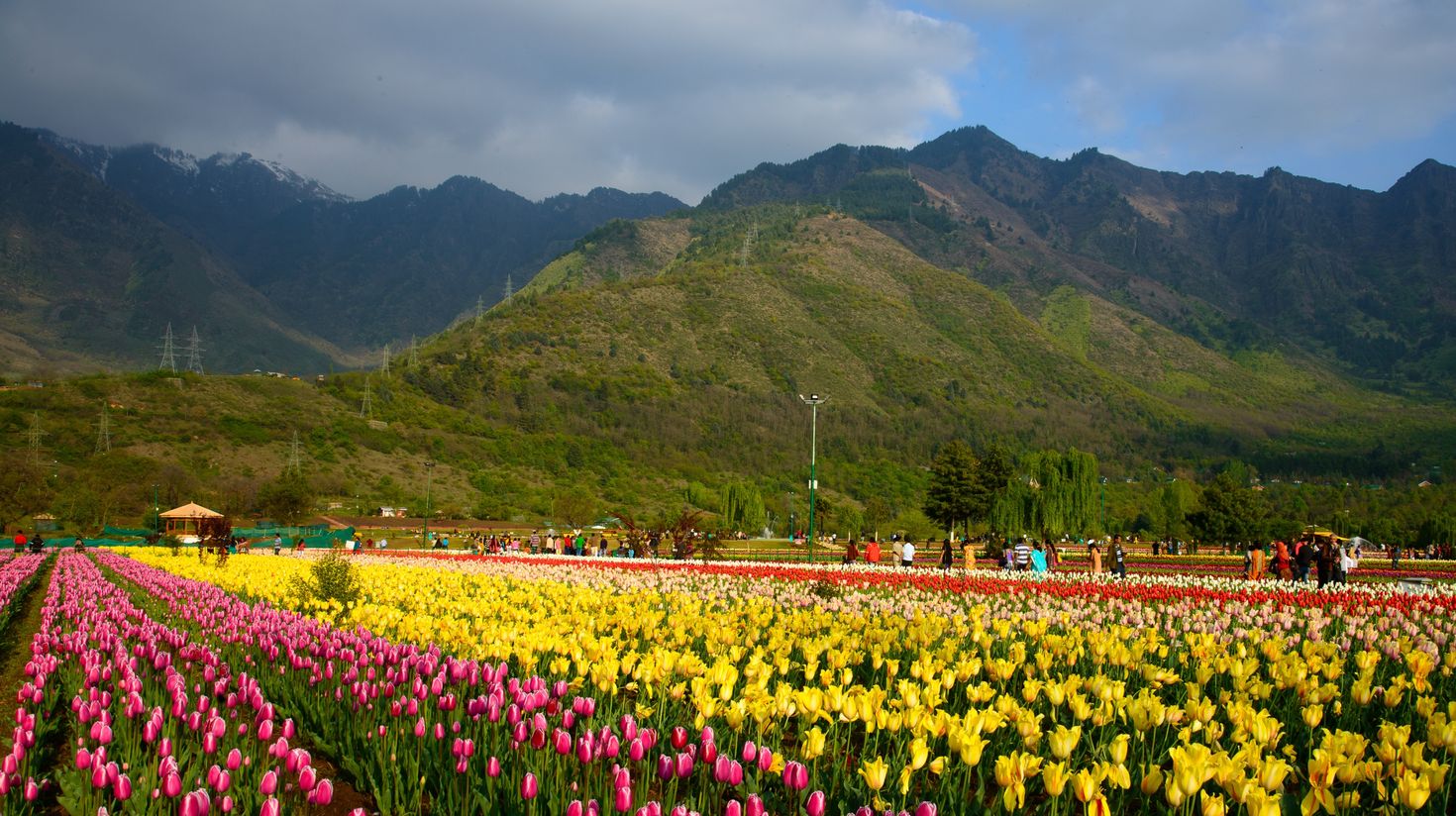
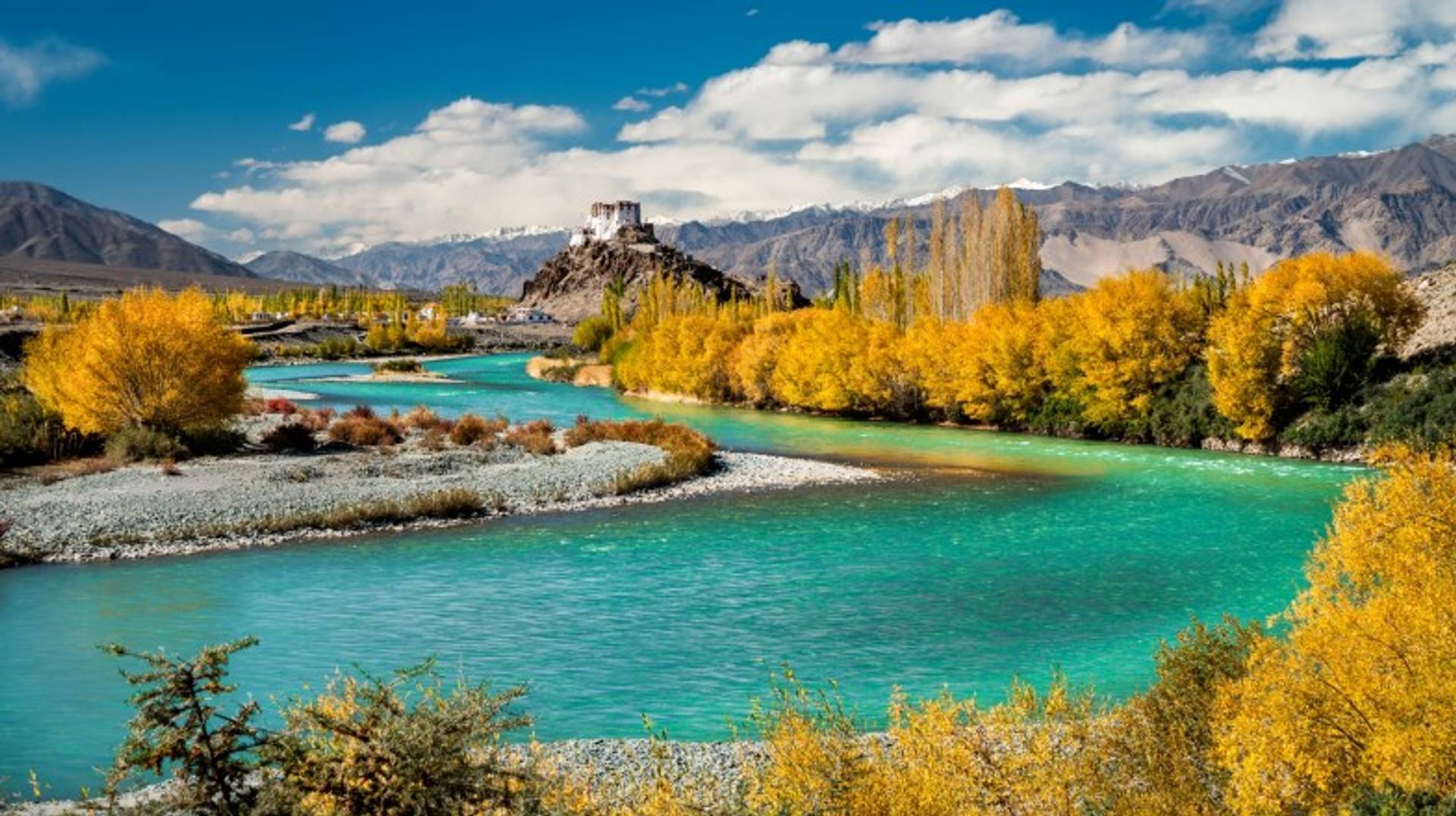
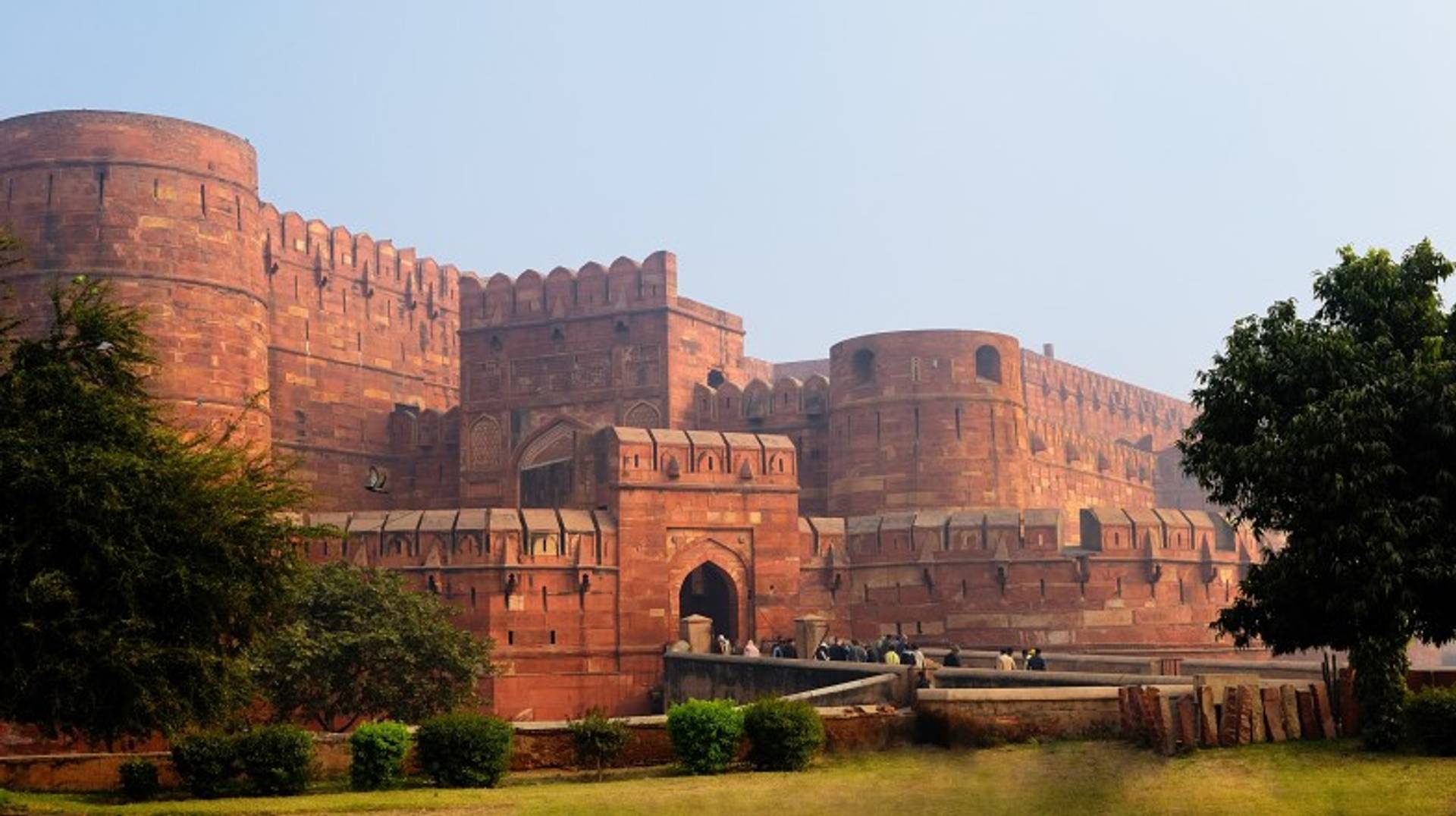
- Highlights: This is a great season for those who want to enjoy ecological tourism. Many forests in the Himalayas might be out of access due to the rains, but you can head up to the Valley of Flowers in Kashmir, or go to the Hemis National Park to explore the unique natural beauty of the country. If you are more interested in cultural tourism, then this is a good time to visit Chandigarh and Fatehpur Sikri. Both are unique and well-planned cities that can teach you a lot about India's rich history. The best time to visit North India is during the winter months between October - March. The number of visitors will be reduced during this period, and you can expect better but dry weather. Since this is not the peak season, you will not have to worry about high temperatures or prices! A lot of India's major festivals happen during these months, so you will be able to enjoy the cultural offerings of the country as well. The weather in the northern part of the country can be extremely varied, so your experience in the country will depend on when you visit north India.
See also:
Weather in India: Rainfall and Temperatures
Written by
Continue reading Related Guides
Create your custom-made trip to India
Traveling to India? Chat with a local travel specialist who can help organize your trip.
 Anu SethTravel Expert in India & Sri Lanka
 Karni RathoreTravel Expert in India
 Shiv Raj SinghTravel Expert in India & Nepal






Why Book with Bookmundi?
A strict screening process ensures that we only offer high quality, vetted tours and trip packages globally. The result? 4.8 of 5 stars out of more than 25,000 trip ratings.
All tours booked through Bookmundi are 100% carbon offset. Every quarter, we invest in carbon reduction projects around the world—at no extra cost to you.
Read how
 4.7(850 reviews)
 Trustpilot4.8(148 reviews)