
Hanoi to Ho Chi Minh City: How to Travel
Overview
Ways to Get from Hanoi to Ho Chi Minh City
The best way to travel from Hanoi to Ho Chi Minh City, separated by nearly 1,100 kilometers, is to hop on a plane. Other transportation options include trains, buses, and two-wheelers.
By Flight
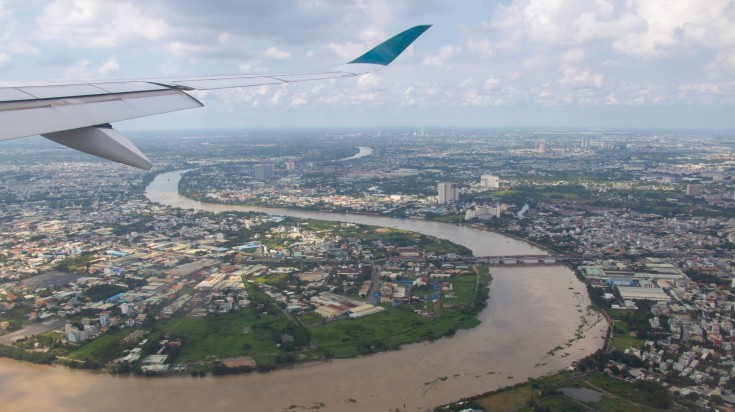
If you're looking for a quick and convenient journey, the Hanoi to Ho Chi Minh flight is the way to go. You'll depart from Noi Bai International Airport in Hanoi, about 30 kilometers from the city center, and touch down at Tan Son Nhat International Airport in Ho Chi Minh City. The flight duration is about 2 hours and 15 minutes.
Domestic airlines like Vietnam Airlines, Vietjet Air, and Bamboo Airways offer over 30 flights daily. The distance depends on your route: flying over Laos and Cambodia is 1,190 kilometers while going through Vietnam's airspace is 1,276 kilometers.
Pro tips:
- It is ideal to book two to three months in advance to secure the best flight deals, especially if you're traveling during the peak travel season or holidays.
- Make sure to verify whether your ticket includes checked luggage.
- If you want to upgrade your experience (at an additional cost), check out services like extra luggage and access to the VIP lounge.
- Travel during the lower travel season, typically between September and November, to save some extra bucks.
- You can also opt for early morning or late-night flights for a budget-friendly choice.
By Train

Traveling by train to Ho Chi Minh offers a leisurely journey through Vietnam. Despite the 32-hour ride, you'll enjoy comforts like air conditioning, reclining seats, and clean facilities, all while soaking in the scenic countryside and mingling with fellow adventurers. Five trains operate daily between Hanoi Railway Station and Saigon Railway Station, namely SE7, SE5, SE9, SE3, and SE1. SE trains are the quickest option, and TN1 are slower. If the journey seems too lengthy, consider stopping along the way. Danang, located in central Vietnam, is the ideal choice.
Pro tips:
- Ticket prices depend on the seat type. Luxury trains are twice as expensive, offering comfortable berth cabins with air-conditioning, clean toilets, and dining areas.
- Since most trains operate overnight, you can save on hotel expenses for one night.
- To obtain accurate information and up-to-date schedules, check out the official website of The Vietnam Railways.
By Bus

Another alternative to reach Ho Chi Minh City from Hanoi is by bus. The open bus service in Vietnam allows you to stop at other captivating cities before continuing your journey to Ho Chi Minh City. Some popular open bus companies are Sinh Cafe Open Bus, Phuong Trang Bus Company, and Hey Travel Tour Bus Company.
While traveling by bus is economical, it's important to note that the journey can be lengthy and exhausting. If you're not used to sleeper buses, there are other comfortable options for long-distance travel.
Pro tips:
- Take advantage of the resting stops where you can hop on and hop off the buses with an 'open ticket.' It's a fantastic way to connect with locals and gather insider tips about the places you're visiting.
- Be prepared for long hours on the road. Bring entertainment, snacks, and necessities to stay comfortable during the journey.
- Keep your luggage to a minimum, as bus storage space may be limited. Pack only the essentials to make your journey more convenient.
- Take care of your belongings on the bus, especially during stops and transfers. Use a money belt or neck pouch to keep your important items safe.
By Two-wheeler
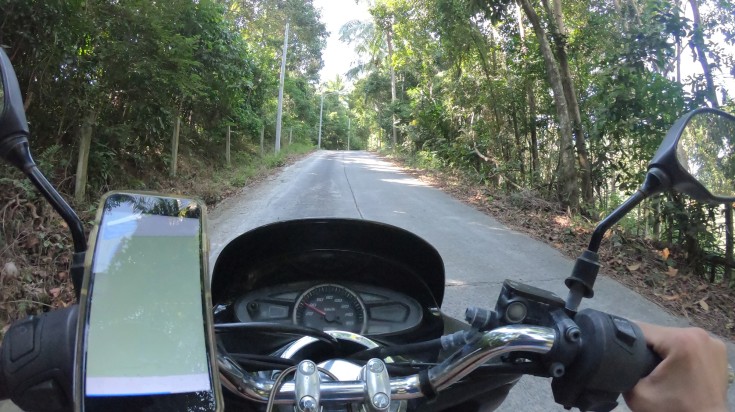
Renting a motorbike is a convenient and adventurous way to explore Vietnam. Though the distance between Hanoi and Ho Chi Minh City is vast, there are wonderful places to discover along the road. Just 100 kilometers south of Hanoi, Ninh Binh offers natural wonders like limestone cliffs and rivers. For history lovers, Vinh Moc features tunnels from the Vietnam War. You can also stop at Da Nang to see its beautiful pagodas and enjoy the beaches.
Pro tips:
- Rather than renting a motorbike, purchasing one in Hanoi and later selling it in Ho Chi Minh City is a good idea. Typically, a second-hand bike should cost at most USD 250.
- Vietnam's traffic can be chaotic and unpredictable. If you need more confidence in your driving skills, it's wise not to drive and choose other alternatives.
- When renting a bike in Vietnam, prioritize a thorough check-up at a mechanic's, ensuring oil, engine, brakes, and electrics are in order. Ensure the gas tank is full before rental to avoid additional expenses.
- Immerse yourself in the cities, towns, and villages to grasp the rich culture and connect with the local communities.
| Mode | Time | Cost | Why Choose This? |
| Flight | 2 hours 15 minutes | USD 40 to USD 150 | Time-saving |
| Train | 32 hours | Starts from USD 30 | Leisurely journey |
| Bus | 36 to 40 hours | USD 25 to USD 50 | Cheapest |
| Motorbike | A few days (varies on the stops) | USD 7 to USD 10 per day | To explore along the way |
*Note: The prices mentioned are as of 2024 and are subject to change.
See also:
Hanoi to Ho Chi Minh Itinerary


A three- to four-day itinerary is perfect to cover the major highlights of Hanoi and Ho Chi Minh City. Start in Hanoi, which boasts numerous attractions, with the main ones easily covered within a day or two. The Old Quarter, Hoan Kiem Lake, Jade Island, the Vietnam Fine Arts Museum, and the Temple of Literature are just a few well-known sites you should explore. Relish the charm of historic temples, busy marketplaces, and the flavors of real Vietnamese food in neighborhood restaurants, including banh mi, pho, and other delicious food.
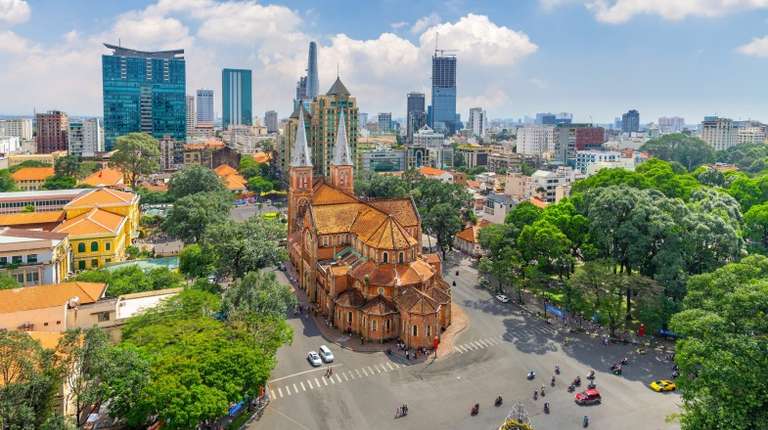
As you transition from Hanoi to Ho Chi Minh City, indulge in its vibrant culture and explore its historical landmarks. Two days in the city are enough to visit iconic attractions like the War Remnants Museum, Ben Thanh Market, and architectural wonders like the Central Post Office and Reunification Palace. Dive into the city's culinary scene with a street-food tour, where you'll sample delicious local delicacies and sip on refreshing Bia hoi. For a deeper understanding of Vietnam's wartime history, explore the Cu Chi Tunnels, a network of underground passageways used during the Vietnam War. Escape the bustle of the city and go on a relaxing cruise through the Mekong Delta. Explore the picturesque waterways, visit bustling floating markets, and soak yourself in the local way of life.
Fill our customized Vietnam trip form so our local experts can craft your Ho Chi Minh and Hanoi trip itinerary. For more information before planning your trip, read our Vietnam guide and article on the best time to visit Vietnam.
Written by















Continue reading Related Guides








Create your custom-made trip to Vietnam
Traveling to Vietnam? Chat with a local travel specialist who can help organize your trip.
 Hien DoTravel Expert in Cambodia, Laos, Thailand & Vietnam
 Tran Thu HaTravel Expert in Cambodia & Vietnam
 Alex NguyenTravel Expert in Cambodia, Laos, Thailand & Vietnam







Why Book with Bookmundi?
A strict screening process ensures that we only offer high quality, vetted tours and trip packages globally. The result? 4.8 of 5 stars out of more than 25,000 trip ratings.
All tours booked through Bookmundi are 100% carbon offset. Every quarter, we invest in carbon reduction projects around the world—at no extra cost to you.
Read how
 4.7(850 reviews)
 Trustpilot4.8(148 reviews)