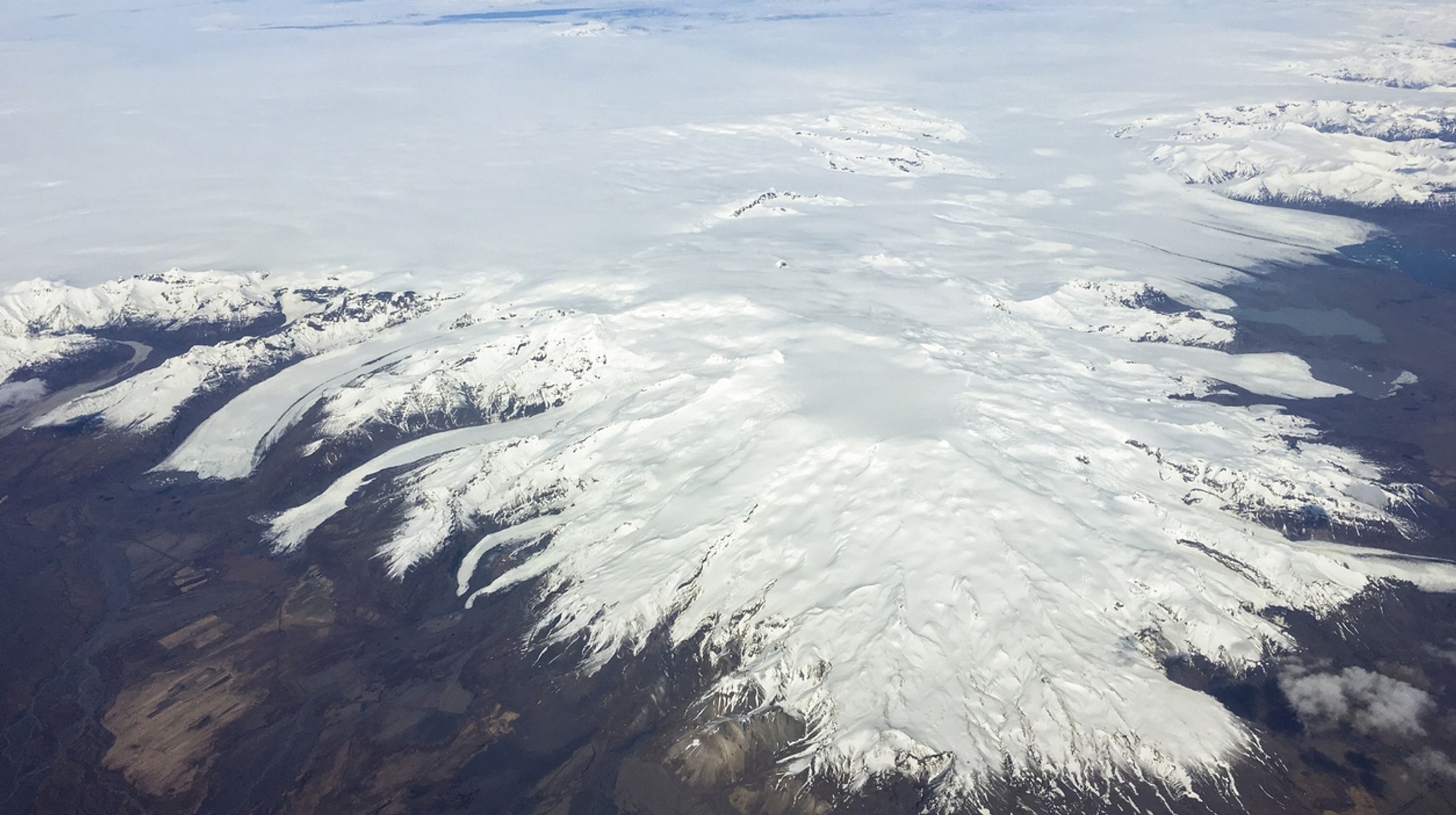
Öræfajökull Volcano: Iceland’s Volatile Peak
Overview
Oreafajokull Volcano: At a glance
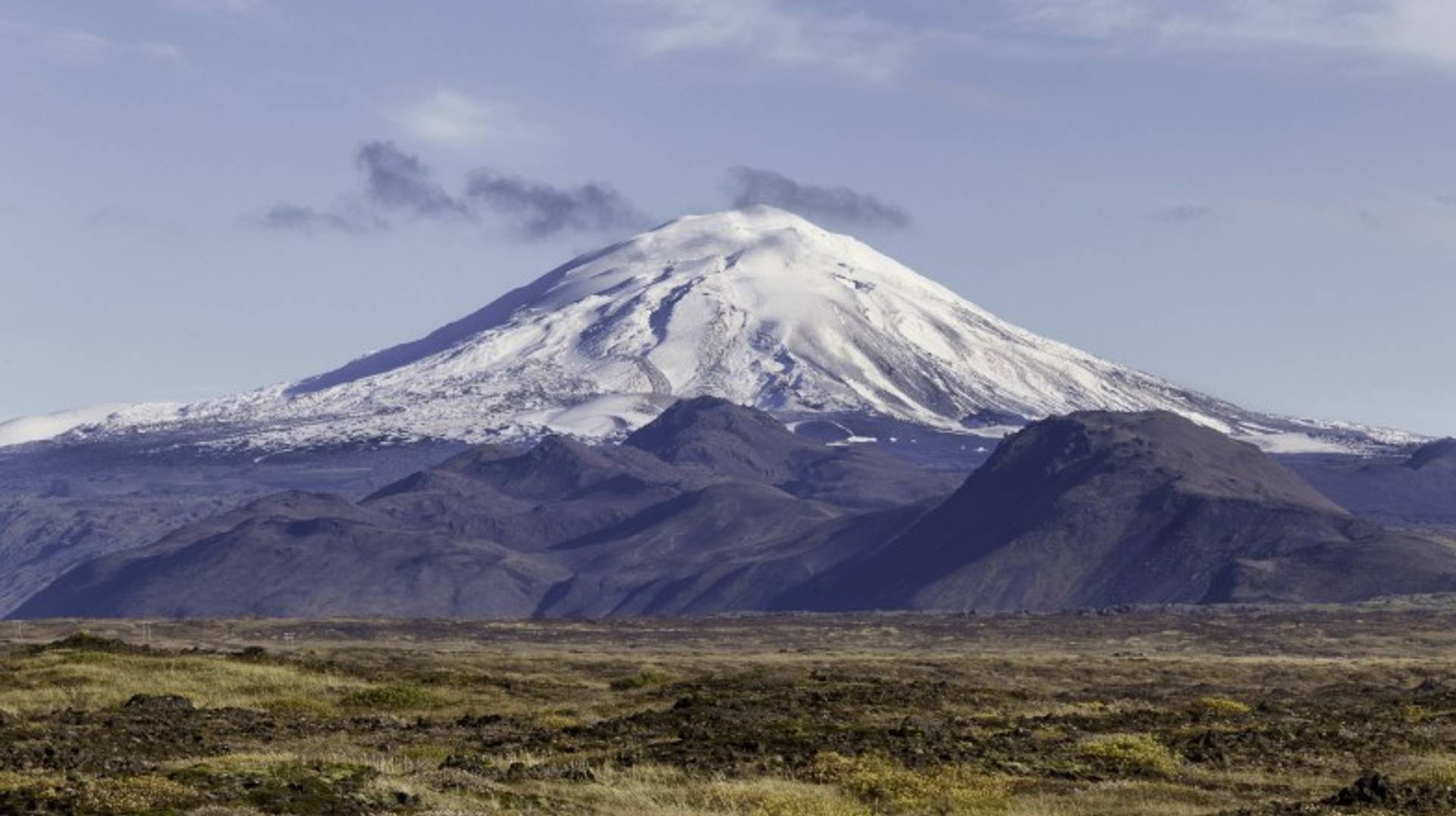
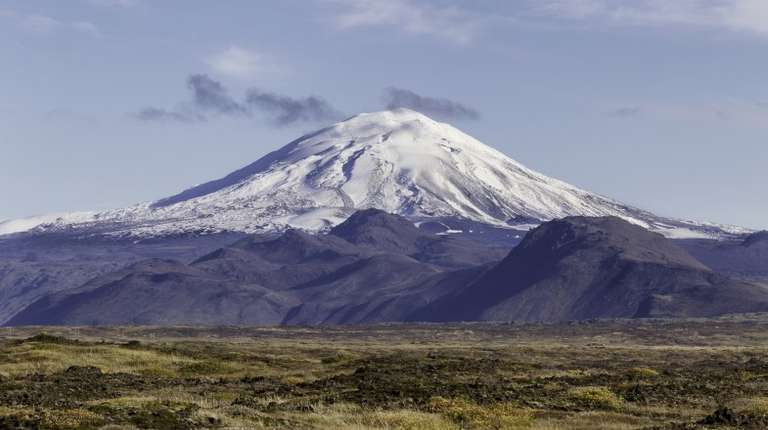
- The name Öræfajökull means “wasteland” or “wasteland glacier volcano” when translated into English. It gets its name from the previous destruction it has caused in the area.
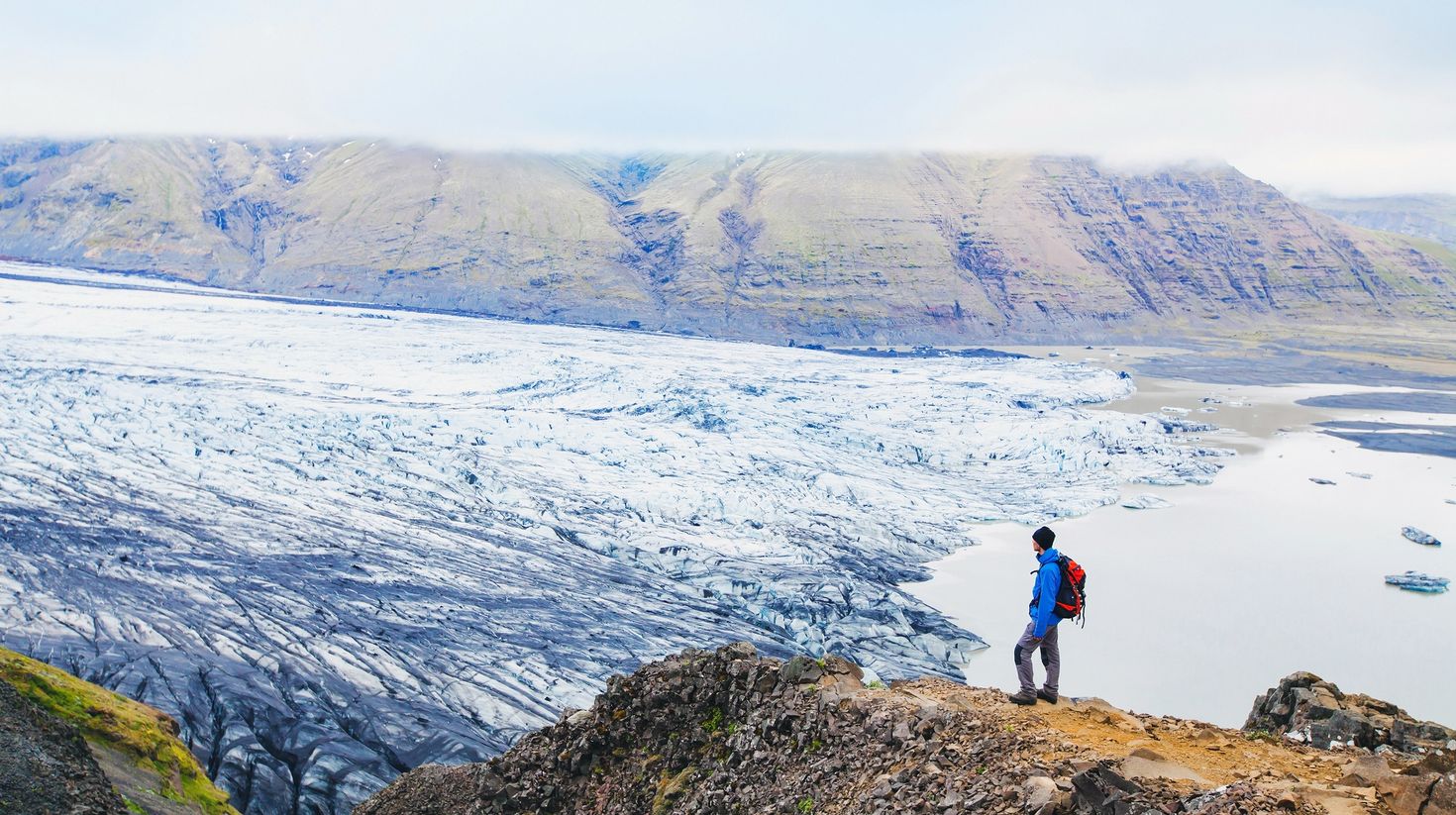
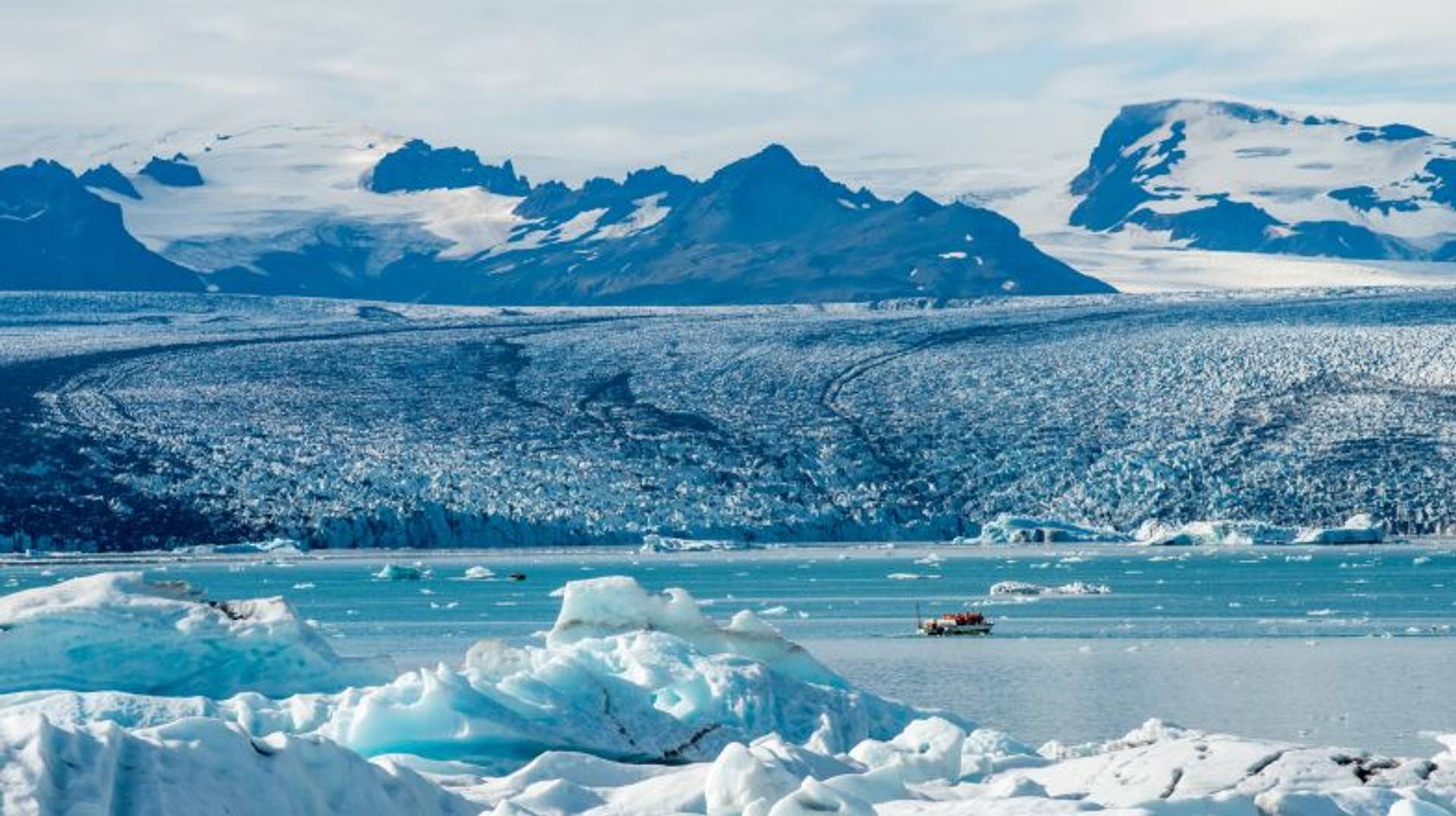
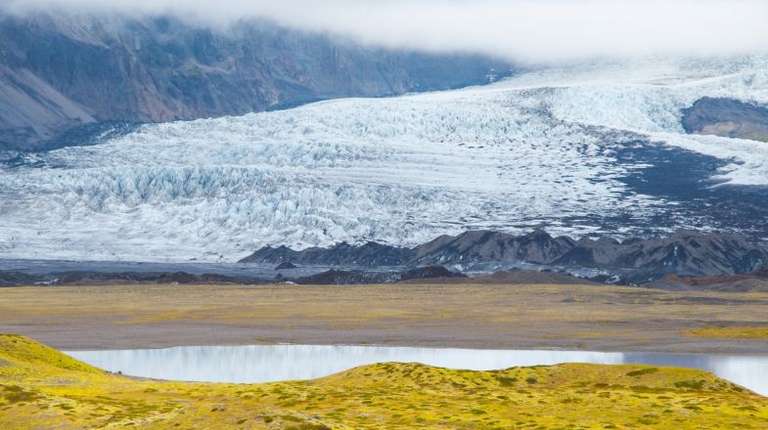
- The ice-covered Öræfajökull volcano is technically part of Vatnajökull glacier — Iceland’s largest and most voluminous ice cap, and its surrounding national park.
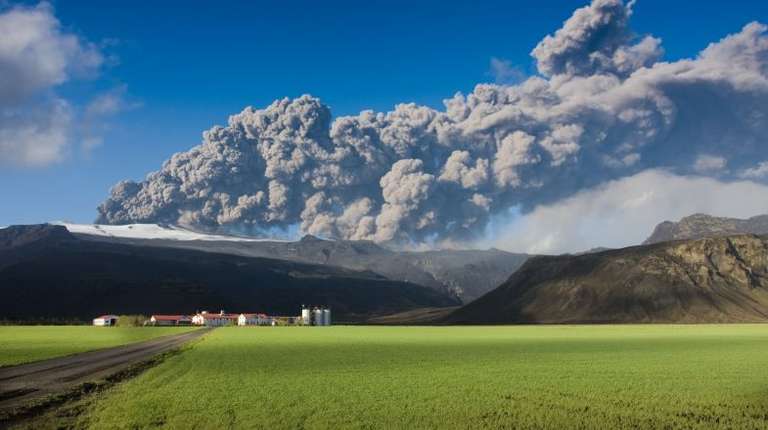
- When it erupted in 1362, Öræfajökull spewed out about 10 cubic km of material, making the surrounding district completely uninhabitable for about 40 years.
- Today, the real danger comes not necessarily from ash and tephra, but from flooding. If Öræfajökull decides to erupt, it can cause the ice above the caldera to melt — ice that is some 550 m thick! This could cause massive flooding in the area around the volcano, with waters reaching the coastline in just 20 minutes. The Icelandic term for this type of flood is “jökulhlaup”.
- Luckily, only two people live within 9 kilometers of the Öræfajökull volcano (in stark comparison to the 75,000 people living in a six-mile vicinity of Mount Agung, which recently erupted in Indonesia).
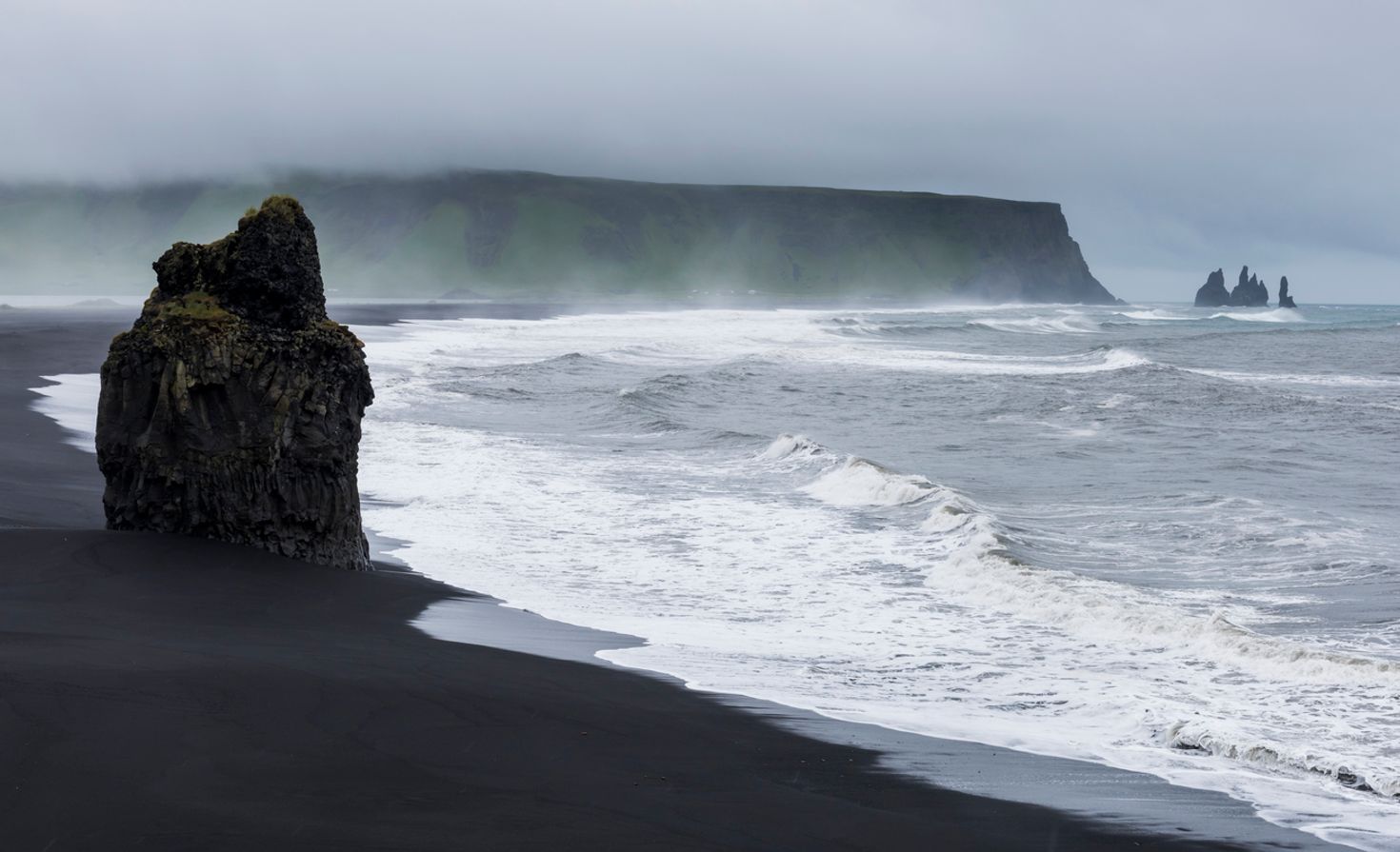
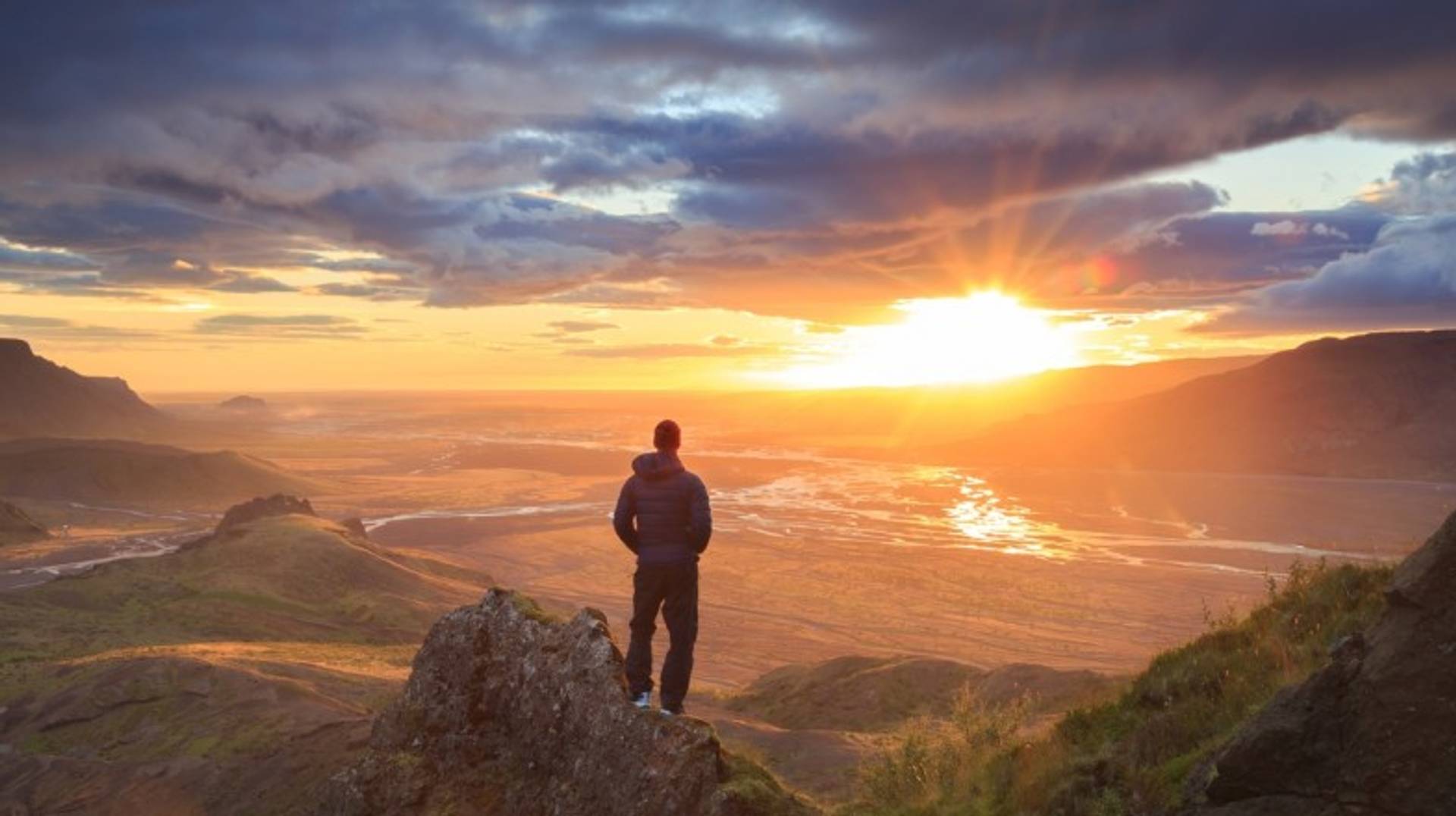
- From Oraefajokull’s peak, you can see incredible views of Iceland’s Ring Road between Hofn, a small fishing town near the Hornafjörður fjord, and the famous black sandy beaches of Vik.
- On the summit crater’s north-western rim you will find Iceland’s highest peak — Hvannadalshnúkur — which stands at an impressive 2,110 metres high.
- You’re probably wondering how to pronounce Oraefajokull! While it is often difficult for non-native speakers (scientists included!) to pronounce Icelandic words, we think you can give it a try. It sounds a little like “er-aye-wa-yo-kul”.
See also:
Things to do at Öræfajökull volcano
See also:
How to get there
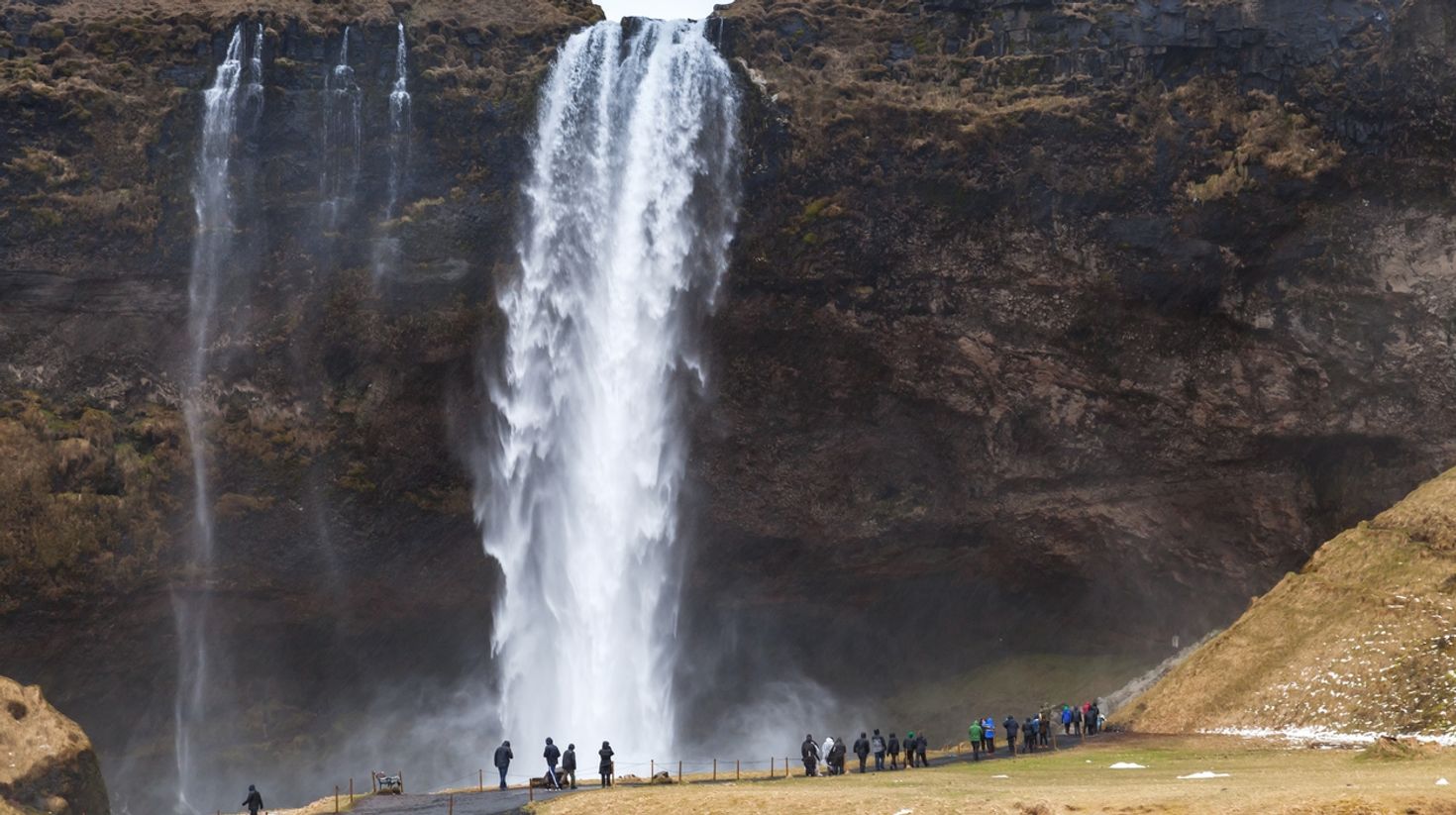
Öræfajökull volcano is located on Iceland’s south coast, one of the country’s most popular areas for tourism as it is full of black sand beaches, glaciers, and other natural wonders. To get to Öræfajökull from Reykjavik (as with the majority of Iceland’s popular sites), you must follow the Ring Road (Road 1). Leaving Reykjavik, head south-east along the route. You will pass many popular sights that are well worth a visit along the way, including Selfoss (with a slight detour to Seljalandsfoss), Skogafoss (another of Iceland’s popular waterfalls) and the famous Vik beach.
The drive is about 320 kilometres — a fairly lengthy drive that will take about four hours. Turn left when you reach the signs for Skaftafell National Park, as this is where you will find access to the Öræfajökull volcano.
Written by


Continue reading Related Guides
Create your custom-made trip to Iceland
Traveling to Iceland? Chat with a local travel specialist who can help organize your trip.
 Harpa GroissTravel Expert in Iceland
 Andrés Úlfur HelgusonTravel Expert in Iceland
 Oscar GálvezTravel Expert in Finland, Iceland, Norway, Sweden & Greenland





Why Book with Bookmundi?
A strict screening process ensures that we only offer high quality, vetted tours and trip packages globally. The result? 4.8 of 5 stars out of more than 25,000 trip ratings.
All tours booked through Bookmundi are 100% carbon offset. Every quarter, we invest in carbon reduction projects around the world—at no extra cost to you.
Read how
 4.7(850 reviews)
 Trustpilot4.8(148 reviews)