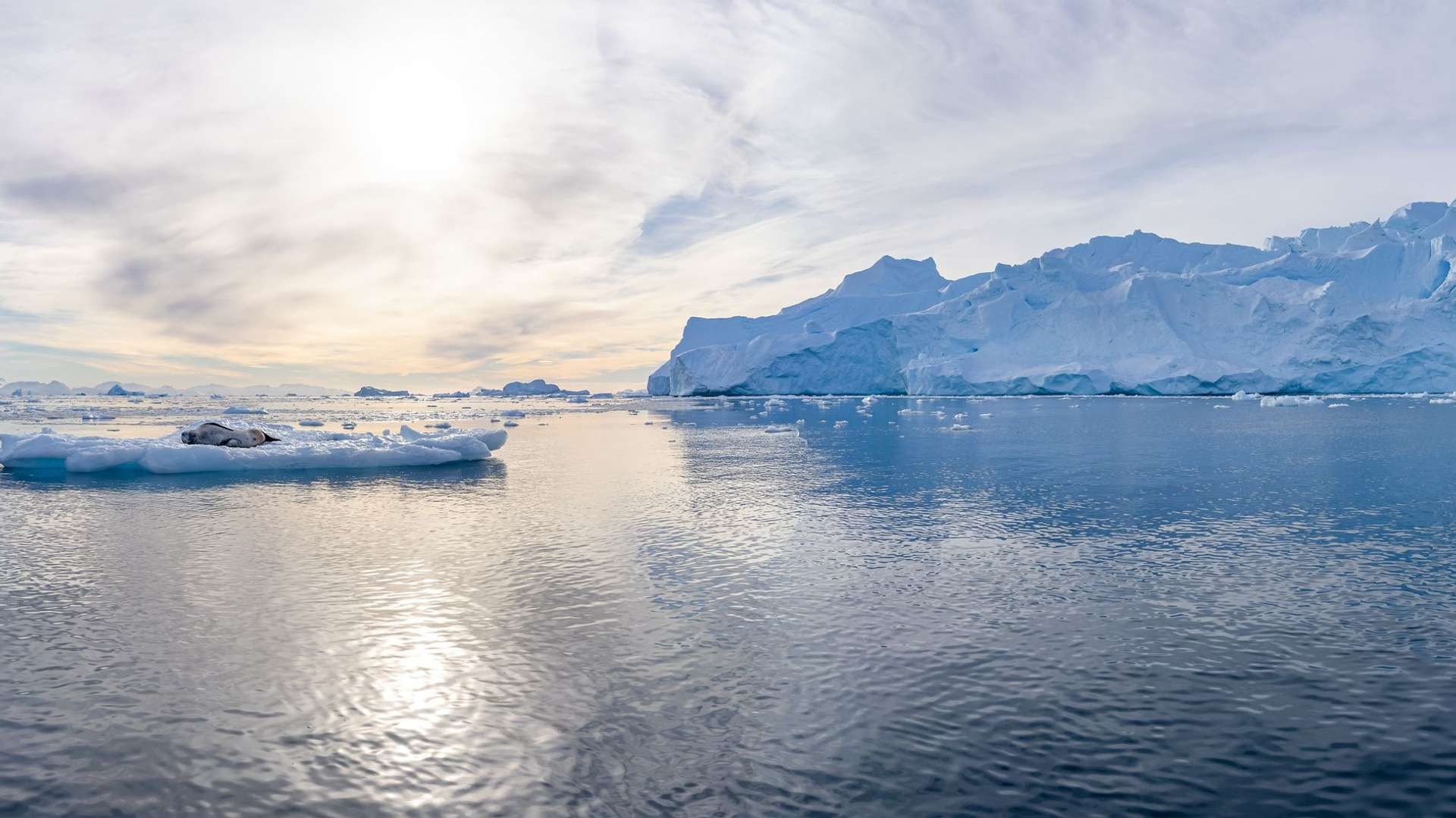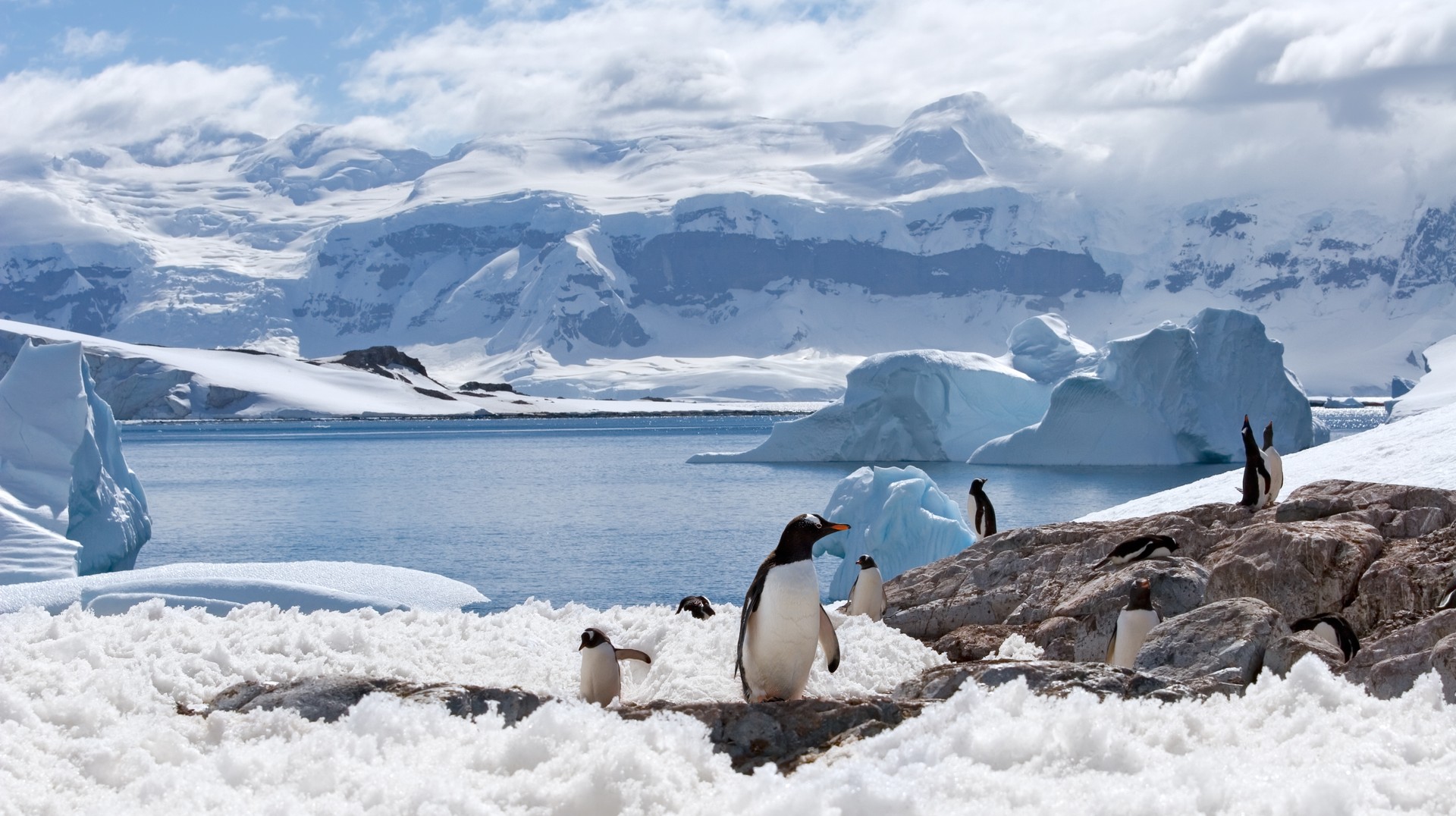
The best time to visit Antarctica is during the summer season between November and March when the weather is mild and outdoor activities are more accessible. Less snow cover and sunny days provide the best conditions for exploring this pristine, icy wonderland.
However, the most compelling reason to visit in summer is the remarkable wildlife that becomes more visible during this inviting season. November and December are excellent for seeing penguin chicks and seal pups, while January and February offer the best chance to spy whales, as they migrate to these cold waters.
For a detailed guide on the best time to travel to Antarctica, continue reading!
When is the best time to visit Antarctica: Quick Facts
High season
Summer (November to March)
Low season
Winter (October to April)
All seasons
Summer (November to March), winter (October to April)
When to visit Antarctica: Seasonal Overview
Take a closer look at each season. Decide what your priorities are for your visit and identify the best time of the year to go to Antarctica based on the season that offers what you want most.
Summer in Antarctica — November to March
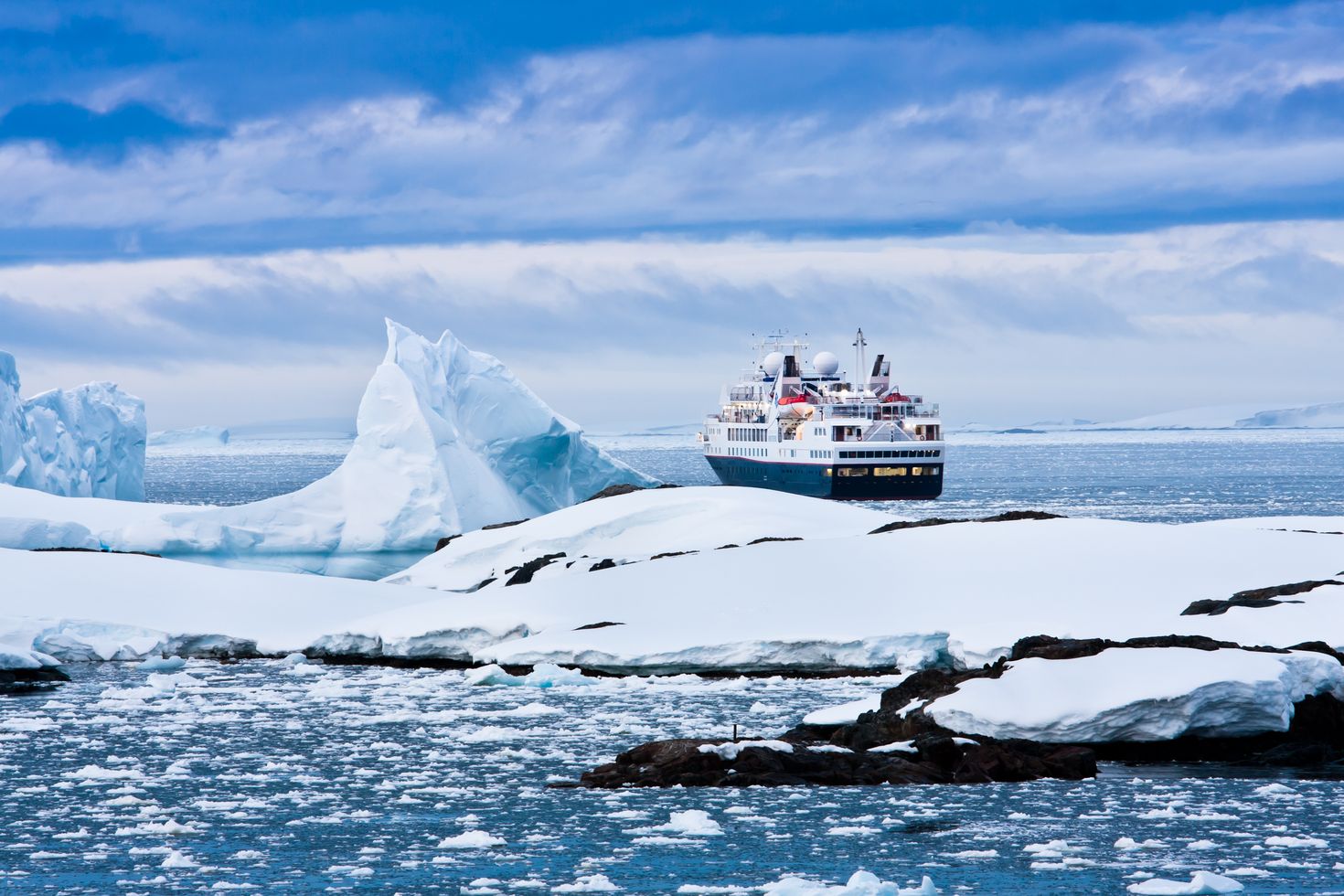
Cruises to Antarctica are most active during Summer.
Summer brings the best months to visit Antarctica, with temperatures ranging from -2°C (28°F) to 8°C (46°F). During the high season, you can catch unique wildlife such as baby penguins and seal pups in November and December, while January and February offer fantastic opportunities for whale-watching. It's even possible to kayak! With nearly 24 hours of daylight, you'll have ample time for photography and exploration. The only potential downside is that this is the high season, meaning more tourists and higher costs, so it's advisable to plan and book well in advance for this unique and unforgettable experience. These months have the highest temperatures and the longest sunlight hours - there are times when you can experience 24 hours of light!
Average temperature (high)
-2°C and 8°C
Average rainfall (annual)
7.6 mm
Is the summer season a good time to go to Antarctica?
Yes. Summer offers milder conditions, a variety of activities to enjoy, and is the best time to view wildlife.
If you're prone to seasickness, consider medication and remedies in advance, as sea conditions can be unpredictable during your voyage to Antarctica, particularly if you’re crossing the infamous Drake Passage.
Winter in Antarctica — April to October
Visiting Antarctica during its harsh winter is not recommended for tourists due to extreme weather conditions. From May to August, the continent plunges into darkness, with temperatures dropping to bone-chilling lows with fierce winds and blizzards that make travel nearly impossible. Most expedition ships cease operations during this time.
However, there are some intrepid individuals, such as scientists and researchers, who venture into this icy realm to conduct vital studies.
Average temperatures
Monthly mean temperature at the South Pole ranges around -60°C (-76°F). Along the coast, temperature hovers around −15 (-5°F) and −20 °C (−4 °F).
Average rainfall
4.4mm
Is winter a good time to go to Antarctica?
No, winter in Antarctica makes the continent inaccessible due to harsh weather, choppy waters and almost total darkness.
Antarctica remains one of the world’s most remote and incredible destinations. From getting up close to arctic wildlife to exploring otherworldly landscapes on hiking tours and by boat, there’s no place on earth that can compare. The summer season is long enough that you can enjoy a fascinating, personalized experience that will last a lifetime, whether you visit for just a few days or longer.
In terms of wildlife, weather conditions, and spectacular sights, the summer season is definitely the best time to visit Antarctica. This is your chance to see the most animal activity and access the most of this wild and isolated continent. However, it’s certainly possible to have amazing experiences no matter which season you decide to go — it will be the trip of a lifetime either way!
*Please note that these are the average temperatures of one of the warmer location on the Antarctica Peninsula, the Academician Vernadskiy Reporting Station. These averages change depending on location. It’s important to remember that temperatures are warmest around the Antarctica Peninsula, which is on the northern tip of the continent, closest to South America. The closer you get to the South Pole or the higher you climb in the mountains, the colder the temperatures become!
Fiona has spent her career exploring the world and working in the travel industry, turning her lifelong passion into a profession. From planning custom trips to sharing stories as a travel blogger, she’s all about helping others experience the world in a deeper, more meaningful way.
A strict screening process ensures that we only offer high quality, vetted tours and trip packages globally. The result? 4.8 of 5 stars out of more than 25,000 trip ratings.
Best Prices
In most cases, we offer THE best prices. And, you get a Best Price Guarantee for all tours, as long as you redeem it within 24 hours of purchase. Read why
Sustainable Tours
All tours booked through Bookmundi are 100% carbon offset. Every quarter, we invest in carbon reduction projects around the world—at no extra cost to you. Read how

Customers Love Us
We've earned 920+ reviews across two trusted review platforms, with an average rating of 4.7 out of 5 stars.